

What Earring Metals Are Hypoallergenic: Best Safe Options
Redness, itching, and swollen earlobes after wearing a new pair of earrings are not random. They are a predictable reaction to specific metals that irritate or trigger responses in sensitive skin. If you have been asking what earring metals are hypoallergenic, the answer depends on understanding which metals cause reactions and why, and which materials are clinically recognized as safe for prolonged skin contact. Hypoallergenic Hoop Earrings built on verified safe materials are a practical starting point. This guide covers the metals that genuinely qualify as hypoallergenic, the ones to avoid, and how to read product descriptions so you know what you are actually buying.
Why Some Metals Cause Ear Reactions
The most common cause of metal-related ear reactions is contact dermatitis triggered by nickel. Nickel is used extensively in fashion jewelry as a base metal or as part of an alloy because it is inexpensive, durable, and easy to work with. Estimates suggest that between 10 and 20 percent of the population has some degree of nickel sensitivity, making it one of the most widespread contact allergens globally.
When a nickel-containing metal sits against skin, particularly in a piercing where the post passes through tissue, small amounts of nickel ions leach out through sweat and skin moisture. Those ions trigger an immune response in sensitive individuals, producing the redness, itching, and inflammation most people associate with a jewelry reaction.

Nickel sensitivity is also cumulative. Repeated low-level exposure over time can develop into a full sensitivity in people who initially showed no reaction. This is why someone might wear cheap earrings for years without issue and then suddenly begin reacting: the sensitivity threshold has been crossed through accumulated exposure.
Copper is a secondary irritant. It does not trigger immune responses the same way nickel does, but it reacts with skin acids and moisture to produce green discoloration and, in some people, localized irritation. Brass and bronze alloys contain copper and produce this effect with regular wear.
Understanding this makes the hypoallergenic question more precise. You are not looking for a metal that is universally inert. You are looking for metals that do not contain nickel, do not leach reactive ions under normal wearing conditions, and are stable against skin moisture and sweat.
What Earring Metals Are Hypoallergenic: The Safe Options
Several metals meet the criteria for safe use in earrings, including through piercings. Each has different practical properties that affect how it performs as jewelry.
Surgical-grade stainless steel (316L). The most widely used hypoallergenic base metal in jewelry. 316L stainless steel contains a small percentage of nickel by composition, but the nickel is bound tightly within the alloy structure and does not leach under normal conditions. It is corrosion-resistant, holds its finish well, and is stable against sweat, water, and skincare products. It is the standard base metal for body jewelry and medical implants for this reason.
Titanium. Completely nickel-free and one of the most biocompatible metals available. Titanium does not corrode, does not react with skin chemistry, and is used in surgical implants including bone screws and joint replacements. It is lightweight for its strength, which makes it comfortable for all-day earring wear. The trade-off is that it is more expensive to work with than stainless steel, which limits design options at lower price points.

Niobium. Less commonly known than titanium but similarly biocompatible. Niobium is nickel-free, does not corrode, and is often used for sensitive piercings. It can be anodized to produce color without adding reactive coating materials. It sits between titanium and stainless steel in terms of cost and availability.
Solid gold (14k and above). Pure gold is inert and completely non-reactive. The relevant question with gold is karat. 24k gold is pure but too soft for most earring constructions. 14k gold is 58.5% gold, with the remainder typically made up of silver, copper, and sometimes zinc. At 14k and above, the gold content is high enough that nickel content is either absent or present at levels too low to trigger reactions in most sensitive individuals. 9k or 10k gold has a higher proportion of alloy metals and is more likely to contain enough nickel to cause issues for the highly sensitive.
Platinum. Hypoallergenic and highly durable, but at a price point that places it firmly in fine jewelry territory. Platinum jewelry is typically 95% pure platinum, with no nickel content. It is dense, does not tarnish, and maintains its finish over decades of wear. For everyday earrings at accessible price points, platinum is not a practical option for most buyers.
Sterling silver (with caveats). Pure sterling silver is not inherently problematic, but many sterling silver earrings are rhodium-plated or mixed with alloys that include nickel, particularly in lower-cost production. Sterling silver also tarnishes, and tarnished silver in a piercing can cause irritation in sensitive individuals. For consistent hypoallergenic performance, the silver alone is not enough: the full composition and any coatings matter.
Metals to Avoid If You Have Sensitive Ears
Knowing which materials to rule out is as useful as knowing the safe options.
| Metal | Why to Avoid | Common In |
|---|---|---|
| Nickel | Primary contact allergen, leaches ions through skin moisture | Fashion jewelry, cheap earring backs |
| Brass | Contains copper and zinc, causes green staining and irritation | Costume jewelry, vintage styles |
| Bronze | Copper-tin alloy, similar issues to brass | Artisan and vintage jewelry |
| Copper | Reacts with skin acids, causes discoloration and irritation | Some handmade jewelry |
| White gold (low karat) | Often contains nickel as a whitening agent | 9k and 10k white gold settings |
| Plated base metals | Plating wears through to reactive base metal | Most fashion earrings |
How to Read Product Descriptions for Hypoallergenic Earrings
Terms in jewelry marketing are not always regulated, which means "hypoallergenic" can appear on a product without a standardized definition behind it. Reading descriptions carefully protects you from this ambiguity.
Look for the base metal specification, not just the finish. "Gold earrings" describes the appearance. "18k PVD-coated 316L stainless steel" describes the actual material. The second phrasing tells you what the post and the body of the earring are made from, which is the part that matters for skin safety.
Nickel-free is a meaningful claim when it appears alongside a specific material name. "Nickel-free stainless steel" with a 316L designation is verifiable. "Nickel-free fashion earrings" without a material specification is not.
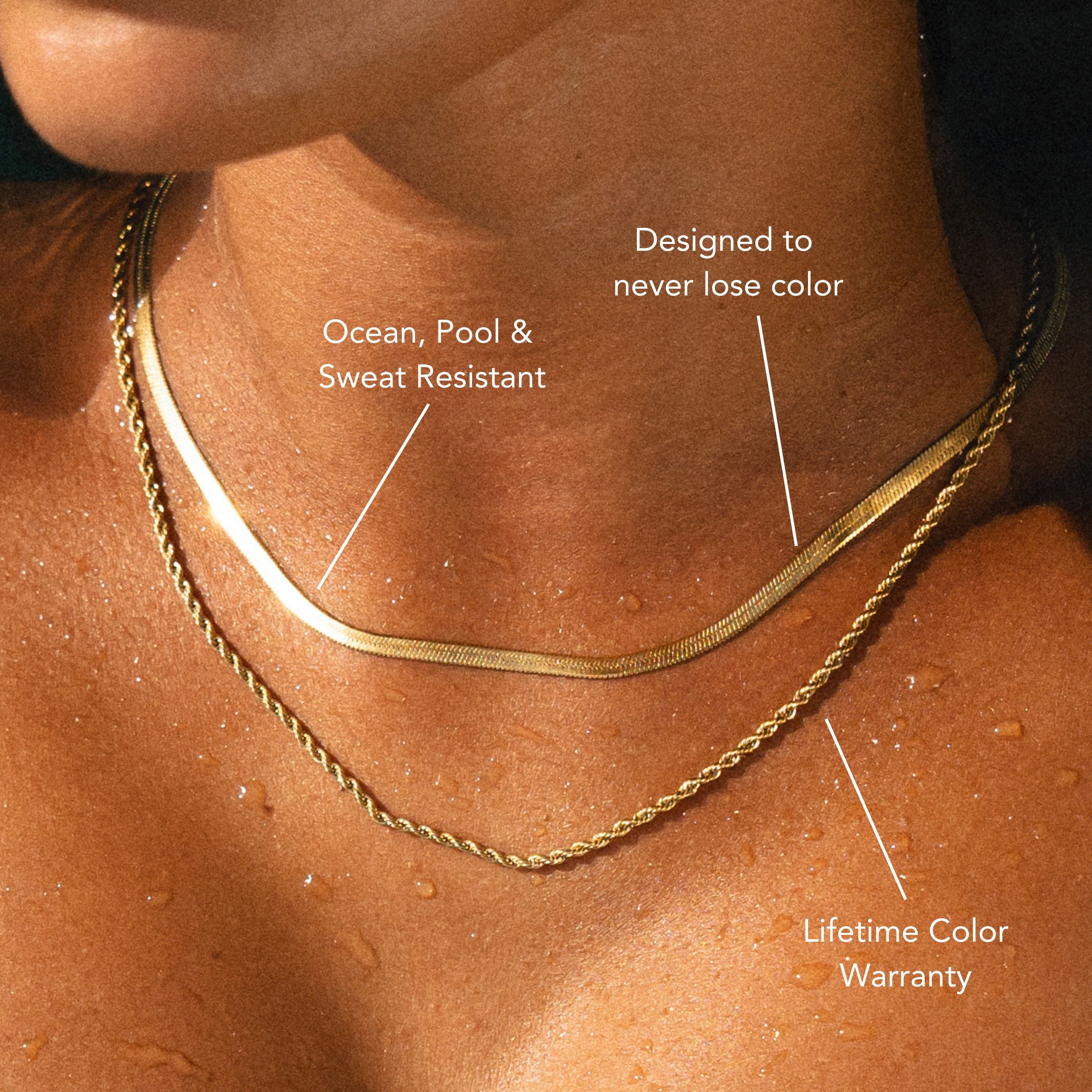
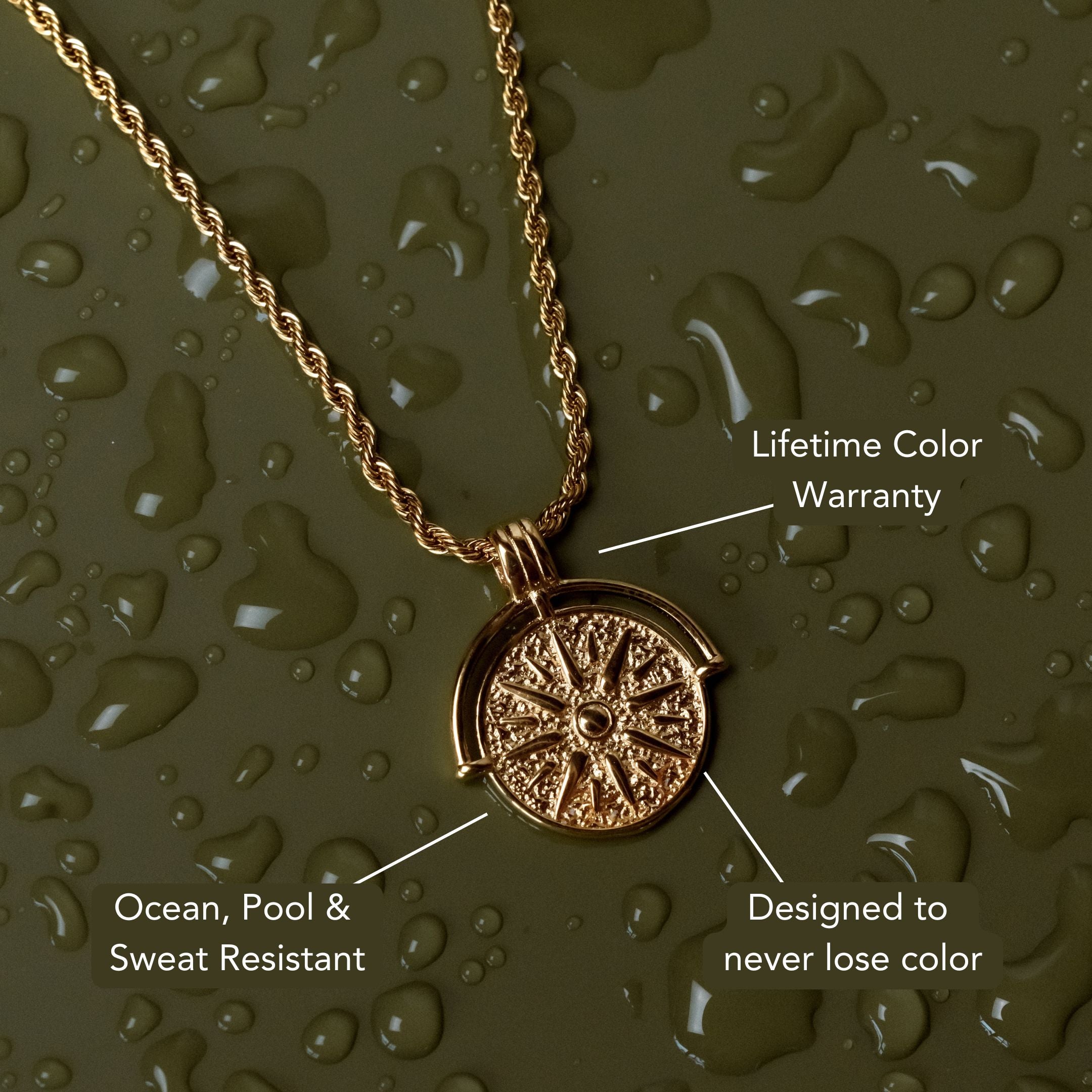
PVD coating adds a relevant layer to the hypoallergenic conversation. PVD (Physical Vapor Deposition) bonds a finish layer at the molecular level onto the base metal, producing a surface 10 times thicker than standard plating. That thickness and bonding method means the coating does not wear through the way standard plating does, keeping the hypoallergenic base metal consistently covered and stable through daily wear, swimming, and workouts.
Frequently Asked Questions
What earring metals are hypoallergenic for sensitive ears?
The most reliably hypoallergenic earring metals are surgical-grade stainless steel (316L), titanium, niobium, and solid gold at 14k or above. These materials either contain no nickel or bind it tightly enough that it does not leach into skin tissue. For pierced ears, the post material is the most important factor because it sits in direct contact with tissue.
Can I wear stainless steel earrings if I am allergic to nickel?
Most people with nickel sensitivity can wear 316L surgical-grade stainless steel without a reaction. Although 316L contains a small amount of nickel in its alloy composition, the nickel is structurally bound and does not leach under normal wearing conditions. However, people with severe nickel allergies may react even to this. Titanium or niobium are the safest alternatives for extreme sensitivity.
Are gold-plated earrings hypoallergenic?
Not reliably. Gold-plated earrings have a base metal core, often brass or nickel alloy, with a thin gold layer over the surface. Once the plating wears through, the base metal is in contact with your skin. If that base metal contains nickel, reactions follow. For genuinely hypoallergenic performance, the base metal needs to be safe, not just the finish layer.
How long can I wear hypoallergenic earrings without taking them out?
With the right material, indefinitely for daily wear. Surgical-grade stainless steel and titanium earrings are stable enough to wear through showers, sleep, and physical activity without causing reactions or degrading. PVD-coated stainless steel earrings hold their finish through water and sweat exposure, which makes them practical for continuous wear without the maintenance requirements of sterling silver or plated pieces.
Conclusion
What earring metals are hypoallergenic has a clear answer once you look at the material rather than the finish: surgical-grade stainless steel, titanium, niobium, and solid gold at 14k and above are the metals with the clinical record to back the claim. The finish matters too, and a PVD coating on a hypoallergenic base adds durability that standard plating cannot match through daily wear, beach trips, and gym sessions. Knowing what the post and body of your earring are actually made from is the one check that protects against reactions, regardless of how a product is marketed.









Leave a comment
This site is protected by hCaptcha and the hCaptcha Privacy Policy and Terms of Service apply.