


What Colors Do Pearls Come in Naturally: Complete Guide
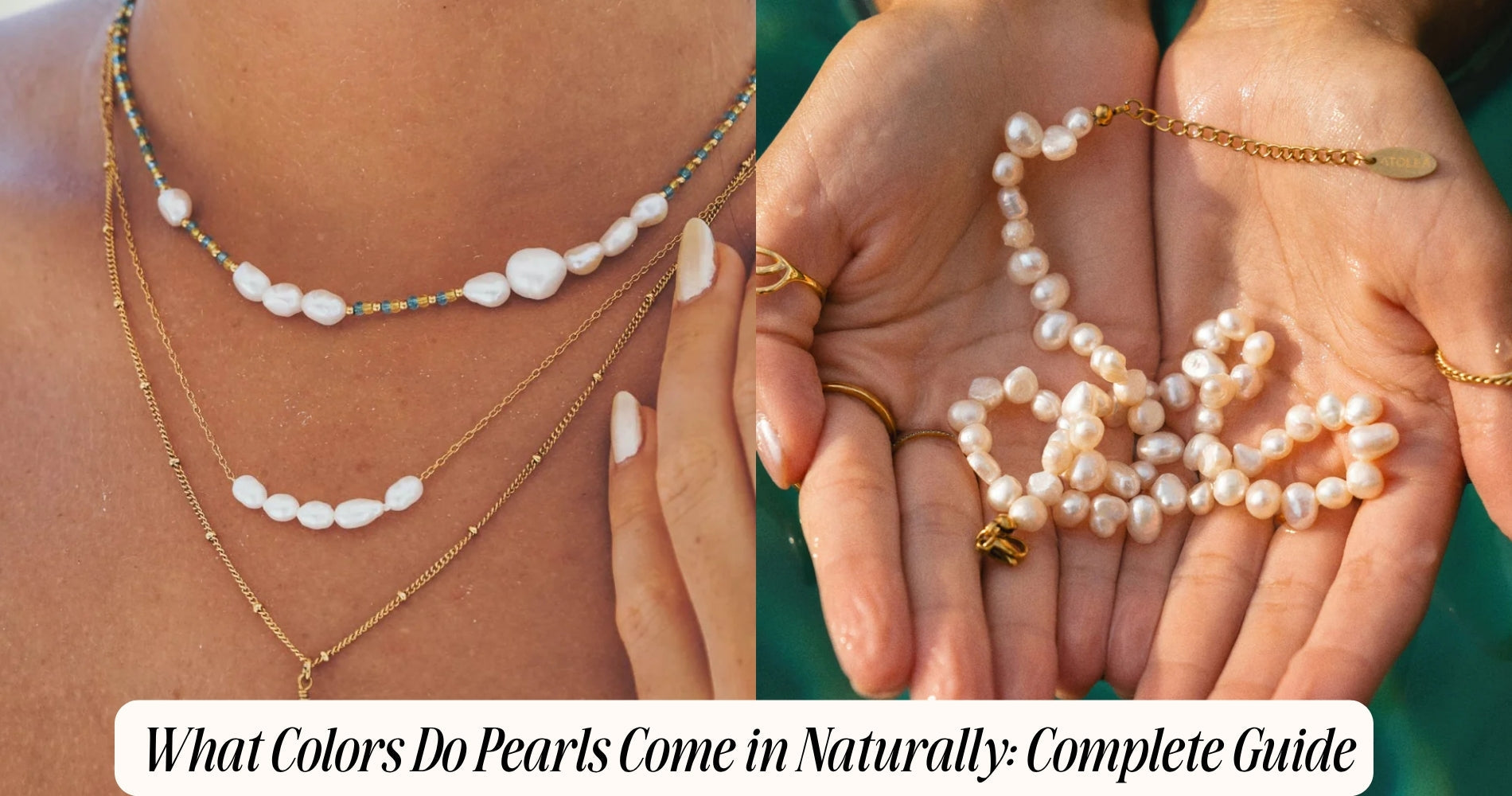
White is the color most people picture when they think of pearls, but it is only one point on a genuinely wide natural spectrum. What colors do pearls come in naturally spans white and cream through pink, lavender, silver, black, green, blue, and gold, with the specific color determined by the mollusk species, the water conditions, and trace elements present during formation. Freshwater Pearls Jewelry showcases much of this natural range in accessible everyday pieces. This guide covers every major natural pearl color, what causes each one, which pearl types produce which colors, and how to distinguish natural color from dyed or treated pearls.
What Determines Natural Pearl Color
Pearl color is determined by three interacting factors, and understanding them explains why color varies so significantly even among pearls of the same general type.
Body color is the pearl's overall base tone, determined primarily by the species of mollusk that produced it and, to a lesser extent, by trace minerals present in the water where it grew. Different mollusk species have genetically determined tendencies toward specific body color ranges.
Overtone is a secondary color that appears to float over the body color, visible as a subtle sheen when the pearl is viewed at certain angles under good lighting. A white pearl with a rosé overtone shows a faint pink cast over its white base, for example. Overtone is caused by the same thin-film light interference that produces pearl luster generally, with the specific overtone color influenced by the thickness and regularity of the nacre layers.
Orient is the rainbow-like iridescent play of color that moves across a pearl's surface as it catches light from different angles, most visible on pearls with particularly fine, thin nacre layers. Not all pearls show strong orient; it is most pronounced in certain high-quality specimens regardless of body color.
Together, body color, overtone, and orient combine to produce the full visual character of any individual pearl, which is why two pearls of the same nominal color, say two white pearls, can look meaningfully different from each other in person.

What Colors Do Pearls Come in Naturally: The Full Range
White and Cream
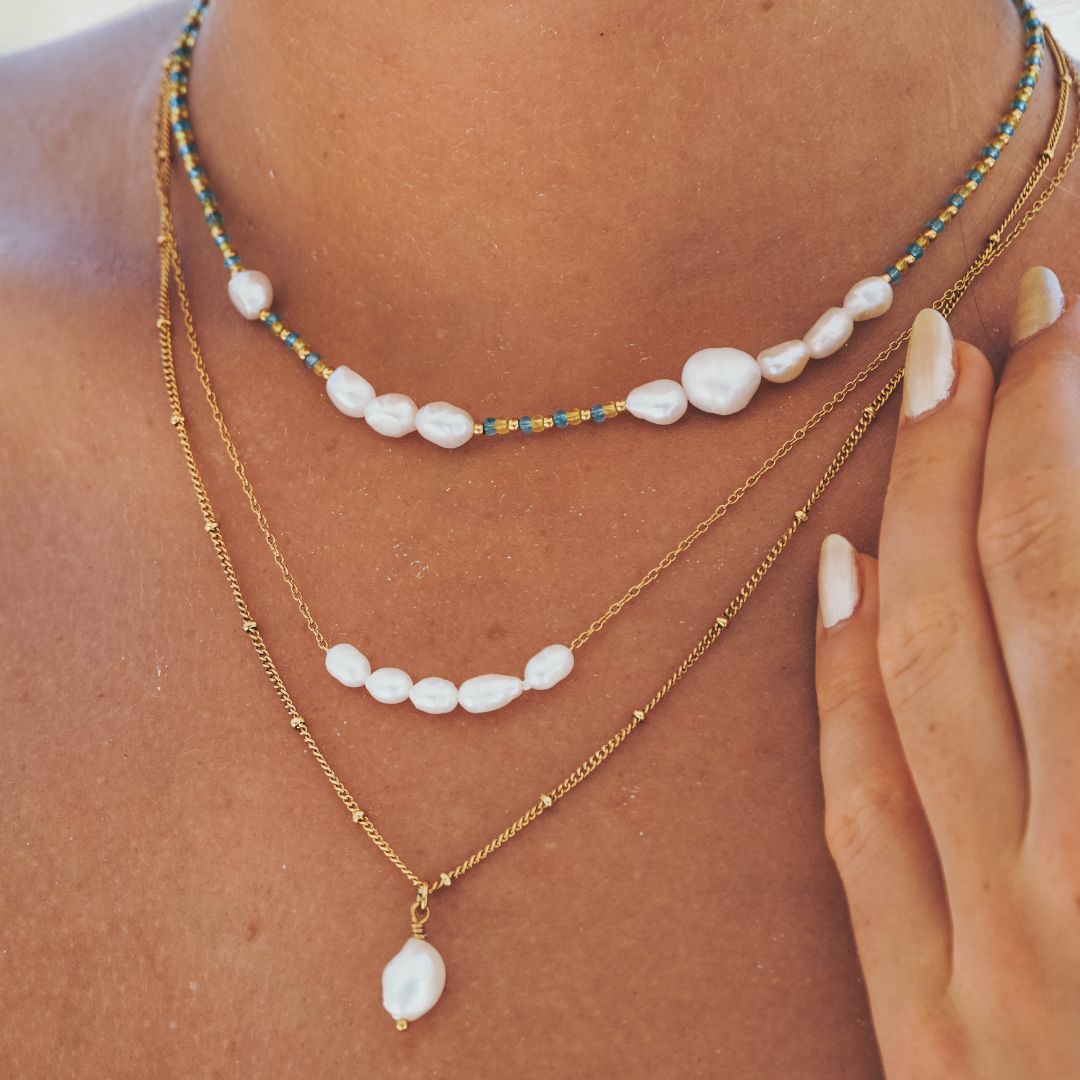
White and cream are the most common and widely recognized natural pearl colors, produced consistently by Akoya oysters and many freshwater mussels. True white pearls have minimal overtone. Cream-colored pearls carry a warmer, slightly yellow-toned base. This is the color range most associated with classic pearl jewelry, from strand necklaces to simple stud earrings.
Silver and Rosé (Pink)
Silver pearls carry a cool gray-white body color with a metallic sheen, common in certain Akoya and South Sea production. Rosé, or pink, pearls show a distinct pink overtone over a lighter body color and occur naturally in freshwater pearls more than in most saltwater varieties, making pink one of the signature natural colors associated specifically with freshwater cultivation.
Lavender and Purple
Lavender pearls display a soft purple-gray body color and are one of the natural colors most strongly associated with freshwater pearls specifically. This color occurs due to specific trace mineral conditions in the freshwater mussels that produce it and is genuinely natural rather than treated in most cases, though lavender pearls are also sometimes enhanced to intensify a naturally occurring but subtle purple tone.
Peach and Golden Cream
Peach-toned pearls show a warm, soft orange-pink body color, occurring naturally in some freshwater production. This should not be confused with the deeper, more saturated gold color of golden South Sea pearls, discussed separately below, which comes from an entirely different species and mechanism.
Black and Gray (Tahitian)
Black and dark gray pearls are produced almost exclusively by Pinctada margaritifera, the black-lipped oyster found in French Polynesia, which is the source of genuine Tahitian pearls. True black is actually rare even among Tahitian pearls; most range through dark charcoal, gray, and deeply saturated tones rather than pure jet black. The dark body color comes from specific pigments in this oyster species' nacre-secreting tissue that other pearl-producing mollusks do not share.
Peacock and Green Overtones (Tahitian)
Within the Tahitian pearl category specifically, the most prized coloration combines a dark body color with a peacock overtone, a combination of green and rose that creates a distinctive, richly saturated iridescent effect. This peacock coloring is considered the most valuable and sought-after color combination in Tahitian pearl production, commanding significant price premiums over pearls with less distinctive overtones.
Blue and Blue-Gray
Blue-toned pearls occur as a rarer natural variation, sometimes appearing within Tahitian production as one of several dark overtone possibilities alongside green and aubergine. True blue as a dominant body color is uncommon across all pearl types and is one of the rarer natural pearl colors encountered.
Gold (South Sea)
Golden South Sea pearls are produced by the gold-lipped variety of Pinctada maxima, the same large oyster species responsible for white and silver South Sea pearls. The gold coloration comes from specific pigmentation in this particular oyster variety's shell-lining tissue and ranges from a pale champagne gold through a deep, rich, saturated gold. Golden South Sea pearls with strong, even saturation are among the rarest and most valuable pearls in the cultured pearl market.
Natural Pearl Colors by Pearl Type
| Pearl Type | Primary Species | Common Natural Colors |
|---|---|---|
| Freshwater | Various freshwater mussels | White, cream, pink, lavender, peach |
| Akoya | Pinctada fucata | White, cream, silver, light pink overtone |
| Tahitian | Pinctada margaritifera | Black, gray, green, peacock, aubergine, blue |
| South Sea (white) | Pinctada maxima (silver-lipped) | White, silver, cream |
| South Sea (golden) | Pinctada maxima (gold-lipped) | Champagne gold to deep gold |
How Water Conditions and Trace Minerals Affect Color
Beyond species, the specific environmental conditions where a mollusk grows influence the exact shade and intensity of its natural color, which is why pearl color can vary meaningfully even within a single species across different farming locations.
Trace mineral content in the water, including manganese and other elements absorbed by the mollusk during nacre secretion, contributes subtle variations to body color and overtone. Water temperature and the mollusk's overall health and growing conditions affect nacre quality and thickness, which in turn affects how strongly overtone and orient present themselves. This is one reason why pearls from the same species but different farming regions, or even different farms within the same region, can show recognizably different characteristic colorations that buyers and dealers learn to associate with specific sources.

Natural Color vs Dyed and Treated Pearls
Because certain natural pearl colors are rarer and more expensive than others, the market includes pearls that have been dyed or treated to achieve colors that are uncommon or impossible in nature.
Dyeing involves treating pearls, most commonly white freshwater or Akoya pearls, with color to produce shades not naturally occurring in that pearl type, including vivid blues, deep purples, bright pinks, and colors like true black in non-Tahitian pearls. Dyed pearls should be disclosed as treated at the point of sale.
Irradiation is sometimes used to darken pearls, particularly to produce a gray or black color in Akoya or freshwater pearls that would not naturally develop such dark tones. Like dyeing, irradiation treatment should be disclosed.
Dye-enhanced natural color applies to pearls with a genuine but subtle natural tint, such as a light lavender freshwater pearl, that receives additional dye treatment to intensify an already-present natural characteristic rather than introducing a color from nothing. This is a distinct category from applying color to a pearl with no natural tendency toward that shade at all.
Identifying treated color takes practice: dyed pearls sometimes show color concentrated around the drill hole where the dye was more heavily absorbed, an unnaturally uniform and saturated color across the entire surface, or color that does not match the overtone and orient patterns typical of that pearl type's natural coloration. A gemological laboratory can definitively distinguish natural from treated color through spectroscopic testing.
Choosing Pearls by Natural Color
For buyers specifically interested in natural, undyed color, freshwater pearls offer one of the widest genuinely natural color ranges available at accessible prices, spanning white, cream, pink, lavender, and peach without requiring the premium pricing of rare Tahitian peacock or golden South Sea pearls.
Reputable sellers disclose treatment status clearly in product descriptions, using terms like natural color, untreated, or, conversely, dyed or color-enhanced. Asking directly about treatment status before purchasing, particularly for unusual colors like vivid blue or deep purple in freshwater or Akoya pearls, protects against paying a natural-color premium for a treated stone.
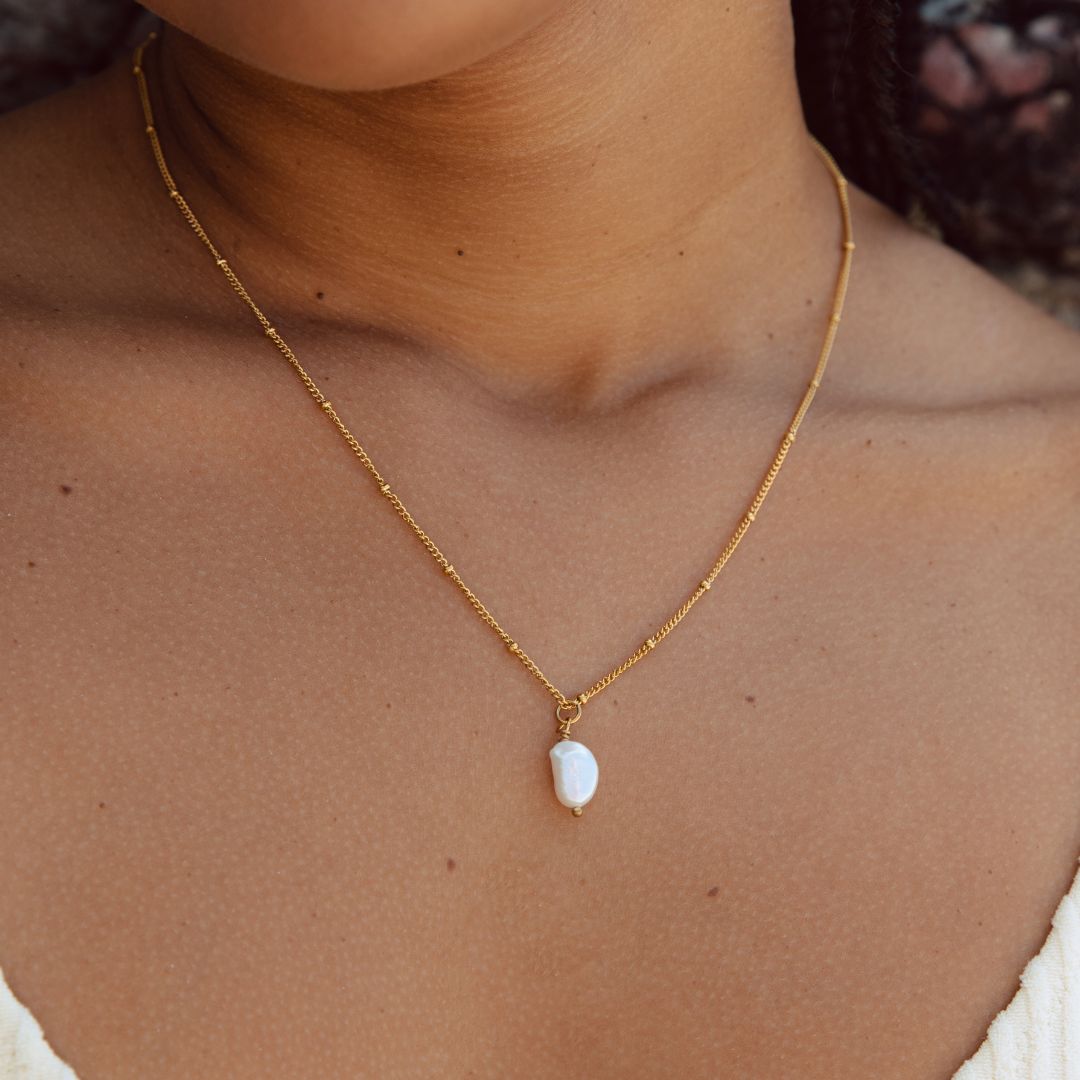
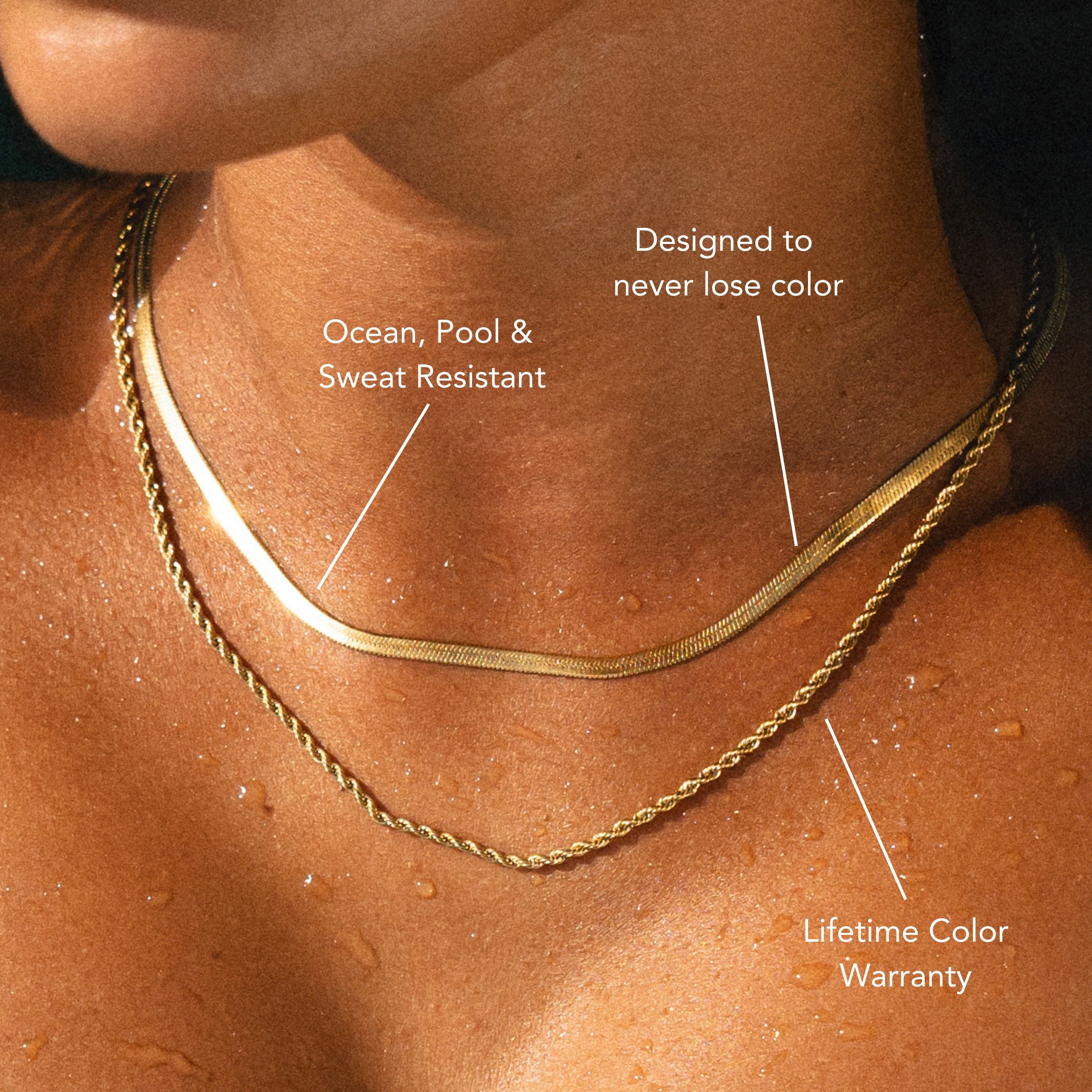
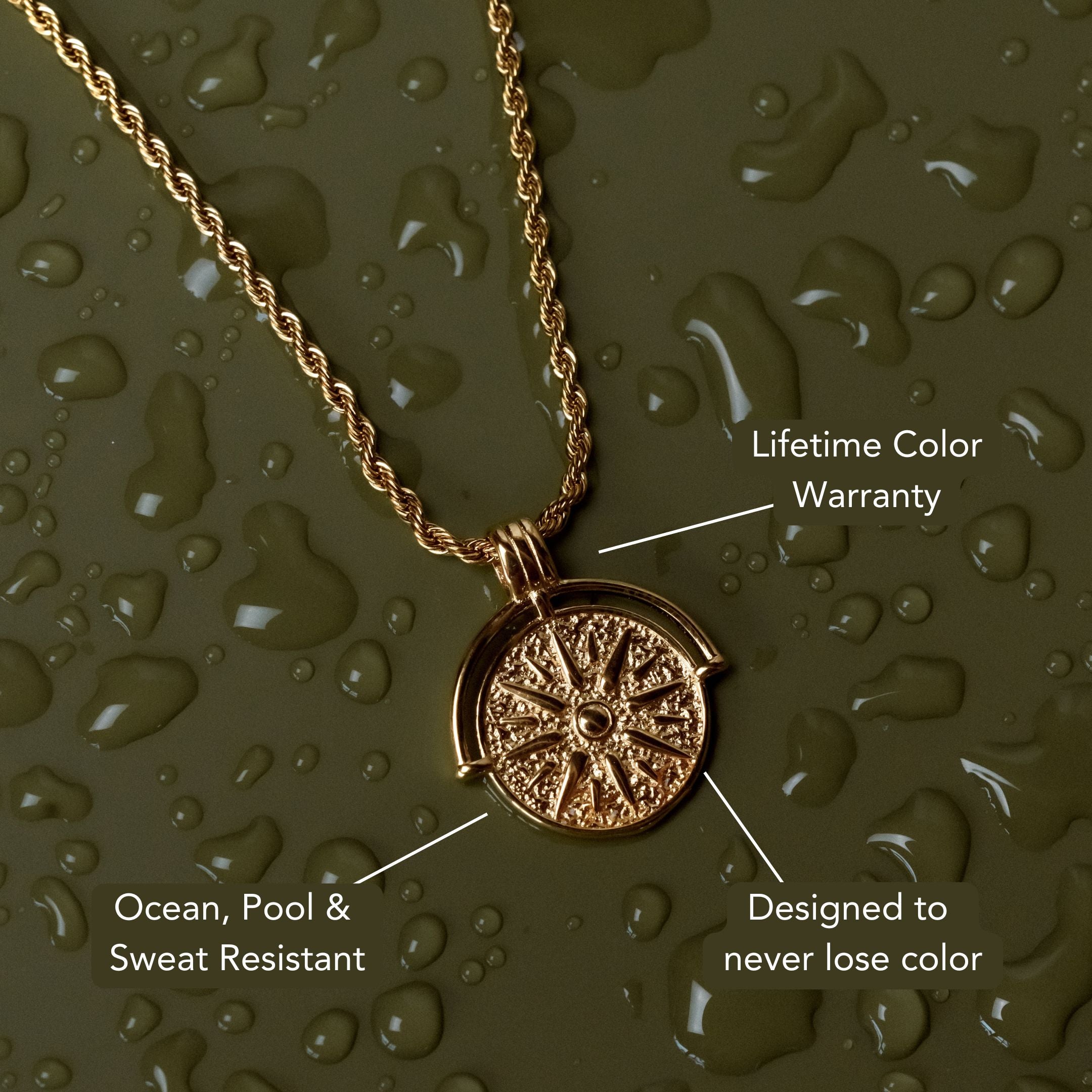
For jewelry that showcases genuine natural pearl color, the metal setting matters for how consistently the piece presents over time. PVD-coated stainless steel settings resist tarnishing around the pearl, keeping the metal framing consistent with the pearl's own natural luster and color through daily wear. ATOLEA's freshwater pearl collection features genuine natural color across white, pink, and lavender tones in that waterproof construction, with a lifetime color warranty on the metal elements of every piece.

Frequently Asked Questions
What is the rarest natural pearl color?
Golden South Sea pearls with strong, even saturation and Tahitian pearls with vivid peacock overtone, a combination of green and rose, are generally considered the rarest and most valuable natural pearl colors. True deep blue as a dominant body color is also among the rarer natural colors across all pearl types.
Are black pearls naturally black?
Genuine black pearls come from Pinctada margaritifera, the black-lipped oyster that produces Tahitian pearls, and their natural color ranges through dark charcoal, gray, and deeply saturated tones rather than pure jet black in most cases. Black pearls from other oyster or mussel species that lack this specific pigmentation are typically achieved through dyeing or irradiation rather than natural coloration.
Do freshwater pearls come in natural colors other than white?
Yes, extensively. Freshwater pearls naturally occur in white, cream, pink, lavender, and peach tones, making them one of the pearl types with the widest genuinely natural color range at accessible prices. This natural color variation is a genuine characteristic of freshwater pearl production rather than a treatment applied afterward.
How can you tell if a pearl's color is natural or dyed?
Dyed pearls sometimes show color concentrated around the drill hole, an unnaturally uniform saturation across the entire surface, or color that does not match the overtone and orient patterns typical for that pearl type. Reputable sellers disclose treatment status directly. For definitive verification, a gemological laboratory can distinguish natural from treated color through spectroscopic analysis.
What causes pink and lavender color in pearls?
Pink and lavender coloration in pearls, most commonly seen in freshwater pearls, results from specific trace mineral conditions and pigmentation factors present during nacre secretion in certain freshwater mussel populations. This is a genuine natural characteristic of freshwater pearl production, distinct from dyeing, though naturally lavender or pink pearls are sometimes further enhanced with dye to intensify an already-present natural tone.
Appreciating the Full Range of Natural Pearl Color
What colors do pearls come in naturally spans a genuinely wide spectrum: white and cream from Akoya and freshwater sources, pink and lavender distinctively from freshwater mussels, black through peacock green and aubergine from Tahitian oysters, and gold through the specific gold-lipped variety of South Sea oyster. Body color, overtone, and orient combine within each pearl to produce its full visual character, with species, water conditions, and trace minerals all contributing to the final result. Understanding this natural range, and knowing how to distinguish it from dyed and treated color, gives you the knowledge to choose and appreciate pearls with genuine confidence in what you are buying.









Leave a comment
This site is protected by hCaptcha and the hCaptcha Privacy Policy and Terms of Service apply.