

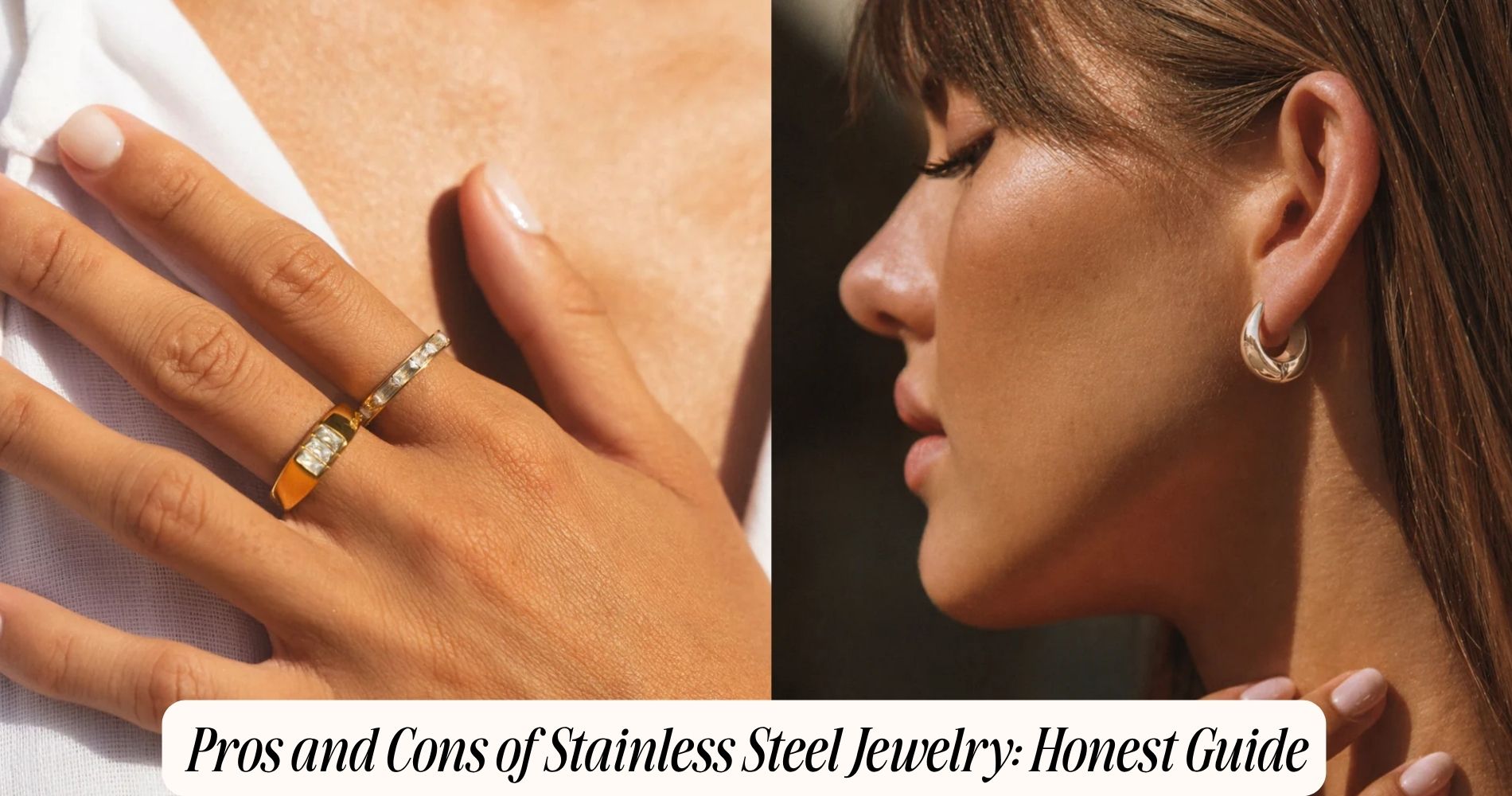
Pros and Cons of Stainless Steel Jewelry: Honest Guide
Stainless steel has become one of the most widely used materials in everyday jewelry, and the reasons are practical rather than fashionable. Before committing to a piece, it helps to understand what the material actually delivers and where it has real limitations. The pros and cons of stainless steel jewelry are specific and verifiable, not a matter of opinion. Waterproof Jewelry built on surgical-grade stainless steel sits at the center of this conversation. This guide covers both sides honestly so you can decide whether stainless steel is the right choice for how you actually wear jewelry.
What Stainless Steel Jewelry Actually Is
Not all stainless steel is the same. The term covers a broad family of iron-based alloys distinguished by their chromium content, which is what gives stainless steel its corrosion resistance. In jewelry, the relevant grade is 316L, also called surgical-grade or marine-grade stainless steel.
316L contains approximately 16 to 18 percent chromium, 10 to 14 percent nickel, and 2 to 3 percent molybdenum, with the remainder being iron and trace elements. The chromium content is what matters most: it reacts with oxygen to form a thin, stable chromium oxide layer on the surface that passivates the metal against further corrosion. That layer is self-renewing. If it is scratched or disrupted, it reforms when exposed to oxygen again.

The 316L designation specifically indicates a low-carbon variant that is more resistant to corrosion than standard 316 steel, particularly in environments with chloride exposure such as ocean water and pool water. This is why 316L is the standard for medical implants, surgical instruments, and body jewelry that remains in contact with tissue and fluid continuously.
Understanding this baseline helps you evaluate the pros and cons of stainless steel jewelry against the actual properties of the material rather than against general impressions of it.
The Pros of Stainless Steel Jewelry
Genuine tarnish and corrosion resistance
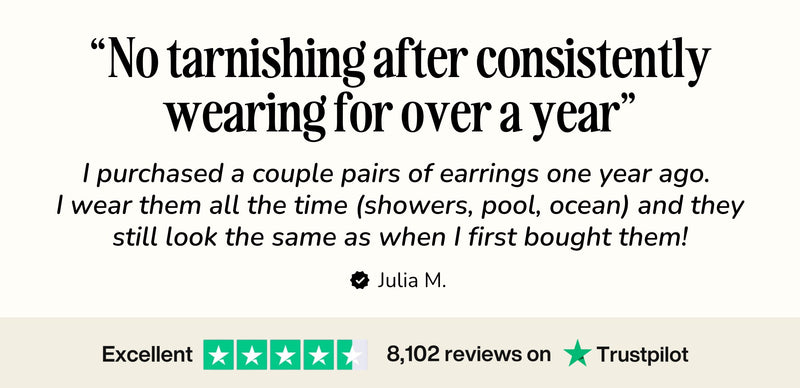
The chromium oxide layer on 316L stainless steel prevents tarnishing under normal daily wearing conditions including water, sweat, soap, and skincare product contact. Unlike sterling silver, which tarnishes through sulfur reactions, or brass-based plated jewelry, which corrodes once its plating wears through, stainless steel does not undergo those surface reactions. A stainless steel ring or necklace worn through daily showers, beach days, and gym sessions holds its structural appearance without the maintenance cycle that silver and plated pieces require.
Durability and scratch resistance
Stainless steel is significantly harder than gold, silver, and most other common jewelry metals. On the Mohs hardness scale, 316L stainless steel rates around 5.5 to 6.3, compared to 14k gold at approximately 3 to 4 and sterling silver at 2.5 to 3. That hardness means stainless steel jewelry resists the surface scratches that dull softer metals over time. A stainless steel chain or bracelet worn through daily activity, including gym use and travel, maintains its surface quality far longer than a gold or silver equivalent.
Hypoallergenic properties
316L stainless steel is widely recognized as hypoallergenic in the context of jewelry and medical use. Although it contains nickel in its alloy composition, the nickel is tightly bound within the alloy structure and does not leach in amounts sufficient to trigger reactions in most people with nickel sensitivity. For people who experience irritation from brass or copper-based fashion jewelry, stainless steel is a reliable step up in skin safety. Those with extreme nickel sensitivity should consider titanium as a fully nickel-free alternative.

Price accessibility
Stainless steel delivers durability and corrosion resistance at a price point that is a fraction of solid gold or platinum. For everyday jewelry worn through active conditions where loss or damage is possible, that price accessibility matters. It allows for a more complete jewelry wardrobe, including pieces worn through the ocean, pool sessions, and workouts, without the financial exposure that fine metals would involve.
Finish versatility with PVD coating
Stainless steel's natural finish is a cool silver-gray. Through PVD (Physical Vapor Deposition) coating, it can carry gold, rose gold, black, and other color finishes that bond at the molecular level rather than through standard electroplating. PVD coating on stainless steel produces a finish approximately 10 times thicker than standard gold plating, with the corrosion-resistant base providing structural support that plating over brass or copper cannot match. This combination allows stainless steel jewelry to deliver the appearance of gold or colored finishes with durability that standard plated pieces do not achieve.
The Cons of Stainless Steel Jewelry
Limited resizability
Stainless steel's hardness, which is an advantage for scratch resistance, creates a significant limitation for rings: it is very difficult to resize. Gold and silver rings can be sized up or down by a jeweler through standard processes. Stainless steel is too hard to manipulate in the same way with typical jewelry tools, which means a stainless steel ring that no longer fits correctly usually needs to be replaced rather than adjusted. Buying the correct size initially is therefore more important with stainless steel than with precious metal rings.
Weight
Stainless steel is denser than gold and significantly denser than titanium. A stainless steel bracelet or ring has more noticeable weight than a comparable piece in titanium or aluminum. For most people this is not a practical problem, but for those who prefer very lightweight jewelry or who wear multiple pieces simultaneously, the cumulative weight of stainless steel pieces is worth considering.
Natural finish limitations without coating
Uncoated stainless steel has one natural appearance: a cool silver-gray tone. It does not naturally lend itself to warm gold, rose gold, or colored finishes without a coating applied over it. For buyers who want a warm metal tone in a durable everyday piece, PVD coating is the solution, but it adds a layer of consideration about coating durability that does not apply to naturally warm-toned metals like gold.

Not equivalent to fine metals for value
Stainless steel jewelry does not carry the intrinsic material value of solid gold or platinum. For buyers who consider jewelry partly as a store of value or who want pieces that can be appraised or resold based on metal content, stainless steel is not the right material. It is a performance material rather than a precious one, and its value lies in its wearability rather than its metal content.
Who Stainless Steel Jewelry Is Best Suited For
The practical profile of stainless steel jewelry aligns well with specific wearing contexts and priorities.
It suits people who wear jewelry continuously through an active lifestyle. If your jewelry goes through daily gym sessions, ocean swimming, pool workouts, travel, and beach days without removal, stainless steel handles those conditions more reliably than any material at a comparable price point. The combination of corrosion resistance, scratch hardness, and skin safety makes it the most practical choice for continuous active wear.
It suits people who have experienced irritation or green skin discoloration from fashion jewelry. The step from brass-based plated jewelry to 316L stainless steel eliminates the reactive base metal that causes those issues without requiring the investment in fine metals.
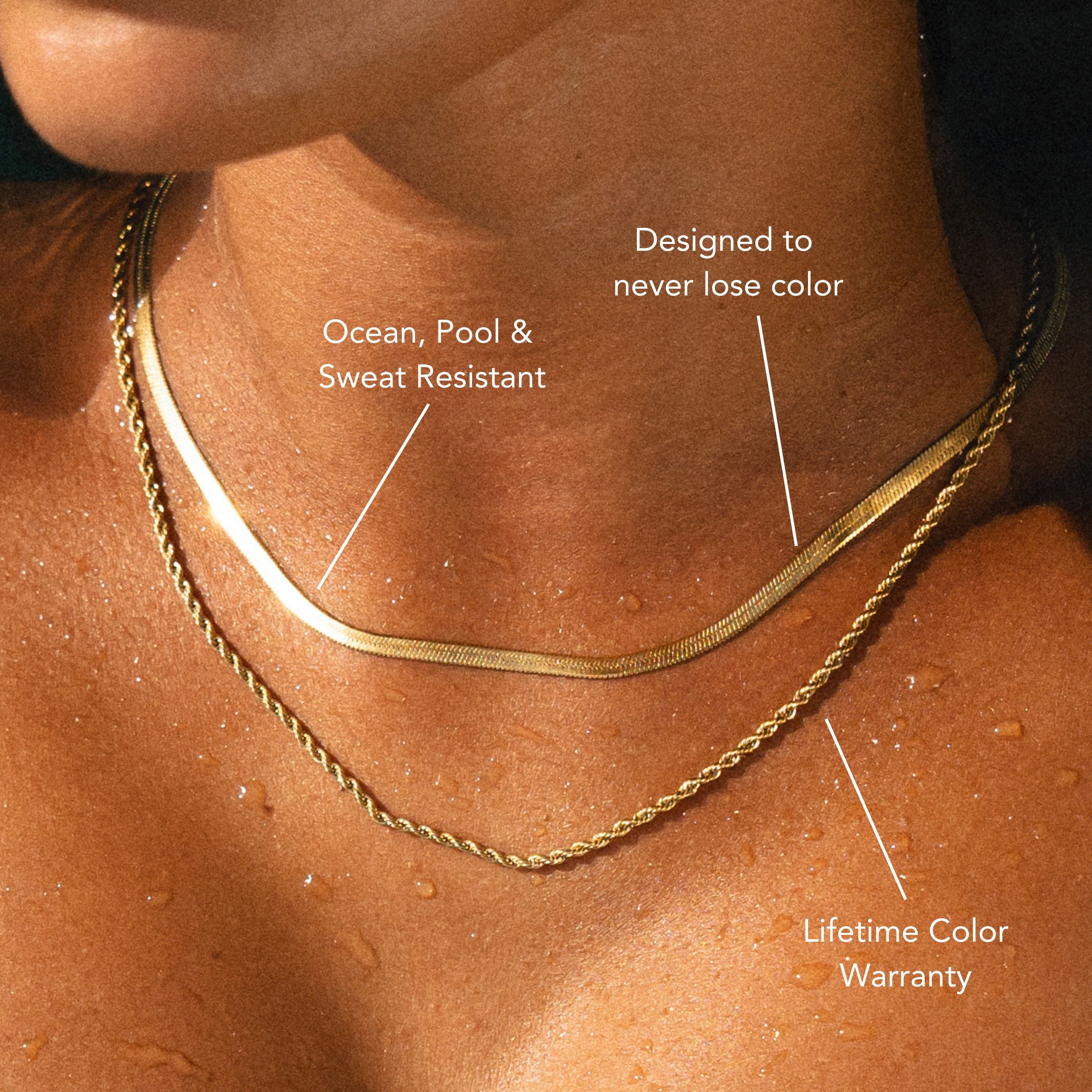
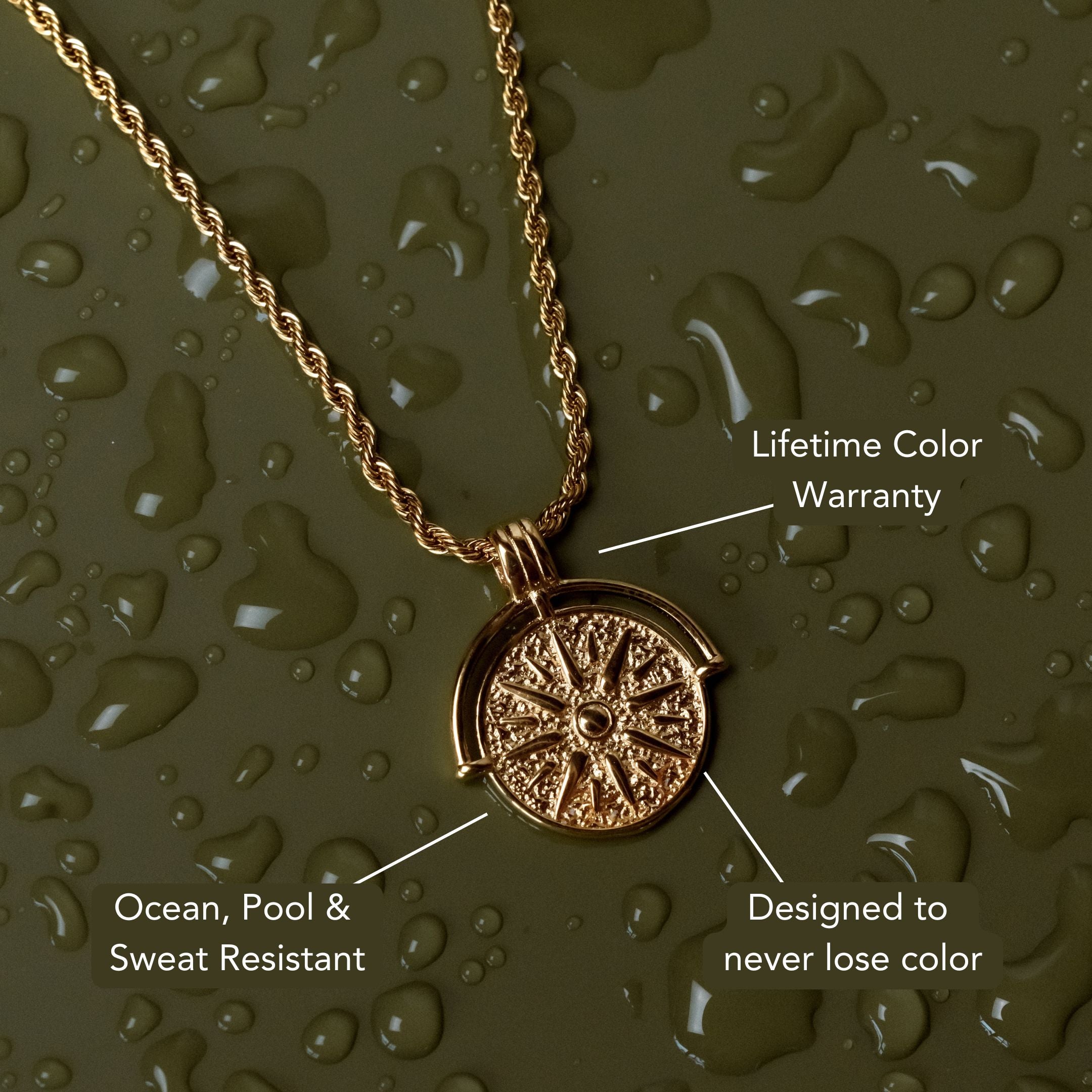
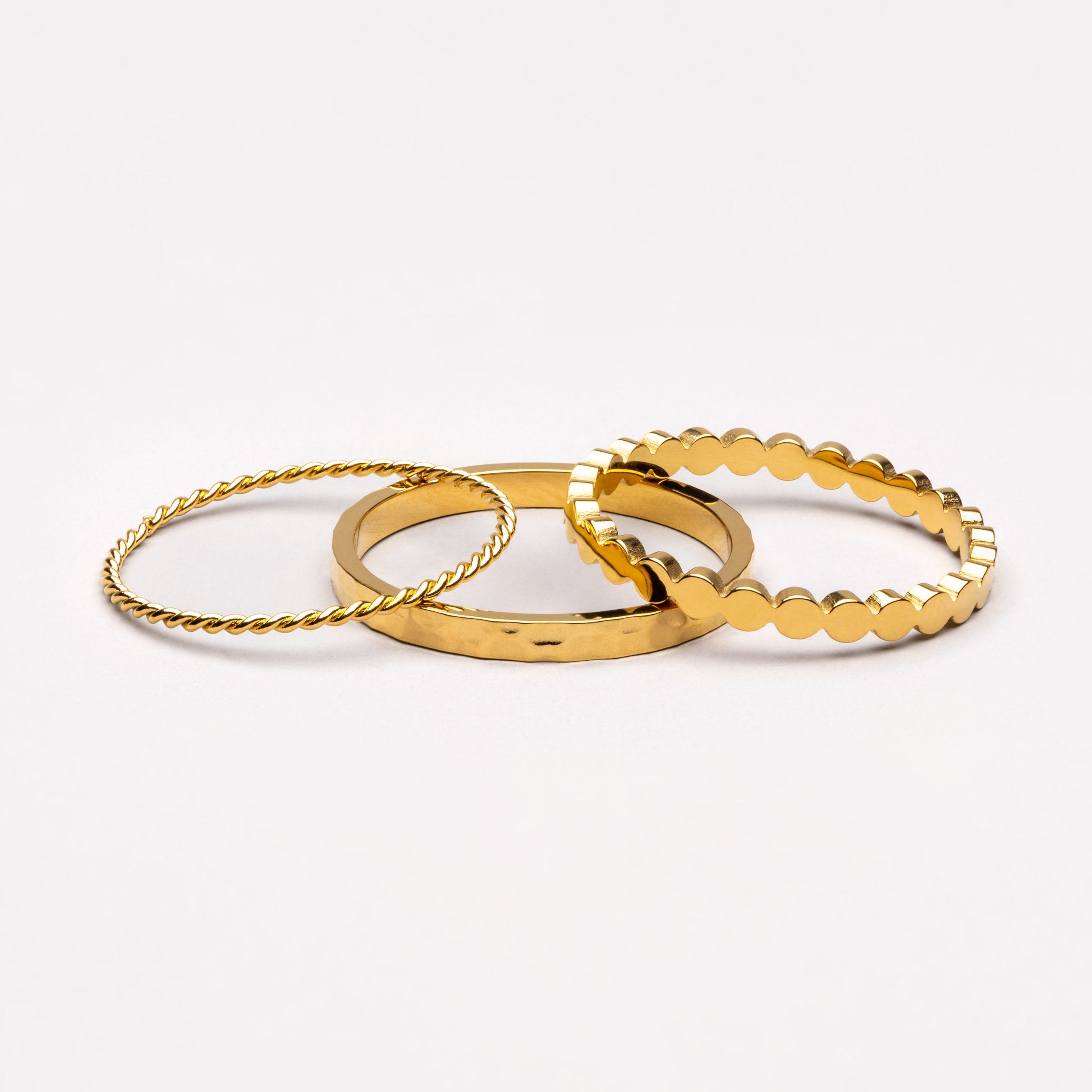
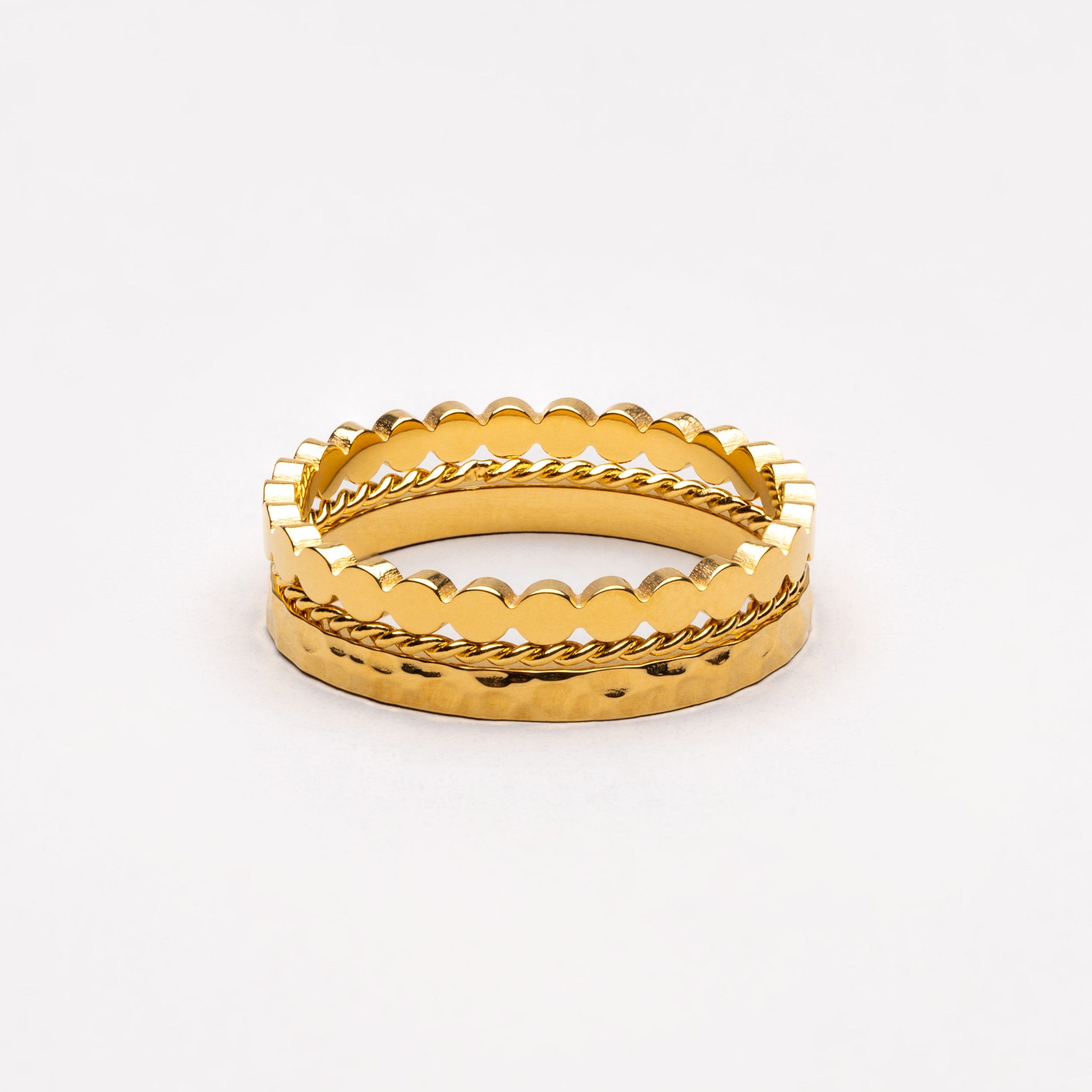
It suits people building an everyday jewelry wardrobe at accessible price points. ATOLEA's waterproof range uses PVD-coated 316L stainless steel across necklaces, rings, bracelets, earrings, and anklets, with a lifetime color warranty on every piece. That combination of material durability and finish guarantee makes it a practical foundation for daily wear jewelry that does not need to be managed carefully or replaced regularly.

Frequently Asked Questions
Is stainless steel jewelry good quality?
316L surgical-grade stainless steel is a genuinely high-performance material for jewelry. Its corrosion resistance, scratch hardness, and hypoallergenic properties are clinically verified through its use in medical implants and body jewelry. The quality of a stainless steel jewelry piece depends on the grade of steel used and, for colored finishes, the coating method applied over it.
Does stainless steel jewelry turn skin green?
No. The green discoloration associated with fashion jewelry comes from copper and brass base metals reacting with skin acids. 316L stainless steel does not contain exposed reactive copper at its surface and does not cause that reaction. It is one of the most reliable materials for avoiding skin discoloration through daily wear.
Can stainless steel jewelry get wet?
Yes. 316L stainless steel is designed for sustained water exposure. It is used in marine environments and medical settings specifically because of its resistance to corrosion in wet conditions. Stainless steel jewelry handles daily showers, pool swimming, ocean contact, and sweat without corroding, tarnishing, or losing its structural integrity.
How long does stainless steel jewelry last?
Structurally, 316L stainless steel does not degrade under normal wearing conditions. Uncoated stainless steel pieces maintain their appearance indefinitely with basic care. PVD-coated stainless steel pieces hold their color finish through years of daily wear, with brands like ATOLEA backing that durability with a lifetime color warranty.
Is stainless steel better than sterling silver for everyday jewelry?
For daily active wear, yes. Stainless steel outperforms sterling silver on tarnish resistance, water resistance, and scratch hardness. Sterling silver requires regular cleaning, careful storage, and removal before water exposure to maintain its appearance. Stainless steel requires none of those accommodations. For purely occasional wear with careful maintenance, sterling silver remains a viable option, but for continuous everyday use it does not compete with 316L stainless steel on practical durability.
Conclusion
The pros and cons of stainless steel jewelry point clearly toward a material that excels at practical daily wear and falls short primarily on resizability and intrinsic value. For buyers who prioritize tarnish resistance, water durability, scratch hardness, and skin safety through an active lifestyle including beach days, gym sessions, and travel, stainless steel delivers more per dollar than any comparable material. The limitations matter most to buyers with fine jewelry priorities. For everyone else, 316L stainless steel with a PVD finish is one of the most honest answers to the question of what everyday jewelry should actually be made from.










Leave a comment
This site is protected by hCaptcha and the hCaptcha Privacy Policy and Terms of Service apply.