


Necklace and Dress Matching Guide
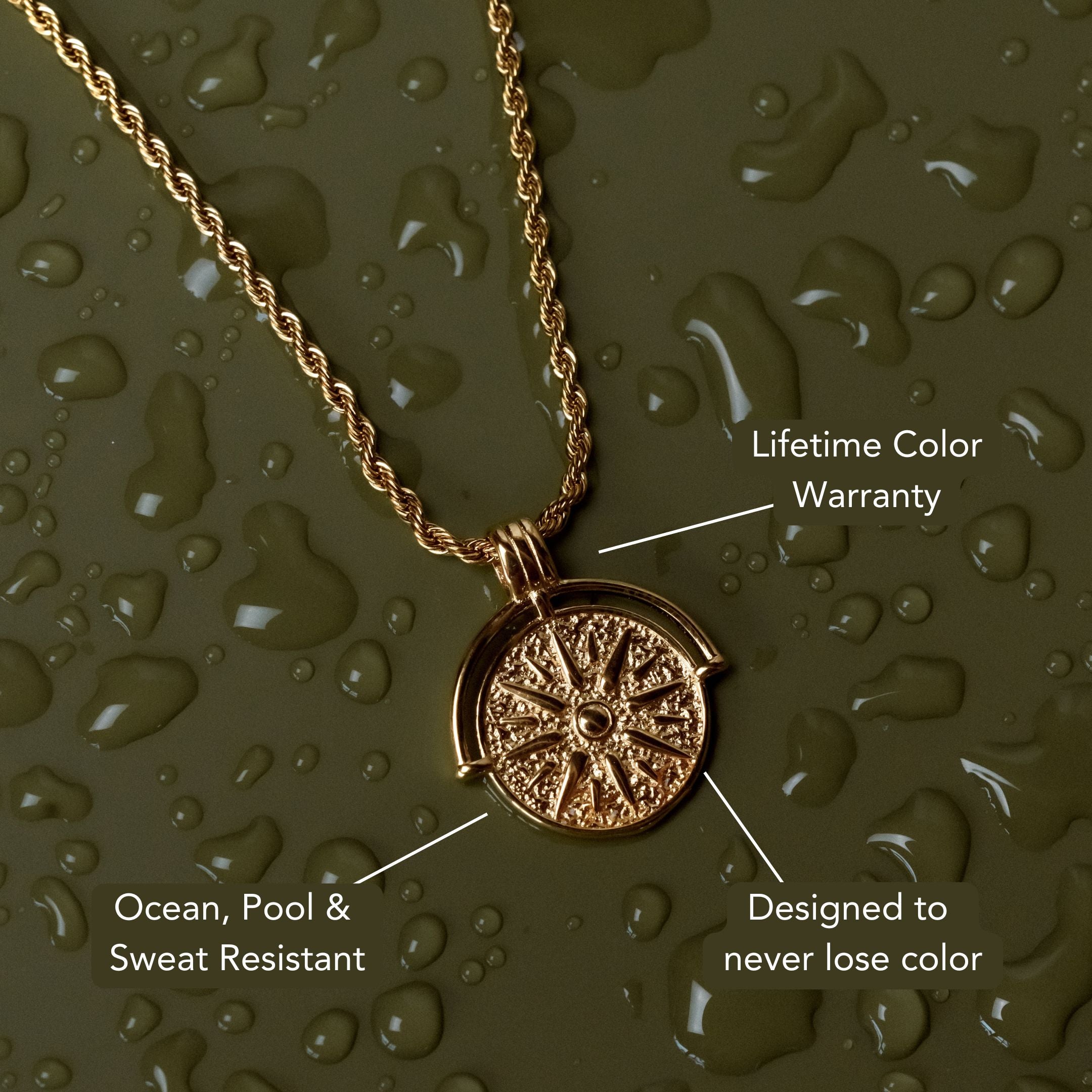
Create a polished look by styling your necklace and dress together with one clear focal point—whether that’s metal tone, length, or a standout pendant—so the pairing feels intentional and balanced. Match metals to your dress color, choose chokers or collars for high necklines, and opt for longer drops with low or V-neck styles. Keep pendant size proportional to the neckline and fabric weight, go minimal with busy prints, and experiment with layered delicate chains or bold statements on solid dresses. For effortless everyday elegance, explore our Minimalist Gold Necklace collection—then try each combo on and fine-tune length for the perfect finish.
Quick Pick: Which Necklace to Wear With a Dress
Not sure which necklace to grab? You’ll want a quick system: pick one focal point—metal, pendant, or texture—then check color coordination with your dress and accessories.
If the dress is bold, choose a sleek metal or single-stone pendant to avoid competing patterns. For muted dresses, layer delicate chains or a statement choker to add energy.
Think about occasion appropriateness: daytime events call for subtle pieces; evening affairs let you elevate sparkle.
Visualize scale—small features need dainty chains, large prints tolerate chunkier pieces.
Match the necklace’s vibe to your outfit’s mood: minimal for modern, ornate for romantic.
Keep one backup option in your bag so you can swap based on light and crowd.

Match Necklace Length to Your Neckline
Once you’ve picked the focal point—metal, pendant, or texture—you’ll want to match necklace length to the neckline so the piece sits like it was made for the dress.
Picture the silhouette: collarbones, plunge, or high crew, and choose a length that frames rather than competes. Use a shorter choker or collar to accent high necklines and let longer chains drape into lower cuts, creating clean visual lines.
When you mix pieces, apply smart layering techniques—vary needle-thin chains with chunkier links and stagger lengths by 2–4 inches so each sits distinct.
Consider scale: petite pendants suit delicate necklines, bold pieces demand open canvases.
Study neckline types and plan lengths that guide the eye to your dress’s strongest detail.
Best Necklace Styles for V, Scoop, Boat, Halter, Strapless
Which necklace makes a V-neck sing, or a strapless dress feel finished? Picture a sharp pendant tracing the V; v neck necklaces should echo that line, drawing the eye down for elongation.
For rounded silhouettes, scoop neckpieces work best—think short, curved chains or collars that mirror the neckline’s arc.
With wide, horizontal cuts, choose boat neck adornments that sit close to the collarbone or rest slightly above the neckline to balance shoulders.
Halter styles call for minimal, vertical pieces or choker-like accents that don’t compete with the straps; prioritize clean lines.
For strapless jewelry, go bold or delicate depending on the dress: statement collars fill empty space, while single drops maintain elegance.
Match scale to neckline shape, keep proportions sharp, and let the necklace finish the look.

Choose the Right Pendant Size and Chain Thickness
Pick a pendant and chain that speak in the same visual language as your outfit: thin chains with small, delicate pendants feel modern and understated, while thicker chains and larger drops read bold and intentional.
You’ll want to reflect on pendant proportions relative to your neckline — tiny charms suit clean collars, mid-sized drops sit well with open necks, and statement pendants anchor simpler silhouettes.
Evaluate chain styles: box and snake chains read sleek; curb and rope feel edgy and tactile. Match metal weight to fabric sheen so the necklace doesn't look lightweight against heavy textures.
Think about movement: a longer pendant should swing freely without catching. Try combinations in front of a mirror, then tweak length and thickness until the balance feels deliberate and effortless.
Match Necklaces to Dress Scale and Fabric Weight
After you’ve sorted pendant size and chain heft, think about how your necklace will behave against the dress’s scale and fabric weight.
You’ll want to match visual density: lightweight chiffons and slips pair best with fine, airy chains that float without weighing prints down. For textured knits or heavy brocades, choose proportionally bolder pieces so the necklace reads against dense fabric.
Consider scale considerations like pattern size and neckline width—tiny florals suit dainty jewels; large geometrics need stronger shapes.
Check fabric compatibility: avoid delicate chains on rough weaves that snag, and favor smooth backings for statement collars.
Finally, test movement—let the necklace settle on the dress and adjust length or clasp placement until the balance feels intentional.
Statement vs. Delicate: When to Choose Which
When you want your outfit to make a clear statement, choose a bold necklace that anchors the look; when you need the dress to stay center stage, go delicate so it whispers rather than shouts.
For statement occasions pick one sculptural piece—think oversized chain, gemstone bib, or graphic collar—that contrasts your dress color and silhouette, creating a focal point.
For lighter fabrics or busy prints, favor delicate layering: stacked thin chains, tiny pendants, or a single fine choker that echoes neckline lines without competing.
Visualize weight and movement: heavy pieces ground structured dresses, while featherlight chains float over silk or chiffon.
Trust proportion—scale the necklace to your torso—and edit accessories so your chosen vibe reads clear and modern.
Necklace Rules for Formal Events, Work, and Casual Outfits
Although each setting calls for its own visual language, you'll want necklaces that read instantly appropriate: formal events demand refined, statement-making pieces that sit cleanly with gowns (think a single dramatic pendant, a diamond collar, or a sculptural bib in balanced proportion).
The workplace benefits from polished, low-noise options like small hoops, delicate chains with a modest pendant, or a subtle bar that won't distract in meetings.
Casual days invite playful layering, mixed metals, or textured chains that move with you. For formal occasions pick proportion: collar length for strapless, single pendant for V-necks, and avoid clutter.
At work choose restrained metals and tidy clasps. For casual outings favor movement, varied lengths, and pieces that frame your everyday neckline without overpowering it.

Mix Metals, Gems, and Colors Without Clashing
Because mixing metals, gems, and colors is about intentional contrast rather than accidental clashing, start by picking one dominant element—metal tone, gemstone hue, or color family—and let the others play supporting roles.
You’ll create a curated look if you anchor with a primary metal, then introduce one accent metal in a thoughtful metal combinations pattern: think gold chain with silver pendants or rose-gold links threaded through yellow-gold details.
Balance gemstone intensity by echoing a tiny facet of the dress color in a secondary stone for subtle color harmony.
Keep scales consistent: chunky necklaces with bold gems, delicate chains with small stones.
Use repeated shapes or a unifying matte or polished finish to tie pieces together so the mix reads intentional, modern, and visually cohesive rather than chaotic.
Fix Common Problems: Tangles, Movement, and Visible Clasps
Pairing metals and gems looks intentional until a tangled chain or flashing clasp ruins the silhouette—so keep the finish as neat as the palette. You’ll want quick tangle prevention: layer chains of differing lengths and weights, anchor pendants with silicone stoppers, and store each strand flat or hanging to avoid knots before you dress.
Combat movement by choosing slightly heavier chains or adding discreet extenders so necklaces sit flush against fabric instead of swinging. For clasp concealment, rotate clasps to the back, tuck them under a collar, or swap large hooks for tiny lobster clasps that hide in hair or behind lace.
Inspect in a mirror with movement—turn, lean, walk—to ascertain everything stays put and your neckline reads clean and curated.
Two‑Minute Checklist: Pick a Necklace Fast
Need a necklace in two minutes? Scan your dress silhouette: V-neck = pendant, crew = choker, scoop = short chain. Check neckline width—don’t crowd or disappear. Match scale: delicate chains suit lightweight fabrics; bold collars pair with structured dresses.
Next, consult necklace trends: layered dainty pieces or single sculptural pendants—pick one approach, don’t mix. For color coordination, pick metal and stone tones that echo or contrast your outfit—warm gold with earth tones, cool silver with jewel hues; a pop-color pendant can anchor a neutral dress.
Consider length vs. focal point: pendant should hit the visual sweet spot of the neckline. Fast-fit rule: try it on, move your head, and finalize. You’re ready.
Frequently Asked Questions
Can a Necklace Flatter Different Body Types Beyond Necklines?
Yes — you can use necklace proportions to flatter body shape: choose lengths and focal points that balance shoulders, elongate torsos, or add curves; you’ll create intentional silhouettes that feel modern, sculptural, and visually polished.
How to Store Necklaces to Prevent Long-Term Damage?
You should use dedicated storage solutions—soft pouches, hanging organizers, and compartmentalized trays—to prevent damage. Lay pieces flat, separate metals and gems, avoid humidity, and clean before storing so they'll stay tarnish-free and kink-free.
Are There Necklace Styles to Avoid With Jewelry Allergies?
Yes — you should avoid nickel, brass, and cheap alloys; pick allergy friendly materials like titanium, surgical steel, or 14k gold. Combine that with jewelry care tips: clean gently, store separately, and swap pieces after workouts.
Can Necklaces Be Resized or Repaired at Home Safely?
Yes — you can safely tackle simple repairs and resizing at home if you use proper necklace tools and follow gentle resizing techniques; you’ll want good lighting, steady hands, magnification, and practice on inexpensive pieces first.
What Necklaces Work With Patterned or Embellished Dresses?
Pick delicate pieces for patterned or embellished dresses: you’ll avoid statement necklaces that compete; instead use subtle layering techniques with thin chains, small pendants, or a single minimalist choker to keep focus on the dress.
Conclusion
You’ve got the tools to finish any look fast: match necklace length to your neckline, pick a pendant that suits the dress scale, and balance chain thickness with fabric weight. For formal vs. casual, keep proportions and sparkle in mind; mix metals and gems confidently, but let one piece dominate. Fix tangles, hide clasps, and choose movement that flatters. Use the two‑minute checklist and walk out feeling polished, modern, and totally you.











Leave a comment
This site is protected by hCaptcha and the hCaptcha Privacy Policy and Terms of Service apply.