


Natural Types of Pearls Explained
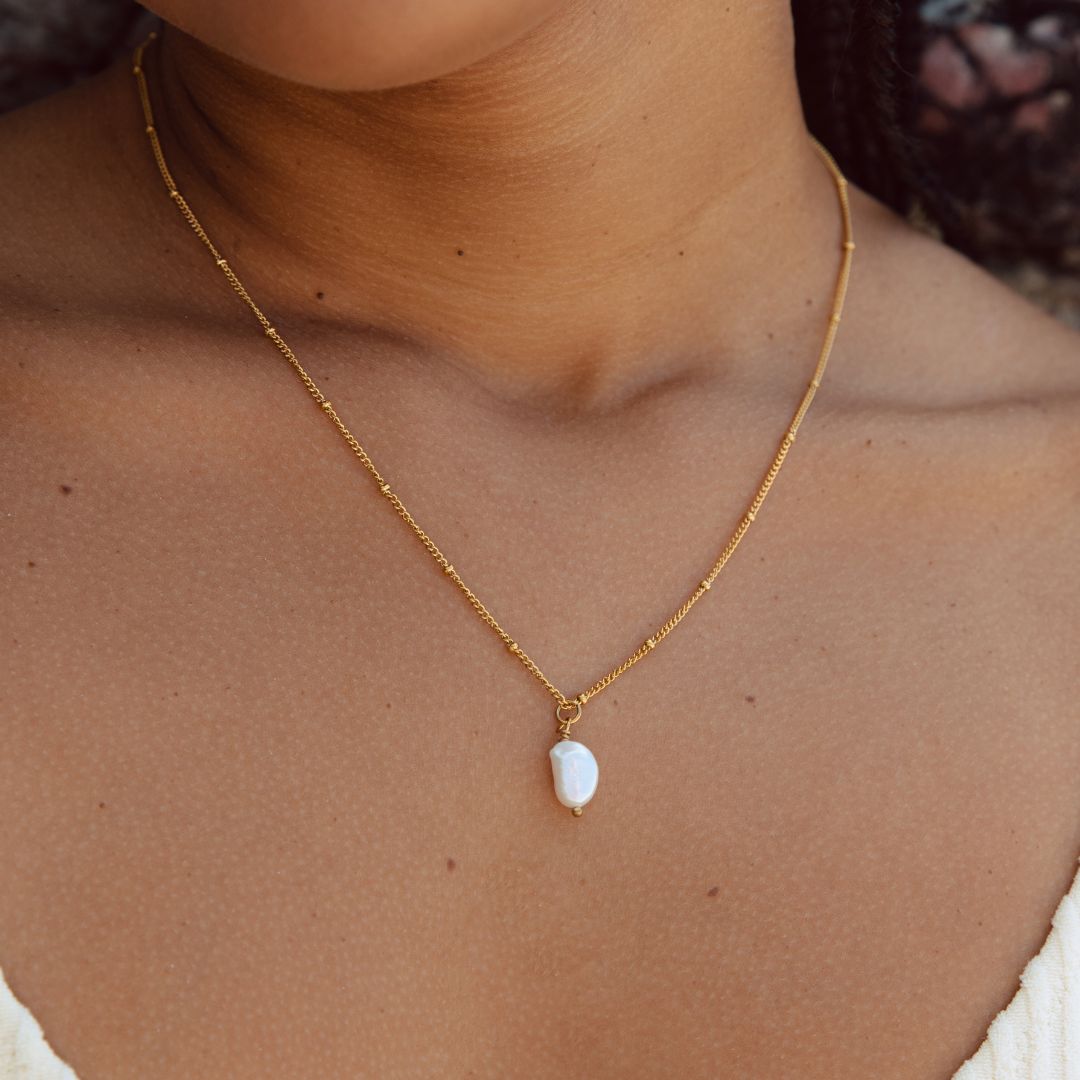
Learn about natural types of pearls by understanding how they form inside mollusks without human intervention—layering concentric nacre around an organic irritant and creating irregular internal structures visible on X-ray. You can distinguish them from cultured pearls such as Akoya, Tahitian, South Sea, and freshwater varieties by their rarity, nacre thickness, luster depth, and natural surface characteristics. Cultured pearls typically show a bead nucleus and more uniform layering, while treated pearls may reveal bleaching or dye traces. For everyday elegance inspired by pearl beauty, explore our Freshwater Pearls Jewelry collection—then continue for clear comparisons, grading tips, and smart buying guidance.
What “Natural Pearls” Mean and Why It Matters
When gemmologists talk about "natural pearls," they mean gems formed wholly by biological processes inside a mollusc without any human-initiated nucleus or shaping; knowing this distinction matters because natural pearls differ in internal structure, rarity, and valuation from cultured or treated pearls, and those differences determine how you assess origin, durability, and market price.
You’ll recognize natural pearl formation by concentric nacre layers deposited around an organic irritant, producing irregular internal growth patterns visible under X-ray or CT. You should weigh documented provenance and microstructural analysis when assigning grade and value, since scarcity drives premium pricing.
You’ll also note the historical significance: natural pearls dominated antique inventories and shaped trade routes, so verified specimens carry both gemological and cultural provenance.

Compare Akoya, Tahitian, and South Sea Pearls
Three main cultured saltwater pearls—Akoya, Tahitian, and South Sea—offer distinct combinations of size, nacre thickness, luster, and color that determine their use and market value.
You’ll note akoya characteristics include smaller diameters (usually 6–8 mm), high-reflective pearl luster, and relatively thin but uniform nacre over a bead nucleus; they suit classic strand and stud applications.
Tahitian origins in French Polynesia yield larger, naturally dark-hued pearls (8–14 mm) with gray to green overtone ranges and moderate to high luster, used for statement pieces.
South Sea differences are apparent in size (9–16+ mm), thick nacre layers, softer luster with satiny sheen, and white to golden palettes, making them premium for single-pearl pendants and high-end designs.
Freshwater Pearl Types: Colors, Shapes, and Uses
Saltwater varieties highlight size, nacre, luster, and color; freshwater pearls shift the balance toward shape diversity and color range driven by different mollusk species and culturing methods.
You’ll note distinct color variations—from pure white and cream to pastel pinks, lavenders, and deeper peach tones—resulting from species genetics and controlled water chemistry.
Shape classifications include round, near-round, button, drop, baroque, and rice; each form corresponds to implantation technique and mantle tissue behavior.
You’ll select shapes for design intent: rounds for symmetry, baroque for sculptural pieces, rice for bead strands.
Uses span delicate single-stone settings, multi-strand necklaces, and contemporary, organic jewelry.
When evaluating freshwater pearls, you’ll prioritize documented origin, consistent color variations, and precise shape classifications.

Nacre, Luster, and Surface: How They Affect Value
Because nacre thickness, luster quality, and surface condition interact directly, you’ll assess them together to determine a pearl’s value rather than in isolation.
You measure nacre thickness with calipers or X-ray imaging; thicker nacre usually yields deeper orient and better durability.
You evaluate luster grading by observing reflected light intensity and sharpness of reflections; high grades show crisp, mirror-like highlights.
Surface condition is quantified by percentage of blemish-free area and type of imperfections—pit, scratch, or calcification—since these disrupt reflection and reduce optical depth.
Combine metrics: a pearl with adequate nacre thickness but poor surface defects or low luster grading loses value relative to a cleaner, thinner-nacred specimen with superior luster.
Document measurements for consistent valuation.
Identify Natural, Cultured, and Treated Pearls
Having measured nacre, luster, and surface, you'll next determine whether a pearl is natural, cultured, or has undergone treatments—each category carries distinct formation markers and diagnostic signatures.
You examine growth structure: natural pearl characteristics include concentric, irregular layering without a nucleation bead; radiographs show complex internal stratification from spontaneous pearl formation processes.
Cultured pearls display a discrete round nucleus or bead shadow with uniform nacre overgrowth; cultured pearl production follows controlled pearl formation processes initiated by surgical implantation.
Treated pearls reveal surface diffusion, bleaching, or dyeing evidence—uneven coloration, altered refractive response, or residual treatment agents detectable by spectroscopy and microscopy.
You correlate visual inspection with X-ray, UV, and spectroscopic tests to assign category confidently and reproducibly.

Choosing Pearls: Style, Budget, and Occasion
How will you match a pearl to an outfit, budget, and event without compromising the diagnostic qualities you’ve already assessed? You evaluate size, luster, surface, and color against practical constraints.
For daywear choose smaller, high-luster pearls that won’t overwhelm casual proportions; for formal events select larger, cleaner specimens. Balance your budget by prioritizing luster and nacre thickness over absolute size—those factors most affect perceived quality.
Track pearl trends for silhouette and color preferences, but let measured diagnostics guide purchase. When using fashion tips, coordinate metal settings and strand length to garment neckline and activity level.
Inspect clasps and drill integrity for durability. Document provenance and treatment disclosure; that data preserves resale value and guarantees your choice meets both aesthetic and technical standards.
Frequently Asked Questions
How Should I Store Pearls to Prevent Damage?
You should store pearls flat in a soft, breathable pouch to prevent abrasion; avoid plastic, chemicals, heat, and humidity. For proper pearl care, keep them separate, wipe with a damp cloth after wear, and restring periodically.
Can Pearls Cause Allergic Reactions?
Yes — you can develop pearl allergies causing skin reactions from metal clasps, adhesives, or treatments; pearls themselves rarely trigger immune responses, but contaminants or worn settings often provoke dermatitis, so test metals and clean regularly.
Do Pearl Colors Change Over Time?
Yes — pearls can subtly change over time due to wear, light exposure, humidity, and body oils. You’ll observe shifts in pearl color variations and decreased pearl luster factors if surface layers erode or get contaminated.
How Can I Tell if Pearls Are Real at Home?
You can test pearls at home: perform pearl testing by rubbing two together for gritty surface, inspect under magnification for concentric growth rings, check authenticity signs like weight, coolness to touch, and slight irregularities in shape and luster.
Are There Ethical Concerns With Pearl Farming?
Yes — you should consider ethical concerns: sustainable practices and animal welfare matter because farming can damage ecosystems, stress mollusks, and use chemicals; you'll assess certifications, farming methods, and supply-chain transparency to judge impacts.
Conclusion
Now that you know natural pearls form without human intervention and differ from cultured and treated types, you can evaluate pearls more precisely. Consider species—Akoya, Tahitian, South Sea, freshwater—then assess nacre thickness, luster, surface condition, and shape to gauge value. Match those technical attributes to your aesthetic and budget constraints for the intended occasion. With this analytical approach, you’ll select pearls that meet both objective quality criteria and your stylistic requirements.











Leave a comment
This site is protected by hCaptcha and the hCaptcha Privacy Policy and Terms of Service apply.