

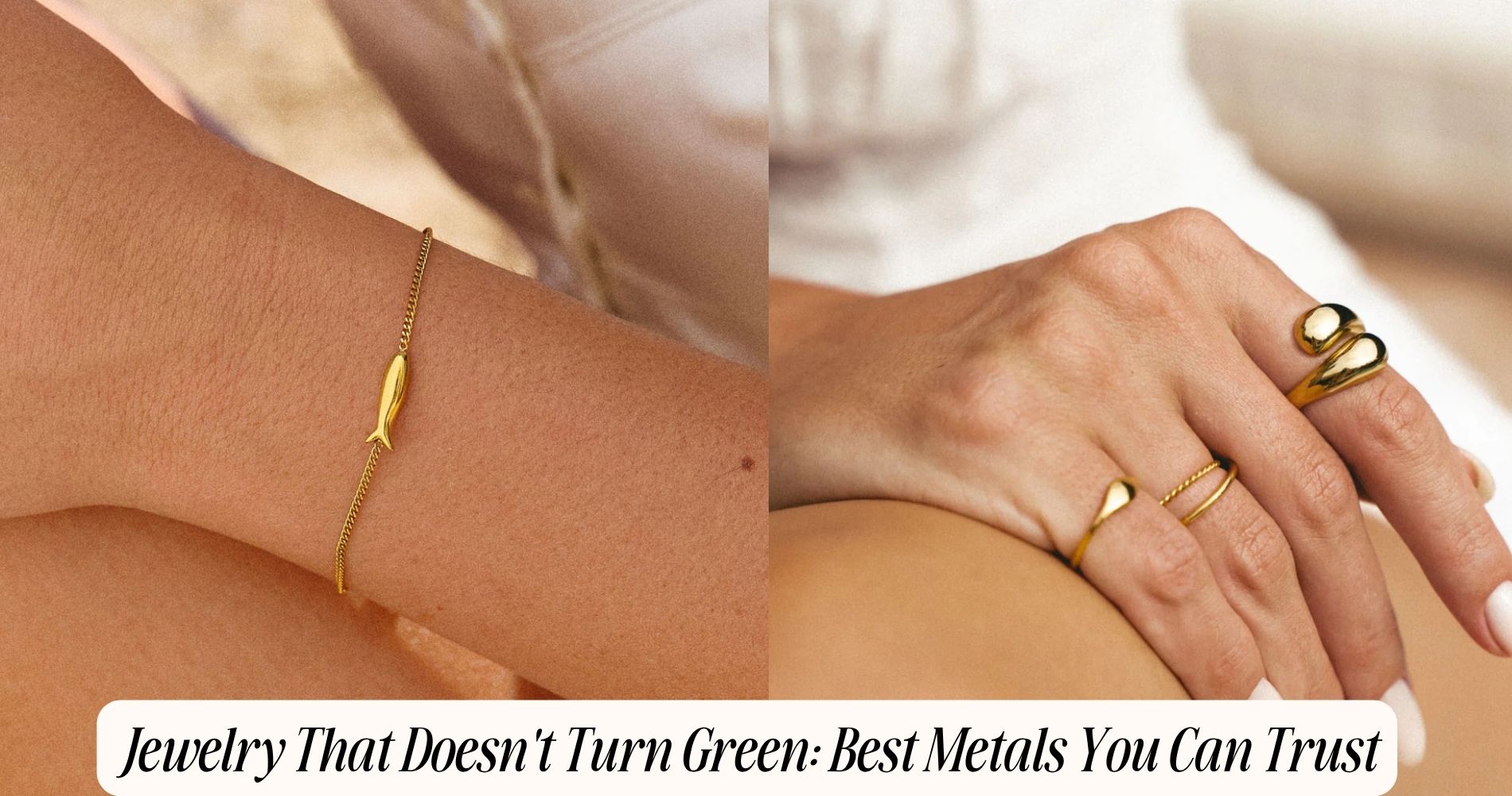
Jewelry That Doesn't Turn Green: Best Metals You Can Trust
Choosing jewelry that doesn't turn green starts with selecting high-quality, corrosion-resistant metals like solid 14K+ gold, platinum, titanium, high-grade stainless steel, sterling or Argentium silver, and palladium. These materials are less likely to react with moisture or skin, helping prevent discoloration. In contrast, low-karat gold, cheap copper alloys, and nickel-plated pieces can oxidize and leave green marks on your skin. Look for trusted hallmarks such as 14K, 925, or PT950, keep your jewelry dry, and clean it gently. For added skin-friendly reliability, options like those in the Hypoallergenic Jewelry collection are designed to minimize reactions while maintaining lasting wear. Keep reading to discover simple tests, care tips, and easy fixes for maintaining jewelry that doesn't turn green.
Metals That Rarely Turn Skin Green
When you're choosing jewelry that won't turn your skin green, stick with metals that resist corrosion and don't leach copper or nickel.
Sterling silver, solid gold (14K and above), platinum, and titanium are reliable options because their alloy compositions and surface stability minimize reactive metal release.
You’ll want to avoid inexpensive copper alloys and nickel-plated pieces if you have nickel sensitivity, since those release ions that stain skin.
Sterling silver can darken but rarely causes green discoloration unless heavily mixed with copper alloys.
Solid 14K+ gold and platinum are inert for most people; titanium is lightweight, highly biocompatible, and won’t corrode.
Check hallmark stamps and ask sellers about alloy content so you can pick pieces that stay both attractive and skin-friendly.

Why Jewelry Turns Your Skin Green
If you've picked metals like sterling silver, solid gold, or titanium to avoid green stains, it's helpful to understand what's causing that discoloration in the first place.
When jewelry contacts your skin, moisture, sweat, and acidic body chemistry can trigger chemical reactions with metal alloys in the piece. Copper and low-karat gold alloys oxidize or corrode, producing green copper salts that transfer to your skin.
Those green marks aren't usually allergic reactions, but they can accompany true skin reactions if you react to nickel or other alloy components.
Coatings and plating slow the process but wear off over time, exposing reactive alloys.
To prevent staining, keep jewelry dry, clean regularly, and choose pieces with inert metals or high-quality plating that minimize alloy exposure.
Gold That Won’t Turn Your Skin Green
Because pure gold doesn’t react with sweat or air, choosing higher-karat pieces or solid gold jewelry is the most reliable way to avoid green stains on your skin.
You should check gold purity—24K is pure, 18K and 14K mix purity with durability. Lower karats contain more base metals; that alloy composition (copper, nickel, zinc) influences whether the metal will corrode and stain you.
If you’re prone to discoloration, opt for 18K or higher for everyday wear, or pick vermeil with verified thick gold plating over sterling core for budget options.
Inspect hallmarks and ask sellers about alloy composition to confirm metal content.
Proper care—keeping gold dry and cleaned—also minimizes any reaction and preserves appearance.
Silver Choices: Sterling, Argentium, and Care Tips
Silver jewelry offers a range of practical options—sterling for classic affordability and Argentium for improved tarnish resistance—so you can pick pieces that suit your wear habits and maintenance preferences.
When you choose sterling quality, you’re getting 92.5% silver alloyed for strength; it’s affordable, repairable, and widely stamped “925.” Expect normal tarnish from sulfur exposure; simple cleaning with a soft cloth or mild silver polish restores shine.
Argentium advantages include increased hardness and much slower tarnishing because of its germanium content, so you’ll clean less often and enjoy longer-lasting luster.
Store silver in anti-tarnish pouches, avoid chlorinated water and perfumes, and dry pieces thoroughly after sweating. Regular, gentle care keeps both sterling and Argentium looking great without turning your skin green.

Stainless Steel & Titanium : Hypoallergenic Everyday Picks
After covering silver options and care, you’ll find stainless steel and titanium offer low-maintenance, hypoallergenic alternatives for everyday wear.
You’ll appreciate stainless steel benefits: corrosion resistance, scratch tolerance, and color stability that won’t react with skin oils or perfumes, so rings and bracelets stay looking new.
Titanium stands out for titanium durability and lightness—it's strong yet featherweight, so you'll forget you're wearing it while it resists bending and scratches.
Both metals are nickel-free or use stabilized alloys, reducing allergic reactions; still check specs if you have severe sensitivities.
They clean easily with mild soap and a soft brush, and they don’t tarnish like base metals.
Choose polished or brushed finishes for style without sacrificing longevity or skin safety.
Platinum & Palladium : Durable, Tarnish‑Resistant Metals
Two noble metals—platinum and palladium—give you premium durability and real tarnish resistance for jewelry that lasts a lifetime.
You’ll appreciate platinum benefits like extreme hardness, hypoallergenic purity, and a dense weight that resists scratches and wears well over decades. Its natural whiteness won’t oxidize, so settings stay secure and gemstones remain showcased without constant replating.
Palladium properties offer a lighter alternative: you get similar tarnish resistance, natural white tone, and good ductility for fine details.
Palladium is less dense than platinum, so rings feel lighter while still resisting corrosion. Both metals won’t turn your skin green, react with acids, or require frequent maintenance.
Choose either metal when you want long-term performance and low upkeep in everyday wear.
How to Test Jewelry Before You Buy
Before you commit, test the piece to confirm metal type, durability, and comfort so you won't face surprises later.
Check for metal markings like 925, 14K, PT950, or PD symbols; they’re the quickest clue to jewelry authenticity.
Inspect solder joints, clasps, and prongs—tight, clean work signals durability.
Wear the item briefly to assess weight and comfort; genuine metals feel solid and balance on the finger or chain.
If the price seems too good, ask for a certificate or a professional appraisal.
Use a loupe to spot plating wear or greenish tint near settings; that indicates base metal beneath plating.
When in doubt, request a simple acid test or electronic assay from a trusted jeweler before purchase.

Practical Care and Quick Fixes to Stop Green Stains
Once you’ve confirmed metal type and inspected for plating wear, you can take simple steps to prevent or remove green stains without specialist tools.
First, preventive measures: keep jewelry dry, remove pieces before swimming or exercising, and store them in anti-tarnish pouches or sealed bags with silica packets.
Clean regularly with a soft cloth and mild soap to remove oils and sweat that cause corrosion.
For instant remedies, dab the stain with diluted white vinegar or lemon juice, rinse quickly, and dry thoroughly; use a baking soda paste for stubborn spots, gently rub, then rinse.
If plating is thin or damage recurs, replate or replace the piece.
Track results so you identify habits that trigger discoloration.
Frequently Asked Questions
Can Costume Jewelry Be Coated to Permanently Prevent Green Stains?
Yes—you can coat costume jewelry to greatly reduce green stains, but no coating is truly permanent. You’ll use techniques like clear lacquer, electroplating, or PVD to boost metal longevity, though reapplication may be needed over time.
Do Body Lotions or Sweat Increase Likelihood of Jewelry Turning Skin Green?
Yes — your skin chemistry and lotion ingredients can increase green staining; acidic sweat, salts, perfumes, or oils react with base metals, accelerating tarnish and pigment transfer, so avoid reactive metals and wipe jewelry after use.
Are Heirloom Pieces Safe to Wear if They Previously Caused Green Discoloration?
You can wear them cautiously if you clean and test first; inspect metal composition, remove corrosion, and practice heirloom care like gentle cleaning and sealing. If reaction returns, limit wear or replate to protect skin and piece.
Does Swimming in Chlorinated or Saltwater Affect Jewelry’s Tendency to Turn Skin Green?
Yes — chlorine exposure and saltwater effects can speed tarnish and corrosion, so you’ll likely see more green from base metals; rinse and dry jewelry promptly, and avoid swimming with softer or plated pieces to prevent staining.
Can Piercings or Skin Conditions Worsen Green Staining From Metals?
Yes — piercings and certain skin types can worsen green staining. If you neglect piercing care or have oily, acidic, or sweaty skin, metal corrosion increases; clean, dry, and use appropriate metals to minimize discoloration.
Conclusion
You don’t have to put up with green stains. Choose high-purity gold, sterling or Argentium silver, stainless steel, titanium, platinum, or palladium for reliable, low‑reactivity wear. Test unfamiliar pieces with a magnet, water/soap, or a jeweler’s acid kit before you buy. Keep jewelry dry, clean, and stored properly, and use clear nail polish as a quick barrier if needed. With the right metal and simple care, your skin—and your pieces—stay looking their best.










Leave a comment
This site is protected by hCaptcha and the hCaptcha Privacy Policy and Terms of Service apply.