


Is Silver and Sterling Silver the Same? Shocking Truth Explained
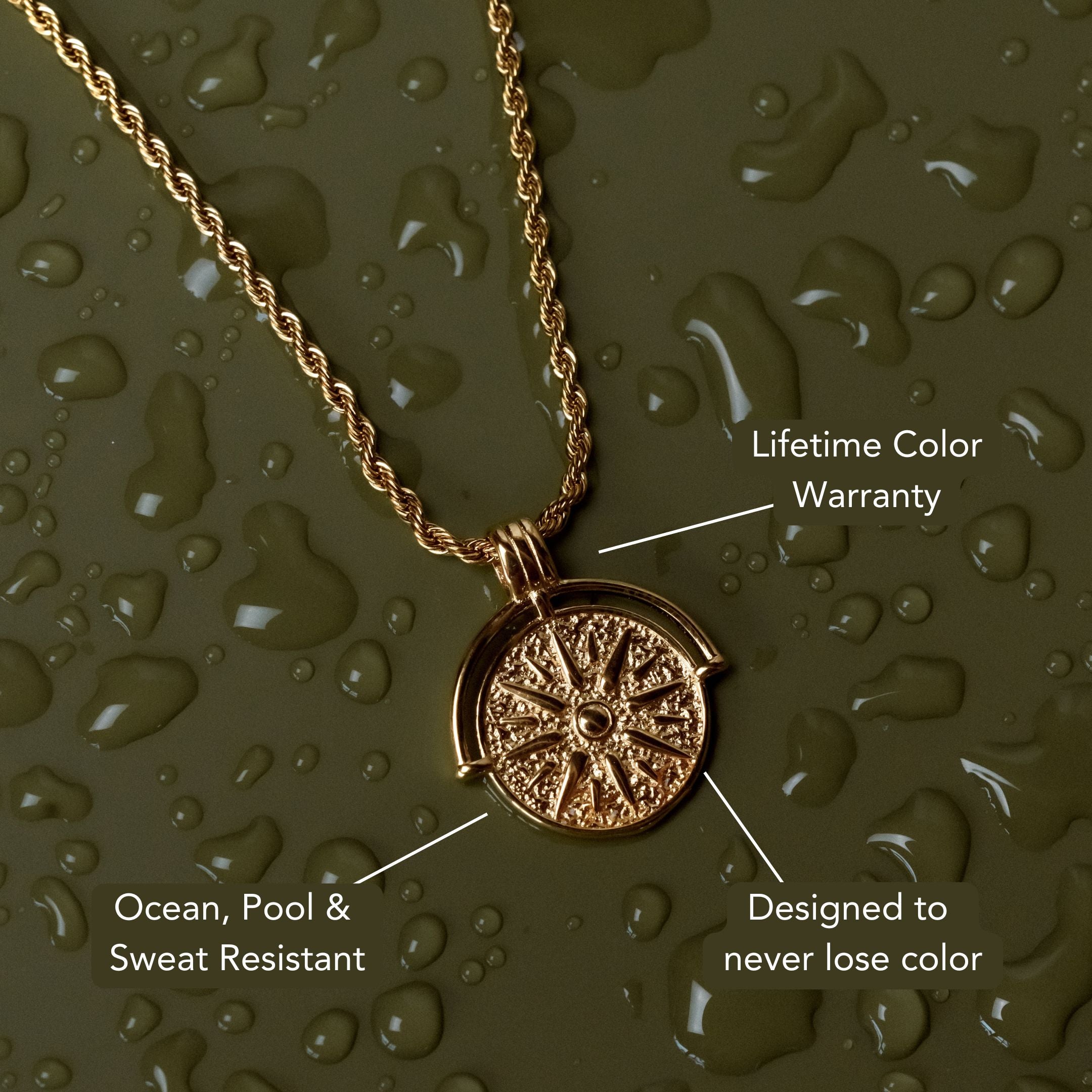
Is silver and sterling silver the same? You’re not actually getting the same metal when you see “silver” and “sterling silver.” Fine silver is about 99.9% pure Ag, very soft (around 25–30 HV), and prone to bending. Sterling silver is 92.5% silver and 7.5% other metals, usually copper, boosting hardness to roughly 75–100 HV for better everyday durability—qualities that make pieces like those in Atolea’s Silver Waterproof Jewelry collection practical for regular wear. Hallmarks like “925” or “999” reveal the true composition, and the next details show why that difference really matters.
Silver vs Sterling Silver: What’s the Real Difference?
Although people often use the terms interchangeably, “silver” and “sterling silver” describe metals with different compositions, properties, and performance. When you say “silver,” you’re usually referring to pure silver: 99.9% Ag, extremely ductile, with high electrical and thermal conductivity but relatively soft and prone to deformation.
Sterling silver is an alloy: 92.5% silver and 7.5% other metals, typically copper. That 7.5% considerably changes silver properties: hardness, tensile strength, and wear resistance all increase, while conductivity and corrosion resistance decrease slightly.
For jewelry applications, sterling’s higher Vickers hardness (roughly 75–100 HV vs ~25–30 HV for pure silver) means clasps, prongs, and chains hold shape under daily stress. You get sufficient luster and workability, but with more mechanical stability.

What “Silver” Really Means on Jewelry Labels
Understanding those compositional differences matters most when you read what’s stamped or printed on a piece. On labels, “silver” isn’t a single standardized material; it’s a broad term in jewelry terminology that can indicate very different metal contents.
Some retailers use “silver” as shorthand for a specific silver composition, while others apply it loosely to any metal with a silvery appearance.
You’ll often see descriptors such as “silver‑plated,” “silver‑tone,” or branded trade names. These don’t guarantee a particular percentage of elemental silver; they describe surface appearance or a thin coating over a base metal.
Because labeling standards vary by country and retailer, you can’t assume “silver” alone means high precious‑metal content. Always look for exact wording and any accompanying numerical data.
Silver vs Sterling: Purity, Alloys, and Hallmarks
When you compare “silver” to “sterling silver,” you’re really comparing different purity standards, alloy formulas, and hallmarking rules rather than just color.
“Fine” or “pure” silver means 99.9% elemental silver (marked 999), leaving only 0.1% trace impurities. Sterling silver, by contrast, is defined at 92.5% silver and 7.5% other metals, usually copper, giving you the familiar 925 mark.
You’ll often see additional hallmarks alongside 925, such as “STER,” “STG,” or a maker’s mark, which document accountability and traceability.
In broader trade language, “silver” can describe any silver-bearing alloy composition above a minimum national threshold, so you must read the numeric hallmark.
If there’s no 925, 958, 999, or similar fineness stamp, you shouldn’t assume sterling quality.

Pure Silver vs Sterling: Everyday Wear and Tear
Those purity numbers you just saw—999 for fine silver and 925 for sterling—directly control how each metal behaves in daily wear.
Pure 999 silver is softer, with lower yield strength, so it dents, scratches, and deforms more easily under routine contact. You’ll see loss of crisp edges on details, faster surface abrasion, and more visible bending in thin components.
Sterling 925, alloyed mainly with copper, offers higher hardness and tensile strength, boosting everyday durability and wear resistance.
Clasps, rings, and chains in sterling hold shape better under repeated mechanical stress—pulling, snagging, or stacking with other pieces.
If you plan to wear an item daily, especially on hands or wrists, sterling generally outperforms pure silver in structural stability and long-term surface integrity.
How to Spot Real Sterling Silver (and Fakes)
Ever wonder if a piece stamped “silver” is actually sterling, plated, or something else entirely? You can verify silver authenticity by focusing on marks, measurements, and material behavior.
Genuine sterling is usually stamped 925, .925, or “sterling.” Vague terms like “silver tone” or missing stamps on modern pieces are red flags.
For basic jewelry testing at home, use a magnet: sterling isn’t strongly magnetic, while many base-metal fakes are. Measure density if you can—sterling averages about 10.2 g/cm³.
Tarnish pattern matters too: real sterling darkens uniformly; plated items reveal yellowish or coppery layers at wear points.
For conclusive results, jewelers use nitric acid tests and XRF (X-ray fluorescence) analysis to read the exact alloy composition.

Price and Value: Silver vs Sterling Silver
Authenticity doesn’t just affect whether a piece is “real”; it directly drives what it’s worth. When you buy pure silver (typically .999 fine), its price tracks the global spot market almost 1:1 by weight.
Sterling silver, at 92.5% purity, contains less silver per gram, so its intrinsic metal value equals spot silver × 0.925 minus fabrication and retailer margins.
You’ll see sterling jewelry priced higher than its raw metal value because you’re also paying for design, labor, and branding.
For bullion-focused buyers, you prioritize metal content, liquidity, and alignment with market trends. That makes fine silver bars and coins more efficient for investment potential, while sterling silver pieces function better as semi-precious consumer goods than as pure bullion assets.
Sterling Silver and Skin Sensitivity
Surprisingly, sterling silver’s 92.5% silver content isn’t usually what irritates skin—the issue is almost always the 7.5% alloy metals, most commonly copper and sometimes trace nickel.
Pure silver is chemically less reactive with skin, while copper oxidizes and may darken, leaving marks on sweat‑prone areas. If you’re nickel‑sensitive, even parts‑per-million nickel levels can trigger skin reactions such as redness, itching, or localized swelling.
You’ll notice issues faster with tight‑fitting pieces like rings and earrings because moisture, salt, and friction increase metal ion release.
If you react frequently, you should look for clearly labeled hypoallergenic options: nickel‑free sterling silver, palladium‑alloy sterling, or rhodium‑plated sterling that adds a barrier layer.
Always verify alloy composition from manufacturers or lab-certified product data.
How to Care for Silver and Sterling Silver
Although both pure silver and sterling silver tarnish over time, you can dramatically slow this process with a few controlled habits and the right storage conditions.
Use low‑abrasion cleaning techniques: a 0.5–1% mild detergent solution in deionized water, a soft microfiber cloth (over 200,000 fibers/in²), and linear wiping to avoid micro‑scratches. For heavier tarnish, apply a 5–15 micron silver polishing cloth impregnated with thiourea‑free compounds; avoid baking soda pastes that erode ~0.1–0.2 microns per cleaning.
For storage tips, maintain relative humidity below 50% and limit sulfur exposure.
Store each piece in airtight polyethylene bags or anti‑tarnish zip pouches with activated carbon or silver‑sorbent strips. Don’t use PVC plastics; they off‑gas chlorides that accelerate corrosion.

When Sterling Silver Is (and Isn’t) Better Than Pure Silver
Once you understand how to slow tarnish and physical wear, the next question is whether you’re working with the right alloy for the job.
Sterling silver durability comes from its 92.5% silver and 7.5% copper (or similar metals) composition, which raises hardness to around 75–100 HV, compared with roughly 25–30 HV for pure silver.
You’ll prefer sterling for rings, bracelets, clasps, and flatware—any application facing impact, abrasion, or repetitive stress. It resists deformation, holds prongs and hinges, and maintains crisp edges longer.
However, when you need extreme detail, easy forming, or deep drawing, you’ll benefit from pure silver malleability. It bends, domes, and embosses cleanly, making it better for intricate repoussé work, experimental designs, or components you’ll repeatedly reshape or solder.
Frequently Asked Questions
Can Sterling Silver Tarnish-Proof Coatings Affect Resale or Scrap Value?
Yes, coatings can slightly lower scrap value because refiners must burn or strip them, increasing processing loss. For finished jewelry, tarnish prevention usually improves desirability, but resale implications depend on coating thickness, type, and disclosed treatment.
Is Sterling Silver Magnetic, and Can Magnets Help Test Authenticity?
Sterling silver isn’t magnetic; strong neodymium magnets shouldn’t attract it. You can use silver testing with magnets to screen out obvious fakes, but magnet properties alone can’t confirm authenticity—plated or alloyed items may still behave similarly.
How Does Sterling Silver Compare to White Gold for Engagement Rings?
You’ll find sterling silver softer and less wear‑resistant than white gold, so engagement ring durability clearly favors white gold. In a price comparison, sterling silver costs far less initially, but white gold better preserves settings and stones over decades.
Are There Cultural or Traditional Meanings Tied Specifically to Sterling Silver?
Yes, you’ll find sterling silver linked to cultural significance and traditional uses worldwide—wedding jewelry, religious icons, heirloom tableware—because its 92.5% silver alloy balances brightness, durability, and cost, making it ideal for repeated ritual and ceremonial wear.
Can You Be Allergic to Pure Silver but Not Sterling Silver Alloys?
You usually won’t be allergic to pure silver; silver allergies typically stem from nickel or copper in sterling alloys. If you tolerate specific sterling compositions, your metal sensitivities likely target trace contaminants, not the silver itself.
Conclusion
Now you can read a hallmark and know exactly what you’re buying. When you see “999,” you’re looking at nearly pure silver—soft, bright, and less suited to daily wear. When you see “925,” you’re getting a harder sterling alloy that balances durability, price, and performance. Use those stamps, weight, magnet tests, and tarnish behavior to verify authenticity, then choose the composition that best matches your budget, skin, and how intensely you’ll wear it.










,%20and%20...)
Leave a comment
This site is protected by hCaptcha and the hCaptcha Privacy Policy and Terms of Service apply.