

How to Store Jewelry Properly: 10 Essential Tips
Even the most beautiful jewelry can lose its shine if it is not stored correctly. From tangled necklace chains to tarnished silver and scratched gemstones, improper storage is one of the most common reasons jewelry ends up looking dull or damaged long before it should. Learning how to store jewelry properly does not require expensive organizers or a lot of extra time, just a few thoughtful habits that protect your pieces between wears.
In this guide, we will walk through ten essential tips for storing your jewelry the right way, helping you avoid common issues like tarnish, tangling, and scratching. And if you are looking to build out your collection with pieces designed to hold up well over time, our Jewelry Bundle offers a convenient way to add several versatile pieces at once.
1. Store Jewelry Separately by Type
One of the most important habits for proper jewelry storage is keeping different types of jewelry separated rather than tossing everything into a single drawer or box. Necklaces, bracelets, rings, and earrings all have different storage needs, and mixing them together increases the risk of tangling, scratching, and general damage.
Using a jewelry box with multiple compartments, or several smaller containers, allows each piece to have its own space, significantly reducing the chances of pieces rubbing against each other or becoming tangled over time.

2. Keep Necklaces Untangled
Few jewelry storage frustrations are as common as untangling a knotted necklace chain. To prevent this, store necklaces individually rather than piling them together in a single space.
Hanging necklaces on a jewelry stand or hooks is one of the most effective ways to keep chains separated and tangle free. If hanging storage is not an option, laying necklaces flat in individual compartments or small plastic bags can also help prevent chains from becoming intertwined.
3. Protect Silver From Tarnish
Silver jewelry is particularly prone to tarnishing when exposed to air, especially in humid environments. To slow this process, store silver pieces in an airtight bag or container whenever possible, limiting their exposure to the air.
Adding an anti tarnish strip or a small silica gel packet to your silver jewelry storage can also help absorb excess moisture and sulfur compounds in the air, further reducing the rate of tarnish buildup between wears.
4. Store Pieces Away From Direct Sunlight and Heat
Extended exposure to direct sunlight and heat can affect certain gemstones and materials over time, potentially causing fading or discoloration. This is particularly true for more delicate stones like amethyst, citrine, and certain organic materials like pearls, which can be sensitive to prolonged light and temperature exposure.
Choosing a storage location away from windows or direct heat sources, such as a drawer or closet, helps protect these more sensitive materials from unnecessary environmental damage.
5. Use Soft, Lined Storage for Delicate Pieces
Hard surfaces can cause scratching, particularly for softer metals and gemstones that are more prone to surface damage. Using soft, lined jewelry boxes, pouches, or fabric lined drawer inserts helps cushion pieces and prevent them from scratching against harder surfaces or each other.
This is especially important for pieces featuring softer gemstones, such as opal, turquoise, or pearl, which require gentler handling compared to more durable stones like diamond or sapphire.

6. Keep Rings Secure and Separated
Rings are particularly prone to scratching when stored loosely alongside other jewelry, since the hard surfaces of gemstones and metal bands can easily scratch other pieces they come into contact with.
Using a ring holder, small individual compartments, or soft ring pouches helps keep rings secure and prevents them from shifting around and colliding with other jewelry during storage. This is particularly important for rings featuring more delicate gemstones or intricate settings.
7. Avoid Overcrowding Your Storage Space
It can be tempting to fit as much jewelry as possible into a single storage container, but overcrowding increases the likelihood of pieces scratching, tangling, or becoming damaged due to excessive contact with one another.
If your current jewelry storage feels overcrowded, consider investing in additional storage compartments or organizers to give each piece a bit more breathing room. This small adjustment can significantly reduce wear and tear over time.
8. Clean Jewelry Before Storing
Storing jewelry while it is dirty or covered in oils, lotion, or perfume residue can accelerate tarnishing and buildup over time, even while the piece is not being worn. Taking a moment to gently wipe down jewelry with a soft cloth before placing it back in storage helps remove any residue that could otherwise contribute to discoloration or damage during storage.
This simple habit, done consistently after each wear, can make a noticeable difference in how well your jewelry holds up over the long term.
9. Store Pearls and Organic Materials With Extra Care
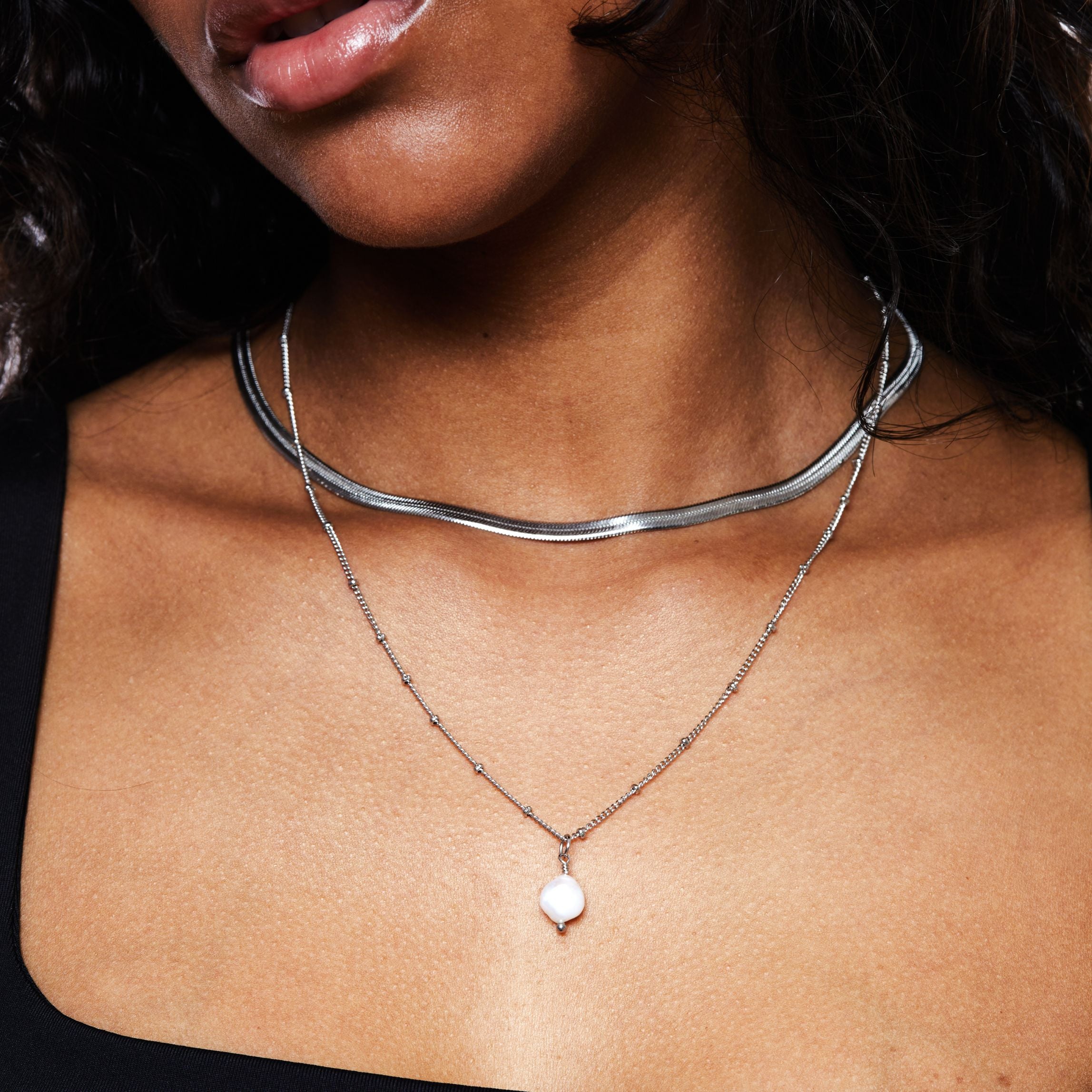
Pearls, along with other organic materials like coral or certain shell based jewelry, require slightly different storage considerations compared to typical metal and gemstone pieces. These materials are more porous and sensitive to changes in humidity, meaning they should be stored separately from harder gemstones to avoid scratching.
Pearls in particular benefit from being stored in a soft, breathable pouch rather than an airtight container, since some experts recommend allowing organic materials a small amount of air exposure to help maintain their natural luster over time.
10. Travel With Jewelry Cases or Rolls
If you frequently travel with jewelry, using a dedicated jewelry case or roll designed specifically for transport can help prevent damage that might otherwise occur when jewelry is tossed into a regular bag or suitcase. These cases typically feature individual compartments or pockets, similar to a jewelry box, but in a more compact, travel friendly format.
This extra layer of protection helps ensure your jewelry arrives at its destination in the same condition it left home, free from tangles, scratches, or other travel related damage.
Why Proper Storage Matters
Taking the time to store jewelry properly is about more than just organization, it directly impacts how long your pieces last and how well they maintain their original beauty. Improper storage is one of the most common, and most preventable, causes of jewelry damage, from tarnished silver to scratched gemstones and permanently tangled chains.
By developing a few consistent storage habits, you can significantly extend the lifespan of your jewelry collection, ensuring your favorite pieces remain in excellent condition for years to come, regardless of whether they are worn daily or saved for special occasions.

Building a Jewelry Storage System That Works for You
While the tips outlined above apply broadly to most jewelry collections, the best storage system ultimately depends on the size and variety of your personal collection. Those with a smaller collection may find that a single, well organized jewelry box meets all their needs, while those with a larger or more varied collection may benefit from a combination of storage solutions, such as a hanging necklace organizer paired with a lined jewelry box for rings and earrings.
Taking the time to assess your specific collection and storage needs can help you create a system that not only protects your jewelry but also makes it easier to find and enjoy your pieces on a daily basis.
Final Thoughts
Learning how to store jewelry properly does not require a significant investment of time or money, just a few thoughtful habits that protect your pieces from common issues like tarnish, tangling, and scratching. By separating jewelry types, using appropriate storage materials, and keeping pieces clean and protected from excess light and moisture, you can help ensure your jewelry collection stays beautiful for years to come.
Whether you are storing everyday pieces or special occasion jewelry, these simple storage practices can make a meaningful difference in how well your collection holds up over time.
Frequently Asked Questions
What is the best way to store silver jewelry to prevent tarnish? Storing silver in an airtight bag or container, ideally with an anti tarnish strip, helps limit exposure to air and slow the tarnishing process.
Can I store all my jewelry in one box together? It is best to separate different types of jewelry within a box using individual compartments, since storing pieces together without separation increases the risk of tangling and scratching.
Is it bad to leave jewelry in direct sunlight? Yes, prolonged sun exposure can cause certain gemstones and materials to fade or discolor over time, so it is best to store jewelry away from direct light.
How should pearls be stored differently from other jewelry? Pearls should be stored separately in a soft, breathable pouch rather than an airtight container, since they are more porous and benefit from some air exposure to maintain their natural luster.









Leave a comment
This site is protected by hCaptcha and the hCaptcha Privacy Policy and Terms of Service apply.