

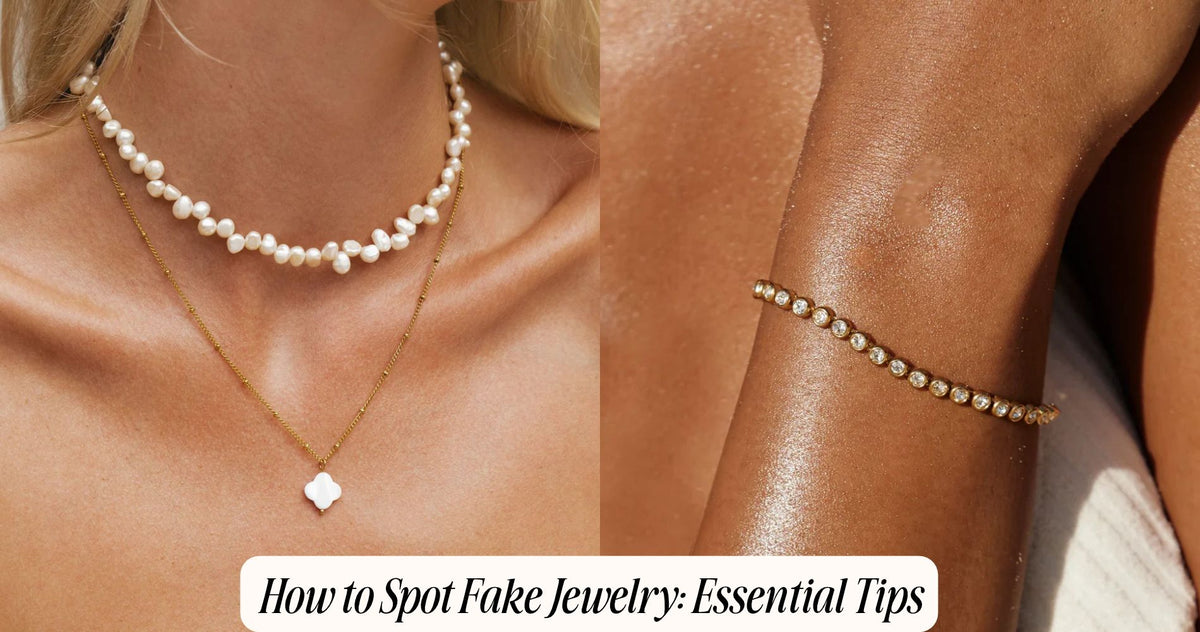
How to Spot Fake Jewelry: Essential Tips
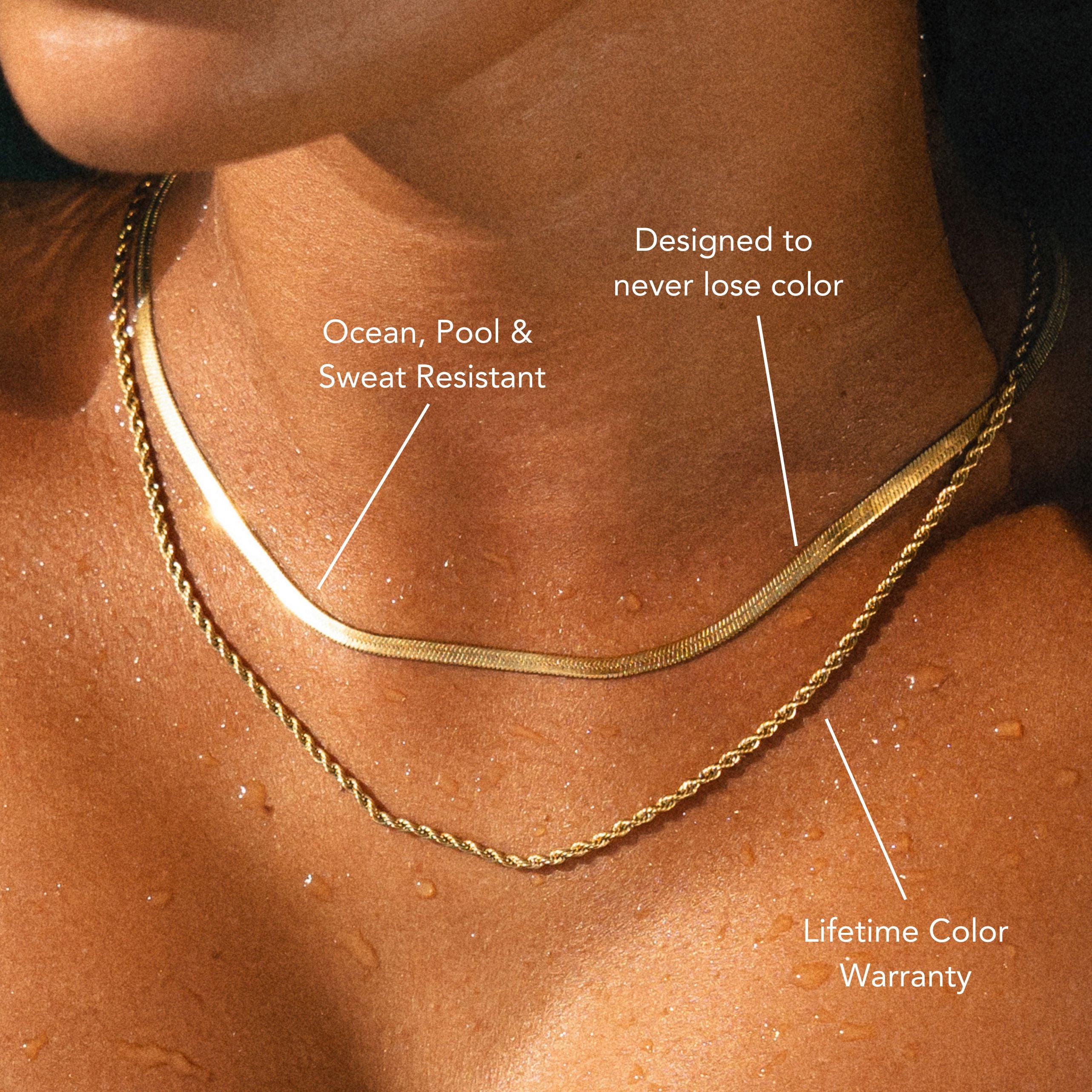
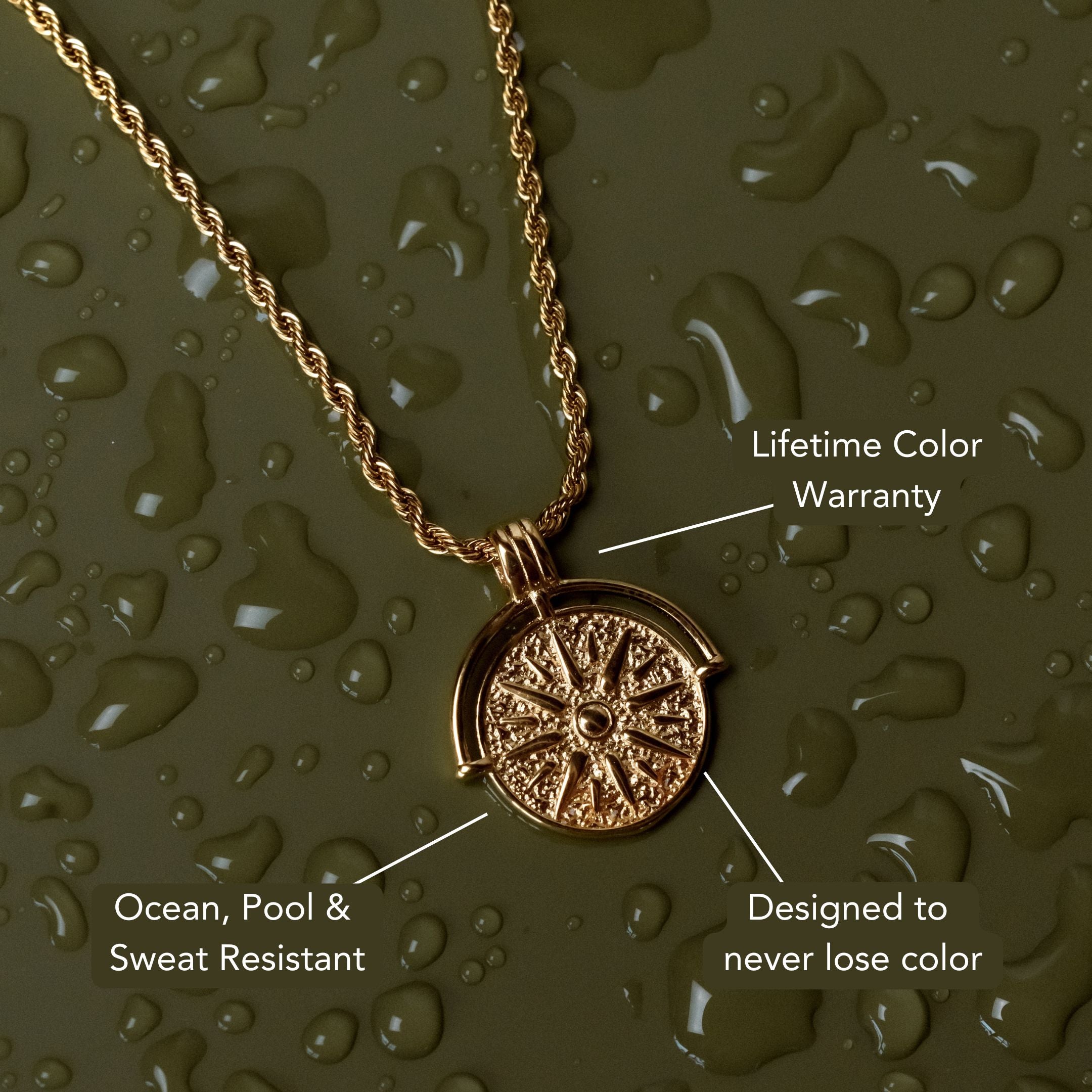
Fake jewelry can be surprisingly convincing. A ring stamped with a purity mark, a pendant that glitters like a diamond, or a necklace listed at a tempting price might not be what it claims to be. Whether you are shopping online, browsing a market, or checking a piece you inherited, knowing how to spot fake jewelry protects your wallet and your confidence. If you simply want a convenient place to explore a range of styles in one go, our Waterproof Jewelry collection is worth a look.
In this guide, we will walk through easy checks for metals, gemstones, and pearls, explain what each one can and cannot prove, and show you when to get a professional opinion.
First, Understand What Counts as Fake Jewelry
Not all questionable jewelry is a counterfeit in the strict sense. Some pieces are simply misrepresented, such as plated jewelry sold as solid gold or glass sold as a gemstone. Others are imitations of famous brands. Knowing the difference helps you ask better questions.
Honest terms matter. Words like gold plated, gold filled, vermeil, and simulated each describe real, legitimate materials. Problems arise when a seller hides the truth or uses vague phrases like gold tone or silver look without making clear what the piece really is.

Check for Hallmarks and Stamps, But Do Not Trust Them Blindly
Most real precious metal jewelry carries a stamp showing its purity. Common marks include 925 for sterling silver, 10K, 14K, 18K, or 24K for gold, and 950 or PT for platinum. Look for these marks inside rings, on clasps, or on small tags near the chain.
A missing stamp does not always mean a piece is fake, since handmade and older items may be unmarked. Likewise, a stamp is not proof, because marks can be forged. Treat a hallmark as one clue, then confirm it with other checks. Stamps that look blurry, uneven, or oddly placed deserve extra scrutiny.
Use a Magnet to Rule Out Common Base Metals
Gold, silver, and platinum are not magnetic. A strong magnet, such as a rare earth magnet, can help you rule out items made from iron or steel. If a piece snaps firmly to the magnet, it is unlikely to be solid precious metal.
Keep in mind that this test has limits. Many fake or plated pieces use non magnetic metals like brass or copper, so passing the magnet test does not prove authenticity. Also, clasps and springs in genuine jewelry can sometimes contain small amounts of magnetic metal.

Look for Signs of Plating, Wear, and Discoloration
Plated jewelry has a thin layer of precious metal over a base metal. Over time, the layer wears away, especially on edges and high contact areas. Look for patches where a different color shows through, such as silvery, coppery, or gray spots on a gold colored piece.
Skin discoloration can also be a hint. Green or dark marks on your skin can come from copper rich alloys. This does not always mean a piece is fake, since some real jewelry contains copper, but it can suggest a lower quality metal than advertised.
Compare the Weight and Feel With What You Would Expect
Solid precious metals tend to feel dense and substantial. A ring or chain that feels unusually light for its size may be hollow, thinly plated, or made from a lighter base metal. If you can compare it to a piece you know is genuine, differences in heft can be easy to notice.
Examine the finishing as well. Genuine jewelry usually has smooth edges, even soldering, and neat clasps. Rough seams, visible glue, or uneven settings suggest lower quality manufacturing.
Test Silver With a Polishing Cloth and Tarnish Check
Real sterling silver tarnishes over time, forming a dark film. If you rub the piece with a soft white cloth, a gray or black smudge on the cloth is normal for real silver. If the metal never tarnishes at all, it may be plated, coated, or made from another material.
Again, this is a hint rather than proof. Some genuine silver is treated to resist tarnish, so use this alongside other checks.
Examine Gemstones for Natural Characteristics and Quality
Gemstones are one of the most common areas where fakes appear, since glass and synthetic stones can be made to look similar.
- Diamonds versus lookalikes: Real diamonds sparkle in a gray and white pattern, while cubic zirconia often flashes more rainbow color. A common home trick is to breathe on the stone, since fog tends to clear quickly on a diamond. However, this is not reliable, so use it only as a rough guide.
- Colored gemstones: Natural stones often contain tiny inclusions, while glass may contain round bubbles. Perfectly flawless stones at a low price are suspicious.
- Settings: Prongs and settings on genuine pieces are usually neat and secure, with stones that sit evenly.
For a stone you care about, a professional gemological test is far more accurate than any home method.

Test Pearls for Texture, Weight, and Consistency
Real pearls have a slightly gritty feel when gently rubbed against the edge of a tooth, while imitation pearls often feel smooth and slippery. Genuine pearls also tend to feel cool at first and slightly heavy, and they usually show small natural variations in shape and color.
A perfectly uniform strand at a bargain price may be imitation. Looking closely at the drill holes can help too, since coating on imitation pearls may chip or peel near the hole.
Be Skeptical of Prices That Seem Too Good to Be True
Price is often the clearest warning sign. Precious metals and gemstones have real material value, so a large piece of solid gold or a big diamond at a steep discount deserves suspicion. If a listing claims very high quality at a very low price, ask why.
Also watch for pressure tactics, such as countdown timers, claims that stock is almost gone, or refusal to answer simple questions about materials.
Research the Seller and Read the Policies
A trustworthy seller is open about materials and happy to answer questions. Check customer reviews on independent sites, look for clear contact details, and read the return policy. Reputable sellers often provide detailed descriptions, measurements, and clear photos.
Be careful with listings that use only stock images, avoid specifics, or make unrealistic claims. Buying from established jewelers, or from sellers who provide certification for higher value pieces, lowers your risk.
Look for Certification on Valuable Pieces
For expensive diamonds and gemstones, an independent grading report from a recognized laboratory can confirm what a stone is and describe its quality. Make sure the report number matches the stone and that the report comes from a reputable source. Be cautious of reports that look unprofessional or cannot be verified.
Ask a Professional Jeweler When in Doubt
When a piece is valuable, sentimental, or simply puzzling, take it to a qualified jeweler or appraiser. They can test metal purity with tools such as electronic testers or acid kits, and they can identify gemstones with specialized equipment. This is the most reliable way to confirm what you have.

Final Thoughts
Learning how to spot fake jewelry is about combining small clues. Check hallmarks, use a magnet, look for plating and wear, compare weight and finish, examine stones and pearls, and be wary of prices and sellers that seem off. No single test is conclusive, but several together paint a clearer picture.
When something matters, a professional opinion is worth the small cost, and it can save you from a much larger mistake.
Frequently Asked Questions
1. How can I tell if jewelry is fake at home?
Check for hallmarks, test with a magnet, look for plating or discoloration, compare weight and finish, and examine any stones, using several checks together.
2. Does a stamp prove that jewelry is real?
No. Stamps help, but they can be forged, and some genuine pieces are unmarked, so confirm with other checks.
3. Does a magnet test prove jewelry is real?
It only rules out magnetic metals. Many fakes use non magnetic metals like brass, so passing the test does not prove authenticity.
4. How can I tell if pearls are real?
Real pearls often feel slightly gritty against the edge of a tooth and show natural variation, while imitations tend to feel smooth and look uniform.
5. When should I see a jeweler to check my jewelry?
See a professional for valuable, sentimental, or uncertain pieces, since they can accurately test metals and gemstones.









Leave a comment
This site is protected by hCaptcha and the hCaptcha Privacy Policy and Terms of Service apply.