



How to Clean a Silver Necklace: Easy Method That Works
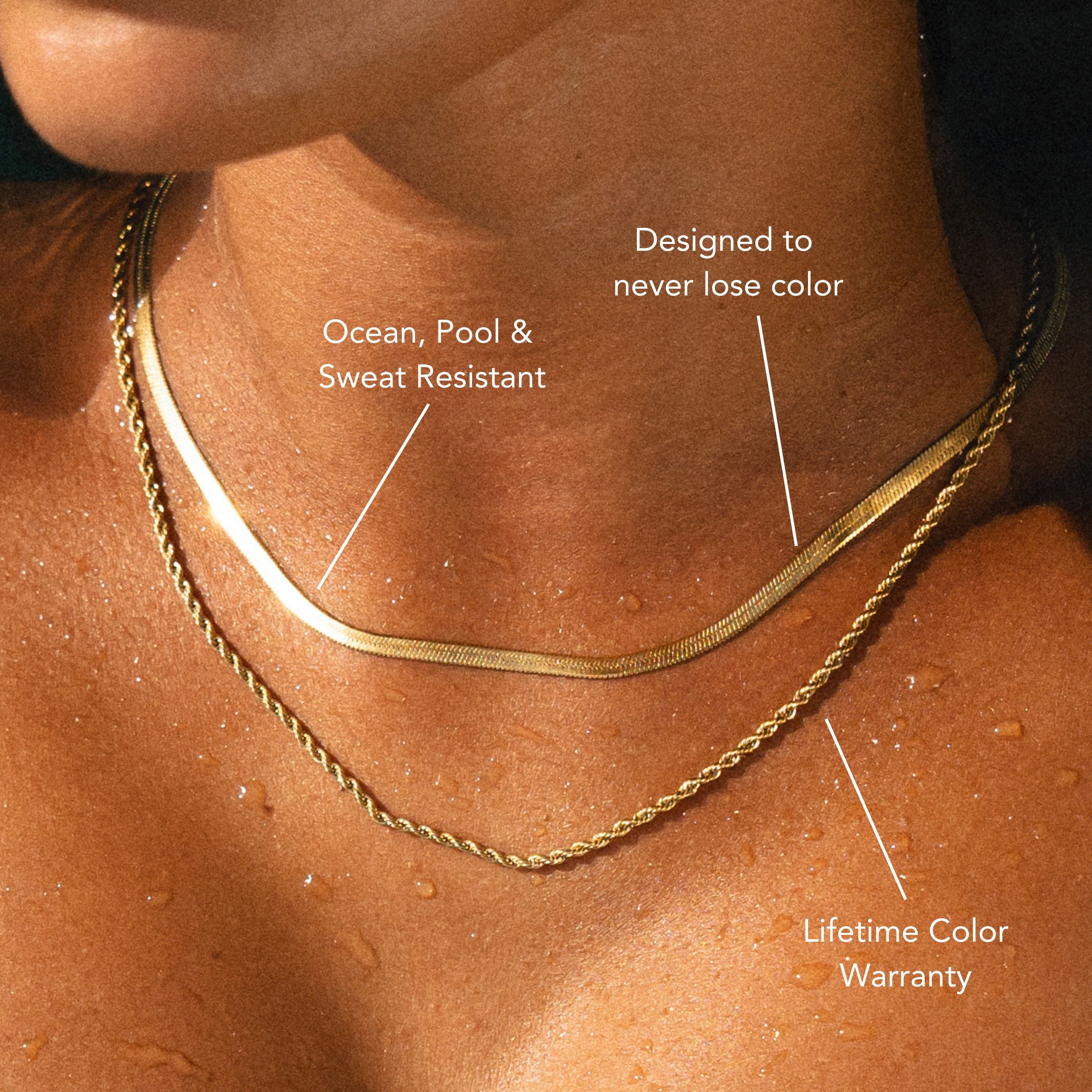
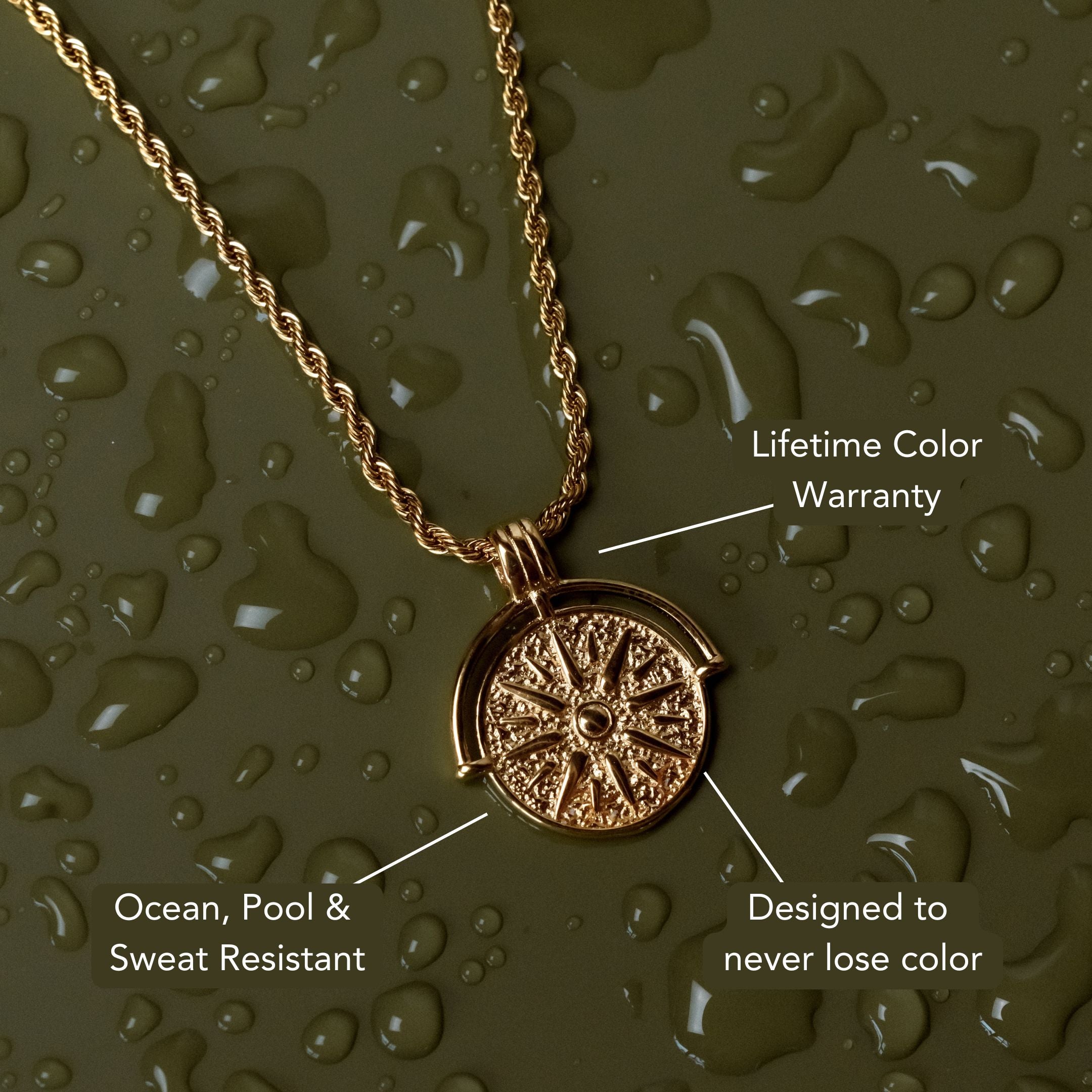
How to clean a silver necklace? You can quickly restore a tarnished silver necklace with a baking soda-and-foil bath: line a bowl with aluminum foil (shiny side up), sprinkle baking soda over the necklace, then pour just-boiled water to cover it and let the reaction lift tarnish onto the foil. Rinse with warm water, dry with a soft cloth, and polish gently for extra shine. For lower-maintenance options, pieces from the Silver Waterproof Jewelry collection are designed to better resist everyday wear while staying polished longer.
Quick: Restore a Tarnished Silver Necklace With Baking Soda & Foil
If your silver necklace has darkened, you can quickly restore its shine using just baking soda, aluminum foil, and hot water.
Line a bowl with aluminum foil, shiny side up, and place the necklace directly on the foil. Sprinkle a generous layer of baking soda over the piece, then pour just-boiled water to cover.
The chemical reaction will transfer tarnish from silver to foil; you’ll see discoloration lift within minutes. Let it sit two to five minutes for light tarnish, longer for heavier buildup, then remove with tongs.
Rinse thoroughly under warm water and dry with a soft cloth to prevent water spots. Repeat only if necessary.
This method’s simple, fast, and effective when you need immediate restoration.

Tools for Cleaning a Silver Necklace (Household Items Explained)
Those quick at-home fixes work well, but knowing which household tools to use—and why—lets you clean silver safely and more effectively.
Use a soft, lint-free cloth for polishing; it removes oils and light tarnish without scratching. A soft-bristled toothbrush helps reach chain links and crevices; rinse debris away afterward.
For mild tarnish, a nonabrasive sponge or cotton swab lets you control contact areas. Use a shallow glass or ceramic bowl for chemical reactions—avoid metal containers. Distilled water prevents mineral spotting.
Gloves protect your skin and prevent fingerprints. Mild dish soap is a gentle surfactant in many silver cleaning methods; white vinegar and baking soda are common household alternatives for tougher stains.
Keep tools dedicated to jewelry to avoid cross-contamination.
Step-by-Step: Clean a Silver Necklace (Timing & Safety Tips)
Gather your tools, lay out a clean towel, and work over a well-lit surface so you can clean the necklace efficiently and safely.
Begin by inspecting for damage; don’t proceed if links are weak or solder joints cracked.
Mix a mild cleaning solution, submerge the necklace for no more than 2–3 minutes, then gently brush with a soft-bristled brush.
Rinse under lukewarm water and pat dry with the towel; let air-dry fully before storing.
Limit sessions to avoid overcleaning—establish cleaning frequency based on wear: monthly for daily pieces, quarterly for occasional wear.
Wear gloves if you have sensitive skin or if polishing compounds are used.
Store in anti-tarnish bags and avoid ultrasonic or harsh chemicals unless a professional recommends them.

Clean Delicate Chains & Gemstone Pendants Safely
Treat delicate chains and gemstone pendants as fragile instruments: handle them gently, use only mild solutions, and work with stabilized pieces to avoid stress on links and settings.
You’ll remove grime with a soft-bristled brush and a bowl of lukewarm water mixed with a drop of gentle dish soap; dunk briefly, swish, then lift and pat dry with a lint-free cloth.
For gemstone care, avoid ultrasonic cleaners and ammonia unless the stone is confirmed safe; instead, use the same mild soap method and inspect settings before and after cleaning.
Always lay chains flat to prevent kinks and never pull on a pendant to free a snag.
Finish by air-drying completely and checking clasps and prongs for security before wearing or storing.
When to Avoid DIY and Seek a Jeweler
If a piece is visibly damaged, valuable, or contains porous or treated gemstones, don’t attempt a DIY fix—take it to a professional.
You should also skip home cleaning when settings are loose, solder joints are cracked, or plating is flaking.
A jeweler provides a professional assessment to determine structural integrity and whether ultrasonic baths, steam cleaning, or controlled polishing are safe.
You’ll avoid worsening fractures, stone loss, or surface alteration by letting pros use specialized repair techniques and calibrated equipment.
If the necklace has significant corrosion, unclear alloys, or sentimental value, insist on an expert evaluation before any treatment.
Trusting a jeweler preserves value and prevents costly mistakes; document concerns and request written estimates and care recommendations.
Remove Stubborn Tarnish and Black Residue From Silver Necklaces
When regular soap and a soft cloth won’t cut through dark tarnish or the black residue that collects in crevices, you’ll need targeted methods that lift oxidation without harming silver or set stones.
Work in sections: mix a paste of baking soda and water, apply with a soft-bristled toothbrush, and gently scrub recessed areas. Rinse thoroughly and inspect; repeat only where needed.
For heavy buildup, use a commercial silver cleaner, following product directions and protecting any gemstones with tape or by removing pendants if possible.
After cleaning, neutralize any cleaner residue with a mild detergent rinse.
To minimize recurrence, follow tarnish prevention tips: wear silver often, avoid chlorine and cosmetics, and use anti-tarnish strips.
Store necklaces in airtight pouches—part of practical silver storage solutions.

Dry, Polish, and Reassemble Your Necklace
Blot the necklace thoroughly with a lint-free cloth to remove all moisture, then let it air-dry flat on a clean towel for at least 15–30 minutes so hidden crevices can evaporate completely.
After drying, inspect links, clasps, and settings; any trapped moisture can cause tarnish. Use targeted drying techniques—soft cloth pressure, gentle blow-drying on cool setting, or compressed air at a distance—for stubborn spots.
Next, choose an appropriate microfiber or silver-polishing cloth and apply controlled polishing methods: small, consistent strokes following the grain of the metal, avoiding over-polishing plated areas.
Pay special attention to intricate details with a soft-bristled brush wrapped in the cloth. Reassemble the necklace, test the clasp, and store it flat or hung to retain shape before wearing.
Simple Habits to Keep Your Silver Necklace Shiny Longer
Because regular care beats occasional deep cleaning, adopt a few simple habits that keep your silver necklace bright with minimal effort.
Store it in an airtight pouch or anti-tarnish cloth to limit exposure to air and humidity. Remove your necklace before swimming, showering, exercising, or applying lotions and perfumes to prevent chemical reactions that speed tarnish.
Wipe it with a soft cloth after each wear to remove oils and sweat—this small step is effective preventative care.
Schedule brief regular maintenance: a weekly gentle polish with a microfiber or silver cloth and a monthly inspection for loose links or weak clasps.
If you spot early tarnish, treat it immediately to avoid heavier buildup. These habits extend shine and reduce cleaning time.
Frequently Asked Questions
Can Silver Necklaces Cause Skin Allergies or Discoloration?
Yes — you can get silver allergy symptoms; you’ll experience redness, itching, or rash from silver sensitivity reactions, especially if alloys like nickel or copper’re present. Stop wearing the piece and consult a dermatologist.
Is It Safe to Clean Silver With Toothpaste or Ketchup?
Yes — but cautiously: toothpaste effectiveness is limited and abrasive pastes can scratch silver, while ketchup acidity can remove tarnish yet may harm plated pieces. You should test a hidden spot and rinse thoroughly afterward.
How Do I Identify Real Sterling Silver Vs Silver-Plated?
Look for identifying marks like “925” or “sterling,” feel weighty, check tarnish patterns; perform silver testing with a nitric acid spot test or use a magnet (real isn’t magnetic) and consult a jeweler for confirmation.
Can Homemade Methods Damage Antique or Heirloom Silver?
Yes — homemade cleaning solutions can damage antique or heirloom silver if you use abrasive agents, acids, or uncontrolled polishing; you should test gently, prioritize antique preservation, and consult a conservator for valuable, delicate pieces.
How Often Should I Professionally Inspect My Silver Necklace?
You should have a professional inspect your silver necklace every 12–24 months; more often if worn daily, exposed to chemicals, or heirloom. Regular inspections support necklace maintenance and enhance jewelry longevity by catching wear or damage early.
Conclusion
You’ve got an easy, effective routine to bring a tarnished silver necklace back to life using common household items—baking soda, foil, warm water—and gentle techniques for delicate chains or gemstone settings. Follow safety tips, avoid DIY when damage or porous stones are involved, and tackle stubborn residue with targeted products or professional help. Dry and polish thoroughly, reassemble carefully, and adopt simple care habits to keep your silver gleaming longer.












,%20sprinkle%20baking%20soda%20over%20the%20n...)
Leave a comment
This site is protected by hCaptcha and the hCaptcha Privacy Policy and Terms of Service apply.