


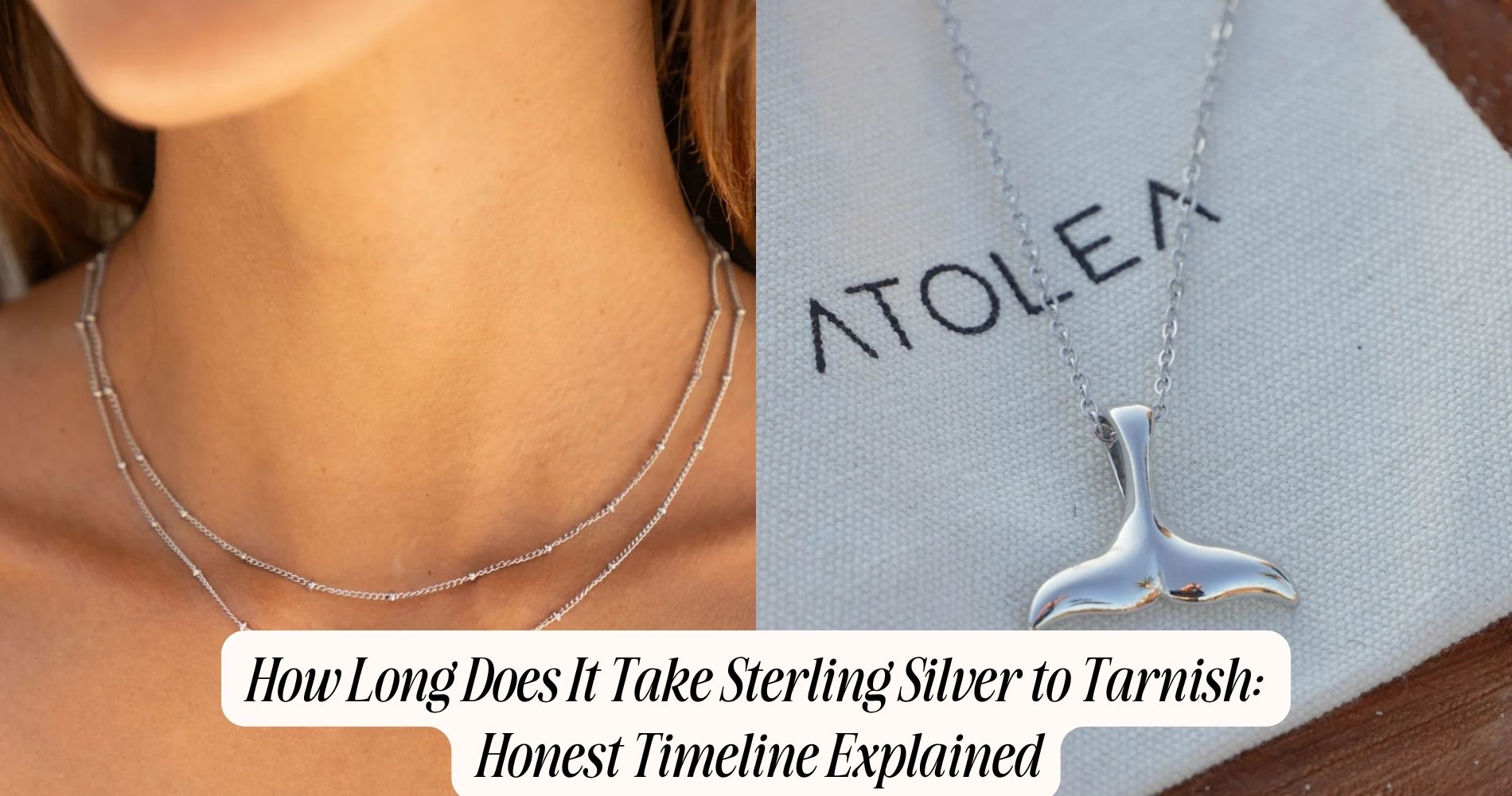
How Long Does It Take Sterling Silver to Tarnish: Honest Timeline Explained
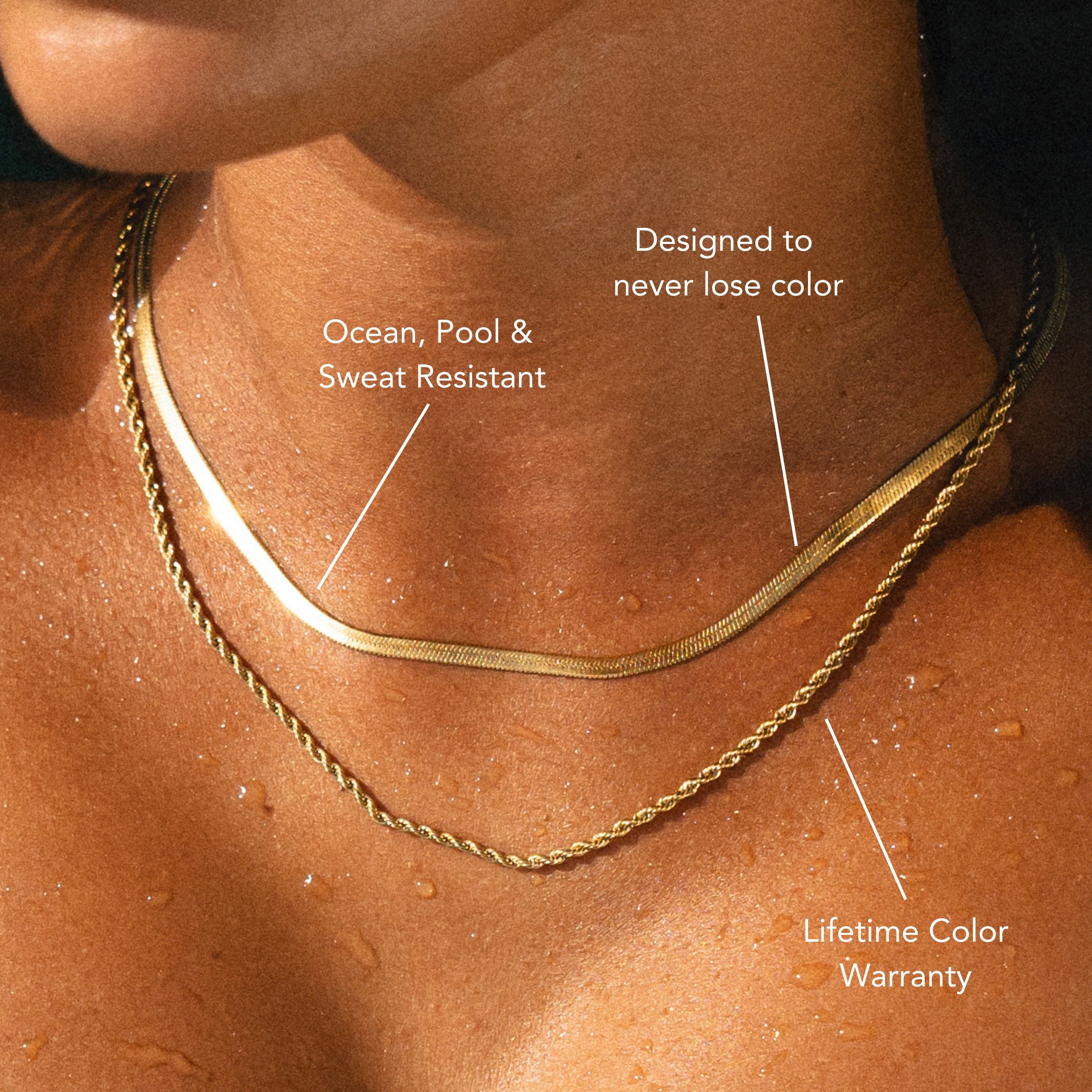
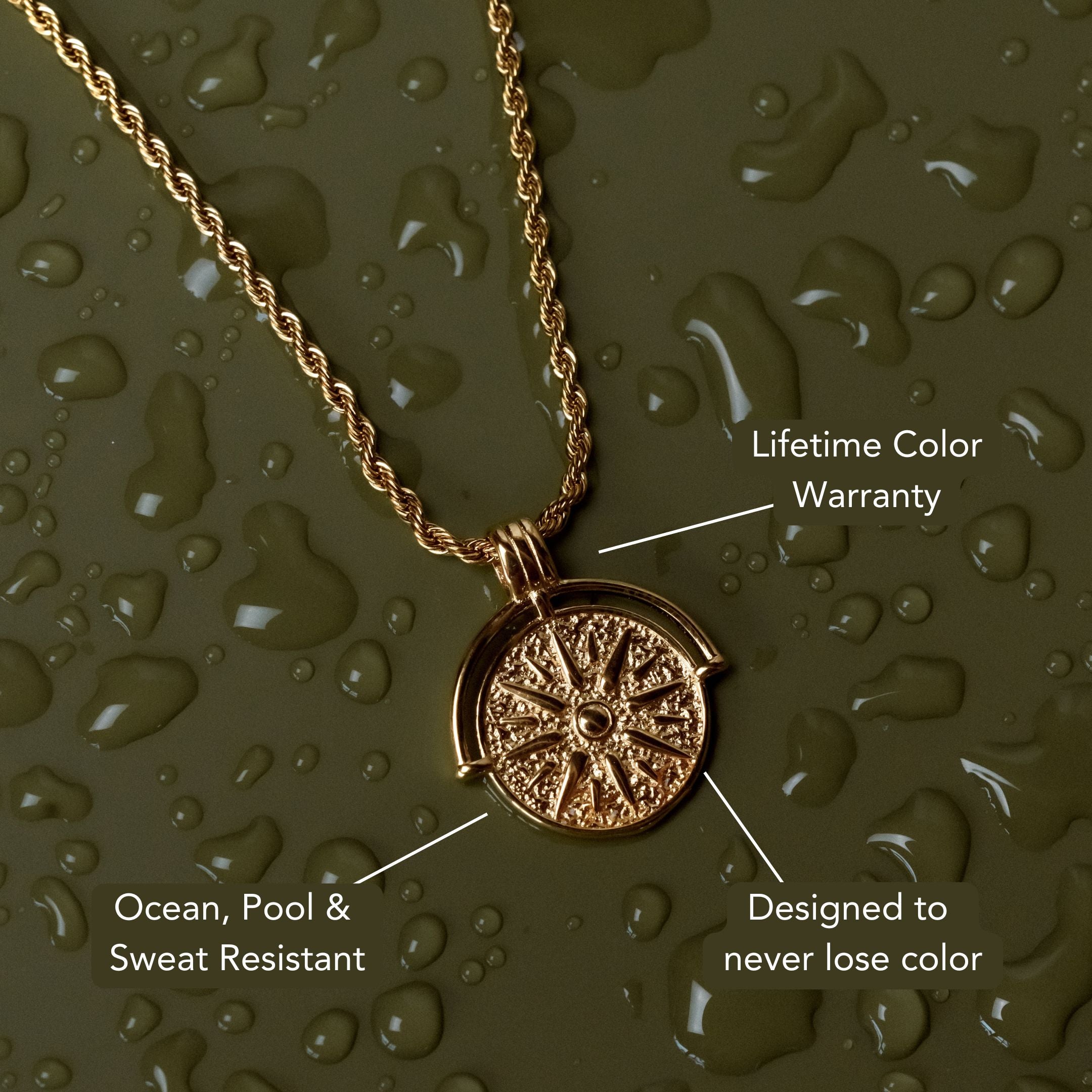
How long does it take sterling silver to tarnish? You’ll see sterling silver start to darken within days indoors and in hours to a few days in high-humidity or sulfur-rich environments; visible tarnish typically appears within one to twelve weeks, while deeper oxidation develops over months to years without proper care. Tarnishing occurs as surface silver reacts with sulfur and moisture, especially at seams or worn areas. Choosing low-maintenance pieces—like those in the Silver Waterproof Jewelry collection—can help reduce exposure and slow the tarnishing process while keeping your jewelry looking bright longer.
What “Tarnish” Means for Sterling Silver
Tarnish is a surface layer of corrosion that forms on sterling silver when sulfur- or oxygen-containing compounds react chemically with the metal’s surface, producing silver sulfide (Ag2S) and other oxides or sulfates. This layer darkens and dulls the metal’s reflective finish and changes its spectral and electrical properties.
You’ll want a concise tarnish definition: it’s an adherent chemical conversion of the metal surface, not bulk degradation.
In practical terms, silver oxidation proceeds at the interface where environmental sulfurous species or oxidants contact copper-alloyed silver, producing measurable changes in reflectance and surface conductance.
You should assess tarnish by surface colorimetry, conductivity shifts, or XPS to quantify compound formation and distinguish reversible surface films from deeper corrosion.

How Long Before Sterling Silver Tarnishes : Quick Timeline
Although exact timing depends on environment and handling, you can expect noticeable surface darkening on sterling silver within days to weeks in typical indoor conditions and within hours in highly polluted or humid environments.
For a quick timeline: immediate exposure (minutes–hours) may produce negligible change; short term (days–weeks) produces light patina; medium term (weeks–months) yields visible tarnish requiring cleaning; long term (months–years) can produce deep, uneven oxidation that’s harder to reverse.
You’ll reduce rate by controlling sulfur, humidity, and contact with cosmetics or chlorides.
Implementing basic tarnish prevention—sealed storage, anti-tarnish strips, routine silver care and gentle cleaning—keeps most pieces in the negligible-to-light range for substantially longer than the baseline timeline described.
Rapid Tarnish: Hours to Days for Sterling Silver
If exposed to high sulfur concentrations, elevated humidity, or chemical contaminants, your sterling silver can begin showing measurable oxidation within hours and clearly visible darkening within one to three days.
You’ll observe sulfur-derived silver sulfide forming at microabrasions and seams, accelerated by moisture that increases ion mobility.
In practice, pieces stored near rubber, wool, or certain foods darken fastest; contact with chlorinated water or household cleaners also triggers rapid surface conversion.
For immediate mitigation, you should isolate items in airtight, low-humidity containers with desiccants and sulfur-absorbing strips.
Implementing strict silver care—avoidance of reactive materials, routine inspection, and prompt cleaning—minimizes short-term degradation.
These targeted tarnish prevention measures reduce the probability of rapid discoloration and preserve fine detail until controlled maintenance can be applied.

Slow Tarnish: Months to Years for Sterling Silver
When kept in controlled, low-sulfur environments with stable low humidity, sterling silver will develop visible oxidation only over months to years rather than days. You'll usually see a slow, uniform patina driven by trace atmospheric sulfur compounds and occasional moisture cycles.
You can predict slow tarnish progression by quantifying slow tarnish factors: sulfur concentration in air, relative humidity fluctuations, temperature stability, and protective coatings or packaging.
Environmental influences like sealed storage, desiccants, and inert atmospheres reduce reactive species and slow kinetics. In practice, you’ll observe subtle surface darkening and loss of luster over extended periods, not abrupt spots.
Regular monitoring with photographic records and simple reflectance measurements lets you model rate constants and estimate service intervals for display, storage, or wear.
Chemical Causes of Sterling Silver Tarnish
Because silver readily reacts with sulfur-containing species at ambient conditions, tarnish on sterling silver is fundamentally a surface chemical conversion driven by sulfide formation rather than bulk corrosion.
You’ll see Ag atoms at the surface react with hydrogen sulfide, thiols, or other sulfurous species to form silver sulfide (Ag2S) nuclei; those nuclei grow into a continuous, darkened film.
Reaction kinetics depend on partial pressure of sulfur species (sulfide exposure) and on catalytic sites like inclusions or surface roughness.
Oxidants such as ozone and trace chlorine can modify reaction pathways, altering film morphology and adherence.
You must also account for humidity levels, which control ionic mobility and gas solubility at the interface, accelerating or retarding sulfide transport and film growth.
Everyday Habits That Speed Up or Slow Tarnish
Although surface chemistry sets the stage for tarnish, your daily behaviors largely determine how fast that Ag2S film forms and thickens. You accelerate sulfide formation by exposing silver to sulfur sources (perfumes, certain foods, rubber) and to high humidity or sweat, which enhance ionic mobility; conversely, low-humidity, low-sulfur environments retard rates.
Mechanical abrasion removes nascent tarnish but can also expose fresh reactive surface sites, so frequency and method of cleaning matter. For effective tarnish prevention, adopt targeted lifestyle adjustments: remove jewelry before bathing, exercising, or cooking; avoid storage near sulfur-containing materials; and use airtight containers with desiccants.
Quantify risk by tracking exposure duration and frequency, then apply prophylactic storage and handling protocols to reduce overall tarnish kinetics.
Testing a Piece for Fast-Tarnish Tendency
How quickly will that particular piece darken under normal use? You’ll perform targeted tarnish testing to quantify rate of change.
Clean the item, document baseline color with calibrated photography, then expose it to controlled humidity, sulfur-source concentration, and temperature.
Record time-stamped images and spectrophotometer readings (ΔE values) at fixed intervals. For silver assessment, note alloy stamps, plating presence, and surface treatments; correlate these with measured ΔE/time slopes.
Repeat tests on multiple comparable items to calculate mean tarnish rate and standard deviation. Use control samples to validate environmental inputs.
Analyze results to classify the piece as fast-, moderate-, or slow-tarnishing based on predefined ΔE thresholds. Report methodology and raw data for reproducibility.
Storage and Handling to Delay Sterling Silver Tarnish
Proper storage and deliberate handling can substantially slow sterling silver tarnish by minimizing exposure to sulfurous gases, moisture, and abrasive contact; implement airtight containment, low-humidity buffering, and nonreactive barriers to control the primary variables that drive sulfide formation.
You should store items individually in anti tarnish pouches or sealed polyethylene to prevent inter-piece abrasion and cross-contamination. Maintain humidity control between 30–50% RH using silica gel or molecular sieves; monitor with a digital hygrometer.
Avoid direct contact with rubber, wool, newspaper, and food acids; these materials emit sulfur compounds or retain moisture. When handling, wear nitrile gloves to eliminate oils and sweat transfer.
For long-term storage, use inert-lined drawers or vacuum-sealed packaging with periodic environmental checks to guarantee continued protective conditions.
Safe Cleaning Methods and Timing for Sterling Silver
Having controlled storage and handling variables, you now need to apply cleaning methods that remove existing sulfide films without abrading the silver or accelerating future tarnish.
Use mild, pH-neutral detergents and soft-bristled brushes for routine decontamination; rinse thoroughly and dry with lint-free cloths.
For light sulfide films, apply non-abrasive polishing techniques: a microfiber cloth with a small amount of approved silver polish, worked in short, controlled strokes, removes tarnish while minimizing metal loss.
Reserve chemical dips for heavily tarnished pieces and follow manufacturer exposure times precisely to avoid dealloying.
After cleaning, neutralize residual chemicals by rinsing and drying immediately.
Integrate preventive measures such as silica packets and anti-tarnish strips post-cleaning, and schedule cleaning based on observed re-tarnish rates rather than fixed intervals.

Maintenance Routines for Collectors and Small Businesses
Establish a routine checklist that balances frequency, methods, and documentation so you can preserve silver condition without overworking finishes.
You’ll schedule inspections (visual, tactile) at fixed intervals based on storage humidity and display exposure; log findings in a standardized ledger.
Implement collector strategies that prioritize minimal handling, inert storage materials, and periodic micro-polishing with pH-neutral agents.
For small inventories, adopt batch-clean cycles; for larger stocks, segment by risk profile and rotate items to equalize exposure.
Align business practices with traceable SOPs, training modules, and supplier quality metrics to guarantee consistent surface treatment.
Measure outcomes quantitatively (tarnish index, micro-abrasion counts) and adjust intervals by threshold triggers rather than arbitrary timelines to optimize longevity and value retention.
Frequently Asked Questions
Can Sterling Silver Cause Allergic Skin Reactions?
Yes — you can get reactions; sterling silver often contains alloyed metals like copper or nickel that provoke skin sensitivity. Use tarnish prevention, coatings, or hypoallergenic alloys to reduce contact and precisely mitigate allergic responses.
Is Sterling Silver Safe to Use With Food or Drink?
Yes — you can use sterling silver with food or drink, but you’ll monitor silver usage and corrosion: avoid acidic foods, clean promptly, and verify alloys to guarantee food safety, since copper content can leach and alter taste or chemistry.
Does Sterling Silver Lose Value When It Tarnishes?
Yes — tarnish can reduce perceived worth, but it rarely alters intrinsic silver content; you should apply tarnish prevention techniques and value retention strategies like proper storage, anti-tarnish strips, and routine professional cleaning to preserve resale value.
Can Silver-Plated Items Be Restored Like Sterling Silver?
Yes—you can often restore silver-plated items, but results vary: assess silver plating longevity, choose appropriate restoration techniques (gentle cleaning, electrocleaning, replating), and consider substrate condition and wear to determine feasibility and durability.
Are There Eco-Friendly Silver-Cleaning Products?
Yes — you can use eco-friendly options: diluted baking soda paste, white vinegar solutions, or commercial biodegradable polishes. You’ll choose natural cleaning agents that chemically reduce sulfides and apply tarnish prevention coatings to extend protection.
Conclusion
You’ll notice tarnish on sterling silver because sulfur compounds and moisture react with its surface, forming silver sulfide; the rate depends on exposure, alloy composition, and contaminants. By controlling humidity, avoiding sulfurous materials, and using inert storage or anti-tarnish products, you’ll extend appearance life from days to years. Regular, gentle cleaning at intervals matched to use preserves finish without over-polishing. Monitor pieces for early spots so you’ll intervene before significant corrosion occurs.










Leave a comment
This site is protected by hCaptcha and the hCaptcha Privacy Policy and Terms of Service apply.