

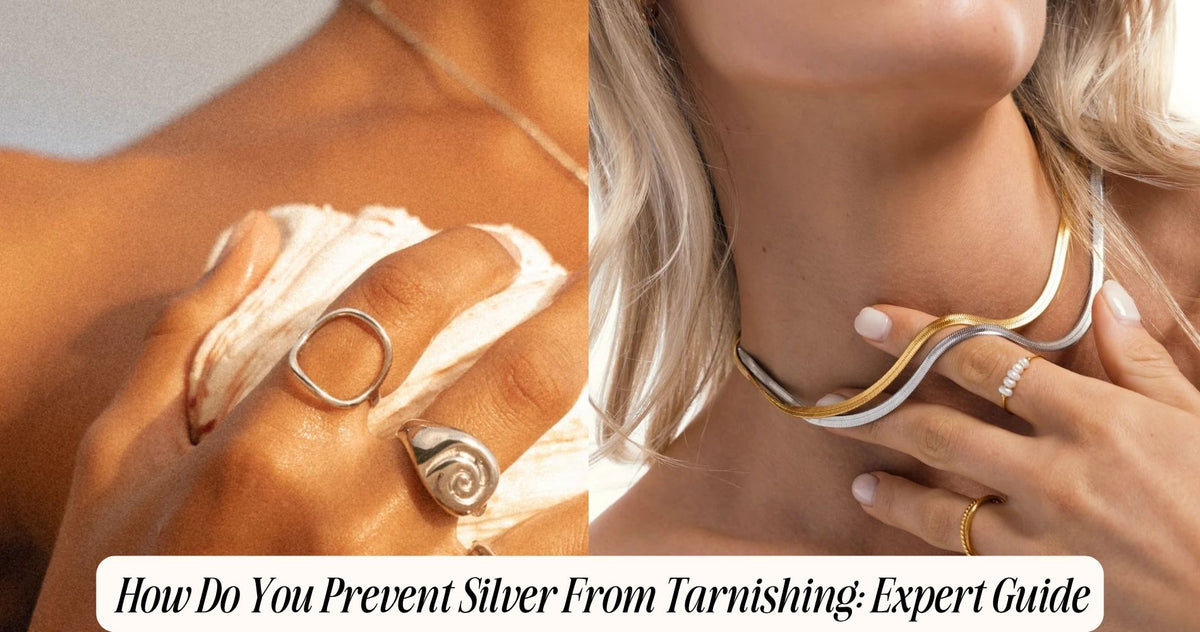
How Do You Prevent Silver From Tarnishing: Expert Guide
Once silver jewelry has already tarnished, cleaning it back to a shine is possible, but it takes time and effort you could avoid altogether with the right habits in place from the start. Learning how do you prevent silver from tarnishing shifts the entire equation from reactive cleaning to proactive protection, and the good news is that most of the effective prevention strategies are simple, low effort changes to how you store, wear, and handle your silver day to day.
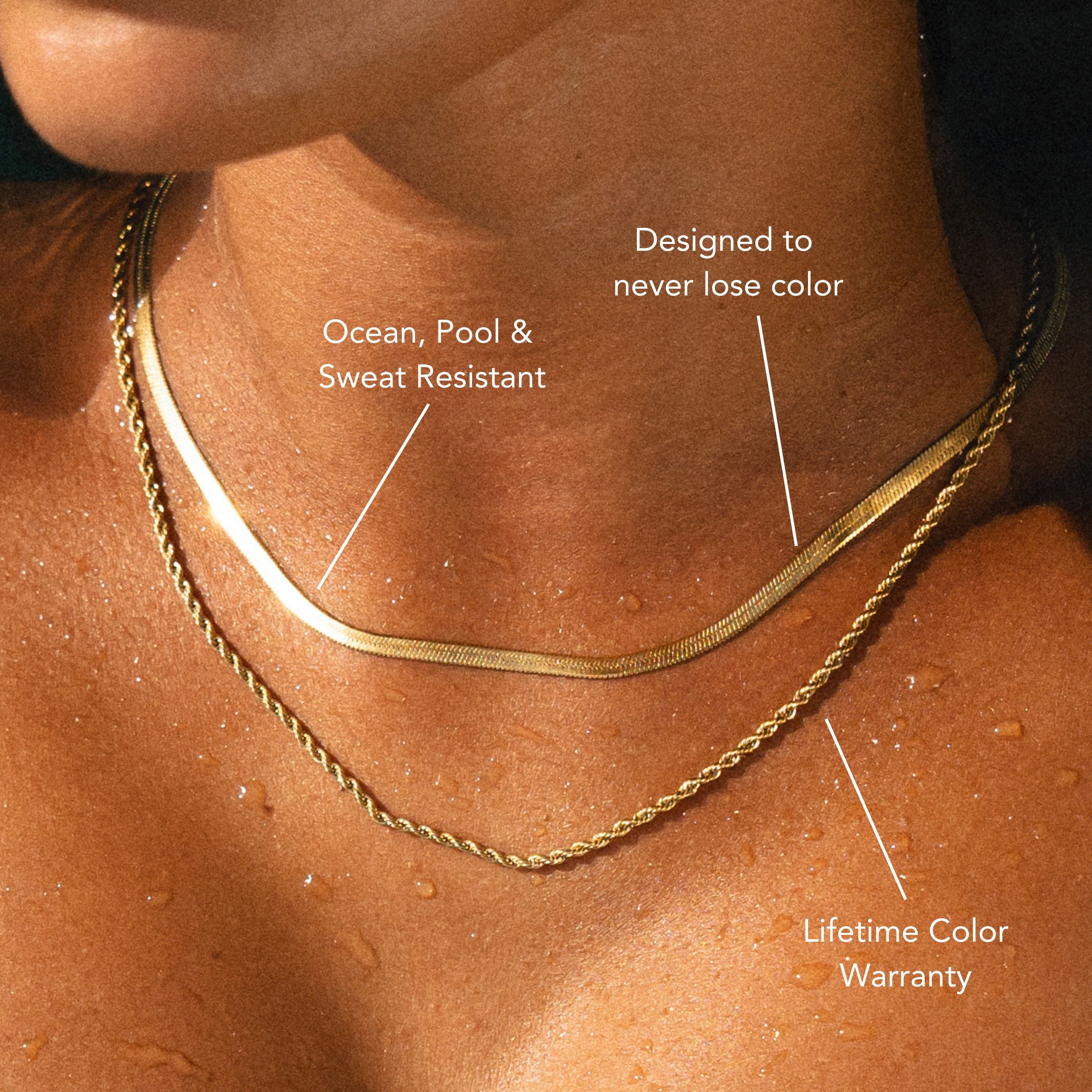
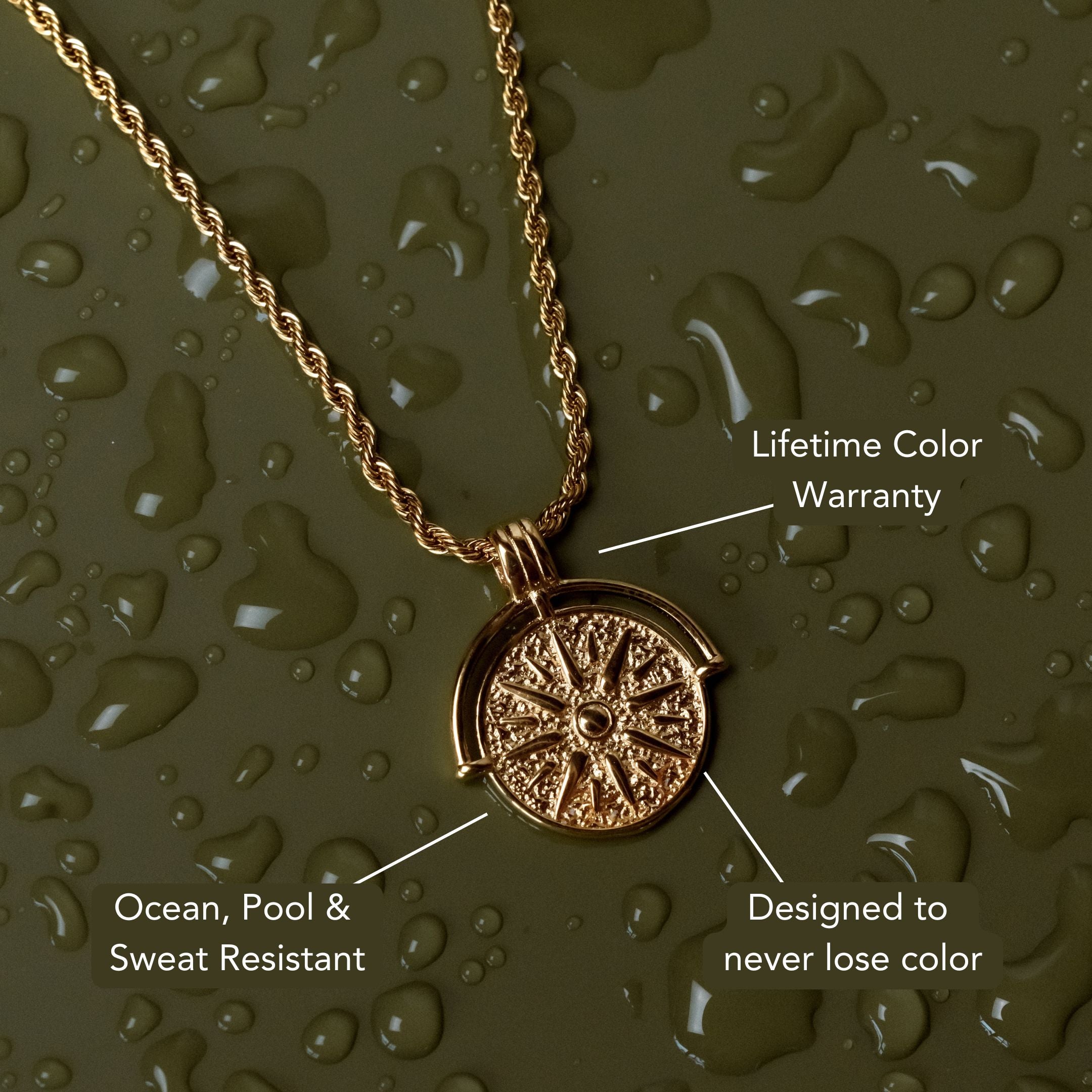
In this guide, we will focus specifically on stopping tarnish before it forms, covering storage, environmental factors, and daily habits that make the biggest difference. If you would rather sidestep the tarnish question altogether, our Silver Waterproof Jewelry collection is designed to resist tarnish significantly better than standard silver pieces.
Understanding What Actually Causes Tarnish
Prevention only works well when you understand the mechanism you are trying to stop. Silver tarnishes when it reacts with sulfur compounds present in the air, forming a thin layer of silver sulfide on the metal's surface. This reaction happens gradually and continuously, accelerated by humidity, air pollution, and contact with certain substances that contain or release sulfur.
Because this is a chemical reaction driven by exposure, effective prevention comes down to limiting exactly what your silver comes into contact with, both while it is being worn and while it is sitting in storage.

Store Silver in an Airtight Environment
Since tarnish forms through exposure to air, the single most effective prevention strategy is limiting how much air actually reaches your silver jewelry when it is not being worn. A sealed, airtight bag or container dramatically slows the tarnishing process compared to leaving pieces out in the open or in a standard, non sealed jewelry box.
Ziplock style plastic bags work well for this purpose, and pressing out as much air as possible before sealing improves the effect further. For a more polished storage solution, look for jewelry boxes or pouches specifically designed with airtight seals, since these offer the same protective benefit in a more presentable format.
Add Anti Tarnish Strips or Tablets
Small anti tarnish strips, often made from treated paper or fabric, work by absorbing sulfur compounds from the surrounding air before they have a chance to react with your silver. Placing one or two of these strips inside your storage bag or jewelry box alongside your silver pieces provides an additional, passive layer of protection that requires essentially no ongoing effort once it is in place.
These strips do lose effectiveness over time as they absorb more sulfur, so replacing them every few months, or sooner if you live in a particularly humid or polluted environment, helps maintain their protective benefit.

Use Silica Gel Packets to Control Humidity
Humidity significantly accelerates the tarnishing reaction, since moisture in the air helps facilitate the chemical process between silver and sulfur compounds. Adding silica gel packets, the same small packets often found in shoe boxes or electronics packaging, to your jewelry storage helps absorb excess moisture and keep the surrounding environment drier.
This is particularly worth doing if you live in a naturally humid climate or store jewelry in a bathroom, which tends to experience regular humidity spikes from showering that can accelerate tarnish considerably faster than storage in a drier room.
Keep Silver Away From Direct Light and Heat Sources
Beyond air and humidity, prolonged exposure to direct sunlight and heat can also contribute to faster tarnish development. Storing silver jewelry in a drawer or closet, away from windows or heating vents, helps maintain a more stable, protective storage environment compared to leaving pieces out on an open dresser or vanity in direct light.
Avoid Storing Silver With Other Reactive Materials
Certain materials release compounds that can accelerate tarnish when stored in close proximity to silver. Wool, felt, and rubber in particular can emit sulfur compounds over time, meaning lining a jewelry box with these materials, however soft and protective they may seem for preventing scratches, can actually work against your tarnish prevention efforts. Opt for anti tarnish cloth or simple cotton lining instead when choosing jewelry box materials specifically for silver storage.
Wear Silver Regularly Rather Than Letting It Sit
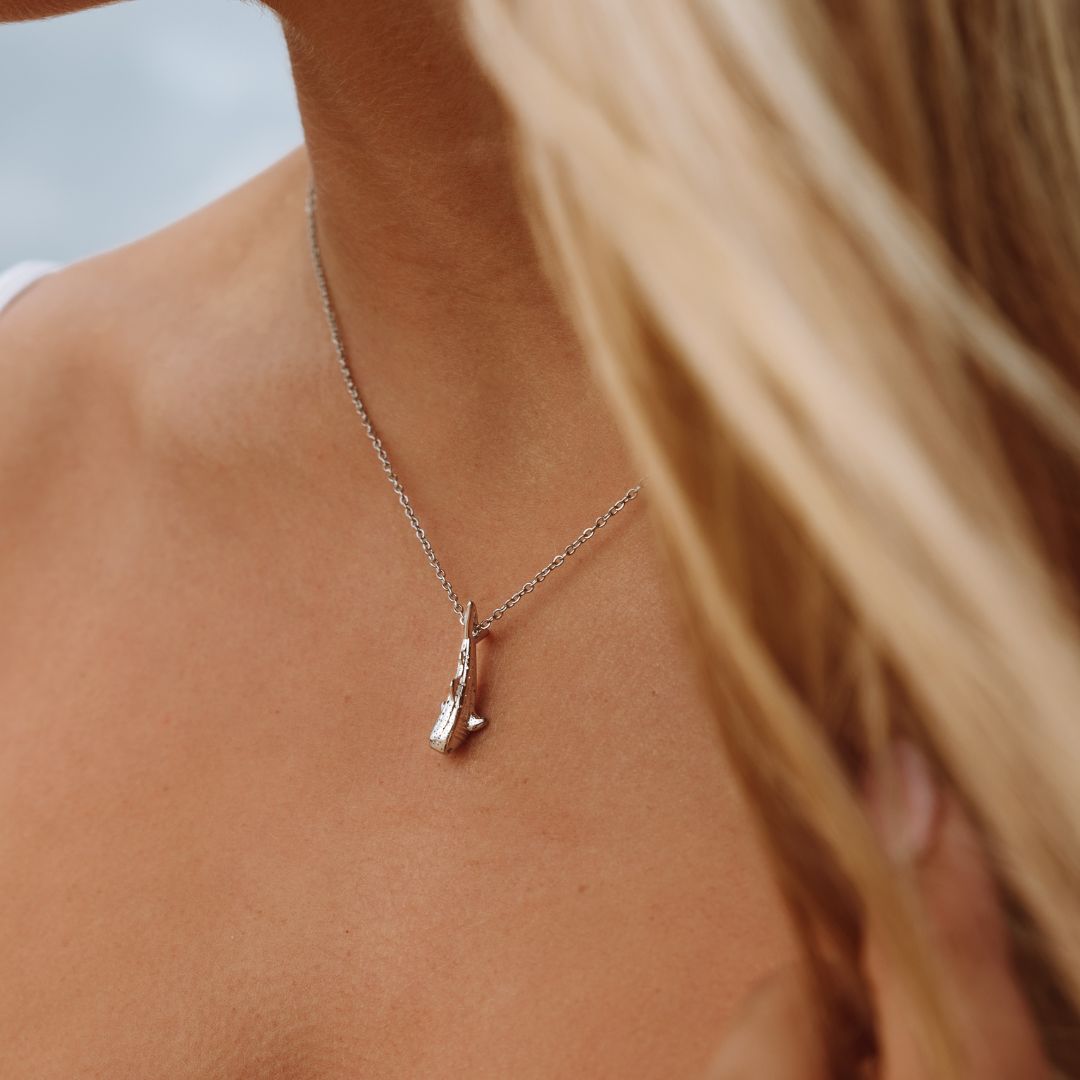
Counterintuitively, wearing silver jewelry regularly can actually help slow tarnish development compared to leaving a piece unworn in storage for extended periods. The natural oils in human skin appear to provide a small amount of protective benefit, and regular handling and movement help prevent sulfur compounds from settling and reacting undisturbed on the metal's surface.
This does not mean tarnish will never occur on frequently worn pieces, but it does mean that silver jewelry set aside and forgotten in a drawer for months or years often tarnishes more severely than a similar piece worn consistently throughout that same period.
Remove Silver Before Applying Beauty Products
Perfume, hairspray, lotion, and other personal care products contain chemical compounds that can react with silver and accelerate tarnish formation. Building a simple habit of applying these products first, then putting on your silver jewelry afterward, meaningfully reduces the amount of direct chemical exposure your pieces experience throughout the day.
This same principle applies to sunscreen and other topical products, all of which are worth applying before jewelry goes on rather than after.
Take Silver Off Before Swimming, Showering, and Cleaning
While water alone is not the primary driver of tarnish, chlorinated pool water, certain household cleaning chemicals, and prolonged exposure to moisture during activities like showering can all contribute to faster tarnish development or general surface dulling. Removing silver jewelry before these specific activities is a simple, low effort habit that meaningfully protects pieces from unnecessary chemical and moisture exposure.
Clean Silver Gently and Regularly to Interrupt Buildup
While this guide focuses on prevention rather than cleaning already tarnished silver, a light, regular wipe down with a soft cloth after each wear plays a genuinely preventive role as well. Removing surface oils, product residue, and light dust before they have a chance to sit on the metal for extended periods helps prevent the kind of buildup that can accelerate more significant tarnish over time.
Consider Rhodium Plating for Frequently Worn Pieces
For silver jewelry you wear especially often and want to protect with an additional layer beyond standard prevention habits, rhodium plating offers a more durable, tarnish resistant surface applied over the existing silver. This thin, reflective coating acts as a barrier between the silver underneath and the environmental elements that would otherwise cause tarnish, though the plating itself will eventually wear down over time and may need reapplication.
Choose Tarnish Resistant Silver Alloys When Possible
Some silver jewelry is manufactured using specialized alloys specifically formulated to resist tarnish better than standard sterling silver. These alloys typically modify the composition of metals mixed with the pure silver to reduce the alloy's overall reactivity with sulfur compounds in the air. If tarnish prevention is a significant priority for you, looking specifically for jewelry labeled as tarnish resistant silver, rather than assuming all sterling silver behaves identically, can make a meaningful long term difference.

Building a Complete Prevention Routine
The most effective approach to preventing silver tarnish combines several of these strategies together rather than relying on any single method alone. Store pieces in an airtight container with anti tarnish strips and silica gel, keep that storage location away from heat and light, apply beauty products before putting jewelry on, remove pieces before water related activities, and wear your silver regularly rather than leaving it unworn for extended stretches. Together, these habits create layered, genuinely effective protection rather than a single point of defense that could fail on its own.
Final Thoughts
Learning how do you prevent silver from tarnishing comes down to limiting exposure at every stage, storage, wearing, and daily handling. By controlling air and humidity in storage, avoiding reactive storage materials, applying beauty products before jewelry rather than after, and removing pieces before water related activities, you can significantly slow tarnish development and spend far less time on reactive cleaning down the road.
Frequently Asked Questions
-
Does wearing silver jewelry regularly really help prevent tarnish? Yes, natural skin oils and regular handling appear to provide some protective benefit, meaning frequently worn silver often tarnishes less severely than pieces left unworn for long periods.
-
What household materials should I avoid storing silver near? Wool, felt, and rubber can release sulfur compounds that accelerate tarnish, so it is best to use cotton or anti tarnish cloth for jewelry box lining instead.
-
How often should I replace anti tarnish strips? Every few months is generally sufficient, though more frequent replacement is worthwhile in particularly humid or polluted environments.
-
Can rhodium plating stop silver from tarnishing entirely? Rhodium plating significantly slows tarnish by creating a protective barrier, though the plating itself wears down over time and may eventually need reapplication.









Leave a comment
This site is protected by hCaptcha and the hCaptcha Privacy Policy and Terms of Service apply.