


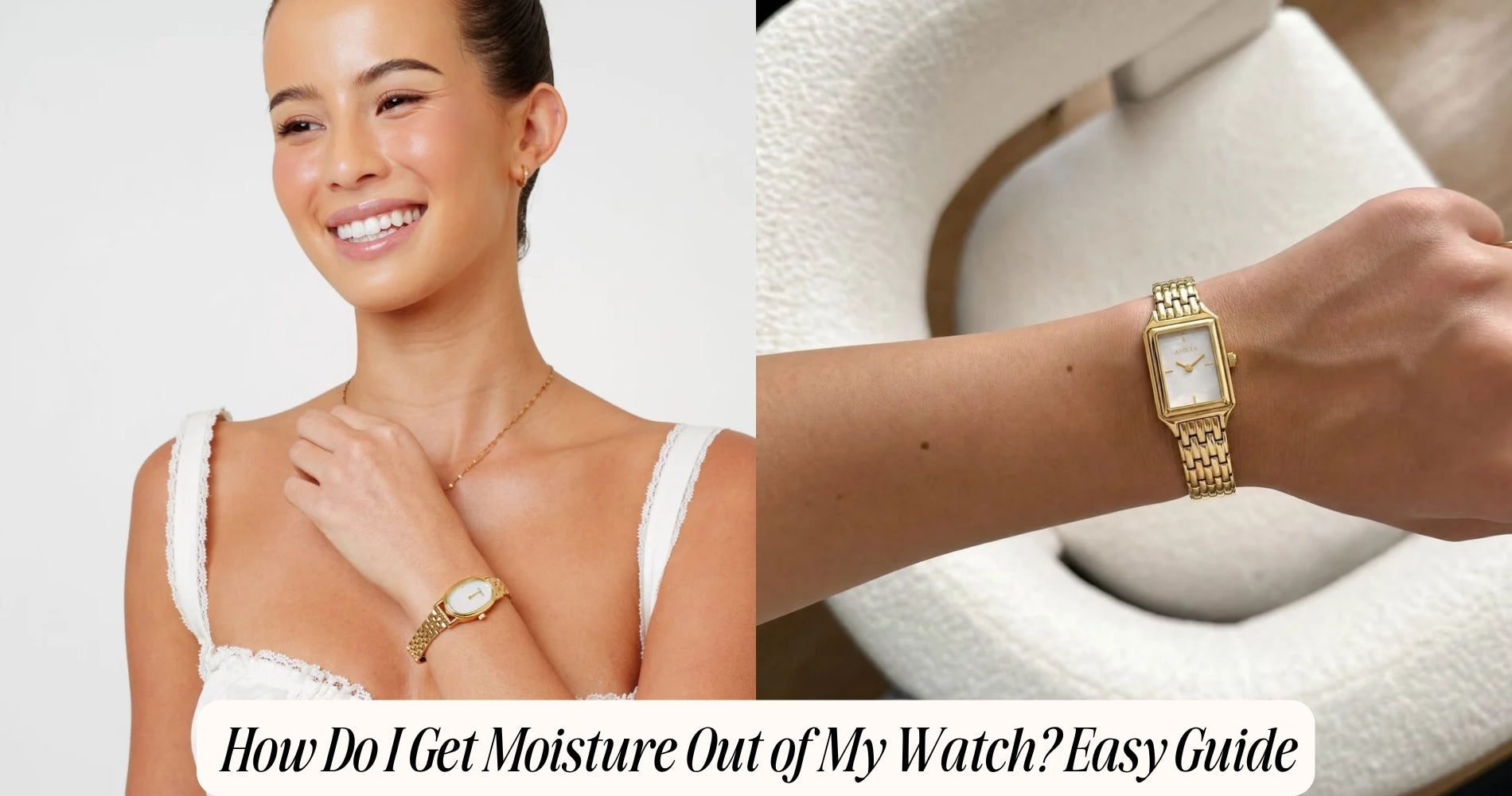
How Do I Get Moisture Out of My Watch? Easy Guide
Discovering condensation or fogging under your watch's crystal is a frustrating moment, especially if you are not sure whether the moisture will clear on its own or cause lasting damage to the internal components. If you are asking yourself how do I get moisture out of my watch, the good news is that in many cases, this issue can be resolved at home, provided you act relatively quickly and use the right approach.
In this guide, we will walk through safe, effective methods for removing moisture from your watch, along with tips for preventing this issue going forward. If you would rather sidestep moisture concerns altogether with your everyday accessories, our Waterproof Jewelry collection offers pieces specifically designed to handle regular water exposure without hesitation.
Why Moisture Gets Into a Watch
Before addressing how to remove moisture, it helps to understand how it gets inside the watch in the first place. Most watches are designed with some level of water resistance, but this resistance can weaken over time due to worn seals or gaskets, cracks in the crystal, or exposure to water beyond the watch's specific resistance rating.
Sudden temperature changes can also cause condensation to form inside a watch, even without any actual water damage to the seals, since rapid shifts between hot and cold environments can cause moisture in the air to condense on the inside of the watch crystal, similar to how condensation forms on a cold glass on a humid day.

Signs of Moisture Inside Your Watch
Recognizing the signs of moisture buildup early can help you address the issue before it causes more significant damage to the watch's internal mechanisms.
The most obvious sign is visible fogging or condensation directly under the watch crystal, sometimes appearing as small water droplets or a general hazy, foggy appearance. In more severe cases, you might notice the watch hands moving erratically, the watch stopping altogether, or visible rust or discoloration on internal components, all of which suggest more significant water intrusion requiring professional attention rather than at home remedies.
How Do I Get Moisture Out of My Watch: Safe Methods
If you notice minor condensation or fogging, several safe, at home methods can help address the issue before it causes more significant damage.
The Silica Gel Method
Silica gel packets, the small packets often found inside shoe boxes or electronics packaging, are excellent at absorbing excess moisture. Place your watch in a small, airtight container along with several silica gel packets, then seal the container and leave the watch inside for at least 24 hours. The silica gel will gradually draw moisture out of the watch, often resolving minor condensation issues effectively.
The Rice Method
Similar to the well known method for drying out wet electronics, uncooked rice can also help absorb moisture from a watch. Place your watch in a bowl or container filled with uncooked rice, ensuring the watch is fully surrounded, then leave it for 24 to 48 hours. While rice is generally less effective than silica gel specifically, it remains a widely accessible household option for addressing minor moisture concerns.
Warm, Dry Air Exposure
Placing your watch in a warm, dry environment, such as near a sunny window or a gently warm area away from direct, intense heat, can sometimes help evaporate minor condensation naturally over a day or two. Avoid placing the watch in direct, intense heat or near an open flame, since excessive heat can potentially damage other components or seals within the watch.
Opening the Watch Back (Advanced Users Only)
For those comfortable working with small tools and watch components, carefully opening the watch back to allow trapped moisture to evaporate more directly can help resolve more persistent condensation. However, this method requires appropriate tools and a reasonable level of comfort handling small watch components, and improperly reassembling the watch back can potentially compromise its water resistance further, so this approach is best reserved for those with some relevant experience or as a last resort before professional repair.

What to Avoid When Trying to Remove Moisture
While addressing watch moisture, a few common mistakes can potentially worsen the situation rather than improve it.
Avoid using a hair dryer or other direct heat source at close range, since excessive, concentrated heat can damage internal components, seals, or even crack the watch crystal itself. Avoid shaking the watch vigorously in an attempt to remove moisture, since this can potentially cause more water to spread to additional internal components rather than actually removing it. Avoid opening the watch back without appropriate tools or experience, since improper handling can introduce additional dust or debris, or compromise the watch's water resistant seals even further.
When Moisture Indicates a Bigger Problem
While minor condensation from temperature changes can often be resolved with simple at home methods, moisture caused by actual water exposure beyond the watch's resistance rating often indicates a more significant underlying issue that requires professional attention.
If your watch has been submerged in water beyond its rated resistance, was worn during an activity involving more water exposure than intended, or continues to show moisture even after attempting at home drying methods, this suggests a compromised seal or gasket that will likely continue causing problems until professionally repaired.
Signs You Need Professional Repair
A few specific signs indicate that professional watch repair is necessary rather than continuing to rely on at home moisture removal methods.
- Persistent fogging that does not clear even after several days of appropriate drying attempts suggests the moisture source has not been fully addressed, or that internal damage may have already occurred.
- Visible rust or corrosion on any internal components indicates water damage has progressed beyond simple condensation, requiring professional cleaning and potentially component replacement.
- Erratic movement or a stopped watch suggests the moisture may have affected the internal mechanism directly, which requires professional disassembly and cleaning to properly address.
- Recurring moisture issues, even after successfully drying the watch previously, suggests an ongoing seal or gasket problem that will continue causing issues until properly repaired.

Preventing Future Moisture Issues
Once you have successfully addressed existing moisture, a few preventive habits can help reduce the likelihood of this issue recurring in the future.
Avoid exposing your watch to water beyond its specific water resistance rating, checking your particular watch's specifications before swimming, showering, or other water related activities. Have your watch's seals and gaskets checked periodically by a professional, particularly for watches with genuine water resistance ratings that you rely on regularly, since these seals can naturally degrade over time even without any specific incident causing damage. Avoid exposing your watch to sudden, extreme temperature changes when possible, since this can contribute to condensation formation even without any actual water resistance failure. Consider having your watch professionally serviced periodically, which often includes seal and gasket inspection as part of routine maintenance.
Choosing Genuinely Water Resistant Accessories
If dealing with watch moisture issues repeatedly has become frustrating, considering accessories specifically designed for consistent water exposure can offer meaningful peace of mind for your everyday routine. Unlike traditional watches, which rely on seals and gaskets that can degrade over time, certain jewelry and accessories are constructed from materials inherently resistant to water damage, without the same ongoing maintenance concerns.

Final Thoughts
So, how do I get moisture out of my watch? For minor condensation, methods like silica gel, uncooked rice, or gentle warm air exposure can often resolve the issue effectively within a day or two. However, persistent moisture, visible rust, or erratic watch function indicate a more significant problem requiring professional repair rather than continued at home attempts.
By understanding both how to address existing moisture and how to prevent future issues, you can help keep your watch functioning properly and extend its overall lifespan significantly.
Frequently Asked Questions
1. How long does it take to dry moisture out of a watch using silica gel?
Typically at least 24 hours, though more significant moisture may require additional time for complete resolution.
2. Can I use a hair dryer to remove moisture from my watch?
No, direct heat from a hair dryer can damage internal components and seals, making this method unsafe despite seeming like a quick solution.
3. Is it normal for watches to occasionally fog up?
Minor, occasional fogging from temperature changes can happen even in watches with intact seals, though persistent or worsening fogging suggests a genuine problem requiring attention.
4. When should I take my watch to a professional instead of trying to fix it myself?
If moisture persists after at home drying attempts, or if you notice rust, erratic movement, or a stopped watch, professional repair is recommended.














Leave a comment
This site is protected by hCaptcha and the hCaptcha Privacy Policy and Terms of Service apply.