

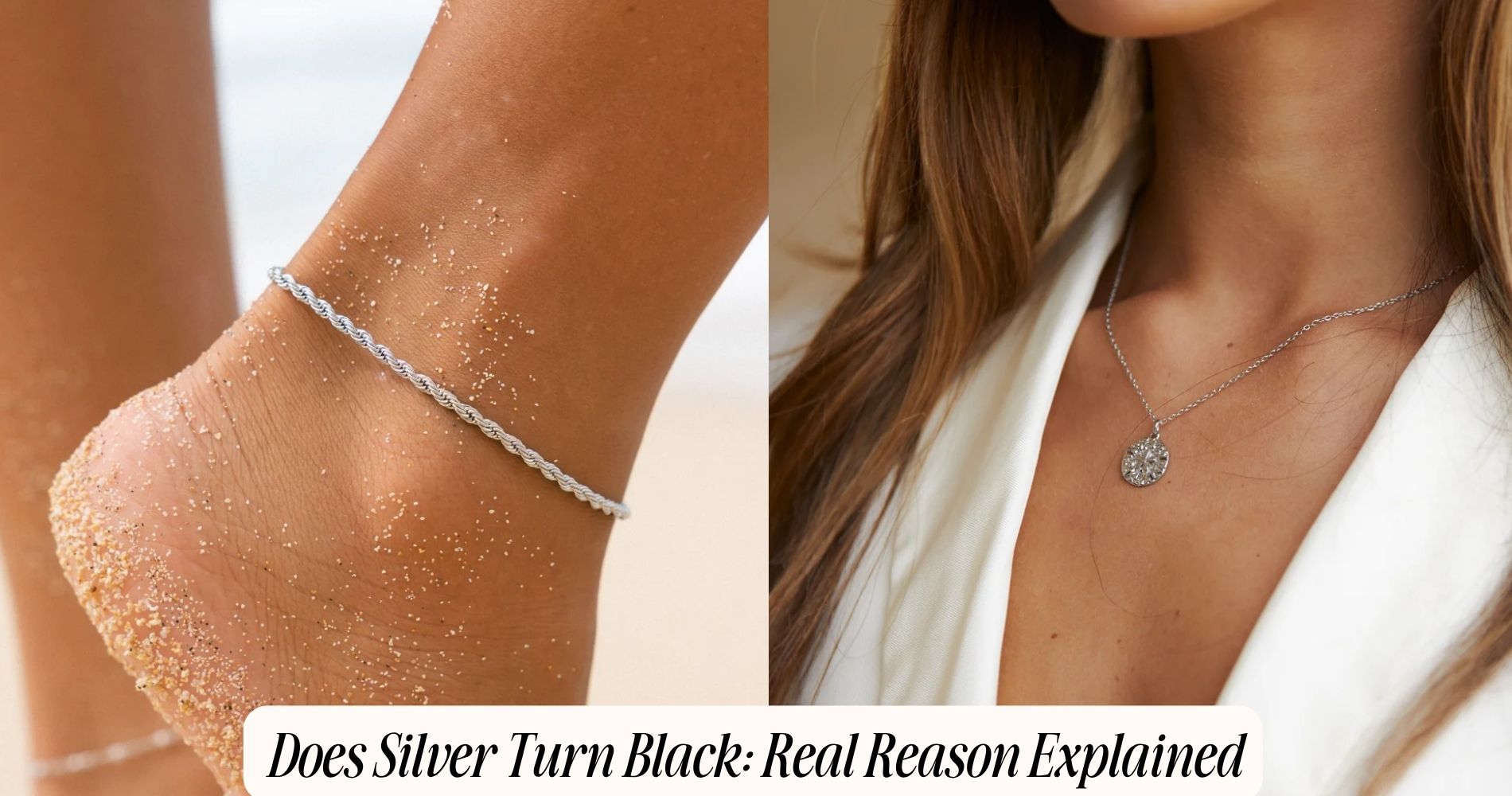
Does Silver Turn Black: Real Reason Explained
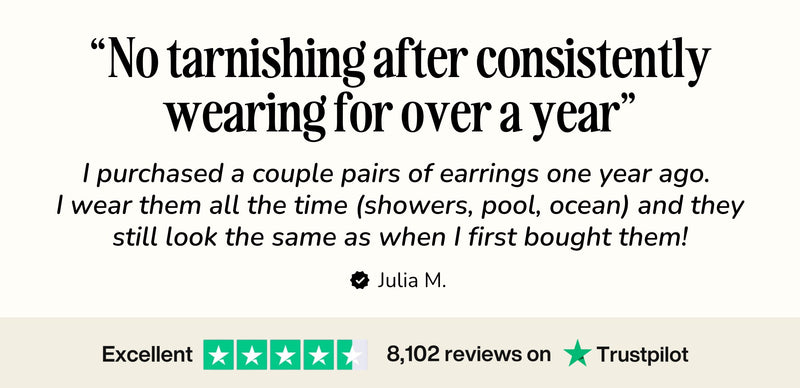
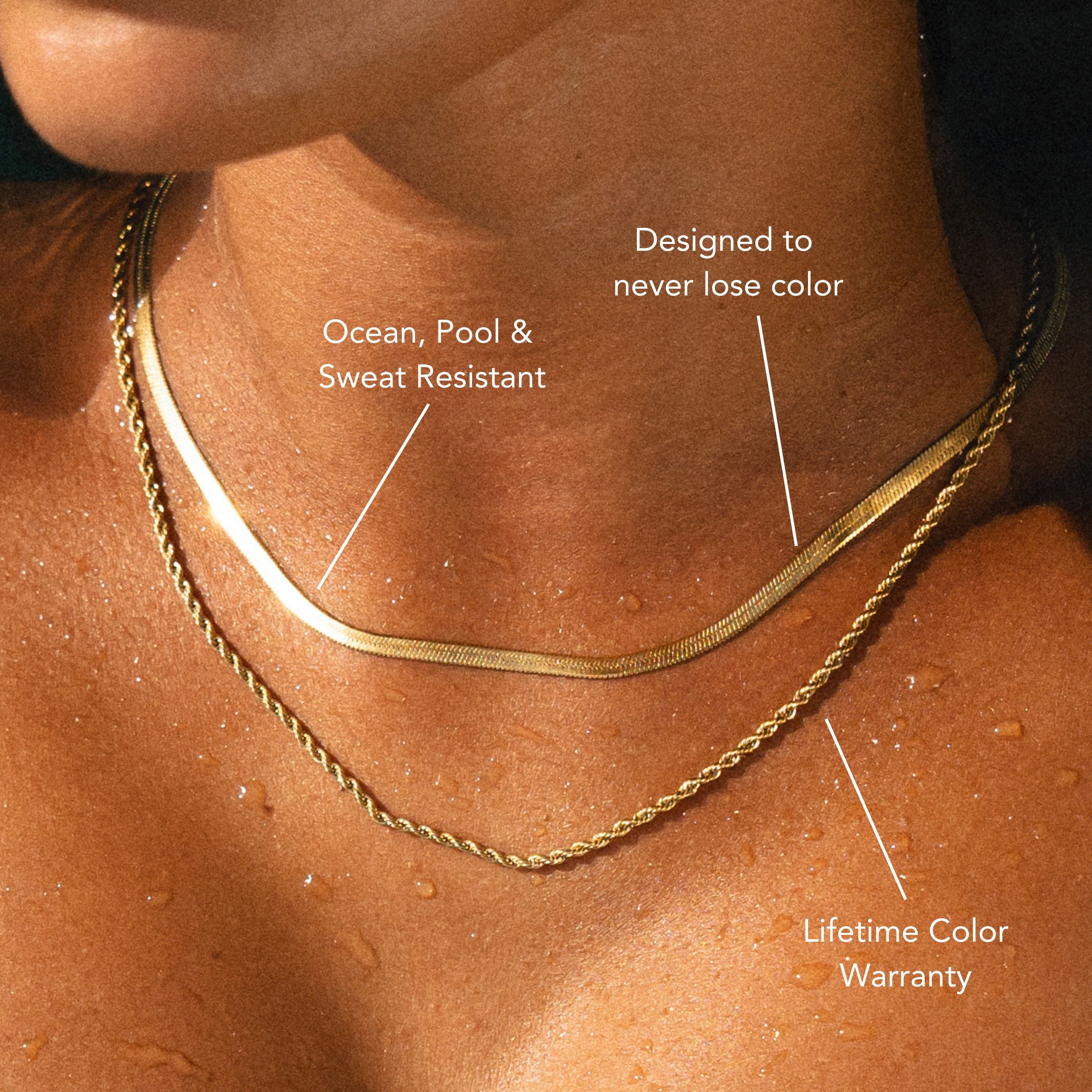
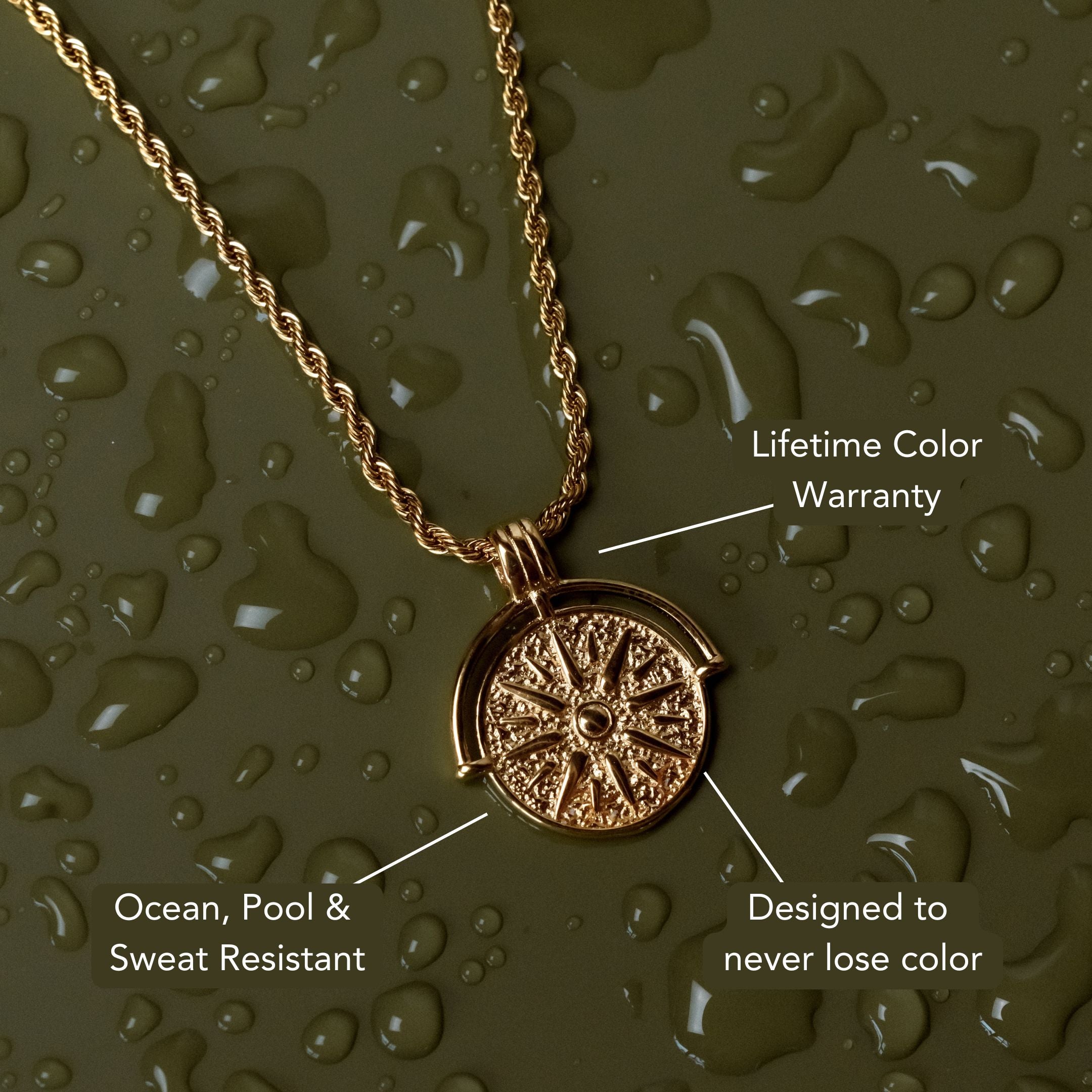
Does silver turn black? Yes—silver darkens due to chemical reactions with sulfur- and oxygen-containing compounds, forming a surface layer like silver sulfide rather than indicating damage to the metal. This process can usually be reversed with gentle cleaning or polishing, and slowed by reducing exposure to moisture and sulfur. For easier maintenance and longer-lasting shine, pieces from the Silver Waterproof Jewelry collection are designed to better withstand everyday conditions.
Why Silver Blackens : Quick Answer and What to Do Now
Because silver readily reacts with sulfur-containing compounds in air and some compounds in your skin and household products, it develops a dark oxide/sulfide layer over time.
You’ll observe blackening as a surface phenomenon driven by the oxidation process and the metal’s affinity for sulfur; these silver properties dictate reaction kinetics and layer composition.
You can slow blackening by controlling exposure: store items in low-humidity, sulfur-free environments, use anti-tarnish packets, or wrap pieces in inert cloth.
For immediate restoration, apply mild polishing with a non-abrasive silver cleaner or a chemically appropriate dip, following manufacturer instructions to avoid substrate damage.
Regular, minimal maintenance preserves appearance without altering underlying metallurgical integrity or accelerating degradation.

Why Silver Tarnishes: The Chemistry Explained
Silver tarnishes through surface reactions that convert elemental silver (Ag) into primarily silver sulfide (Ag2S) and, to lesser extents, silver oxide (Ag2O) and other sulfur- or oxygen-containing compounds when it encounters trace amounts of sulfur-containing gases (like H2S), ozone, or oxidants in air and on skin.
You’ll see this as a thin, adherent dark film because Ag2S absorbs and scatters visible light differently than metallic silver.
The oxidation process proceeds via adsorption of reactive species, electron transfer from Ag to the adsorbate, and nucleation of silver compounds at defect sites.
Reaction rates depend on temperature, humidity, pollutant concentration, and surface area; finer grains tarnish faster.
Understanding these mechanistic steps lets you predict susceptibility and choose targeted preventive measures.
Tarnish vs. Corrosion: How to Tell Which You Have
When you inspect a darkened piece of metal, distinguishing tarnish from corrosion matters because the underlying processes, risks, and remedies differ: tarnish is a thin, often reversible surface layer—typically silver sulfide on Ag—that alters appearance but leaves structural integrity intact, whereas corrosion denotes progressive, often penetrating chemical attack that compromises the material.
You’ll assess visual cues: uniform grey-black films with preserved sharp edges indicate tarnish; pitting, flaking, or material loss signals corrosion.
Use simple tests: gentle polishing removes tarnish but won’t restore metal eaten by corrosion.
Evaluate context: exposure to sulfurous atmospheres favors tarnish, saltwater or acidic environments promote corrosion.
For asset management, integrate corrosion identification into inspection protocols and follow tarnish prevention strategies to reduce surface sulfide formation.

Safe, Quick Home Methods to Clean Silver Tarnish
If your silver shows the thin, removable film of tarnish rather than pits or flaking, you can restore it quickly using safe, household techniques that rely on mild abrasives, chelation, or chemical reduction rather than harsh acids; choose the method based on the item's construction, ornamentation, and any non-silver components to avoid damage.
Start with nonabrasive polishing cloths for light films—rub along contours to avoid material loss. For heavier but uniform tarnish, use an aluminum foil bath with hot water and baking soda to drive a galvanic reaction that reduces silver sulfide.
A controlled vinegar solution can chelate surface residues; rinse immediately. For localized spots, the toothpaste method offers mild abrasion—apply sparingly with a soft brush. Use commercial cleaners only when composition is verified.
When to Avoid DIY and How to Store Silver to Prevent Tarnish
Because improper cleaning can cause irreversible damage, you should avoid DIY methods on pieces with porous surfaces, soldered joints, plated areas, or gemstones glued in place.
When you encounter composite construction, thin plating, or unknown alloys, stop and consult a conservator; DIY precautions can’t mitigate risks like dissolved adhesives, removed plating, or embrittlement from abrasive agents.
For safe silver storage, control environment: maintain stable relative humidity below 50% and temperature fluctuations minimal to reduce sulfide formation.
Use inert, acid-free materials—archival tissue, polyethylene bags with anti-tarnish strips, or tarnish-resistant cloth pouches—and avoid rubber, newspaper, or wood contact.
Store items individually to prevent abrasion and chemical transfer.
Inspect periodically; if tarnish advances despite storage, seek professional treatment rather than escalating DIY interventions.

Frequently Asked Questions
Can Sterling Silver Cause Skin Irritation or Allergic Reactions?
Yes — you can develop skin sensitivity or allergic dermatitis from sterling silver if impurities like nickel are present; you’ll assess metal allergies clinically, adjust jewelry care, and use hypoallergenic plating or alternative metals to prevent reactions.
Does Silver Jewelry Lose Value When It Tarnishes?
Tarnish itself doesn't inherently reduce intrinsic silver value, but corrosion and damage can; you should implement tarnish prevention and proper storage to maintain value retention, as physical degradation and surface loss will lower market worth.
Are Silver-Plated Items Safe to Clean With Ultrasonic Cleaners?
Yes—you can use ultrasonic cleaning for many silver-plated items, but you should test and control parameters: ultrasonic cleaning frequency, duration, and appropriate solution matter for silver plated care to avoid abrasion, delamination, or base-metal corrosion.
How Long Does Newly Cleaned Silver Stay Tarnish-Free?
Typically, newly cleaned silver stays tarnish-free for weeks to months depending on environment; you’ll extend that by following tarnish prevention tips, using proper silver cleaning methods, storing airtight, avoiding sulfur exposure and handling minimally.
Can Household Humidity Controllers Prevent Silver Tarnish?
Yes — you can reduce tarnish: effective humidity control (maintaining ~35–50% RH) slows sulfide formation and supports silver preservation; active dehumidifiers, silica gel, or climate cabinets analyze and control moisture for predictable protection.
Conclusion
Silver doesn’t “turn black” from rust; it tarnishes. You’re looking at a thin layer of silver sulfide formed when silver reacts with sulfurous compounds in air, not metal loss by oxidation. Distinguish tarnish (removable surface sulfides) from corrosion (material degradation). Use controlled chemical cleaning or mild electrochemical methods for removal, avoid abrasive actions, and store silver in low-humidity, sulfur-free environments with barriers like anti-tarnish cloth to minimize recurrence.










Leave a comment
This site is protected by hCaptcha and the hCaptcha Privacy Policy and Terms of Service apply.