

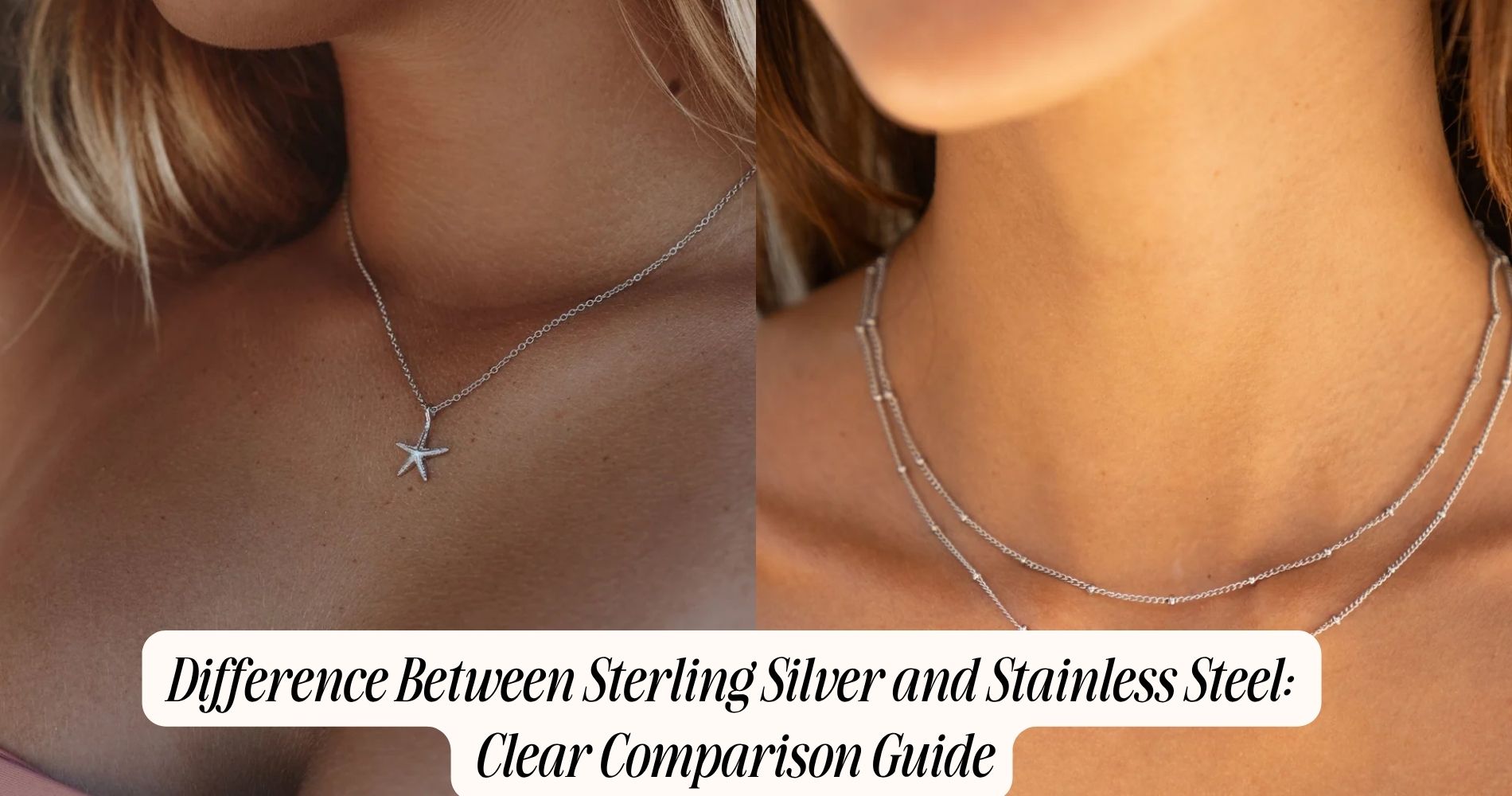
Difference Between Sterling Silver and Stainless Steel: Clear Comparison Guide
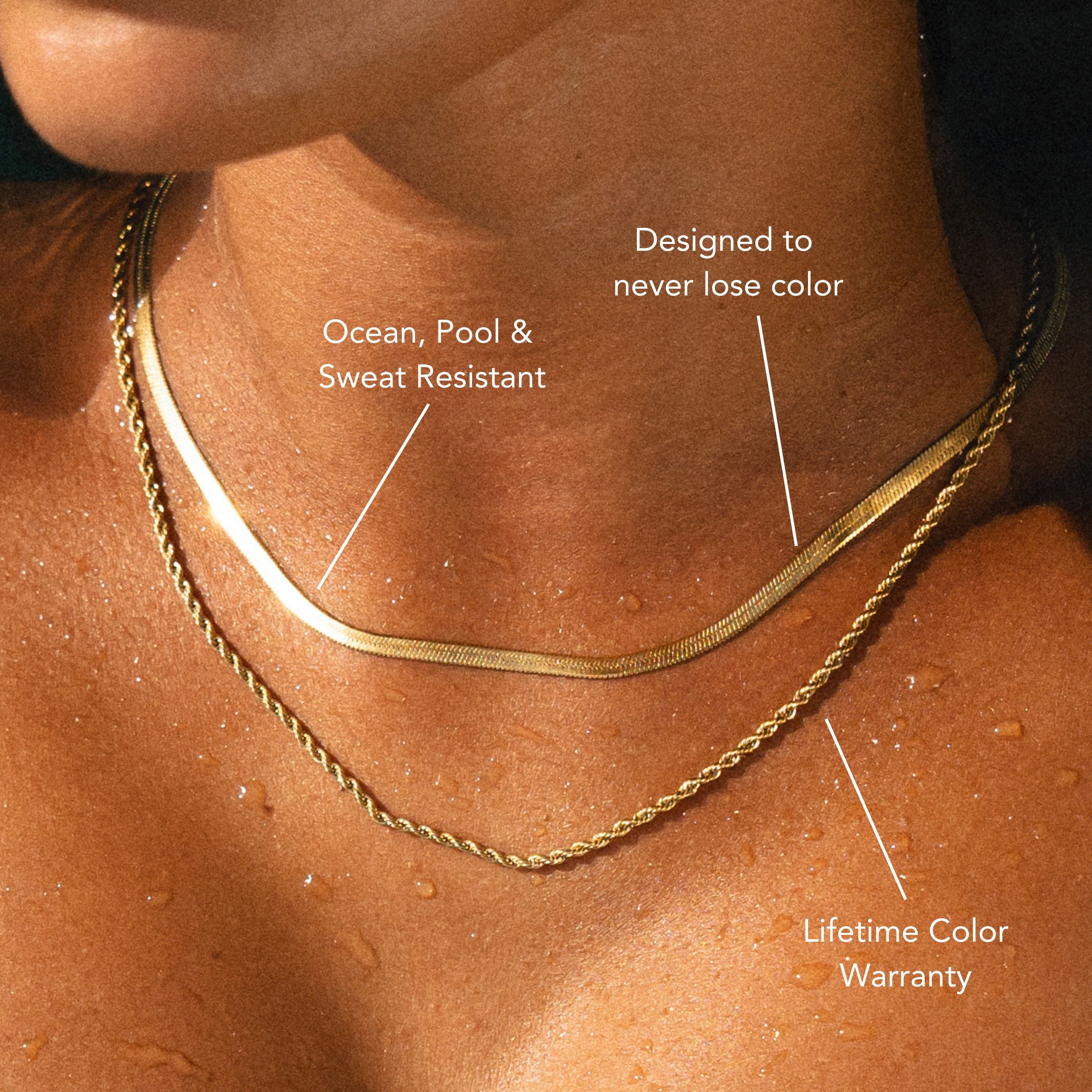
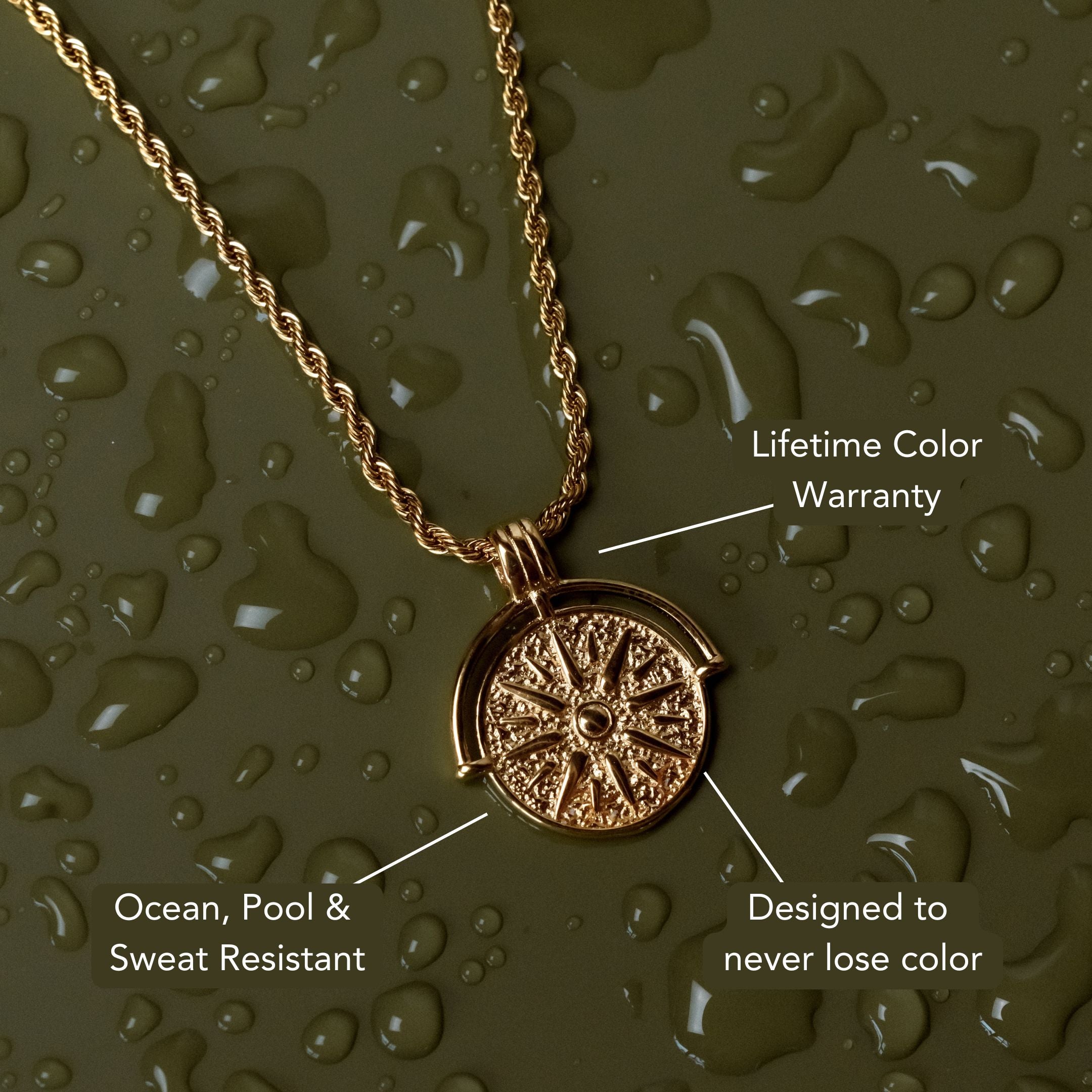
Understanding the difference between sterling silver and stainless steel helps you choose the right material for your lifestyle and preferences. Sterling silver offers a warm, classic luster, heirloom appeal, and allows for intricate detailing, but it’s softer, prone to tarnish, and requires regular polishing. Stainless steel, on the other hand, is highly durable, resistant to scratches and corrosion, low maintenance, and often more affordable, making it ideal for everyday wear. Knowing the difference between sterling silver and stainless steel will help you balance style, care, and practicality—especially when exploring durable options like those in the Silver Waterproof Jewelry collection.
Quick Decision Guide: Pick Sterling or Stainless by Budget and Lifestyle
Wondering which metal fits your life and wallet? You’ll weigh budget considerations and lifestyle preferences quickly: choose stainless steel if you want durable, low-maintenance pieces that resist scratches, water, and tarnish while costing less upfront.
It suits active days, frequent travel, and allergy-sensitive skin when you pick hypoallergenic grades.
Opt for sterling silver when you value classic shine, higher perceived value, and easy professional polishing—expect more care and occasional tarnish removal, plus higher cost.
If you’re balancing style and maintenance, pick sterling for dressier looks you polish occasionally; pick stainless for everyday toughness and minimal fuss.
Decide by matching purchase price to how often you’ll wear, clean, and risk damaging the piece.

Sterling Silver: Composition, Luster, and Typical Uses
If you lean toward sterling silver for dressier pieces, here’s what you’re getting: sterling is an alloy made of 92.5% pure silver and 7.5% typically copper (marked .925), which gives the metal strength while preserving silver’s bright, reflective luster.
You’ll appreciate how silver alloys respond to different crafting techniques—filigree, repoussé, and hand-hammering preserve fine detail and influence luster variations from matte to high polish.
Sterling carries historical significance in heirlooms and period jewelry, so choosing it ties you to tradition while matching contemporary jewelry trends. Expect higher market demand for well-made pieces and be ready to care for tarnish.
If you want dressy, warm-toned shine and artisanal finishes, sterling is a persuasive, time-tested choice.
Stainless Steel: Composition, Finish, and Typical Uses
While sterling shines for dressier looks, stainless steel gives you durability and low maintenance: primarily an iron alloy with chromium (usually 10–20%) for corrosion resistance, plus nickel, molybdenum, or carbon in varying amounts to tune hardness and finish.
You’ll appreciate stainless steel properties like toughness, scratch resistance, and low reactivity, which drive stainless steel applications from cookware and medical tools to jewelry and architecture.
Different stainless steel grades offer varied strength and corrosion resistance; that affects stainless steel finishes (polished, brushed, bead-blasted) and how you use each piece.
Know stainless steel manufacturing and its long stainless steel history to value the material. Compared to alternatives like stainless steel vs titanium, steel is cost-effective.
Its advantages include recyclability and low stainless steel maintenance, supporting stainless steel sustainability.

Composition and Alloys : Sterling vs Stainless (What’s Inside)
You’ve seen how stainless steel’s alloying elements shape its toughness and finishes; now compare that to what’s inside sterling silver and how each alloy alters performance and appearance.
Sterling silver is primarily 92.5% silver mixed with 7.5% usually copper, though sometimes zinc or nickel replaces copper to adjust hardness and reduce tarnish. Those alloy types boost durability and influence tarnish resistance and malleability—key metal properties you’ll consider for jewelry and flatware.
Stainless steel, by contrast, uses iron-based alloys with chromium, nickel, and sometimes molybdenum or titanium to add strength, corrosion resistance, and workability.
Knowing these alloy types and resulting metal properties helps you pick between softer, more repairable sterling and tougher, lower-maintenance stainless for your intended use.
Appearance: Sterling Silver vs Stainless Steel (Color, Polish, Patina)
Look for subtle cues: sterling silver shows a warm, slightly creamy white that takes a high, soft polish and develops a desirable patina over time, whereas stainless steel reads cooler and more neutral, holds a brighter, mirror-like polish, and stays largely unchanged without darkening.
You’ll notice color variations in silver pieces as they age, shifting toward soft gray highlights that many collectors prize; stainless steel’s tone stays consistent across lighting.
Surface textures matter: silver accepts intricate, satin, or burnished finishes that age into character, while steel favors crisp, reflective surfaces and consistent machining marks.
When choosing, think about aesthetic goals—do you want evolving warmth and depth, or a maintenance-free, modern sheen? Your choice signals timeless warmth versus utilitarian polish.
Durability: Scratches, Dents, Corrosion, and Long‑Term Aging
Shifting from how each metal looks, consider how they hold up day to day: sterling silver is softer and scratches, dents, and bends more readily than stainless steel, so it demands gentler wear and occasional repair, whereas stainless steel resists surface damage and keeps its shape under rougher use.
If you need high scratch resistance and minimal upkeep, stainless steel delivers better corrosion resistance and consistent long term performance; it tolerates knocks, moisture, and sweat without major change.
Sterling silver develops patina and will need polishing to restore shine, which affects material longevity if not maintained.
Choose sterling for refined, cared-for pieces; choose stainless steel when durability, lower maintenance, and predictable long term performance matter most.
Hypoallergenic and Skin Safety: Who Should Choose Which Metal
Because metals contact your skin all day, choosing the right one matters for comfort and reactions.
If you have known metal sensitivities or frequent skin reactions, opt for high-grade stainless steel (316L or 904L) because it's nickel‑controlled and offers superior skin compatibility for most people.
Sterling silver looks nicer to many, but its copper content and possible nickel alloys can trigger irritation if you're sensitive, so test before prolonged wear.
Prioritize allergy awareness: try a short wear test or use barrier coatings when unsure.
For pierced areas or daily-worn pieces, choose metals labeled hypoallergenic and medical‑grade.
You’ll reduce flare-ups and feel more comfortable by matching material choice to your sensitivity profile and practicing proactive allergy awareness.

Care and Maintenance: Cleaning, Preventing Tarnish, Polishing Tips
While both sterling silver and stainless steel benefit from regular care, they require different cleaning methods to keep them looking their best; follow simple, material‑specific steps to remove dirt, prevent tarnish, and restore shine without damaging finishes.
For sterling silver, wipe daily with a soft cloth, store in anti‑tarnish pouches, and use a gentle silver polish or baking‑soda paste for deeper cleaning—avoid abrasive pads and chlorine.
For stainless steel, wash with warm soapy water, dry thoroughly to prevent water spots, and use a microfiber cloth or nonabrasive metal polish for fingerprints and light scratches.
For both, remove jewelry before swimming, showering, or heavy work.
Regular, appropriate cleaning methods plus tarnish prevention habits will keep your pieces attractive and long‑lasting.
Price and Perceived Value: Cost, Resale, and Heirloom Potential
When you compare sterling silver and stainless steel, cost and perceived value diverge sharply: sterling silver commands higher retail prices because it’s a precious metal with intrinsic silver content and traditional cachet, while stainless steel is much cheaper to produce and sells primarily on durability and design.
You’ll pay more upfront for sterling because value perception ties to metal content and brand heritage, which also supports stronger resale in the right market.
Stainless steel gives you low cost, minimal depreciation, and practical longevity but limited investment potential.
If you want an heirloom or possible asset, sterling’s intrinsic worth and collectible appeal matter.
If you prioritize affordability and everyday utility, stainless steel delivers predictable value without speculative upside.
Best Uses: Jewelry, Flatware, and Everyday Goods
Think practicality: sterling silver and stainless steel each excel in different roles based on appearance, durability, and maintenance.
You’ll choose sterling silver when jewelry styles demand warmth, luster, and a heirloom feel—think classic necklaces, ornate bracelets, and formal pieces that suit refined aesthetic preferences.
Pick stainless steel for modern, budget-friendly jewelry styles that withstand daily wear, sweat, and bumps without much care.
For flatware materials, sterling offers elegance for special occasions but needs polishing; stainless steel serves everyday flatware beautifully, resisting stains and scratches.
In everyday applications beyond accessories and cutlery—like watches, key rings, and home hardware—stainless steel wins for toughness and low upkeep.
Match material to purpose: prioritize appearance for keepsakes, durability for routine use.

Frequently Asked Questions
Can Sterling Silver Be Rhodium Plated Like White Gold?
Yes — you can rhodium plate sterling silver to boost silver durability and brighten its look; you’ll get better scratch and tarnish resistance, but the plating will wear over time and may need periodic replating to maintain finish.
Which Metal Is Better for Engraving Intricate Designs?
Sterling silver’s softer surface suits finer engraving techniques, so you’ll get more intricate detail; stainless steel offers greater design durability and resists wear, so you’ll choose it when longevity and toughness matter most.
Do Stainless Steel and Sterling React Differently to Perfumes?
Yes — they react differently: sterling tarnishes faster with perfume acids, affecting perfume longevity and prompting cleaning, while stainless resists corrosion, so if you have metal sensitivity or want lasting scent performance, stainless steel’s preferable.
Are There Eco-Friendly Recycling Differences Between Them?
Yes — you’ll see eco-friendly recycling differences: stainless steel’s recycling processes are widespread and energy-efficient, lowering environmental impact, while sterling silver recycling is feasible but less common and often involves more specialized, resource-intensive refining.
Can Magnets Distinguish Sterling From Stainless Steel?
Yes — you can use magnets: sterling silver is nonmagnetic, while some stainless steels are magnetic. Use magnetic properties with care; combine with visual cues to assess authenticity and metal durability for confident identification.
Conclusion
Now that you know the facts, choose based on how you live and what you value. If you want classic shine, heirloom potential, and don’t mind occasional polishing, pick sterling silver. If you need durability, low maintenance, and budget-friendly pieces that resist scratches and water, go with stainless steel. Both can look great—match the metal to your lifestyle, skin sensitivity, and budget to get maximum wear and satisfaction from every piece.











Leave a comment
This site is protected by hCaptcha and the hCaptcha Privacy Policy and Terms of Service apply.