


14 Karat Gold Name Earrings: Buying Guide
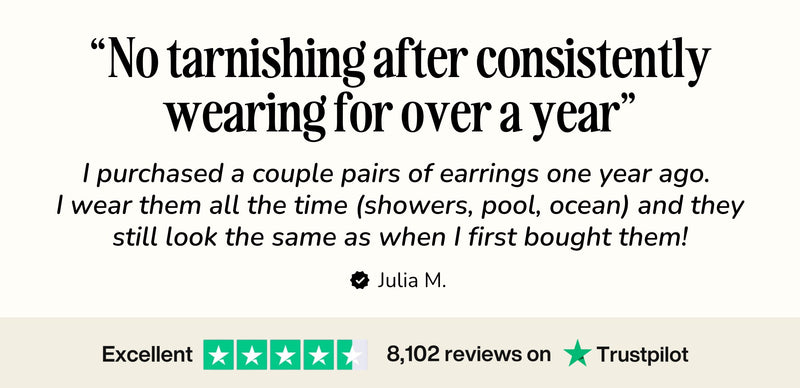
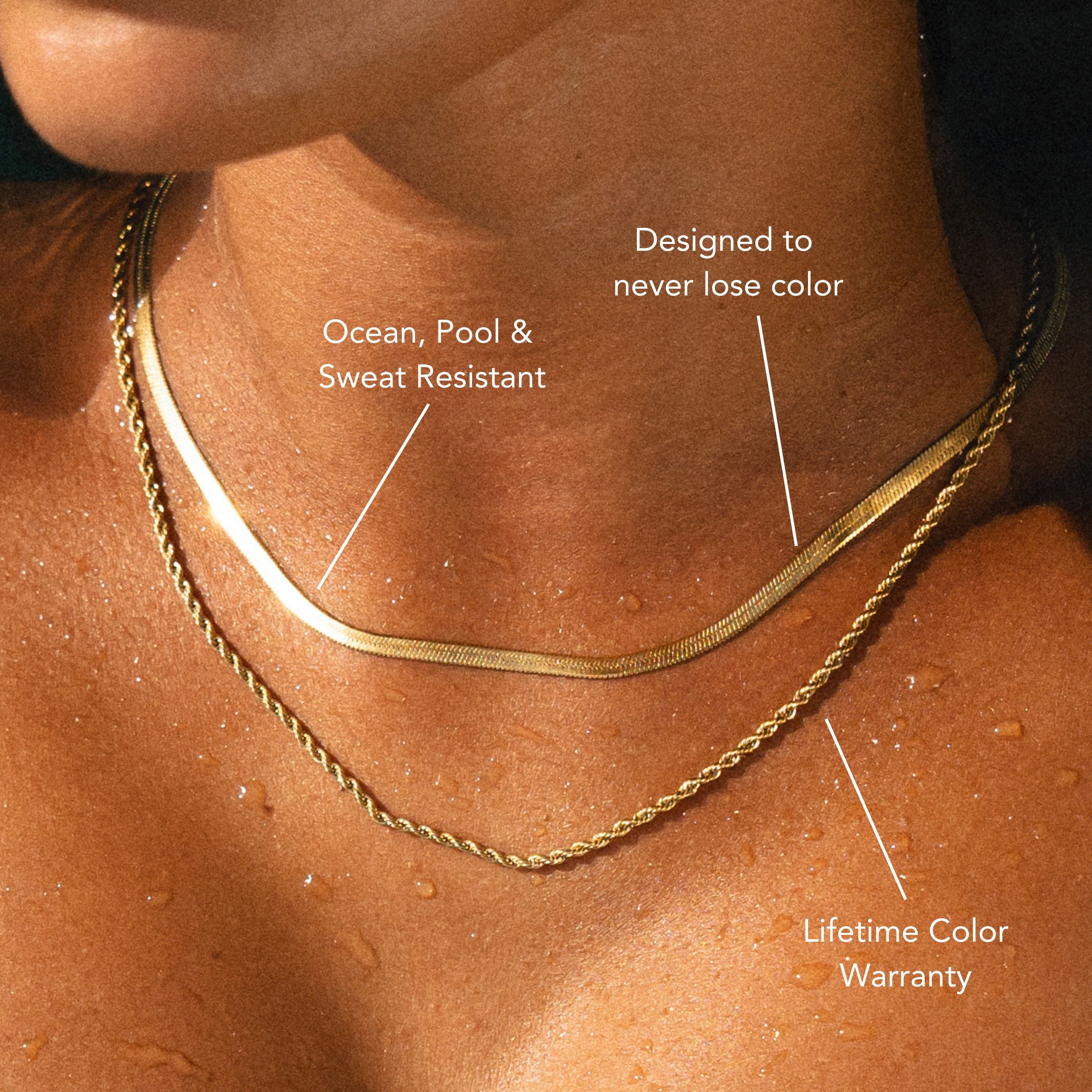
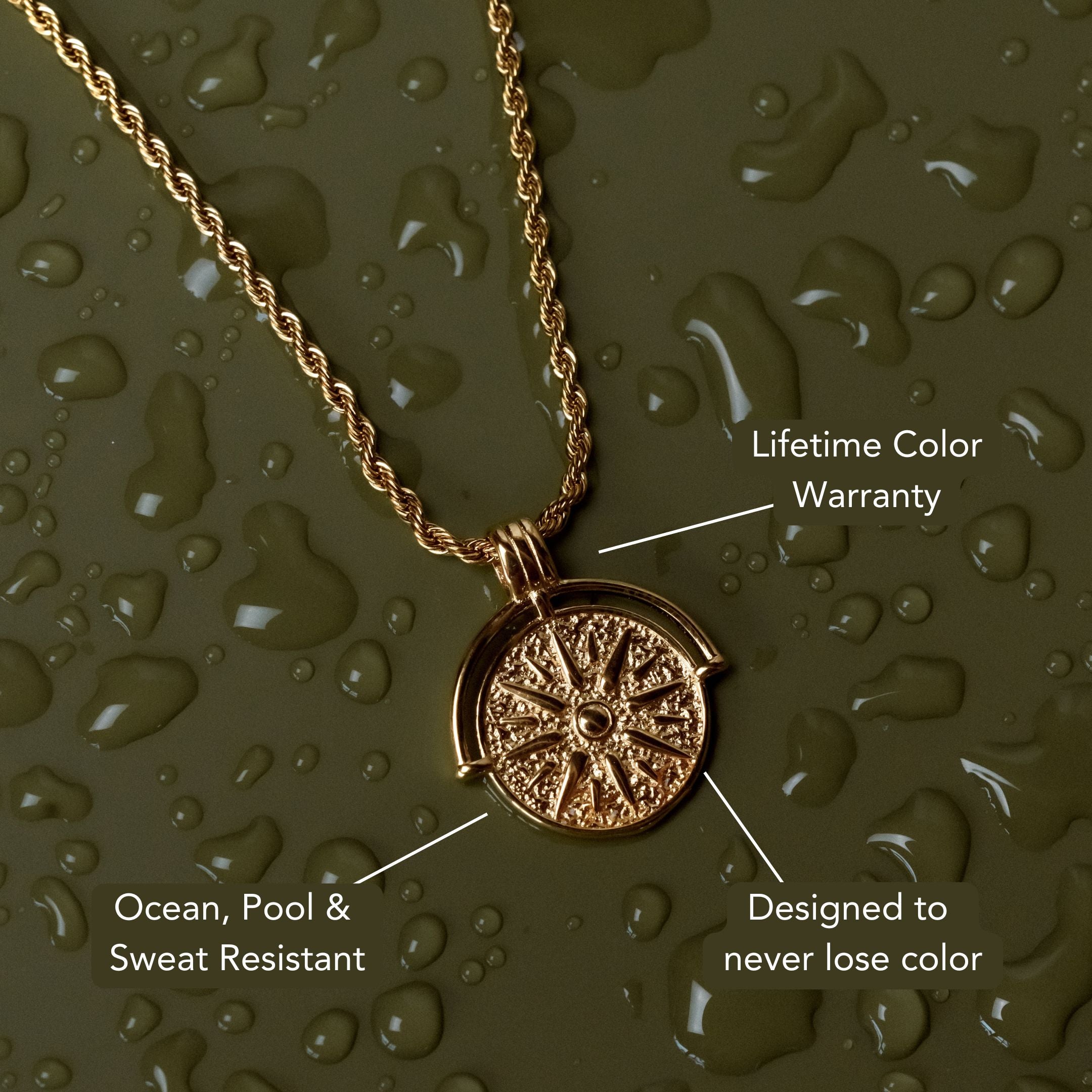
When shopping for 14 karat gold name earrings, focus on materials and build quality that can handle daily wear. Choose 14K gold (58.5% Au) for its ideal balance of hardness, stable color, and reduced tarnish. Solid construction delivers the best longevity, while hollow designs save weight and gold-filled options offer budget-friendly durability. Select fonts with 0.8–1.0 mm stroke thickness, strong ligatures, and smooth, continuous paths to avoid weak points. Aim for under 5 g per ear, nickel-safe alloys, precise solder seams, and a high-polish finish stamped with “14K/585” and the maker’s hallmark. Secure friction or locking backs are essential—and for extra peace of mind in everyday wear, options like Waterproof Earrings provide added durability. Always verify invoices, repair policies, and bench photos before buying. Next, refine size, closures, care, and pricing to make the perfect choice.
What 14K Gold Means for Color and Durability
Although “14K” sounds like a simple stamp, it defines both the alloy’s color and its performance: 14 karat gold contains 58.5% pure gold balanced by 41.5% alloying metals (typically copper, silver, zinc, and sometimes nickel or palladium).
That gold composition optimizes mechanical strength for daily wear, resisting deformation and abrasion better than higher-karat alloys. You’ll notice color variations: copper shifts hue warmer (rich yellow to rose), silver and zinc lighten tone, and palladium or nickel cool it toward white (usually rhodium-finished for brightness).
For name earrings, 14K offers a sweet spot: sufficient ductility for precise script cuts and polish retention, yet hardness that reduces scratching on high-contact edges.
It also mitigates tarnish compared to lower-karat blends, helping engraved surfaces maintain legibility and luster over time.

Solid vs. Hollow vs. Gold‑Filled: Which to Choose
Curiously, your choice between solid, hollow, and gold‑filled name earrings hinges on mass, wear profile, and long‑term value.
With solid construction in 14K, you get higher specific gravity, robust prongs or letter strokes, and superior resistance to deformation, polishing loss, and denting. It’s ideal for heirloom retention and frequent wear.
A hollow design reduces gram weight and cost while preserving visual footprint, but thin walls are prone to dimpling, oil‑can effect, and audible “ping.”
Repairs risk collapse, and repeated refinishing can breach the shell. Choose it for lightweight comfort and occasional wear.
Gold‑filled features a mechanically bonded 14K cladding over a base‑metal core.
The thick overlay outlasts plating, but exposed edges can reveal substrate. It’s budget‑forward, hypoallergenic‑aware, and replacement‑friendly.
Fonts, Lettering Styles, and Readability
With construction settled, the next variable is typographic anatomy—because font choice directly affects readability, structural integrity, and perceived value in 14K gold.
Prioritize font selection that balances stroke width and negative space. Ultra‑thin scripts can shear at joins; slab serifs and clean sans serifs offer stronger ligatures and better polish retention.
Evaluate x‑height and ascender/descender length: taller x‑heights improve legibility at a glance, while extreme swashes trap debris and complicate finishing.
Choose lettering styles with continuous stroke paths to minimize solder points and porosity risk. Closed counters (o, e, a) should remain open enough after casting and buffing.
Opt for minimum stroke gauges of ~0.8–1.0 mm in 14K to resist deformation. High-contrast Didone faces look luxurious but demand meticulous finishing; geometric sans serif options provide durable, readable silhouettes.

Sizing and Weight for Everyday Comfort
Two metrics dictate daily wearability: overall footprint and gram weight. You’ll balance size options with anatomy—lobe thickness, piercing placement, and helix clearance—to avoid torque and downward tilt.
Measure the nameplate’s width and height against your intertragic notch to keep proportions refined, not overpowering. Weight considerations hinge on gold density; 14k averages ~12.9–13.6 g/cm³, so even small increases in volume add noticeable mass.
Target sub-5 g per ear for all-day comfort; 6–8 g suits occasional wear if your lobes are resilient. Hollow or cutout scripts reduce load without sacrificing presence.
Check distribution: a centered bail or dual posts mitigates leverage. For sleepers, micro profiles under 20 mm across minimize snag risk. Calibrate millimeter dimensions to wardrobe and hairstyle so visual impact matches biomechanical comfort.
Craftsmanship Details: Finish, Soldering, and Polish
Although design draws the eye, execution determines longevity and luster. Evaluate the surface finish first: a uniform, high-polish luster should show crisp specular reflection without orange peel, drag lines, or waviness.
For matte options, look for even satin graining with consistent directional strokes. Inspect engraving edges of the name script; arrises should be sharp yet de-burred to prevent snagging.
Assess soldering techniques at jump rings, letter junctions, and dangles. Clean fillets, no pits, and color-matched seams indicate proper torch temperature and gold-flow control. Poor solder bleed reduces karat integrity and invites stress fractures.
Confirm that polishing preserved relief: no “melted” serifs or rounded corners. Finishing touches matter—final rouge pass, ultrasonic cleaning, and lint-free buffing enhance brilliance and reduce micro-abrasion that dulls 14K alloys.
Allergy‑Friendly Metals and Earring Posts
Attention to finishing sets the stage for comfort, but skin compatibility determines wearability. Prioritize hypoallergenic materials in contact zones: posts, bezels, and jump rings. With 14 karat gold, verify alloy composition. Lower nickel content reduces sensitization; prefer palladium‑based white gold over nickel white gold. For yellow or rose alloys, guarantee minimal zinc and nickel traces. If you have sensitive skin, specify nickel‑free or European‑standard low‑nickel blends.
Assess post metallurgy and gauge. Choose solid 14k posts rather than plated bases; plating abrades and exposes reactive cores. A 0.8–1.0 mm post balances structural integrity and reduced tissue trauma. Consider titanium Grade 23 or platinum posts for heightened biocompatibility.
Request assay marks and manufacturer declarations. This diligence preserves epithelial health, reduces dermatitis risk, and safeguards long‑term value.

Backings and Closures That Stay Secure
Security begins at the closure interface, where mechanical retention and metallurgy prevent loss. You want secure backings matched to the mass and leverage of nameplate designs.
Evaluate closure types by torque resistance, thread integrity, and deformation tolerance. Screw backs provide high pull-off force; confirm clean threads, snug pitch, and 14k posts hardened to resist stripping.
Friction (butterfly) backs should be double-notched posts with calibrated tension; choose heavier clutches with silicone cores for stable grip.
La Poussette (locking) backs deliver positive detents and low-profile comfort; verify crisp clicks and intact springs.
For hoops, opt for hinged sleepers with locking grooves or reliable box-and-tongue catches.
Always inspect for burr-free posts, symmetrical alignment, and hallmarked components.
Retest retention after ultrasonic cleaning to guarantee consistent engagement.
Pricing, Red Flags, and How to Spot Value
With closures sorted, focus on price formation and signals of real value in 14k name earrings. Anchor your value assessment to alloy purity, verified by a “14K” or “585” hallmark plus maker’s stamp.
Compare weight in grams against current gold spot; premiums reflect fabrication, finishing, and custom typography. Examine pricing trends: laser-cut, hollow, or die-struck pieces price lower per gram than hand-cut, solid, or high-polish mirror finishes.
Red flags: vague metal stamps, rhodium over yellow gold, excessive plating claims, suspiciously light gram weight, porous casting, sharp burrs, thin jump rings, and mismatched posts.
Demand disclosure on metal stock (sheet vs. cast), thickness in millimeters, and solder integrity. You’ll spot value when craftsmanship, weight, hallmark clarity, and finish quality align with a rational premium over melt.
Personalization Timelines, Care, and Where to Buy
Lead times govern expectations: custom 14k name earrings typically require 5–15 business days for CAD setup, font approval, and fabrication, extending to 3–4 weeks for hand-cut, mirror-polished, or pavé-accented scripts.
Confirm personalization timelines, proof cycles, and solder integrity on posts and jump rings. Ask for gram weight, thickness (≥0.8 mm for durability), and alloy composition (nickel-safe).
Follow strict care instructions: use pH-neutral jewelry cleaner, rinse, then blot with a lint-free cloth. Avoid ultrasonic cleaning on pavé; it can loosen melee.
Store individually to prevent abrasion; remove before chlorinated pools or cosmetics. Inspect friction backs and hinge mechanisms quarterly.
Buy from retailers offering hallmarking, detailed invoices, and bench photos.
Prioritize GIA-trained staff, written repair policies, lifetime polishing, and verifiable customer images.
Frequently Asked Questions
Can I Match Name Earrings With Other Jewelry for a Cohesive Look?
Yes, you can. Align alloy color, karatage, and surface finish for matching styles. Balance scale and silhouette. Use complementary gemstone saturation. Build jewelry combinations with cohesive metal hue, proportional chain gauges, and consistent hallmarks to maintain visual harmony and perceived value.
What Are Trendy Name Earring Designs Beyond Classic Cursive?
You’ll find trendy name earrings in modern typography, block sans-serifs, micro-pavé outlines, negative-space cutouts, and playful shapes—hearts, stars, scripts on hoops. Specify kerning, thickness (≥1.2 mm), secure friction backs, and rhodium/diamond-cut finishes for durability, scintillation, and resale value.
How Do I Choose Between Studs, Hoops, or Drops for Names?
Choose studs for daily wear; they prioritize ergonomics, secure friction backs, and legible micro-engraving. Pick hoops for maximal presence and movement. Select drops for elongated silhouette and articulation. Match design preferences to style occasions, metal weight, and ear-lobe anatomy.
Are Children’s Name Earrings Appropriate and Safe for Young Wearers?
Yes, if you prioritize child safety. Choose hypoallergenic earring materials—nickel-free 14k gold or platinum—smooth edges, low-profile settings, secure screw-backs. Avoid dangling designs; reduce snag risk. Verify post gauge, polish quality, and manufacturer standards. Supervise wear, especially during sleep.
What Gifting Etiquette Applies for Personalized Name Earrings?
You prioritize consent, correct spelling, and cultural sensitivity. Confirm recipient’s preferred metal, font, and dimensions during gift giving. Disclose lead times, return limitations, and hallmark specifics. Personalization options affect liquidity; opt for timeless scripts, secure findings, and hypoallergenic alloys for enduring value.
Conclusion
You’re ready to spec name earrings like a pro. Choose 14K for balanced hue, hardness, and wear resistance; favor solid over hollow for longevity, or high‑quality gold‑filled for budget value. Prioritize legible scripts, calibrated thickness, and comfortable gram weight. Inspect finish, crisp solder seams, and mirror polish. Opt for nickel‑safe alloys, frictionless posts, and secure locking backs. Verify hallmarking, gram price, and workmanship; avoid flimsy gauges. Confirm lead times, clean with mild surfactants, and buy from credentialed jewelers.










%20for%20its%20ideal%20balance%20of%20hardness,%20stable%20color,%20and%20reduc...)
Leave a comment
This site is protected by hCaptcha and the hCaptcha Privacy Policy and Terms of Service apply.