

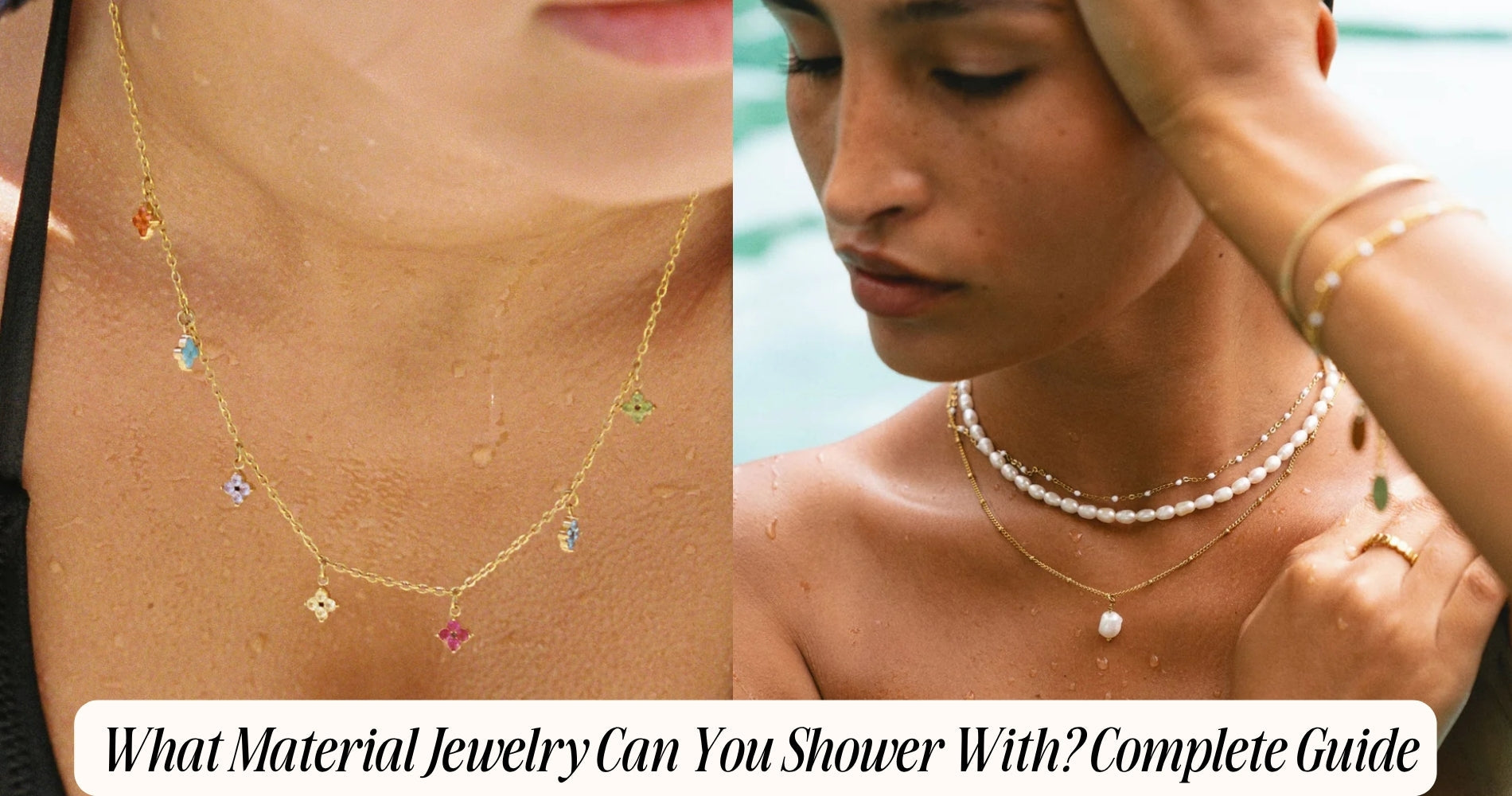
What Material Jewelry Can You Shower With? Complete Guide
For many people, removing jewelry before every shower is an easy step to forget, especially when you are rushing through your morning routine or simply do not want to bother taking off a favorite piece. The good news is that certain jewelry materials are specifically designed to handle regular water exposure without significant risk of damage. If you have ever wondered what material jewelry can you shower with confidently, understanding a few key material differences can help you build a more low maintenance, worry free jewelry collection.
In this guide, we will break down which materials hold up well to water exposure, which ones require more caution, and how to make more informed choices for your everyday jewelry rotation. If you want pieces specifically designed to handle daily water exposure without hesitation, our Waterproof Jewelry collection is built with exactly this kind of convenience in mind.
Why Water Exposure Matters for Jewelry
Water itself is not always the primary concern when it comes to jewelry damage, but the combination of water with soap, shampoo, and other bathing products introduces additional chemical exposure that can affect certain metals more significantly than plain water alone. Understanding how different materials respond to this combination of moisture and everyday bathing products can help you determine which pieces are genuinely safe for regular shower wear.
Materials That Are Generally Safe for Showering
Titanium
Titanium is widely considered one of the most water resistant jewelry materials available. It is highly resistant to corrosion and does not react negatively to regular exposure to water, soap, or shampoo, making it an excellent choice for those who prefer not to remove their jewelry before showering.
Surgical Steel
Surgical steel, also known as 316L stainless steel, holds up reasonably well to regular water exposure. While not entirely immune to the cumulative effects of prolonged moisture over very extended periods, surgical steel is fairly resistant to corrosion, making it a practical, low maintenance option for daily shower wear.
Solid Gold
Higher karat solid gold, such as 14K or 18K, is generally safe for regular water exposure, since gold itself does not tarnish or corrode in the way many other metals do. However, repeated exposure to soap and shampoo can leave behind a residue over time that dulls the metal's natural shine, meaning periodic cleaning remains important even though the metal itself faces minimal risk of structural damage.
Platinum
Platinum is highly resistant to corrosion and tarnish, making it one of the safest metal choices for regular water exposure, including showering. Its natural durability and resistance to everyday elements make platinum jewelry a reliable option for those wanting minimal maintenance concerns.
Niobium
Niobium, similar to titanium, offers strong resistance to corrosion and water related damage, making it another solid choice for those who want to shower without removing their jewelry.
Tungsten
Tungsten is an extremely hard, durable material that holds up well to water exposure and general daily wear, including showering, without significant risk of damage or corrosion.

Materials That Require More Caution
Sterling Silver
While sterling silver itself is not directly damaged by water, it is prone to tarnishing when exposed to sulfur compounds in the air, and this natural tarnishing process can potentially accelerate with frequent moisture exposure, particularly when combined with soap and shampoo residue. While an occasional shower is unlikely to cause significant issues, regular daily showering with sterling silver jewelry may lead to more frequent tarnish buildup compared to leaving the piece dry between wears.
Gold Plated Jewelry
Gold plated jewelry, consisting of a base metal coated with a thin layer of gold, is significantly more vulnerable to water exposure compared to solid gold. Because the gold layer is thin, regular showering can accelerate the wearing away of this protective coating, eventually exposing the base metal underneath, which may then be prone to discoloration or irritation.
Costume and Fashion Jewelry
Lower quality costume jewelry, often made from base metals with a thin decorative coating, generally does not hold up well to regular water exposure. These pieces are typically not designed with durability in mind, and frequent showering can accelerate tarnishing, discoloration, or coating breakdown significantly faster compared to higher quality materials.
Jewelry With Certain Gemstones
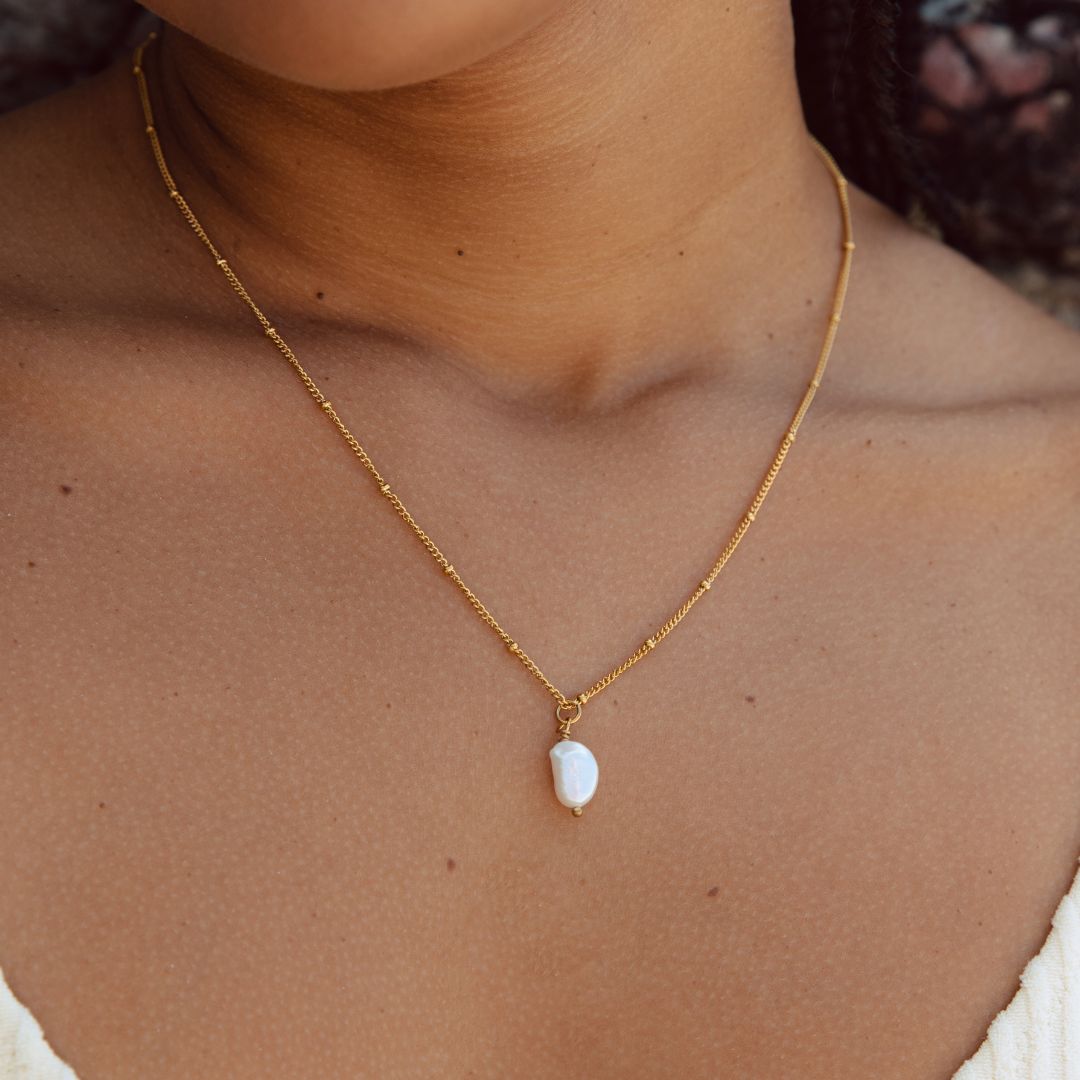
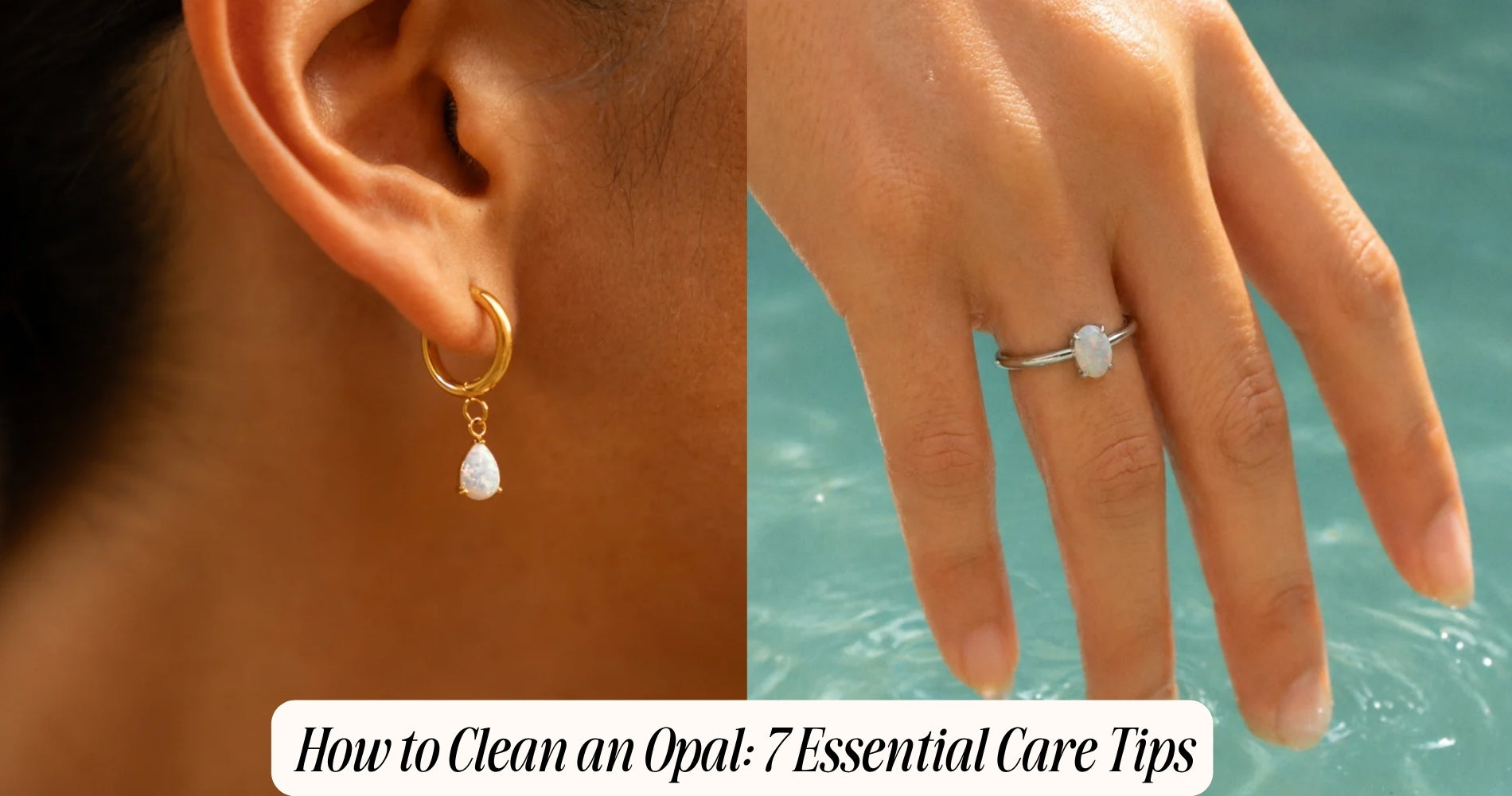
Beyond the metal itself, certain gemstones require additional caution regarding water exposure, regardless of how water resistant the metal setting might be. Pearls, opals, turquoise, and other soft or porous stones can be negatively affected by prolonged or frequent water exposure, even when set in a durable, water resistant metal.

Why Waterproof Jewelry Has Become So Popular
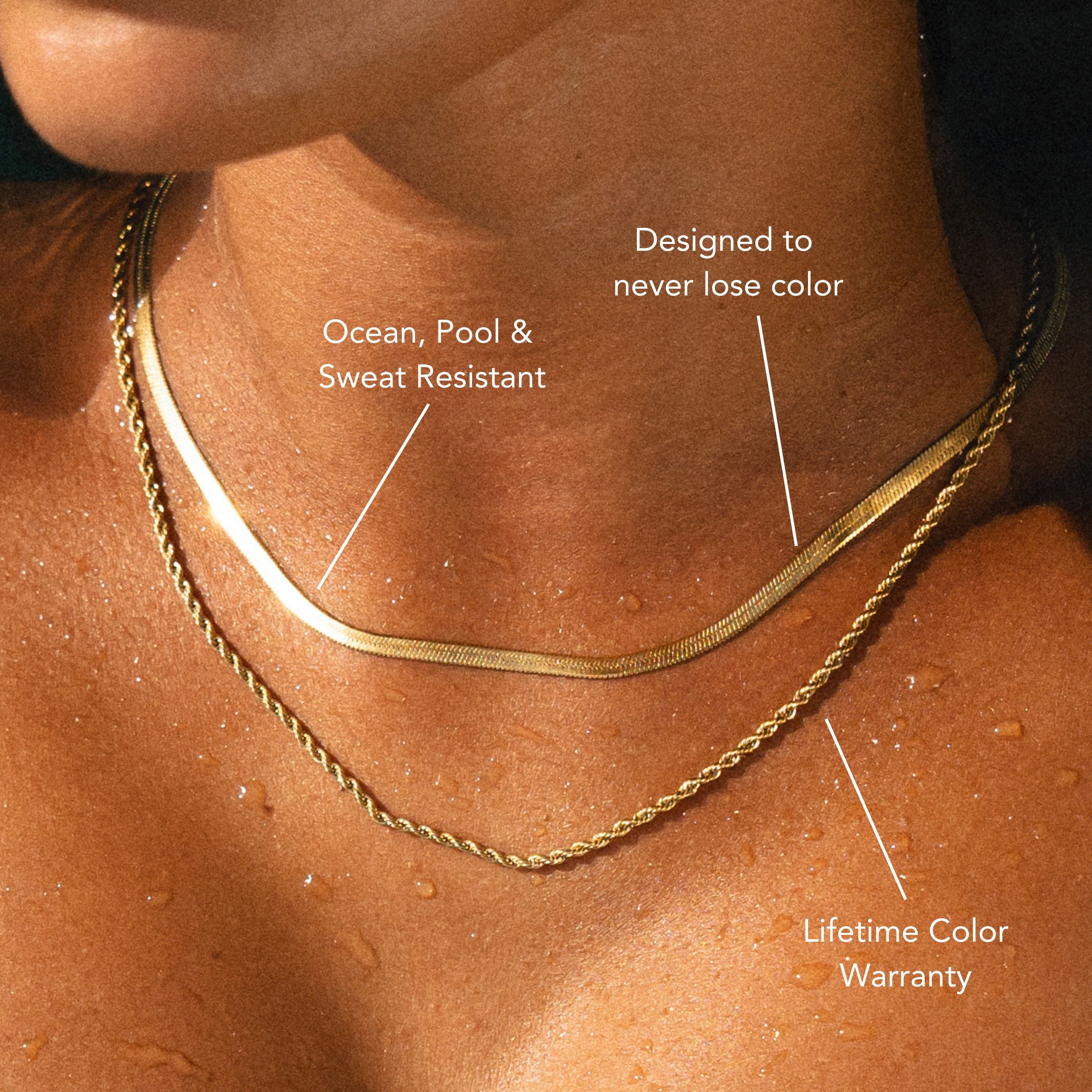
Given the varying water resistance across different materials, waterproof jewelry has emerged as a particularly convenient solution for those who want to simplify their daily routine without constantly removing and replacing pieces before water related activities. Waterproof jewelry is specifically designed and treated to withstand regular exposure to water, sweat, and everyday elements without the same risk of tarnishing, discoloration, or material breakdown associated with more traditional jewelry options.
This makes waterproof jewelry an especially practical choice for those with active lifestyles, frequent swimmers, or simply anyone who prefers a low maintenance approach to their everyday jewelry collection.
How to Identify Shower Safe Jewelry
When shopping for jewelry you intend to wear regularly, including during showering, a few key considerations can help you identify genuinely water resistant options.
Look for clear labeling indicating solid material construction, such as solid titanium, solid surgical steel, or solid gold, rather than vague terms like gold tone or silver tone, which often indicate a thinner, plated coating over a less durable base metal. Check for specific waterproof or water resistant labeling, which indicates the piece has been specifically designed and treated to withstand regular moisture exposure. When in doubt, err on the side of caution with plated jewelry or pieces featuring more delicate gemstones, removing these before showering unless you have confirmed their specific water resistance.
Caring for Water Resistant Jewelry
Even with genuinely water resistant materials, a few simple care habits can help maintain your jewelry's appearance over time, even with regular shower exposure.
Periodically rinse jewelry with clean water to remove any soap or shampoo residue that may have accumulated, then dry thoroughly with a soft cloth. Clean jewelry regularly with a soft, dry cloth between showers to remove any gradual buildup of oils, product residue, or minerals that could otherwise contribute to dullness over time. Periodically inspect water resistant jewelry for any early signs of wear, discoloration, or damage, even with materials generally considered safe for regular water exposure, since individual pieces can vary somewhat in overall quality and construction.

When to Remove Jewelry Regardless of Material
While certain materials handle regular showering quite well, a few situations still warrant removing jewelry regardless of its water resistance properties. New or healing piercings benefit from being kept as dry as possible during the initial healing period, regardless of how water resistant the specific jewelry material may be. Jewelry with mixed materials, particularly those combining water resistant metals with more delicate gemstones or organic materials, may still benefit from removal before showering to protect the more sensitive components.
Final Thoughts
So, what material jewelry can you shower with confidently? Materials like titanium, surgical steel, solid gold, platinum, niobium, and tungsten generally hold up well to regular water exposure, making them practical choices for those who prefer not to remove their jewelry before showering. Materials like sterling silver, gold plated jewelry, and lower quality costume pieces require more caution, since regular water exposure can accelerate tarnishing or coating breakdown over time.
By choosing genuinely water resistant materials and understanding which pieces require more careful handling, you can build a jewelry collection that fits seamlessly into your daily routine without unnecessary worry about water related damage.
Frequently Asked Questions
1. Is titanium jewelry safe to shower with every day?
Yes, titanium is highly resistant to corrosion and water damage, making it one of the safest materials for daily shower wear.
2. Can I shower with sterling silver jewelry occasionally?
Occasional exposure is generally fine, but frequent daily showering with sterling silver may accelerate tarnishing compared to removing it beforehand.
3. Why does gold plated jewelry need to be removed before showering?
Because the gold layer is thin, regular water exposure can accelerate its wear, eventually exposing the less durable base metal underneath.
4. Are all gemstones safe for regular water exposure?
No, softer or more porous stones like pearls, opals, and turquoise require more caution around water, even when set in a water resistant metal.









Leave a comment
This site is protected by hCaptcha and the hCaptcha Privacy Policy and Terms of Service apply.