


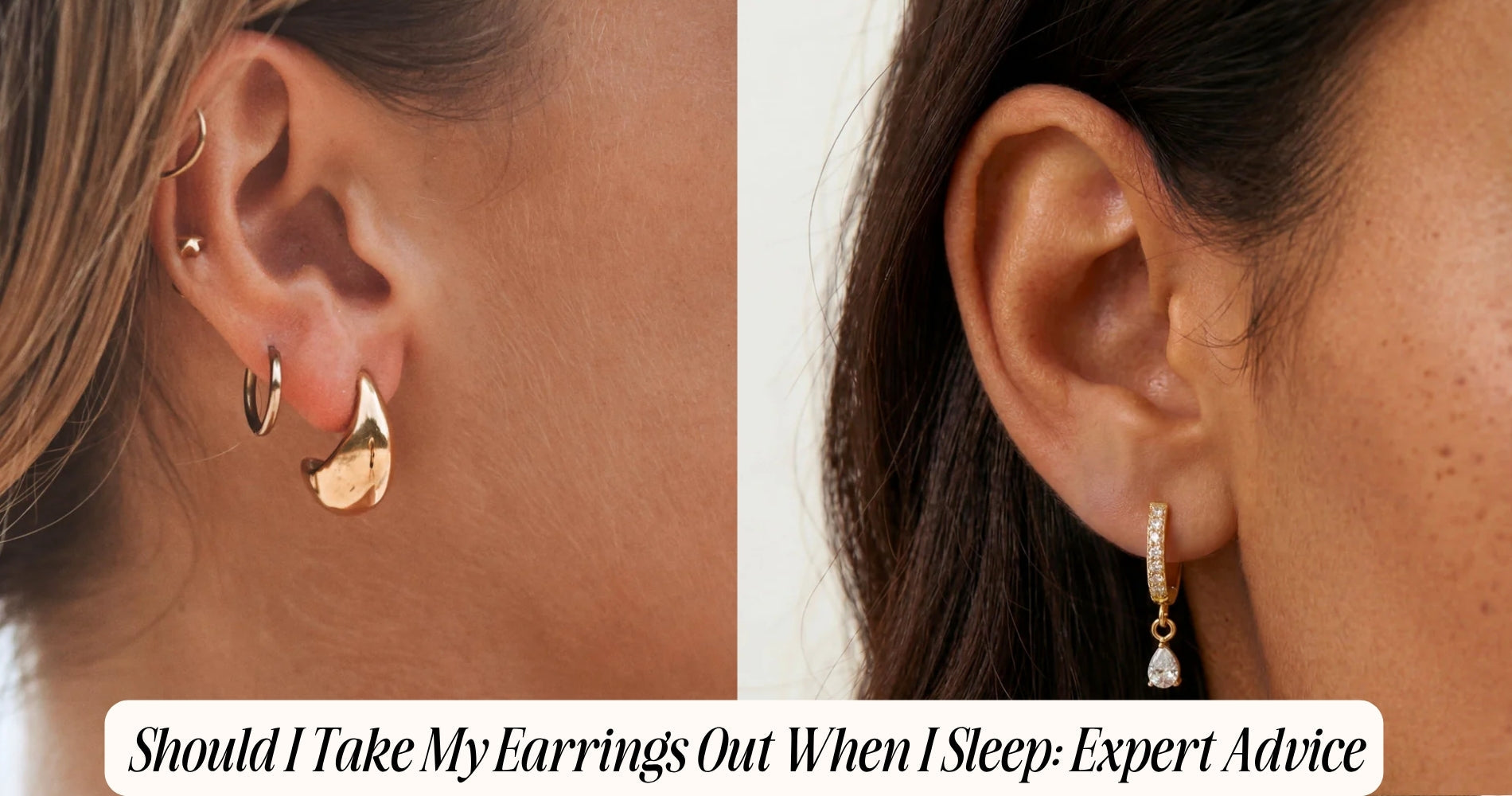
Should I Take My Earrings Out When I Sleep: Expert Advice
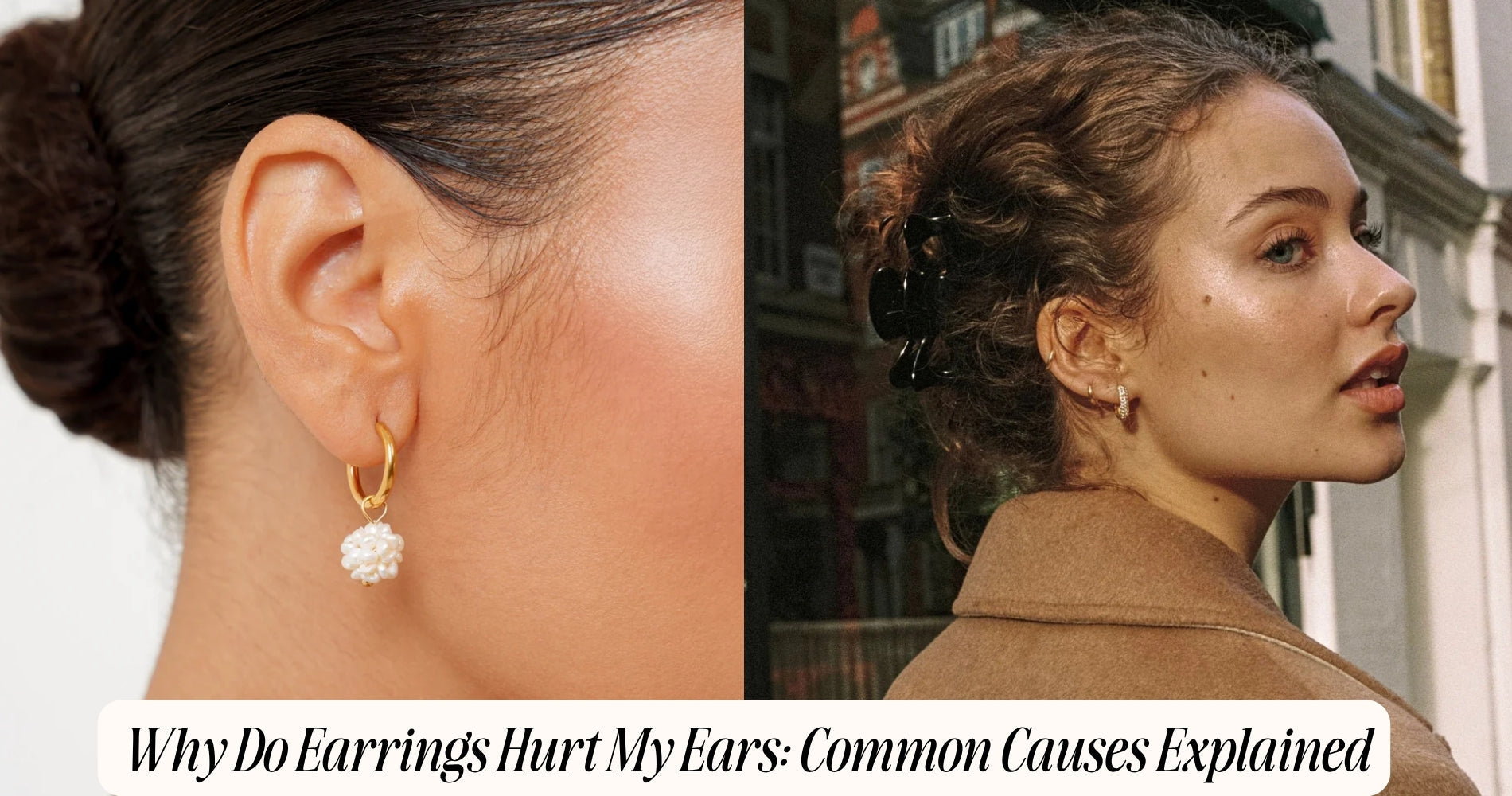
The honest answer to should I take my earrings out when I sleep is: it depends on how healed your piercing is, what style of earring you are wearing, and how you sleep, not a universal yes or no that applies to everyone equally. Waterproof Earrings in flat back and huggie styles are specifically suited to overnight wear, which is relevant background for this decision. This guide breaks down exactly what happens to a piercing and an earring overnight, how piercing healing stage changes the answer, how your specific sleep position affects the decision, and which earring styles make sleeping in earrings genuinely comfortable versus genuinely risky.
What Actually Happens to an Earring Overnight
Understanding the physical conditions of sleep helps explain why this question does not have a single universal answer.
Sustained pressure is the first factor. Side sleepers place direct, sustained weight on whichever ear contacts the pillow for hours at a time, far longer than any daytime pressure an earring typically experiences. This pressure is concentrated and constant rather than the brief, varied contact earrings get during waking hours.
Reduced awareness is the second factor. During sleep, you cannot consciously adjust an earring that has shifted into an uncomfortable position, catch on bedding, or begun pressing awkwardly against the ear the way you naturally would while awake. Any discomfort that would prompt an immediate adjustment during the day goes unaddressed for hours during sleep.

Fabric contact is the third factor. Pillowcases and bedding create friction and catching opportunities that most daytime environments do not, particularly for earrings with open hooks, dangling elements, or protruding backs.
Extended moisture contact is the fourth factor. Overnight sweat, particularly in warm sleeping conditions, creates sustained moisture contact with the earring post and the piercing itself over many hours, longer than most daytime moisture exposure.
None of these factors make sleeping in earrings inherently unsafe. They simply mean the earring style and the piercing's condition both need to be suited to handling these specific conditions.
Should I Take My Earrings Out When I Sleep: By Piercing Age
New and healing piercings (0 to 6 months)
For new piercings, especially lobe piercings still within their initial healing period, the standard professional guidance is to keep the original jewelry in continuously, including through sleep, rather than removing it. Healing piercings can partially close within hours if jewelry is removed, and reinserting jewelry into a partially closed, still-healing channel risks irritation, tissue damage, and disrupting the healing process.
The practical concern during this period is not whether to remove the earring but how to sleep comfortably with it in. Sleeping on the non-pierced or less-recently-pierced side, using a travel pillow with a cutout for the ear, or sleeping on your back temporarily during the most sensitive early weeks all reduce direct pressure without requiring removal.
Partially healed piercings (6 months to 1 year)
By this stage, most standard lobe piercings are structurally stable enough that brief removal does not risk closure, though full healing, including complete internal tissue maturation, can take up to a year or longer for some piercings and longer still for cartilage. Sleeping with well-suited earrings, flat backs or secure studs, remains reasonable during this period, with removal becoming a genuine option if a specific piece is uncomfortable rather than a necessity.
Fully healed piercings (1 year and beyond)
For fully healed piercings, the decision becomes entirely a matter of earring style, comfort, and personal preference rather than a healing consideration. This is where the style-specific guidance below becomes the primary factor in the decision.

How Sleep Position Changes the Answer
Your typical sleep position affects both the risk profile and the practical comfort of sleeping in earrings more than almost any other single factor.
Side sleepers place direct, sustained pressure on one ear for a significant portion of the night. This is the sleep position where earring style matters most. A butterfly-back stud creates a distinct pressure point against the pillow that becomes noticeable and can be genuinely uncomfortable after a few hours, sometimes contributing to a specific ache behind the ear that many side sleepers with standard studs have experienced without necessarily connecting it to the earring. A flat back stud, by contrast, sits flush and creates minimal pressure differential, making it dramatically more comfortable for side sleeping.
Back sleepers experience minimal direct ear pressure during sleep, which makes earring style a less critical factor for comfort specifically, though security, avoiding catching on pillows during any movement, still matters.
Stomach sleepers often have one ear against the pillow for extended periods, similar to side sleepers, with the added factor of facial pressure that can shift earring position more than side sleeping alone.
Restless sleepers who change position frequently benefit most from secure, low-profile styles regardless of which position they favor at any given moment, since the earring needs to handle contact from multiple angles throughout the night rather than one consistent position.

Which Earring Styles Suit Overnight Wear
Flat back labret studs are the style most consistently recommended for sleeping in earrings, across piercing stages and sleep positions. The flat disc sits flush against the back of the lobe with no protruding clutch mechanism, which eliminates the specific pressure point that causes discomfort with standard butterfly backs.
Small huggie hoops with a secure hinged closure are a reasonable second option, sitting close enough to the lobe that they create minimal projection and catching risk, though they carry slightly more bulk than a flat back stud.
Butterfly back studs are the style most likely to cause overnight discomfort, particularly for side and stomach sleepers, due to the protruding clutch mechanism creating a distinct pressure point against the pillow.
Dangle and drop earrings carry meaningful catching risk overnight, since bedding and pillow movement can snag an open or lightweight dangling element, creating a risk of the earring being pulled or the piercing being stressed during sleep, particularly for restless sleepers.
Large or heavy hoops create both catching risk and uneven pressure distribution that most people find uncomfortable for sustained overnight wear, regardless of sleep position.
| Earring Style | Overnight Comfort | Overnight Security | Best Suited For |
|---|---|---|---|
| Flat back stud | Excellent | Excellent | All sleep positions, all piercing stages |
| Small huggie hoop | Good | Good | Back and side sleepers, healed piercings |
| Butterfly back stud | Fair to poor | Good | Back sleepers primarily |
| Dangle or drop | Poor | Poor | Not recommended for sleep |
| Large hoop | Poor | Fair | Not recommended for sleep |
Practical Signs You Should Remove Your Earrings at Night
A few specific signals suggest removal is the better choice regardless of general guidance.
Persistent morning tenderness or soreness at the piercing site that resolves during the day suggests the current earring style is creating overnight pressure worth addressing, either by switching styles or removing the piece before bed. Visible indentation marks on the ear upon waking indicate sustained pressure that a different style or removal would eliminate. A piece that has visibly shifted or become tangled by morning suggests inadequate security for your specific sleep pattern. Any sign of irritation, redness, or discharge around the piercing warrants removing the earring and addressing the piercing directly, potentially with professional guidance if symptoms persist.

Material Considerations for Sleep Comfort
Beyond style, the material of the earring affects both comfort and safety for overnight wear, particularly given the extended moisture contact sleep involves.
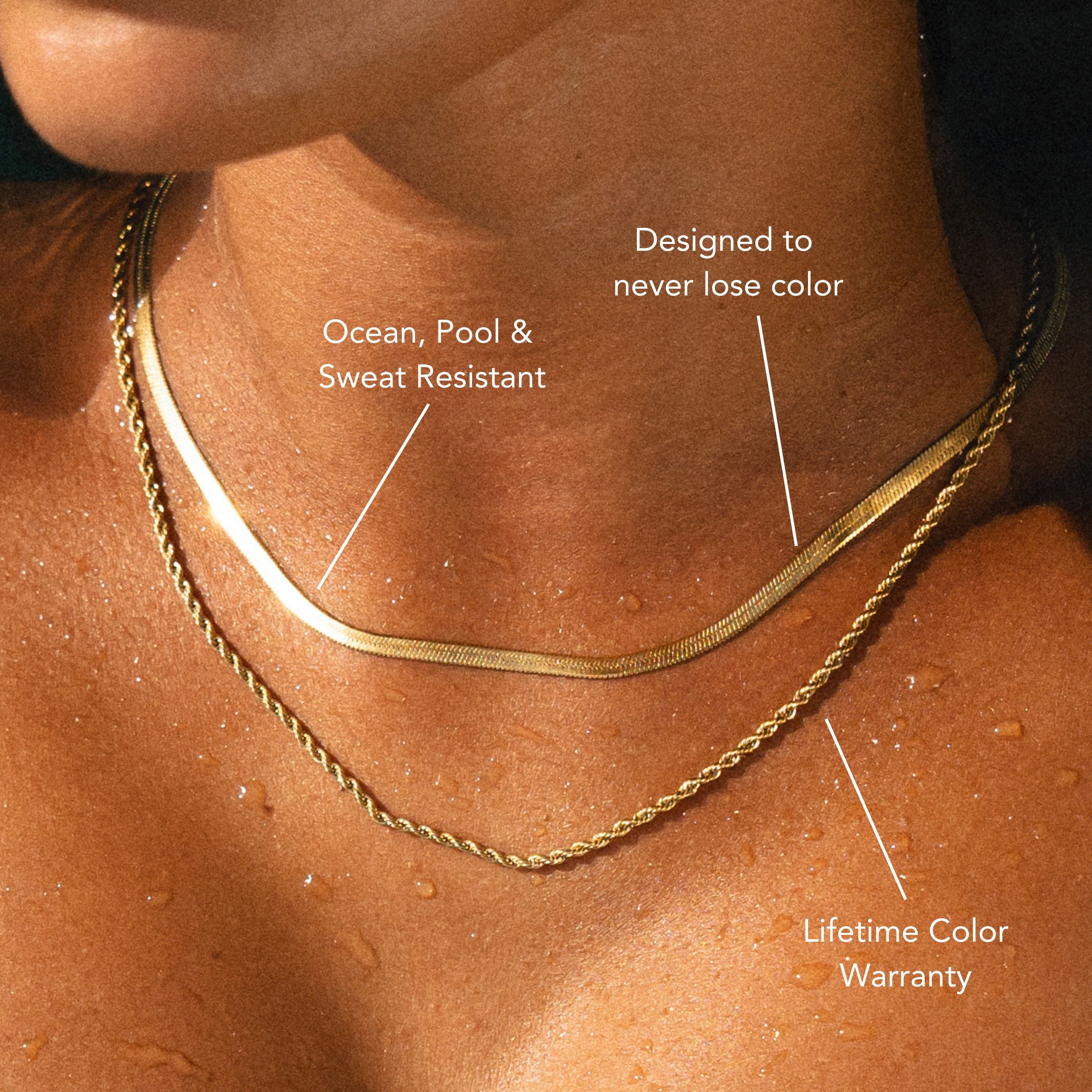
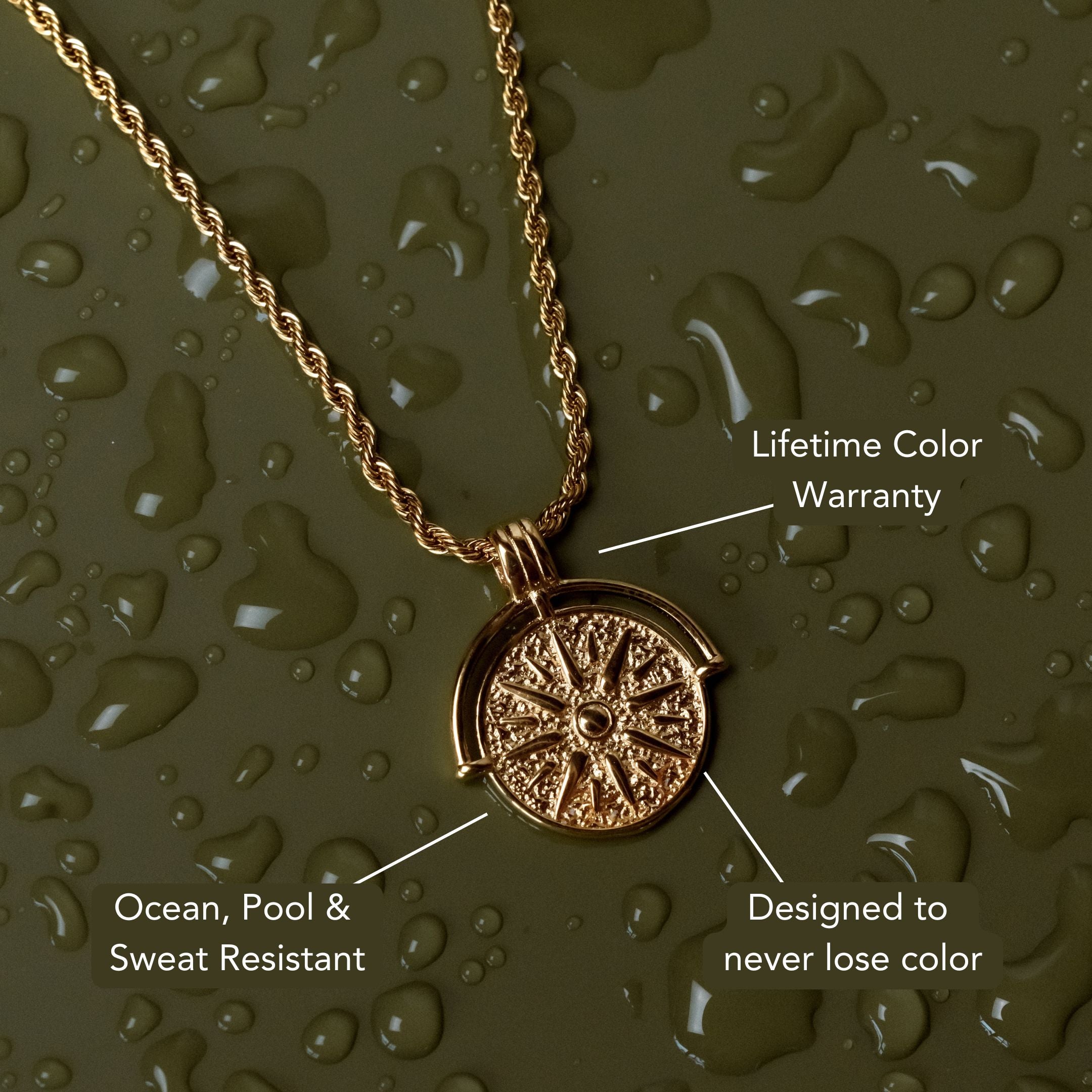
Non-reactive materials, surgical-grade stainless steel, titanium, and solid gold, do not introduce the skin irritation risk that reactive base metals can, which matters specifically for sleep because the earring sits in sustained contact for many uninterrupted hours. PVD-coated stainless steel combines this non-reactive quality with a flat back or huggie construction well suited to the overnight conditions described throughout this guide, holding its finish through the sweat and extended contact that sleep involves without the finish degradation that affects lower-quality plated pieces over repeated nights of wear. ATOLEA's waterproof earring range includes flat back and huggie styles built on PVD-coated 316L stainless steel, with a lifetime color warranty and hypoallergenic construction suited specifically to the kind of continuous wear that sleeping in earrings involves.
Frequently Asked Questions
Is it bad to sleep with earrings in?
Not inherently, provided the piercing is appropriately healed for the earring style being worn and the earring itself has a comfortable, secure construction suited to overnight conditions. Flat back studs and small huggies are generally safe and comfortable for most sleepers. Butterfly backs, dangles, and large hoops are more likely to cause discomfort or catching issues overnight and are better removed before bed.
Should I sleep with new earrings in?
For genuinely new or healing piercings, yes, standard professional guidance is to keep the original jewelry in continuously, including overnight, since removal risks partial closure of the still-healing channel. Manage comfort during this period by sleeping on the non-pierced side or using a pillow with a cutout, rather than removing the earring.
What earrings are best for side sleepers?
Flat back labret studs are the most consistently comfortable option for side sleepers, since the flat disc sits flush against the lobe without the protruding clutch mechanism that creates a distinct pressure point with standard butterfly backs. Small, securely closed huggie hoops are a reasonable second choice for side sleepers with fully healed piercings.
Can sleeping in earrings cause infection?
Sleeping in earrings does not directly cause infection when the piercing is healed and the earring material is non-reactive and appropriately clean. Risk increases with reactive base metals that irritate the piercing, earrings that are not cleaned regularly, and any earring style that creates sustained irritation or minor trauma to the piercing site through overnight pressure or catching.
How do I know if my earrings are uncomfortable to sleep in?
Morning tenderness or soreness that resolves during the day, visible indentation marks on the ear upon waking, and an earring that has shifted or tangled by morning are all practical signs that your current style is not well suited to your sleep pattern. Switching to a flat back stud or a secure small huggie typically resolves these issues.
Making the Right Call for Your Sleep
Should I take my earrings out when I sleep depends on where your piercing sits in its healing timeline, which earring style you are wearing, and how you sleep. New piercings should generally stay in continuously per standard aftercare guidance. Fully healed piercings shift the decision entirely to comfort and style, where flat back studs and small secure huggies consistently outperform butterfly backs, dangles, and large hoops for overnight wear. If you wake with tenderness, marks, or a shifted piece, that is a direct signal from your own body about which direction is right for you specifically.









Leave a comment
This site is protected by hCaptcha and the hCaptcha Privacy Policy and Terms of Service apply.