

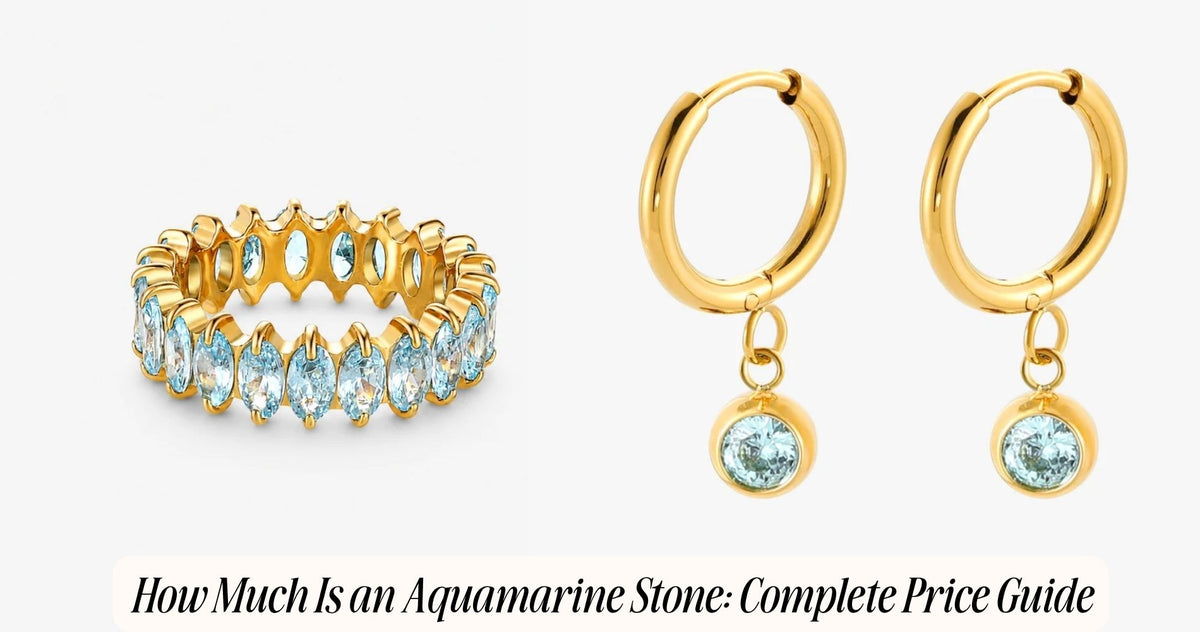
How Much Is an Aquamarine Stone: Complete Price Guide
Aquamarine is one of the most beloved blue gemstones, prized for its soft, sea inspired color and relatively accessible price point compared to many other colored gems. But how much is an aquamarine stone actually worth, and what causes prices to vary so widely between pieces that look similar at first glance? The answer comes down to a combination of color, clarity, cut, size, and treatment. If you are drawn to this calming blue gemstone, our Stone Collection features a variety of aquamarine pieces at different price points to suit your budget and style.
In this guide, we will break down what drives aquamarine pricing, typical price ranges by quality and size, and how to make sure you are getting a fair deal.
What Determines Aquamarine Price
Like most colored gemstones, aquamarine pricing depends on a combination of factors rather than a single fixed rate per carat. Understanding these factors helps explain why two stones that look similar in a photo can have very different price tags.
- Color: This is generally the most significant factor in aquamarine pricing. Deeper, more saturated blue stones are considerably more valuable than very pale, washed out versions of the same size.
- Clarity: Aquamarine typically forms with fewer visible inclusions than many other gemstones, so eye clean stones are common, but clarity still affects price, with fewer visible flaws commanding a premium.
- Carat weight: As with most gemstones, larger aquamarines are rarer and cost more per carat than smaller stones of similar quality.
- Cut quality: A well proportioned cut enhances brilliance and color, while a poorly cut stone can appear dull or lifeless even with good raw material.
- Treatment: Most aquamarine on the market has been heat treated to enhance its blue color, which is widely accepted in the trade and does not significantly reduce value, though untreated stones can sometimes carry a premium among collectors.

Typical Price Ranges by Quality
Aquamarine pricing varies widely, but a few general ranges can help set expectations.
- Commercial grade aquamarine: Lighter colored, included stones in this category typically range from around 10 to 50 dollars per carat, making them an accessible option for budget conscious buyers who still want a genuine gemstone.
- Mid grade aquamarine: Stones with a more noticeable blue color and good clarity generally fall between 50 and 200 dollars per carat, representing the most common range for quality jewelry pieces.
- Fine grade aquamarine: Deeply saturated, highly transparent stones can range from 200 to 500 dollars per carat or more, particularly in larger sizes where fine color is especially rare.
- Exceptional or Santa Maria aquamarine: This term refers to an especially intense, deep blue color first associated with stones from a mine in Brazil. These top tier stones can command prices well over 1,000 dollars per carat, especially in larger, well cut specimens.
How Carat Size Affects Price
Aquamarine is somewhat unique among colored gemstones in that it often forms in larger crystal sizes than many of its counterparts, which means larger stones are more available and relatively more affordable per carat compared to gems like ruby or emerald.
That said, price per carat still generally increases with size, since larger stones with consistent color and clarity remain rarer than their smaller counterparts. A one carat aquamarine with good color might cost significantly less per carat than a five carat stone of similar quality, since larger clean stones require more exceptional rough material to produce.

How Color Intensity Impacts Value
Color is the single most influential factor in aquamarine pricing, and even small differences in saturation can lead to noticeably different price points. Very pale aquamarine, sometimes almost colorless with just a hint of blue, sits at the lower end of the price spectrum. As color deepens into a clear, medium blue, prices rise accordingly. The most prized aquamarines display a vivid, slightly greenish blue to pure blue hue with strong saturation, often associated with the Santa Maria color grade mentioned earlier.
Because color preference can be somewhat subjective, it is worth viewing stones in person or under accurate lighting whenever possible, since photographs do not always capture a stone's true color and depth accurately.
The Role of Treatment in Aquamarine Pricing
The vast majority of aquamarine sold today has been heat treated to remove greenish undertones and enhance the pure blue color most buyers associate with the stone. This treatment is stable, widely accepted within the gem trade, and does not typically require special disclosure concerns the way some other gemstone treatments might.
Because heat treatment is so common, untreated aquamarine is relatively rare and can sometimes command a slight premium among collectors specifically seeking natural, untreated stones, though this is a more niche consideration for most everyday jewelry buyers.
Aquamarine Jewelry Pricing Versus Loose Stones
It is worth noting that the price of a loose aquamarine stone differs from the price of a finished piece of jewelry featuring that stone. Finished jewelry pricing includes additional costs for metal, labor, design, and craftsmanship on top of the raw gemstone value itself.
This means a modestly priced aquamarine stone can still result in a more expensive finished piece once set into a well made ring, necklace, or pair of earrings, particularly if the setting involves solid gold, additional diamonds, or intricate detailing.

How to Get a Fair Price on Aquamarine
A few strategies can help ensure you are paying a reasonable price for aquamarine jewelry. Compare similar stones across multiple retailers to get a general sense of typical pricing for a specific size, color, and clarity grade. Ask about treatment history, since confirming whether a stone has been heat treated helps set appropriate price expectations. Consider certification for larger or more expensive purchases, since a gemological report from a reputable lab can confirm a stone's authenticity and quality characteristics, which can be particularly reassuring for significant investments.
Why Aquamarine Remains a Popular, Accessible Choice
Despite the wide price range the stone can command at the highest quality levels, aquamarine remains one of the more accessible colored gemstones for everyday jewelry buyers. Its relatively large available supply, combined with generally good clarity even in lower grades, means attractive, wearable aquamarine jewelry is available at a wide range of price points to fit different budgets.
This accessibility, combined with its soft, universally flattering blue color, is part of why aquamarine remains such an enduringly popular choice for engagement rings, birthstone jewelry, and everyday accessories alike.

Final Thoughts
So, how much is an aquamarine stone? Prices can range from as little as 10 dollars per carat for commercial grade material to over 1,000 dollars per carat for exceptional, deeply saturated stones, with most quality jewelry pieces falling somewhere in the 50 to 200 dollar per carat range. Color remains the most significant factor driving price, followed by clarity, cut, and carat size.
Understanding these factors helps you shop with confidence, whether you are looking for an affordable, everyday piece or investing in a finer, more saturated stone.
Frequently Asked Questions
1. How much does an aquamarine stone typically cost?
Prices range widely from around 10 dollars per carat for commercial grade stones to over 1,000 dollars per carat for exceptional, deeply saturated material.
2. What is the most important factor in aquamarine pricing?
Color is generally the most significant factor, with deeper, more saturated blue stones commanding considerably higher prices than pale, washed out versions.
3. Is heat treated aquamarine less valuable than untreated stones?
Not significantly. Heat treatment is widely accepted and common in the trade, though untreated stones can sometimes carry a slight premium among collectors.
4. Does aquamarine get more expensive per carat as it gets larger?
Generally yes, though aquamarine often forms in larger sizes than many other gemstones, making bigger stones somewhat more available and affordable than comparable sizes in rarer gems.
5. What is Santa Maria aquamarine?
Santa Maria refers to an especially intense, deep blue color grade originally associated with stones from a Brazilian mine, representing some of the most valuable aquamarine available.










Leave a comment
This site is protected by hCaptcha and the hCaptcha Privacy Policy and Terms of Service apply.