


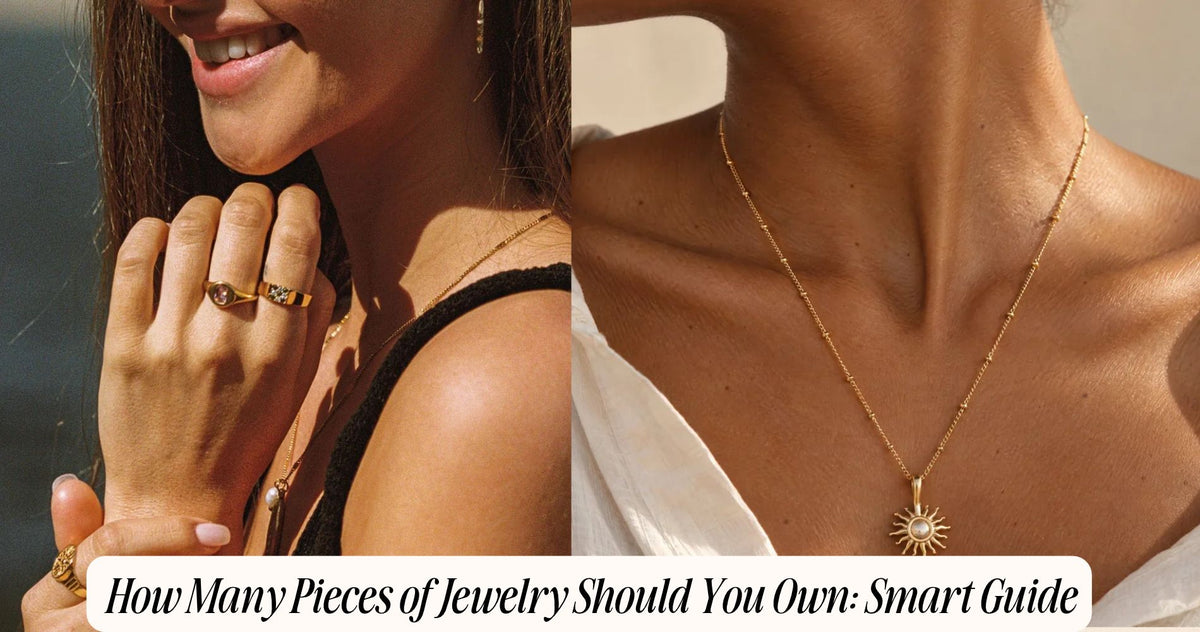
How Many Pieces of Jewelry Should You Own: Smart Guide
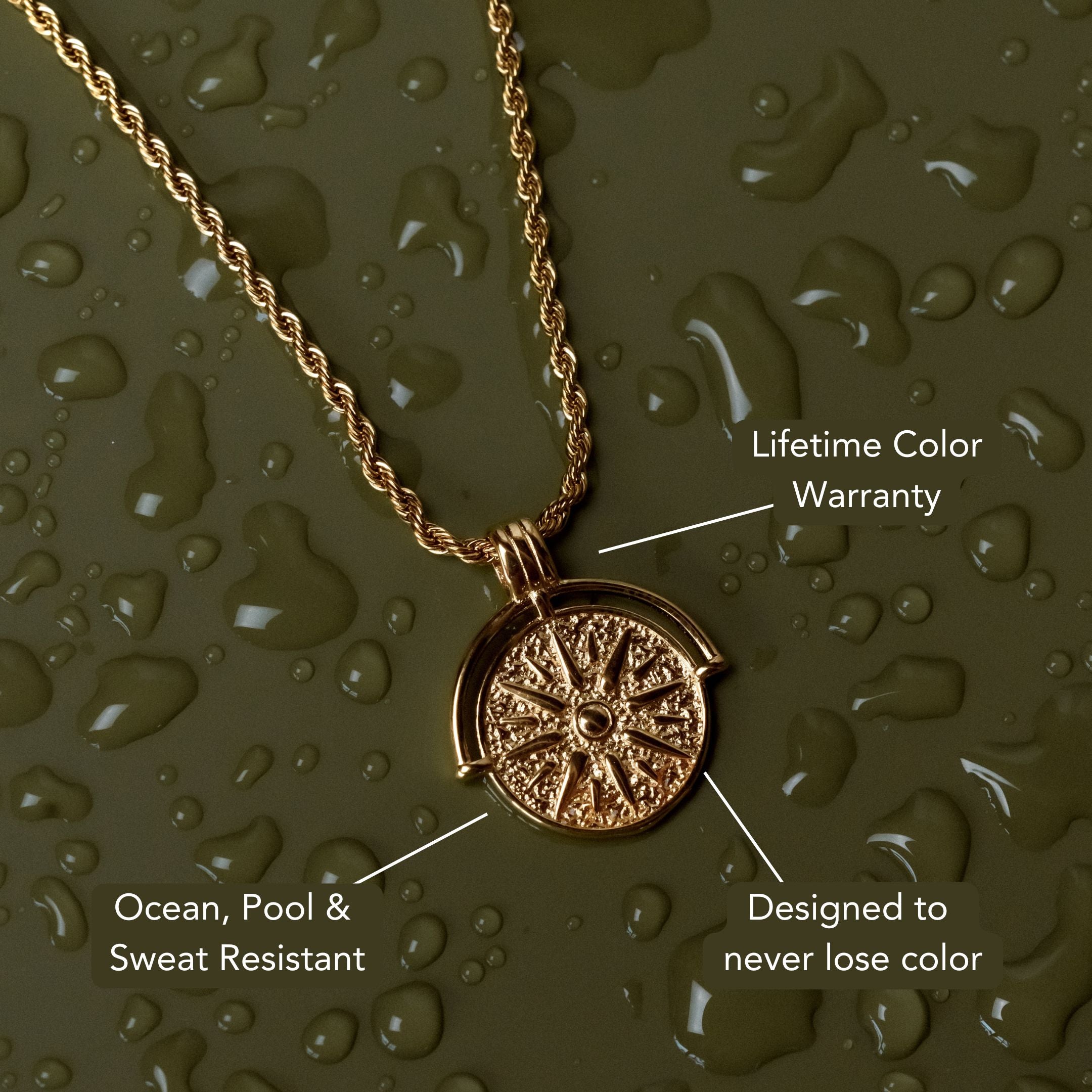
No fixed number is right for everyone, but a workable range exists, and it depends on how you dress, how often you wear jewelry, and how much variety you actually use. How many pieces of jewelry should you own comes down to owning enough to cover your real routines without accumulating pieces that sit untouched in a drawer. An Everyday Gold Necklace is a good example of the kind of anchor piece that earns its place by being worn constantly. This guide covers a practical total range, a breakdown by category, how lifestyle changes the numbers, the quality over quantity principle, and how to decide when a collection has grown past useful.
There Is No Single Right Number
Collection size varies widely among people with well-organized jewelry boxes. Someone who wears one signature necklace and a pair of studs daily may own eight pieces and feel fully served. Someone who dresses for many different occasions and enjoys changing their look may own sixty and wear most of them.
The useful measure is not the total but the wear rate. A collection works when most pieces are worn at least a few times a season. A collection has outgrown its purpose when large portions sit unworn for a year or more, since those pieces take up space, add upkeep, and make selection slower without adding value.
With that in mind, most people with a working everyday wardrobe land between 15 and 30 pieces, and the breakdown below shows how that range is typically distributed.

A Practical Breakdown by Category
The following ranges describe a balanced, functional collection rather than a minimum or a limit. Adjust each line to match what you actually wear.
| Category | Suggested Range | Purpose |
|---|---|---|
| Necklaces | 3 to 5 | One everyday chain, one pendant, one layering piece, one dressier option |
| Earrings | 4 to 6 pairs | Studs, small hoops, a drop pair, one statement pair |
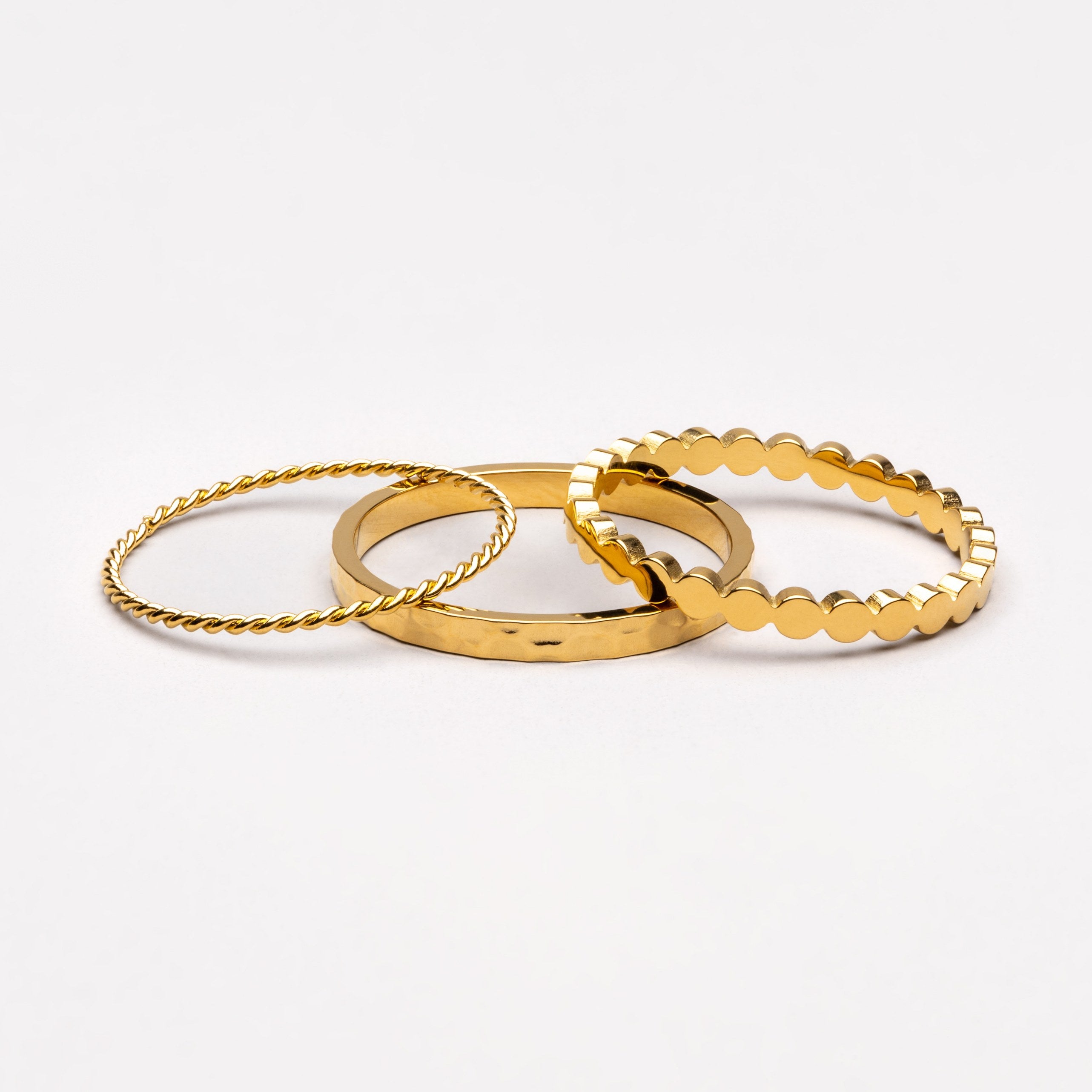
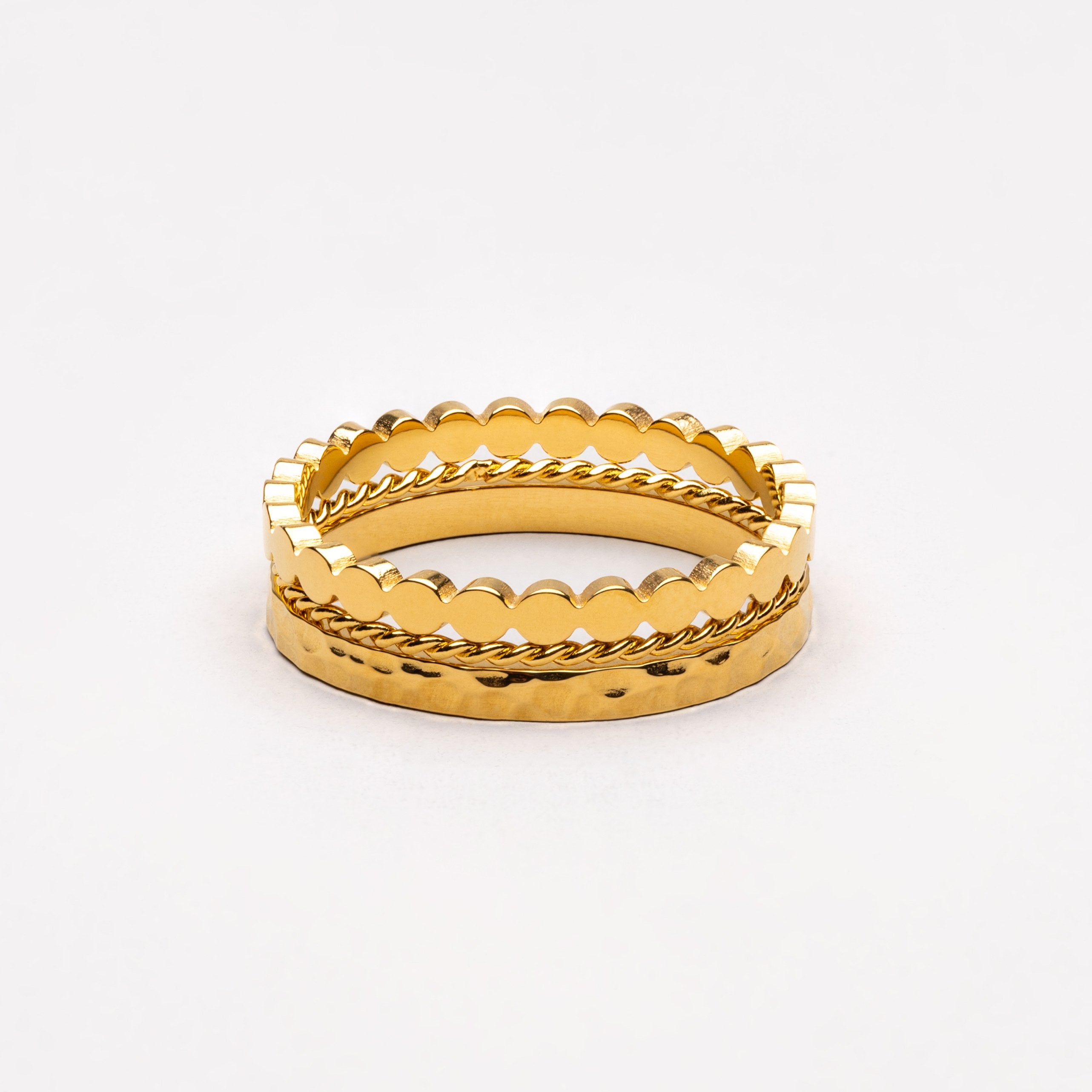
| Rings | 4 to 8 | A few stacking bands, one statement ring, one personal or meaningful ring |
| Bracelets | 2 to 4 | A fine chain, a bangle or cuff, one for dressier wear |
| Anklets | 1 to 2 | Warm-weather and beach wear |
| Occasion pieces | 1 to 3 | Pieces reserved for formal events |
Adding these together gives roughly 15 to 28 pieces, which covers daily wear, work, casual weekends, and a few occasions without duplication.
Start With the Everyday Core
Build the collection from the pieces you wear most, then add only where a real gap exists.
An everyday core usually includes one necklace you can wear daily, one pair of small studs or huggies, one or two rings, and a simple bracelet or none. These pieces should suit your skin tone, work with most outfits, and handle your routine, including showers, workouts, and travel.
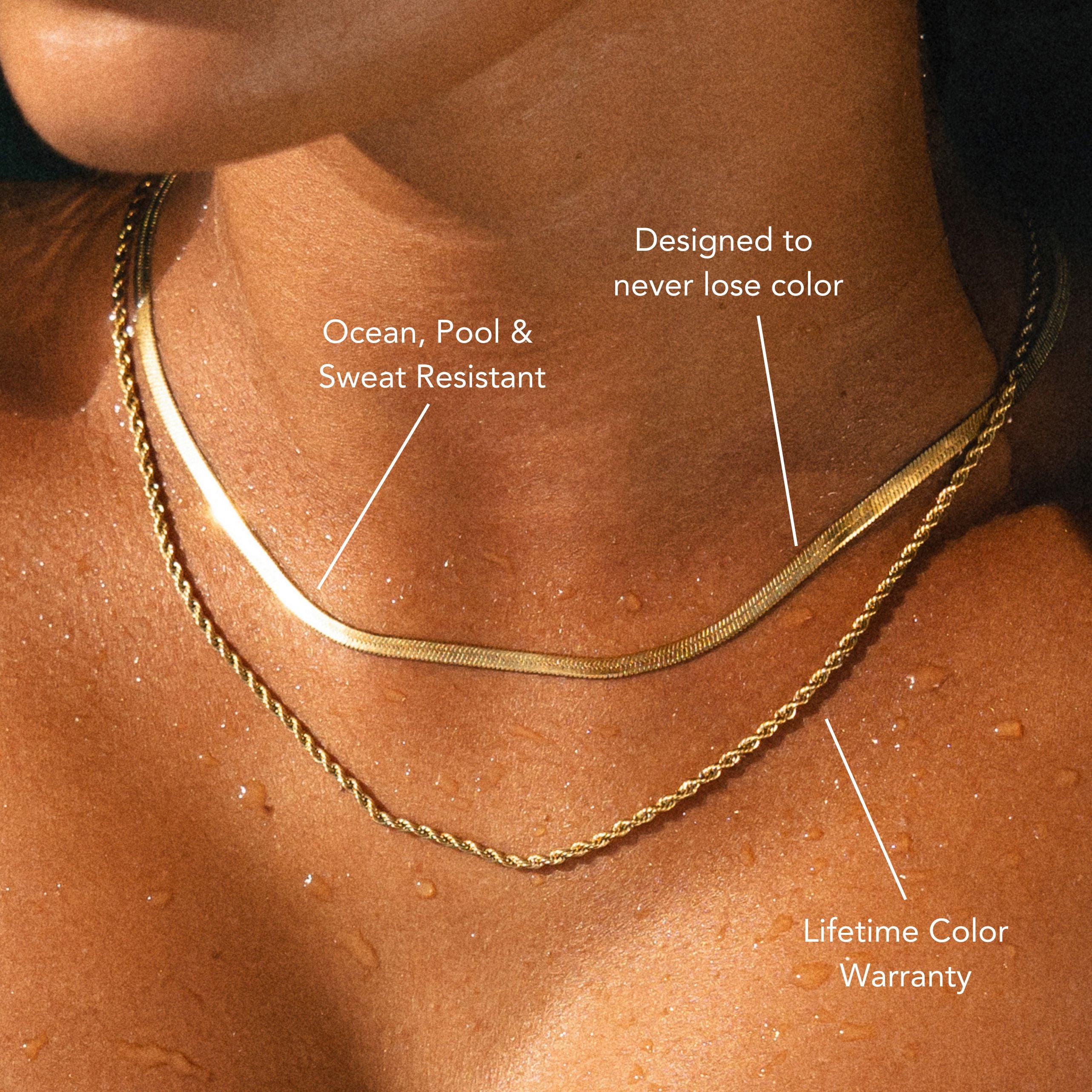
Choosing durable materials for this core matters more than anywhere else, since these pieces see the most wear. A necklace worn every day needs to hold its finish through sweat, sunscreen, and water. PVD-coated stainless steel and solid gold both meet that standard. ATOLEA's everyday pieces use PVD-coated 316L stainless steel with a lifetime color warranty, which keeps a daily core in good condition without frequent replacement.

How Lifestyle Changes the Numbers
Your routine determines what you genuinely need, and different lifestyles lead to different totals.
- Minimalist wearers. Someone who wears the same few pieces daily can function well with 8 to 12 total: one necklace, two earring pairs, two or three rings, and one bracelet. Fewer pieces mean less to maintain and clean.
- Active and outdoor lifestyles. People who swim, work out, and spend time at the beach benefit from a durable, water-ready core and often need fewer fragile pieces. A smaller set of waterproof pieces serves more situations than a large collection that requires removal for each activity.
- Professional settings. A work wardrobe needs polished, understated pieces. Four to six coordinated essentials such as studs, a pendant, a watch-friendly bracelet, and one ring usually cover most office days.
- Occasion-heavy schedules. If you attend frequent events, weddings, or dinners, a larger range of 25 to 40 pieces makes sense, with a dedicated set of dressier items.
- Collectors and layering enthusiasts. People who enjoy stacking rings, layering chains, and rotating looks may own 40 or more and still wear them regularly. The count works as long as the pieces circulate.
Quality Over Quantity
A smaller number of durable, well-chosen pieces generally serves better than a large number of pieces that tarnish, break, or cause irritation.
Pieces that fail quickly create a replacement cycle. A plated necklace that dulls in months gets replaced, then replaced again, and the total spent over several years often exceeds the cost of a single durable piece. Skin reactions from reactive metals add another cost, since the piece goes unworn.
Look for a named base metal, a sound finish method, and construction that suits how you live. A smaller collection in materials that last gives you more wear per piece, which is the real measure of value.
Building a Collection Gradually
Buying in stages helps you learn what you wear before committing to more.
Begin with the everyday core. Wear it for a few weeks and note what you reach for and what you leave behind.
Add pieces to fill specific gaps. If you often wish you had a longer chain for scoop necklines, add one. If every outfit calls for a different earring, add a pair of versatile hoops.
Choose a consistent palette. Staying within one dominant metal tone, with an occasional accent, means new pieces combine with existing ones and increase the number of outfits each piece works with.
Retire before adding. When you add a piece that serves the same purpose as an existing one, consider releasing the older one so the collection stays in balance.

Storage and Upkeep Set a Practical Ceiling
How much you can store and maintain also limits a sensible collection size. A collection that does not fit in an organized space ends up tangled, scratched, and underused.
Individual compartments, small pouches, and hanging organizers keep pieces separate and visible. If you cannot see a piece, you probably will not wear it.
Upkeep scales with count. Each piece needs periodic cleaning, and materials such as sterling silver and pearls need more attention than stainless steel or solid gold. Fewer pieces in low-maintenance materials means a lighter routine.
When to Edit Your Collection
A periodic review keeps the collection useful. Once or twice a year, go through everything and sort pieces into three groups: worn regularly, worn occasionally, and unworn.
Pieces that have not been worn in a year, no longer fit your style, or cause irritation are candidates to sell, donate, repurpose, or pass to someone who will wear them. Keep pieces with real sentimental value regardless of how often you wear them, and store them well.

Frequently Asked Questions
How many pieces of jewelry does the average person own?
Most people with a working everyday collection own between 15 and 30 pieces, though the number varies widely with lifestyle. Minimalists often own fewer than 12, while people who rotate looks or attend frequent events may own 40 or more.
How many necklaces should I own?
Three to five covers most needs: one everyday chain, one pendant, one layering piece, and one dressier option. Add more only if your wardrobe has specific gaps that these do not fill.
How many pairs of earrings do I need?
Four to six pairs usually suffice: small studs, small hoops, a drop pair, and one statement pair. Choose materials suited to daily wear for the studs and hoops, since those get the most use.
Is it better to have fewer, higher-priced pieces or more inexpensive ones?
Fewer, durable pieces generally deliver more value because they last and stay wearable. A reasonable approach is to invest in the everyday core and add inexpensive pieces only for trends you may not keep.
How do I know when I own too much jewelry?
A large share of your collection sitting unworn for a year, difficulty finding pieces, or a tangled, overstuffed storage space all signal that the collection has grown beyond use. A review and edit usually restores balance.
Finding Your Own Number
How many pieces of jewelry should you own has no universal answer, but a working range of 15 to 30 pieces serves most everyday wardrobes. Build from a durable daily core, adjust each category to your lifestyle, favor materials that last, and review the collection once or twice a year. A collection you wear and maintain easily is the right size, whatever the count.










Leave a comment
This site is protected by hCaptcha and the hCaptcha Privacy Policy and Terms of Service apply.