



How Do You Clean a Silver Chain Necklace: Easy Guide
A silver chain necklace presents a cleaning challenge that a flat pendant or a ring simply does not: dozens or even hundreds of individual links, each one capable of trapping tarnish, soap residue, or grime in the tiny spaces where they connect. The right cleaning approach genuinely depends on the specific chain style and thickness you are working with, since a technique that works beautifully on a substantial curb chain can be far too aggressive for a fine cable or snake chain. If you are wondering how do you clean a silver chain necklace without risking damage, matching your method to your chain's actual construction makes all the difference.
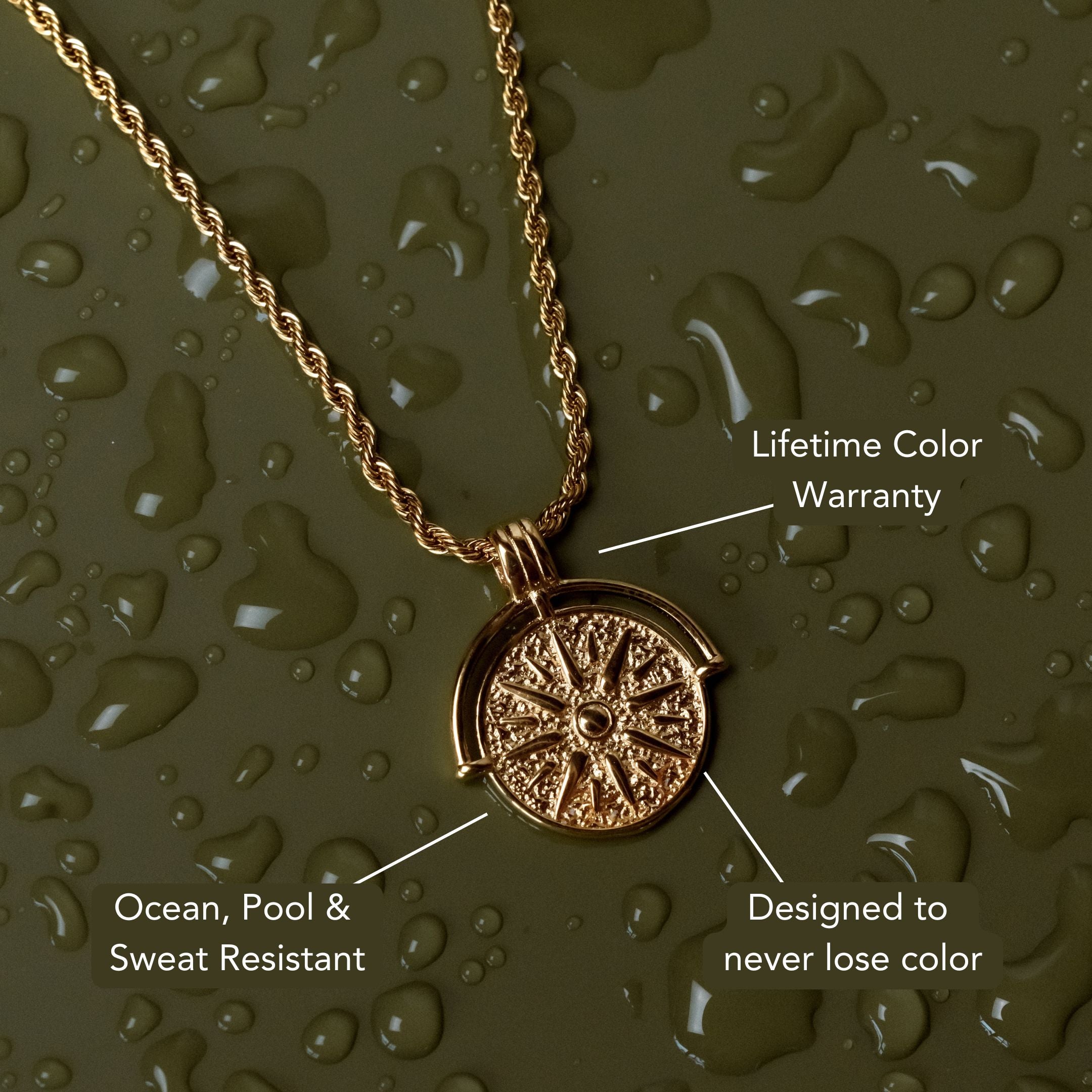
In this guide, we will walk through cleaning approaches tailored to different chain styles and thicknesses, along with techniques for reaching buildup trapped between tightly connected links. If you want a piece that resists tarnish in the first place, our Silver Waterproof Jewelry collection is designed to hold up beautifully with far less maintenance.
Why Chain Style Changes the Cleaning Approach
A flat surface, like a pendant or a ring's band, gives you a single continuous area to work across. A chain is fundamentally different: it is made of many small, moving parts, each with its own tiny crevices and contact points where tarnish and residue can settle. Some chain styles, like fine cable or snake chains, have very little structural tolerance for scrubbing or bending, while sturdier styles, like curb or box chains, can generally handle a bit more direct contact without risking damage. Understanding which category your chain falls into before you start cleaning helps you avoid using a technique that is either too aggressive for a delicate piece or too gentle to actually make a difference on a more robust one.

Cleaning Fine, Delicate Chains
Thin cable chains, singapore chains, and other lightweight, fine link styles require the gentlest possible approach, since their thin wire construction can bend, kink, or weaken under too much handling.
Skip Scrubbing Entirely
Rather than using a brush, submerge the chain briefly in a bowl of warm water with a few drops of mild dish soap, then gently swish it side to side rather than rubbing it against anything. This lets the soap solution work its way between the fine links without subjecting the wire itself to physical pressure.
Rinse by Swishing, Not Wiping
After soaking briefly, rinse the chain by swishing it through clean warm water rather than wiping it with a cloth, since wiping a fine chain can catch and bend individual links, particularly at connection points.
Dry by Laying Flat
Lay the chain flat on a soft towel to dry rather than picking it up while still wet and dabbing it with a cloth, which risks tangling or bending a delicate chain while it is most vulnerable.
Cleaning Sturdier, Thicker Chains
Curb, box, figaro, and other chains built from larger, more substantial links can tolerate a somewhat more hands on approach, making it easier to actually dislodge stubborn buildup trapped between the links.
Soak Longer, Then Use a Very Soft Brush
Sturdier chains can handle a longer soak, around 10 to 15 minutes in warm soapy water, followed by gentle brushing with a very soft bristled brush, such as a baby toothbrush. Work the brush along the length of the chain rather than scrubbing in tight circles, which helps loosen debris trapped between links without putting uneven pressure on any single connection point.
Flex the Chain Gently While Rinsing
Under running water, gently flex and move a sturdier chain back and forth, which helps water reach into the gaps between links far more effectively than simply holding it still under the tap. This motion is generally too rough for fine chains but works well for thicker, more resilient link styles.

Reaching Tarnish Trapped Between Tightly Connected Links
Some chain styles, particularly box, herringbone, and snake chains, are constructed with links that sit extremely close together, leaving very little visible gap even when the chain looks tarnished throughout. These styles require a slightly different strategy than simply brushing the surface.
Use the Baking Soda and Foil Method for Sturdier Tight Link Chains
For sturdier chains with tightly packed links, such as box or curb styles, the aluminum foil and baking soda method can be particularly effective, since the chemical reaction reaches into gaps a brush cannot easily access. Line a bowl with foil, add hot water and a tablespoon of baking soda per cup of water, and submerge the chain for several minutes, allowing the reaction to lift tarnish from between the links rather than relying on physical scrubbing alone.
Use a Silver Polishing Cloth on Snake and Herringbone Chains Carefully
For snake and herringbone chains specifically, whose overlapping plates or links create an almost solid, tightly woven surface, a silver polishing cloth worked gently along the length of the chain, following its natural direction, can reach tarnish sitting right at the surface without needing to access individual gaps the way a brush would for a more open link style.
Cleaning Chains With Pendants Attached
If your silver chain has a pendant, treat the chain and pendant separately, since a pendant may include gemstones, enamel, or other materials that cannot tolerate the same treatment as the plain silver chain itself. Clean the chain using the method appropriate for its specific style, then address the pendant separately, checking first whether it contains any material requiring gentler handling, such as pearl, opal, or turquoise, before applying the same soap and water approach to it as well.

What to Avoid Regardless of Chain Style
A few mistakes can cause damage across any chain type, delicate or sturdy. Avoid pulling a wet chain taut to inspect it, since wet metal is more prone to stretching or bending under tension. Avoid using toothpaste as an abrasive, since it can leave fine scratches, particularly noticeable on the many small reflective surfaces a chain presents compared to a single flat piece. Avoid hanging a wet chain to dry, since the combined weight and moisture can stretch fine links over time, particularly for thinner chain styles.
Drying and Storing a Chain After Cleaning
Once a chain has been cleaned, dry it thoroughly and immediately with a soft, lint free cloth, paying particular attention to working the cloth gently between links on sturdier chains where trapped moisture is more likely. For fine chains, laying flat to air dry the rest of the way after an initial gentle pat down helps avoid unnecessary handling while the chain is still slightly damp and more vulnerable to bending.
Store the chain fastened, with the clasp closed, in an individual pouch or compartment rather than loose in a drawer, since a closed loop is both less likely to tangle and less likely to develop uneven tarnish patterns from resting against other jewelry.
How Often to Clean Based on Chain Style
Fine, delicate chains generally benefit from a light wipe with a soft dry cloth after each wear, reserving a full soap and water clean for once every few weeks, since frequent soaking and handling carries more cumulative risk for thin wire construction. Sturdier chains can tolerate more frequent full cleaning, roughly every one to two weeks with regular wear, since their more robust construction handles repeated handling without the same risk of bending or stretching.
When to Seek Professional Cleaning
If a chain, regardless of style, continues to look dull or tarnished despite following the appropriate method for its construction, or if you notice any links that feel weakened, kinked, or misshapen during cleaning, a professional jeweler can address both the tarnish and any structural issues more safely than continued at home attempts, particularly for chains with significant sentimental or replacement value.

Final Thoughts
So, how do you clean a silver chain necklace? The right approach depends genuinely on the chain's construction: fine, delicate chains need a gentle soak and swish rather than scrubbing, sturdier chains can tolerate a soft brush and longer soak, and tightly linked styles like box or herringbone chains often benefit from the foil and baking soda method to reach tarnish trapped between closely packed links. Matching your cleaning technique to your specific chain style protects it from unnecessary damage while still getting it genuinely clean.
Frequently Asked Questions
1. Can I use the same cleaning method for all chain styles?
No, fine chains require a gentle soak and swish without scrubbing, while sturdier chains like curb or box styles can tolerate a soft brush and more direct handling.
2. Why is the foil and baking soda method good for tightly linked chains?
The chemical reaction reaches into small gaps between closely packed links that a brush cannot easily access, making it particularly effective for styles like box or curb chains.
3. Should I clean a pendant the same way as the attached chain?
No, treat them separately, since a pendant may contain gemstones or materials that need gentler handling than the plain silver chain itself.
4. How often should a fine silver chain be fully cleaned?
Roughly once every few weeks is generally sufficient, with a light dry cloth wipe after each wear in between, since frequent soaking carries more risk for delicate, thin wire chains.














Leave a comment
This site is protected by hCaptcha and the hCaptcha Privacy Policy and Terms of Service apply.