


What Is Mother of Pearl: Essential Guide
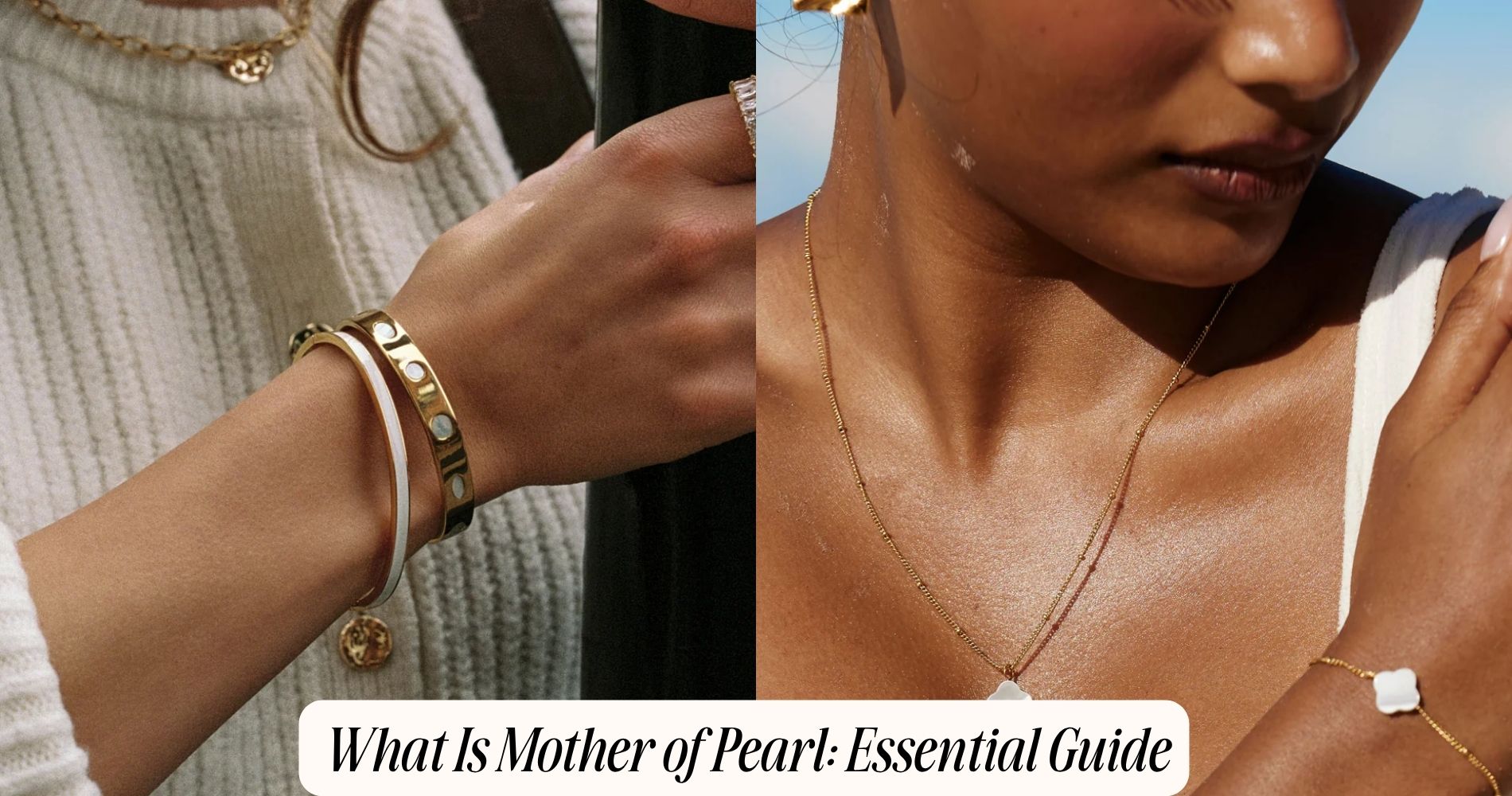
Mother of pearl appears across fine jewelry, watches, inlay work, and decorative objects, but its exact nature is often misunderstood. Many people assume it is a type of pearl or a lower-quality alternative to pearl, but it is neither. Understanding what is mother of pearl accurately, from its biological origin to its optical properties to its practical jewelry applications, gives you a clearer sense of why it has been prized across cultures for thousands of years. Freshwater Pearls Jewelry draws on the same biological material tradition. This guide covers what mother of pearl is, how it forms, how it differs from pearl, what cultural and symbolic meanings it carries, and how to choose and care for mother of pearl jewelry in daily wear.
What Mother of Pearl Is: The Biological Origin
Mother of pearl is nacre, the same iridescent material that forms the inner lining of certain mollusk shells and that builds up around an irritant inside the mollusk to eventually create a pearl. The two materials are identical in composition and structure. The difference is location: nacre that lines the interior of the shell is what we call mother of pearl, while nacre deposited in concentric layers around a central irritant inside the mollusk is what becomes a pearl.
Nacre is a composite biological material produced by mollusks including oysters, mussels, abalone, and freshwater clams. The mollusk secretes it continuously throughout its life as a protective lining for the inner shell surface. Chemically, nacre consists of two primary components: aragonite, a crystalline form of calcium carbonate, and conchiolin, an organic protein that acts as a binding layer between the aragonite crystals.

The structure is what creates the optical effect. Aragonite crystals in nacre are deposited in extremely thin, flat tablets stacked in regular layers with conchiolin between them. Each tablet is approximately 0.5 microns thick. When light enters the nacre, it reflects off each successive layer and interferes with the reflections from the layers below in a process called thin-film interference. This interference creates the shifting, iridescent glow called orient or overtone that moves across the surface as the angle of observation changes. This optical phenomenon is what makes mother of pearl visually distinctive and is the same mechanism that gives pearls their characteristic luster.
What Is Mother of Pearl: How It Differs From Pearl
Mother of pearl and pearl share the same material, nacre, but they differ in form, origin, and practical properties in ways that affect how each is used in jewelry.
Form: Mother of pearl is a flat sheet material, the inner lining of the shell. It is harvested as flat panels that can be cut, shaped, and inlaid into surfaces. Pearl is a rounded object that forms inside the mollusk's tissue, not attached to the shell. Pearls are used as individual beads, cabochons, or drop elements in jewelry. Mother of pearl is used as flat inlay, carved pieces, beads cut from the shell material, or flat components in settings.
Origin within the mollusk: Pearls form when the mollusk isolates an irritant (a parasite, a grain of sand, or in cultured pearls, a deliberately inserted nucleus) inside a sac of mantle tissue and deposits concentric layers of nacre around it over years. Mother of pearl is the shell lining deposited continuously against the inner shell surface throughout the mollusk's life.
Volume and availability: Because mother of pearl is the shell lining itself, significantly more of it is available from each mollusk than the relatively rare formation of a pearl inside it. This makes mother of pearl more accessible as a jewelry material and allows it to be used in larger pieces and flat surface applications where using whole pearls would be impractical.
Optical quality: Pearls develop their unique luster from nacre deposited in perfectly concentric layers around a central point, which produces a concentrated, deep glow from the center of the bead. Mother of pearl's iridescence is a surface optical effect from the flat sheet structure of the shell lining. Both are beautiful but produce slightly different visual effects: pearl luster tends to appear to glow from within the bead, while mother of pearl's orient shifts and moves across the surface.

Where Mother of Pearl Comes From
Mother of pearl is harvested from several mollusk species across different regions and environments.
Pinctada maxima (silver-lipped and gold-lipped oyster): The largest pearl oyster, found in the Indo-Pacific region including Australia, Indonesia, and the Philippines. Its shell lining produces the most prized white and silver mother of pearl, used in high-quality jewelry inlay and watch dials.
Haliotis (abalone): The abalone shell produces some of the most colorful mother of pearl available, with striking blue, green, and purple iridescence. Found along the Pacific coasts of North America, New Zealand, Japan, and South Africa. Abalone is prized for decorative inlay and guitar ornamentation as well as jewelry.
Freshwater mussels: Various freshwater mussel species produce mother of pearl with a warmer, creamier quality than marine oysters. Freshwater shell mother of pearl has been historically significant in button manufacturing and is used in jewelry at accessible price points.
Trochus and turbo shells: Tropical marine snails that produce thick shells with substantial nacre layers. Used widely in jewelry and decorative objects and more sustainably available than some oyster species.
The geographic origin of the shell affects the color quality of the mother of pearl it produces. Pacific oyster shells tend toward white, silver, and cream tones. Abalone produces the most vivid color play. Freshwater mussel shells often show warmer pink and lavender overtones.

Cultural and Symbolic History of Mother of Pearl
Mother of pearl has been used in jewelry, ornamentation, and ritual objects across cultures for thousands of years, well before pearl cultivation made pearls accessible at scale.
Ancient Mesopotamia: Archaeological evidence places mother of pearl use in Mesopotamian jewelry and mosaics dating to approximately 4200 BCE, making it one of the oldest continuously used decorative materials in human history.
Indigenous Pacific and Coastal cultures: Many Pacific Island, Native American coastal, and Aboriginal Australian cultures have used mother of pearl for jewelry, currency, ritual objects, and navigation tools. In some traditions, mother of pearl shells were among the most valued trade goods because of their rarity in inland regions.
China: Mother of pearl has been used in Chinese lacquerware inlay and furniture decoration for centuries. In Chinese tradition, it carries associations with good fortune, protection, and the calming influence of water.
Victorian Europe: The Victorian era saw widespread use of mother of pearl in button manufacture, fan decoration, card cases, and jewelry. Its availability at accessible price points made it one of the most democratically worn decorative materials of the period.
Contemporary symbolism: Mother of pearl is associated with intuition, emotional sensitivity, and the protective qualities of the sea in modern crystal and gem traditions. Its connection to water and the moon gives it associations with feminine energy, calm, and the ability to navigate emotional complexity with grace.

Mother of Pearl in Jewelry: Practical Considerations
Mother of pearl at a jewelry application level has specific practical properties that affect which piece types it suits and how it should be cared for.
Hardness: Mother of pearl rates 3.5 to 4 on the Mohs hardness scale, making it softer than most gemstones and susceptible to scratching from harder materials. For rings, protective settings like bezels that encase the stone edge reduce exposure to impact and abrasion. For pendants, earrings, and necklace components where contact risk is lower, the setting style is less critical.
Sensitivity to chemicals and acids: Nacre is calcium carbonate at its base, which reacts with acids. Perfume, hairspray, and acidic skincare products should not come into direct contact with mother of pearl pieces as they can etch the surface and dull the orient over time. Apply all products before putting on mother of pearl jewelry.
Water sensitivity: Mother of pearl tolerates brief water contact but prolonged submersion in chlorinated or acidic water weakens the organic conchiolin layer between the nacre tablets over time, eventually causing delamination. Removing mother of pearl pieces before swimming and showering extends their life significantly.
Cleaning: A soft, damp cloth with no cleaning agents is the safest approach. Avoid ultrasonic cleaners, steam cleaners, and any chemical jewelry cleaners. The mild abrasive in some polishing cloths can scratch the nacre surface.
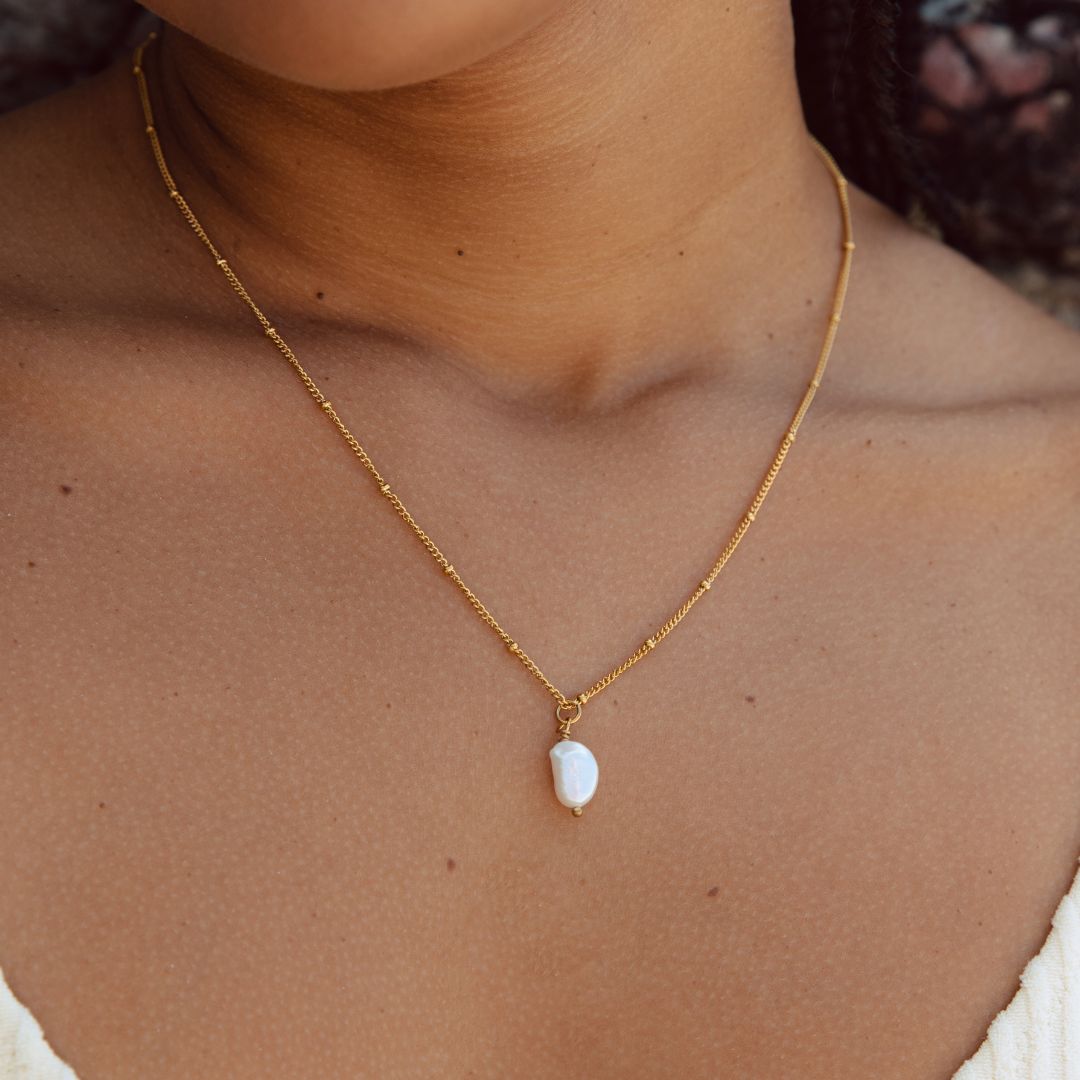
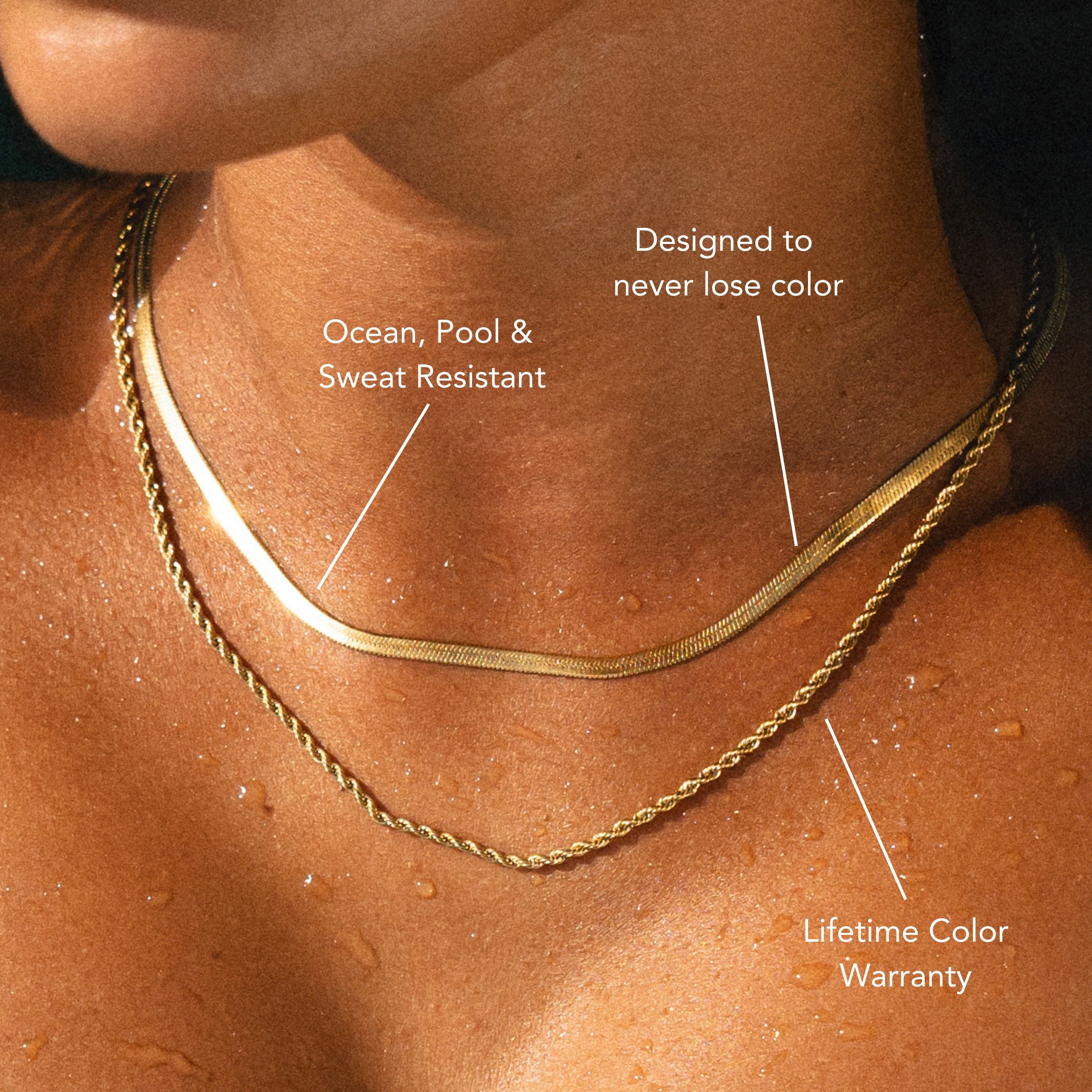
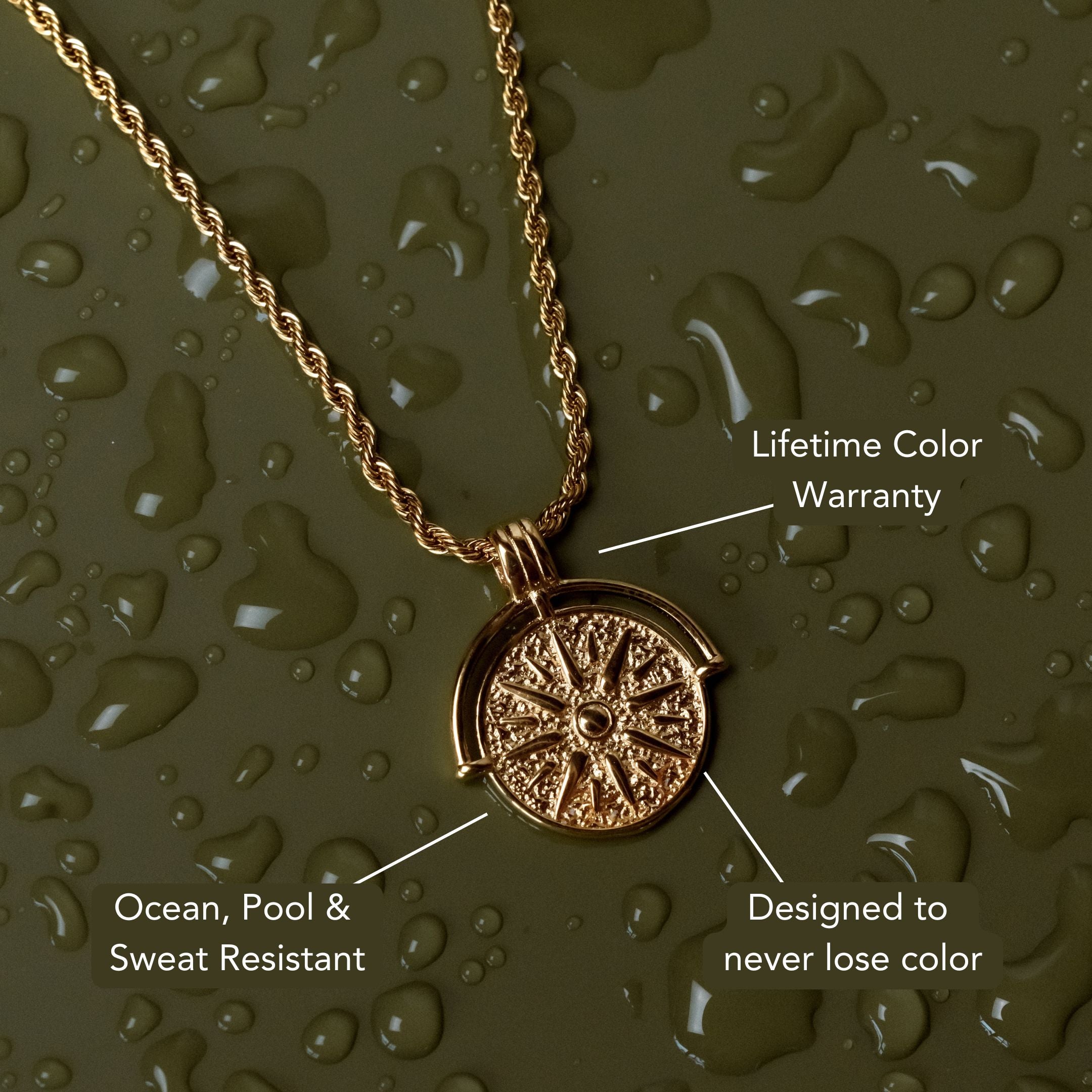
The base metal setting matters for pieces worn regularly. PVD-coated stainless steel provides a non-reactive base that does not tarnish around the mother of pearl inlay or setting, keeping the surrounding metal consistent with the stone's appearance over time. ATOLEA's freshwater pearl and shell-inspired pieces use waterproof construction with a lifetime color warranty so the metal framing the stone stays as clean as the stone itself through daily wear.
Frequently Asked Questions
Is mother of pearl the same as pearl?
Mother of pearl and pearl are made from the same material, nacre, but they are different in form and origin. Mother of pearl is the flat inner lining of a mollusk shell, harvested as a sheet material. Pearl is a rounded object formed inside the mollusk's tissue when nacre is deposited in layers around an irritant over years. Both share the same iridescent optical properties because the nacre structure that creates them is identical.
Is mother of pearl valuable?
Mother of pearl has genuine material value as a jewelry and decorative material, though it sits well below the price of fine pearls or precious gemstones. High-quality mother of pearl from large Pacific oysters, particularly Pinctada maxima, commands premium prices for watch dial and fine jewelry applications. Abalone shell is prized for its color intensity. The value varies significantly with species, color quality, thickness of the nacre layer, and the absence of blemishes in the surface orient.
Can you wear mother of pearl every day?
Mother of pearl can be worn regularly but benefits from protective settings and careful handling given its relatively low hardness of 3.5 to 4 on the Mohs scale. Pendants, earrings, and bracelets are better suited for daily wear than rings, which face the highest impact and abrasion risk. Keeping mother of pearl away from perfume, acidic skincare products, and prolonged water submersion preserves the surface quality through regular use.
What does mother of pearl symbolize?
Mother of pearl carries associations with intuition, emotional calm, protection, and the nurturing energy of the sea across multiple cultural traditions. Its connection to water and the moon gives it symbolic links to feminine energy, creativity, and the ability to move through emotional experience with grace. In Chinese tradition it is associated with good fortune and protection. In contemporary crystal traditions it is used as a stone of emotional balance and clarity.
What is the difference between mother of pearl and shell?
Shell is the broad term for the outer protective structure of a mollusk. Mother of pearl refers specifically to the iridescent nacre layer that lines the interior of certain mollusk shells. Not all shells produce nacre: only mollusks with the biological machinery to secrete the aragonite-conchiolin composite structure produce the iridescent lining that qualifies as mother of pearl. The term shell in jewelry sometimes refers to non-nacre shell material used decoratively, which does not have the same optical properties as mother of pearl.
Conclusion
What is mother of pearl is answered most accurately by its biological identity: it is nacre, the same iridescent composite of aragonite crystals and conchiolin protein that builds pearls, but in its form as the inner shell lining rather than as a rounded bead. Its optical iridescence comes from thin-film interference in its layered microstructure. Its cultural history spans over six thousand years across virtually every coastal civilization. As a jewelry material it rewards protective settings and careful product management while offering an optical beauty that synthetic alternatives have not replicated with the same depth.









Leave a comment
This site is protected by hCaptcha and the hCaptcha Privacy Policy and Terms of Service apply.