


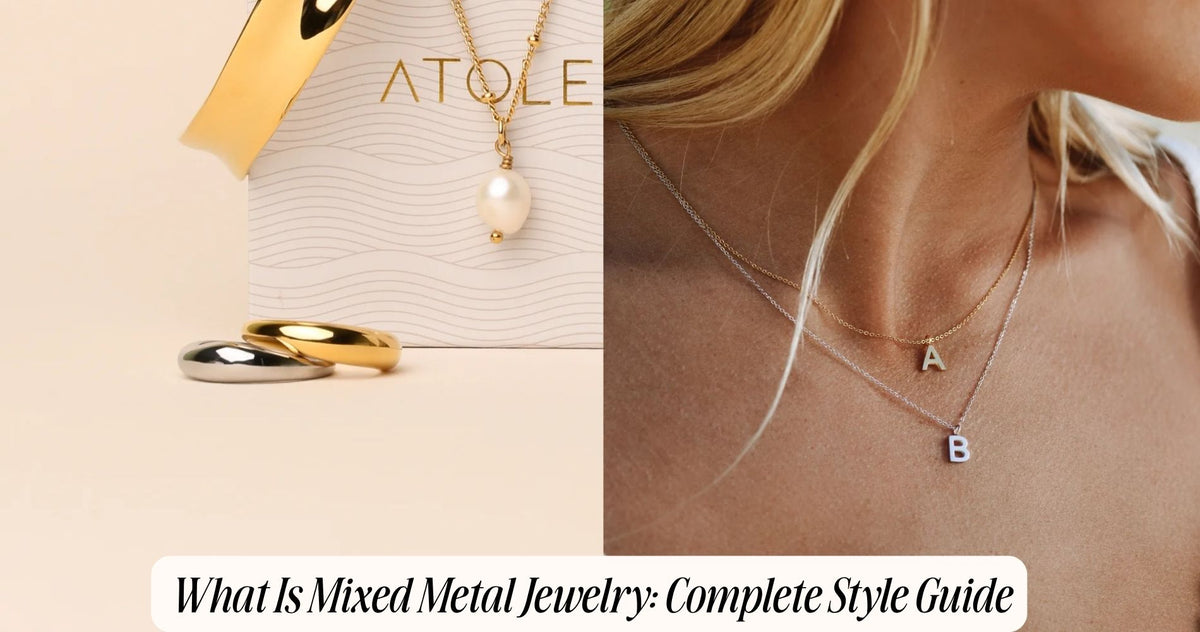
What Is Mixed Metal Jewelry: Complete Style Guide
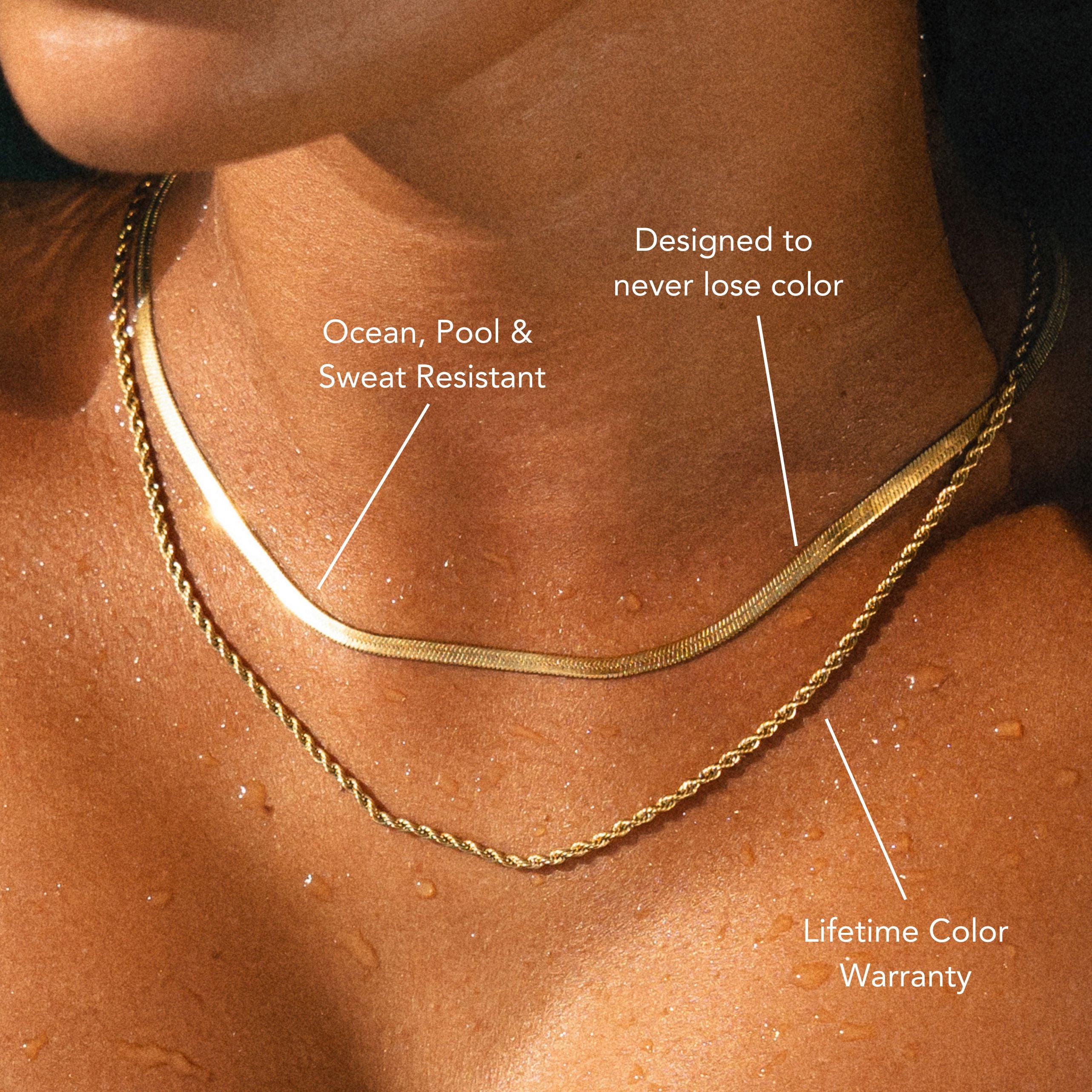
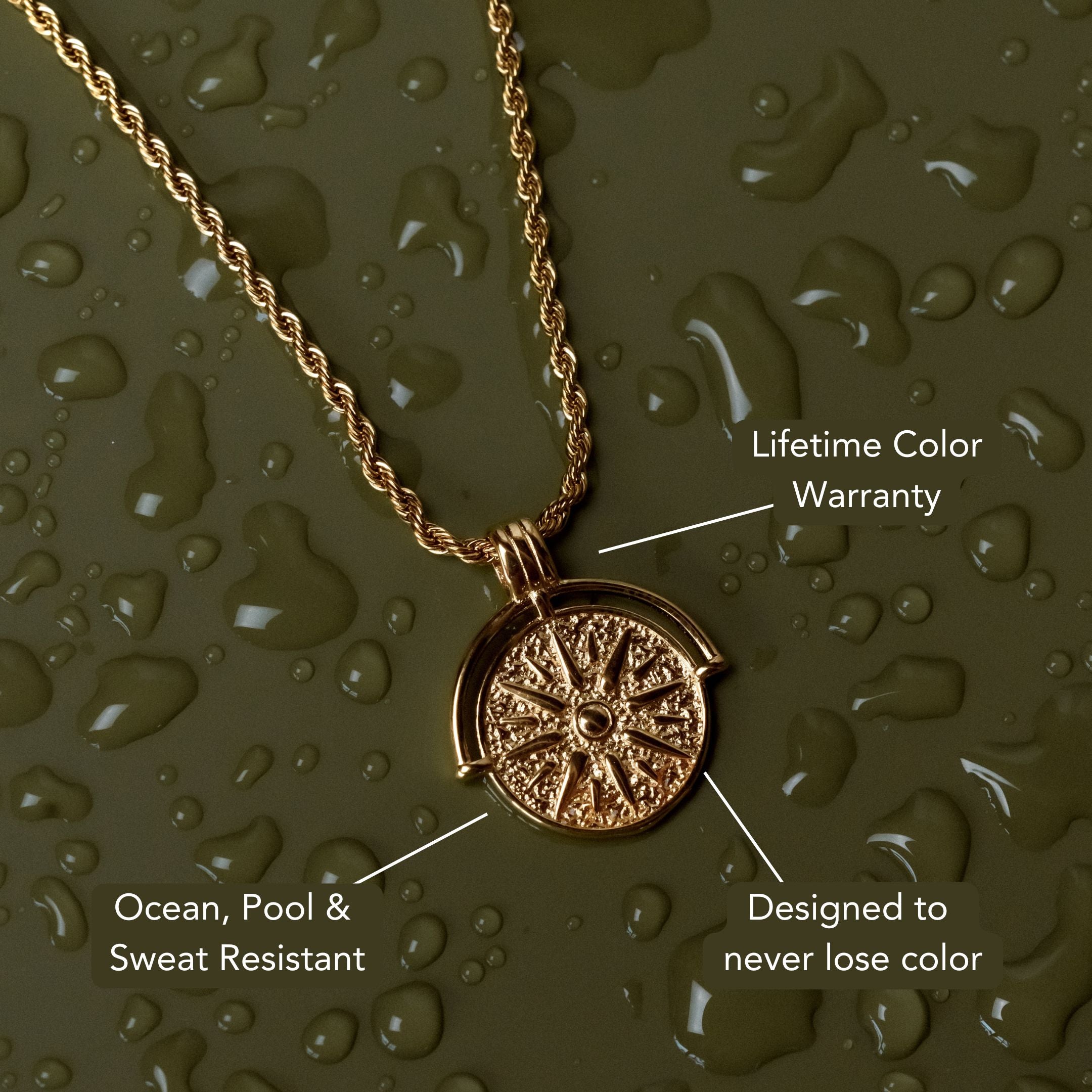
The term shows up on product pages and style blogs constantly, yet it covers three quite different things, and the difference affects how a piece looks, wears, and ages. What is mixed metal jewelry comes down to any jewelry that combines two or more metal tones, either within a single piece or across pieces worn together. Waterproof Jewelry in gold and silver tones is a practical way to see how the idea works in daily wear. This guide covers the definition, the three main types, how mixed metal pieces are made, why material compatibility matters, and what to check before you buy.
The Definition of Mixed Metal Jewelry
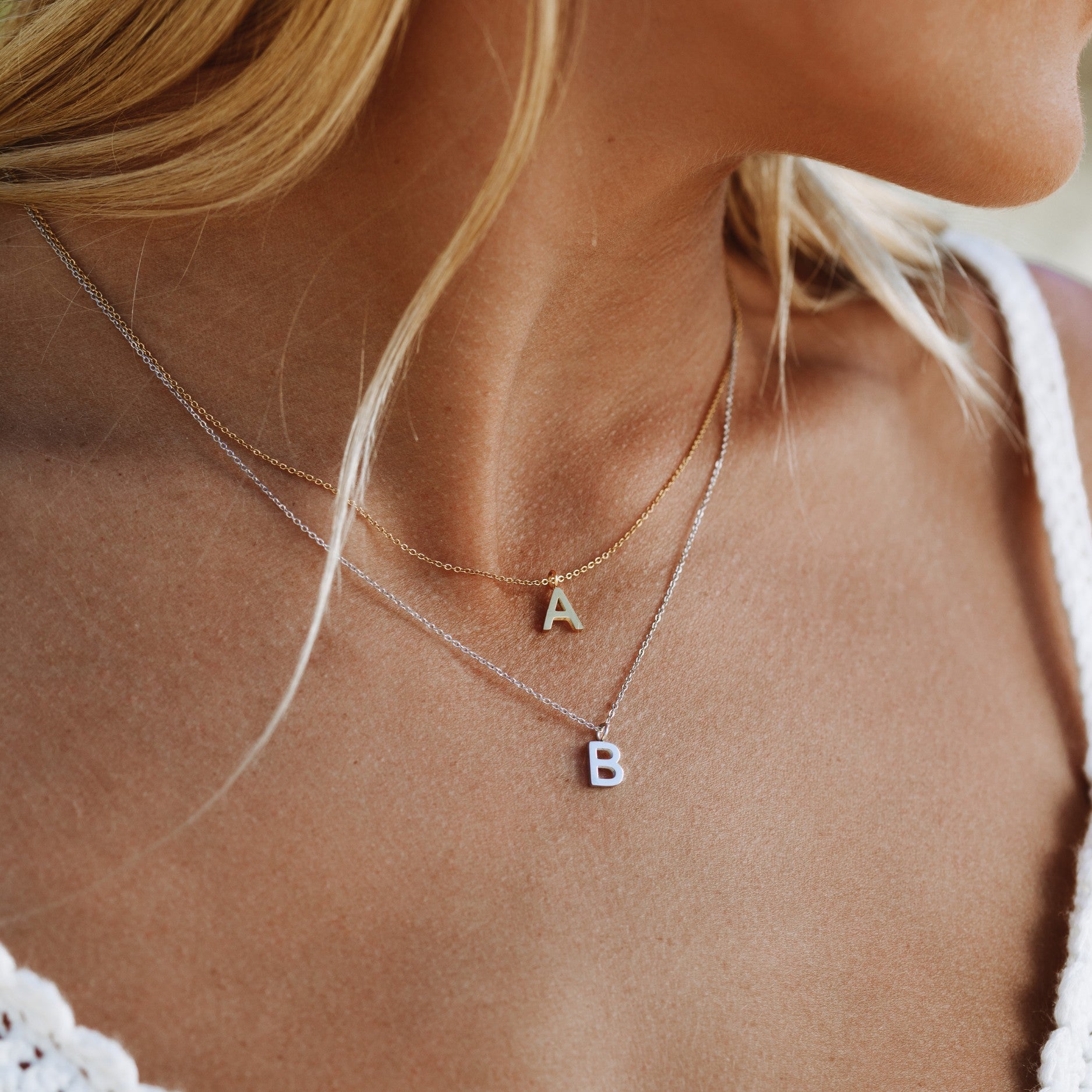
Mixed metal jewelry combines different metal colors, most commonly yellow gold tone, silver tone, and rose gold tone, into one look. The combination can happen inside a single piece, such as a pendant with a gold frame and a silver center, or across separate pieces, such as a gold chain layered with a silver chain.
The word metal here refers to the visible color and finish, not necessarily the underlying material. A mixed metal necklace can be solid gold and sterling silver, or it can be one base metal such as stainless steel finished in two different tones. This distinction matters because it determines how the piece behaves over time, which later sections cover in detail.
Mixed metal differs from simply owning both gold and silver jewelry. The defining feature is the deliberate pairing, where the two tones appear together on purpose and read as one considered composition rather than as unrelated pieces that happen to share an outfit.
The Three Types of Mixed Metal Jewelry
Mixed metal jewelry falls into three categories, and each suits a different kind of wearer and a different level of effort.
- Two-tone single pieces. One item carries two metal tones in its own design. Examples include a ring with a gold band and silver accents, a bracelet with alternating gold and silver links, or a pendant with a contrasting frame. These pieces settle the mixing decision for you, since the designer already balanced the tones.
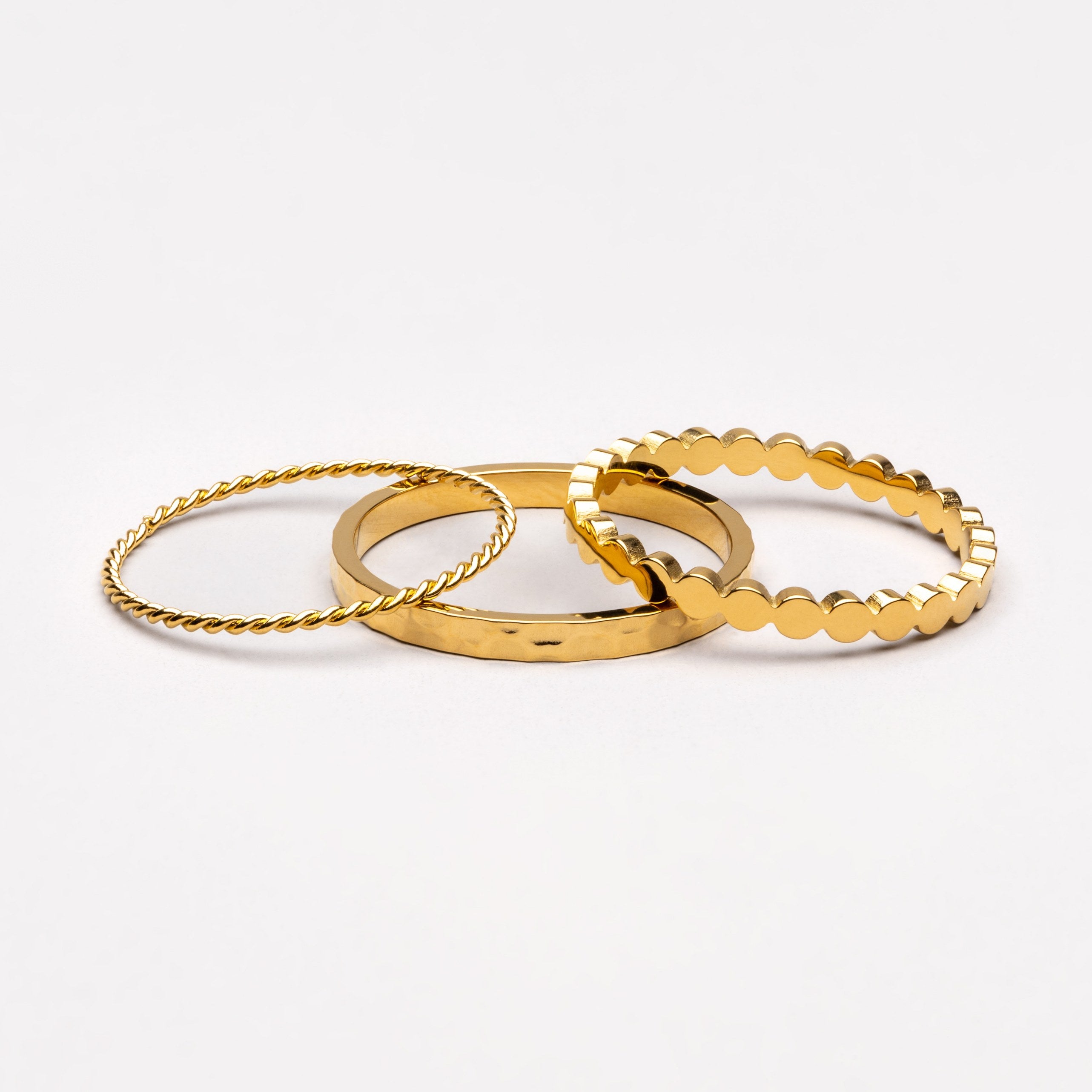
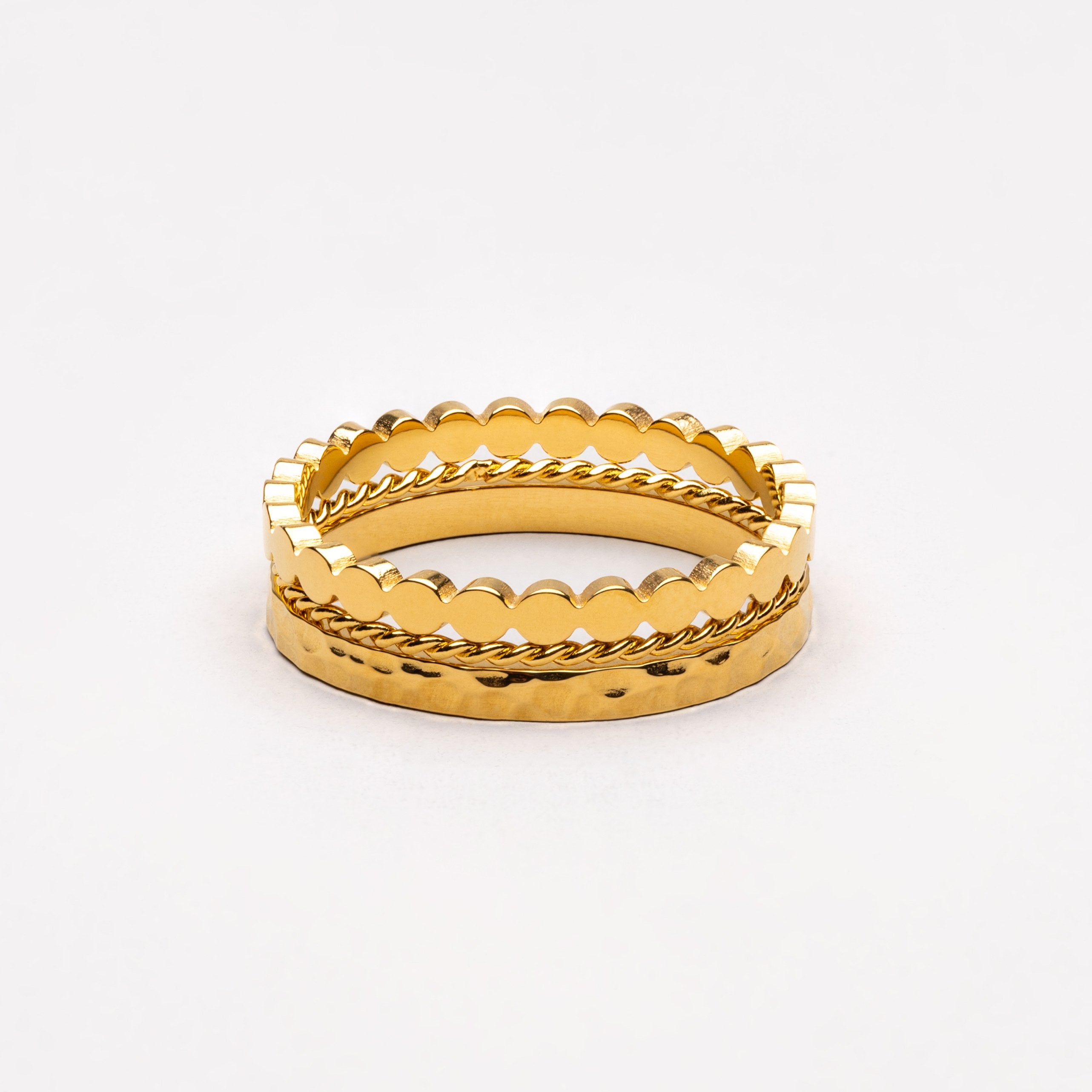
- Mixed metal stacks and sets. Separate pieces, each in a single tone, are worn together. A gold ring beside a silver ring, or a stack of three bracelets in two tones, is the most flexible form because you control the ratio and can change it daily.
- Mixed metal collections. Some brands design a range so gold and silver versions share the same silhouettes, chain gauges, and finishes. Pieces from these ranges combine easily because the design language matches even where the tones differ.
| Type | What It Looks Like | Best For |
|---|---|---|
| Two-tone single piece | One item, two tones built in | Wearers who want the decision made for them |
| Mixed stack or set | Separate single-tone pieces worn together | Wearers who like to adjust the ratio daily |
| Coordinated collection | Matching designs in different tones | Wearers building a flexible wardrobe over time |
How Mixed Metal Pieces Are Made
Construction methods affect durability, so it helps to know what sits behind the two tones you see.
- Solid metal combinations. Two real metals, such as yellow gold and sterling silver, are joined by soldering, inlay, or interlocking links. Each tone is genuine metal throughout, which makes the piece durable but also priced for the metals involved.
- Selective plating. A single base metal receives gold plating on some areas and silver or rhodium plating on others. This produces the two-tone look at a lower cost, but the plating layers are thin and wear at edges and contact points.
- Multi-tone PVD coating. A stainless steel base is coated in different tones through Physical Vapor Deposition, a process that bonds the finish at the atomic level in a vacuum chamber. The coating is thicker than standard plating and holds through water and friction, which makes it the most practical method for pieces worn daily.
- Mixed links and components. Chains or bracelets assemble gold-tone and silver-tone links or beads into one strand. Quality here depends on whether every component shares the same base material and finish quality.

Material Compatibility: The Detail Most Guides Skip
The most important practical question about any mixed metal piece is whether its different tones age at the same rate. Two tones that look balanced on the first day can drift apart if their materials behave differently.
Sterling silver tarnishes through air exposure, while gold plating over brass wears through at friction points. A piece combining the two develops uneven discoloration, with the silver darkening and the gold fading in patches, which breaks the visual balance the design intended.
Pieces built on a single stable base, such as stainless steel with PVD finishes in both tones, avoid this problem because both tones share the same underlying behavior. They resist tarnish and water equally, so the contrast you bought stays consistent through showers, gym sessions, and beach days.
The same logic applies to stacks. If you wear a sterling silver ring beside a gold-plated ring every day, expect the two to need different care and to look different within months.
What to Check Before Buying Mixed Metal Jewelry
A few specific checks separate well-built mixed metal pieces from those that disappoint.
Look for a named base metal in the product description. Terms such as gold tone or two-tone without a base metal hide what the piece is actually made from. A listing that names 316L stainless steel, solid gold karat, or sterling silver gives you something verifiable.
Check how the tones are applied. Inlaid or soldered solid metals, and bonded PVD finishes, last longer than thin selective plating on joins and edges.
Confirm that components share the same material. In a mixed link bracelet, a reactive clasp on an otherwise stable chain becomes the first point of failure.
Consider the warranty. A lifetime color warranty only makes sense when the finish genuinely holds, so it works as a practical signal of construction quality. ATOLEA builds its gold and silver tone ranges on PVD-coated 316L stainless steel, with a lifetime color warranty on every piece, so both tones in a mixed stack age together.

Caring for Mixed Metal Jewelry
Care depends on the weakest material in the piece. Mild dish soap in warm water with a soft toothbrush suits most stable metals. For pieces combining sterling silver with other metals, a polishing cloth handles the silver portions without touching adjacent finishes.
Store mixed metal pieces separately so the harder tone does not scratch the softer one, and wipe pieces after sweat, sunscreen, or salt water exposure. Pieces built on one stable base need less of this attention, which is part of their everyday appeal.
Frequently Asked Questions
What does mixed metal mean in jewelry?
Mixed metal means a piece or a combination of pieces that uses two or more metal tones, usually gold, silver, and rose gold tones, together as one deliberate look. It can describe a single two-tone item or several single-tone pieces worn together.
Is mixed metal jewelry made from different metals or one metal?
Either. Some pieces join genuinely different metals, such as gold and sterling silver. Others use one base metal, such as stainless steel, finished in several tones through plating or PVD coating. The second approach tends to age more evenly because both tones share the same base.
Does mixed metal jewelry tarnish unevenly?
It can, when the tones come from different materials. Sterling silver tarnishes while gold plating wears at contact points, so the two portions change at different rates. Pieces with one stable base and bonded finishes in both tones age much more evenly.
Can I wear mixed metal jewelry every day?
Yes, provided the piece is built for daily wear. Stable bases such as stainless steel with PVD finishes handle showers, sweat, and swimming. Pieces combining sterling silver with thin plating need more careful removal and storage to keep both tones looking right.
Is mixed metal jewelry more expensive than single-tone jewelry?
Not inherently. Price follows the materials and construction, not the number of tones. A two-tone piece in solid gold and silver costs more than one using PVD-coated steel, while a mixed stack of single-tone pieces costs whatever each piece costs individually.
Understanding the Category Before You Buy
What is mixed metal jewelry has a clear answer once you separate its three forms: two-tone single pieces, mixed stacks, and coordinated collections. The practical detail that matters most is whether the tones share a stable base, because that decides whether the contrast you chose stays intact through daily wear. Check for a named base metal, a sound method of applying each tone, and consistent components, and a mixed metal piece will look as deliberate in month six as it did on the first day.









Leave a comment
This site is protected by hCaptcha and the hCaptcha Privacy Policy and Terms of Service apply.