

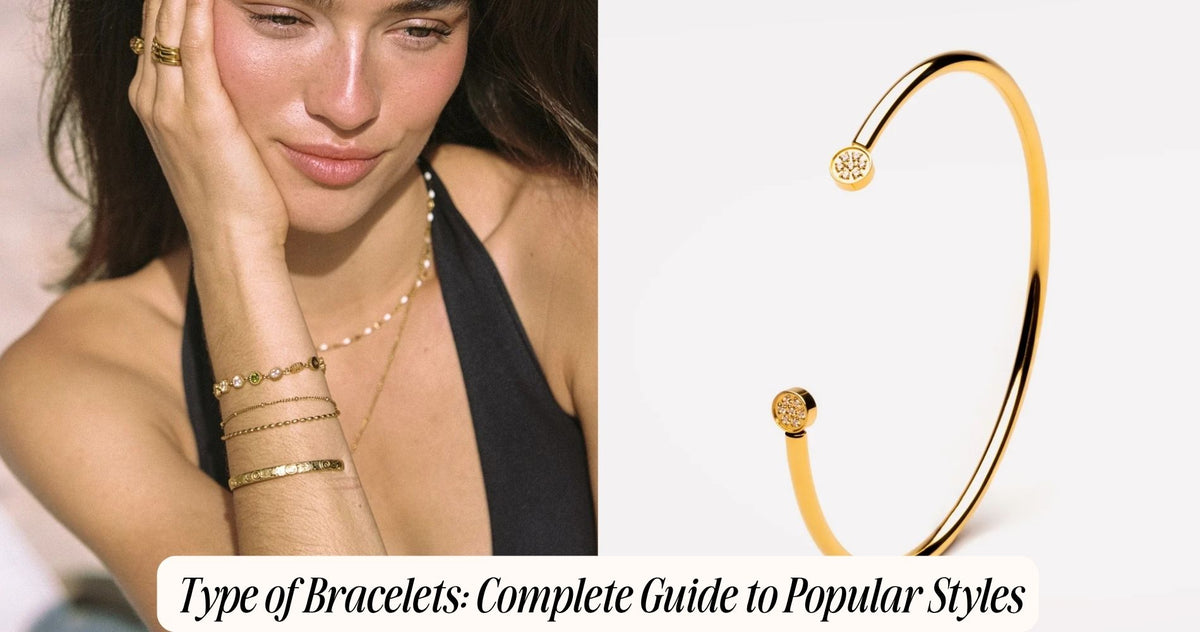
Type of Bracelets: Complete Guide to Popular Styles
Bracelets are one of the most versatile pieces of jewelry you can own. They can be delicate or bold, casual or formal, simple or full of meaning. But with so many designs available, it helps to know the differences between them before you shop. This guide to the type of bracelets you are most likely to encounter will help you understand what each style looks like, how it wears, and who it suits best. If you are looking for dependable pieces to start or grow your collection, our Everyday Bracelets collection offers a range of styles for daily wear.
In this guide, we will walk through the most popular bracelet styles, explain their key features, and share tips for choosing and wearing them.
Chain Bracelets
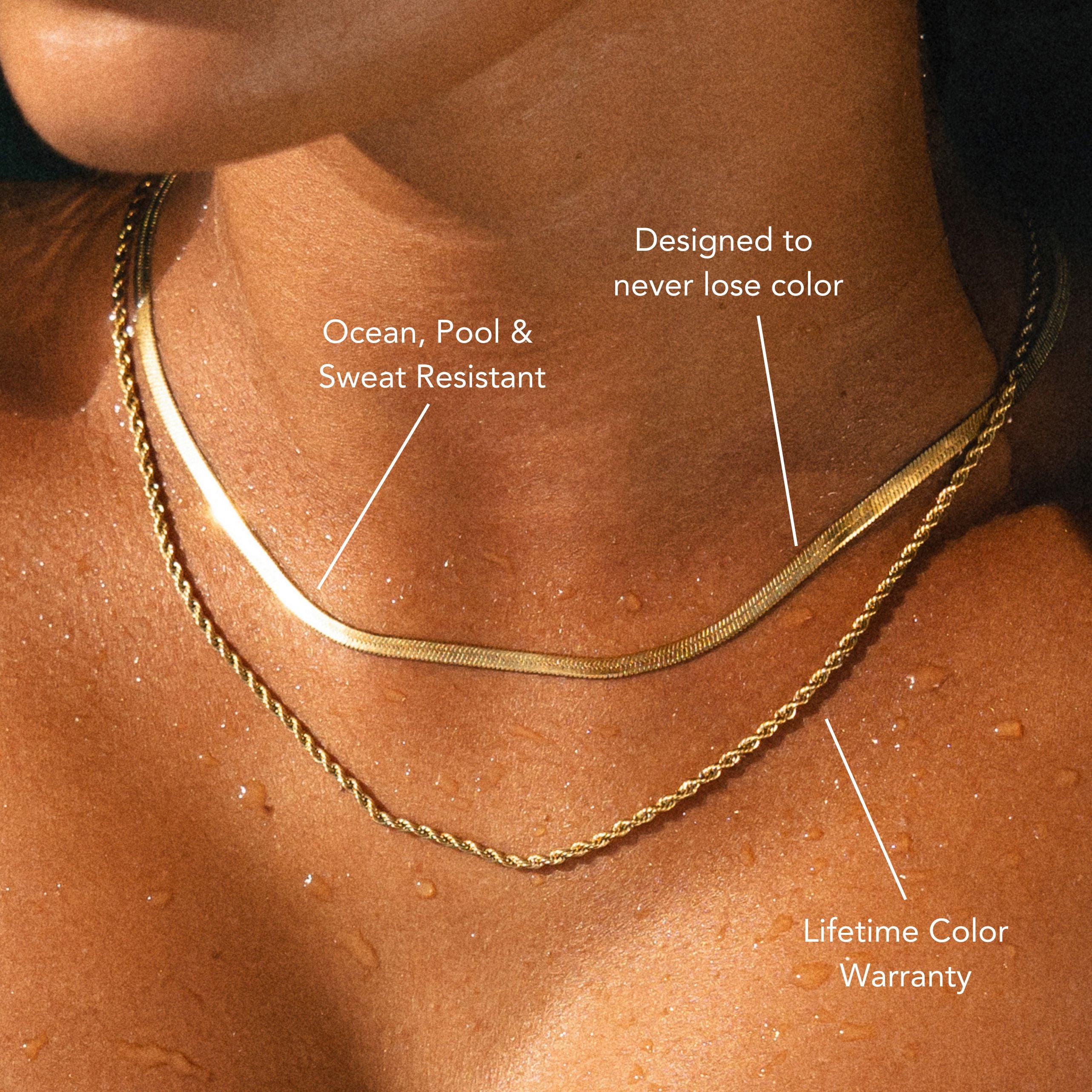
Chain bracelets are among the most classic and widely worn styles. They are made from links connected in a continuous line, and they come in many variations, such as cable, curb, rope, box, and paperclip patterns. Thin chains feel delicate and subtle, while thicker chains make a bolder statement.
Chain bracelets are easy to wear alone or stack with other pieces. They suit almost any outfit and are a great starting point for anyone new to bracelets.

Bangle Bracelets
A bangle is a rigid, circular bracelet that slides over the hand without a clasp. Bangles can be smooth, textured, engraved, or set with stones. They are often worn in stacks, creating a rhythmic, jingling effect.
When choosing a bangle, size is important since it must fit over your hand but not slide off too easily. Measuring the widest part of your hand, near the knuckles, can help you pick the right fit. Bangles are popular in many cultural traditions and add a graceful, classic look.
Cuff Bracelets
A cuff is a rigid or semi rigid bracelet with an opening, so it slips on from the side rather than the hand. Cuffs are often adjustable by gently squeezing or opening the gap. They range from slim and minimal to wide and dramatic.
Because they sit flat against the wrist, cuffs make a strong statement. They look great with sleeveless tops and sleek outfits, and a single cuff can be a standalone accessory.

Charm Bracelets
Charm bracelets are designed to hold small decorative pendants, each of which can symbolize a memory, hobby, or milestone. They can grow over time as you add new charms, making them deeply personal.
There are a few common formats. Traditional link charm bracelets use jump rings to attach charms, while bead and clip styles use threaded or clip on charms that sit along the chain. Because compatibility varies between styles, it helps to check that new charms will fit your bracelet before buying.
Beaded Bracelets
Beaded bracelets are strung with beads made from gemstones, glass, wood, pearls, or metal. They can be elastic, which stretches over the hand, or strung on cord or wire with a clasp.
Beaded styles are popular for their color and texture, and many people choose gemstone beads for their symbolic meanings. They are excellent for casual wear and layering, and they pair well with watches and other bracelets.
Tennis Bracelets
A tennis bracelet features a continuous line of evenly set stones, usually diamonds or diamond like stones, in a flexible chain. It is known for its sleek, sparkling look. Tennis bracelets can be worn alone for an elegant touch or layered with other bracelets for added shine.
They are a popular choice for formal occasions, though many people wear them daily. A secure clasp, often with a safety latch, helps keep the bracelet in place.

Link Bracelets
Link bracelets are similar to chain bracelets but typically use larger, more prominent links. They can be bold and chunky, with flat or rounded links, and they often have a more structured appearance. Curb and figaro styles are common examples.
These bracelets make a stronger statement than delicate chains and pair well with casual or tailored outfits alike.
Slider and Adjustable Bracelets
Slider bracelets use a sliding knot or bead to adjust the length, making them one size fits most. They are often made from cord, thread, or thin chain, and they offer a comfortable, flexible fit.
Adjustable bracelets are a great option if you are unsure of your wrist size, if you are buying a gift, or if you like the freedom to wear your bracelet looser or snugger.
Friendship Bracelets
Friendship bracelets are traditionally handmade from knotted thread in colorful patterns and exchanged between friends as symbols of connection. Though casual, they can carry great sentimental value and pair well in a stack.
Leather and Cord Bracelets
Leather and cord bracelets have a rugged, relaxed feel and are often braided or combined with metal accents. They suit casual, bohemian, or outdoorsy looks. Natural materials can wear over time, so keep them dry unless the bracelet is designed for water.
Wrap Bracelets
Wrap bracelets are long strands that wind around the wrist several times, creating the look of multiple bracelets in one. They offer a stacked effect with minimal effort and fit a range of wrist sizes.
ID and Name Bracelets
ID bracelets feature a small plate or bar that can be engraved with a name, initials, or a short message. They are popular for personalization and gift giving, and come in both delicate and bold designs.
Statement Bracelets
Statement bracelets are designed to stand out, with large stones, sculptural shapes, or unique designs. They are best worn on their own, with the rest of your jewelry kept simple.
How to Choose the Right Bracelet
Choosing among the many type of bracelets becomes easier when you consider a few factors.
- Wrist size and fit: Measure your wrist and consider the style. Bangles and cuffs need careful sizing, while chains and adjustable styles are more forgiving.
- Lifestyle: If you work with your hands or are very active, choose lightweight, secure designs without sharp edges. For water exposure, look for durable materials.
- Style: Think about your wardrobe. Minimalist dressers may prefer a thin chain, while those who love color might choose beaded or charm bracelets.
- Occasion: Everyday wear calls for comfort and durability, while formal events can accommodate sparkle or statement pieces.
- Material and skin sensitivity: If you have sensitive skin, look for hypoallergenic materials such as titanium or stainless steel.

Understanding Bracelet Clasps
The closure affects both security and convenience. Common types include lobster clasps, which are secure and widely used, spring ring clasps, which are small and simple, toggle clasps, which are decorative and easy to fasten, and box clasps, which are often paired with safety latches on higher end pieces. Some bracelets have no clasp at all, such as bangles and stretch styles.
Stacking Different Types of Bracelets
Mixing bracelet styles creates a personalized look. A reliable formula is to combine a chain, a bangle or cuff, and a beaded or charm bracelet for contrast in texture and width. Keep one piece as the focal point and let others support it. Vary widths, and repeat metals or colors so the stack feels cohesive.
Caring for Your Bracelets
Care depends on the material. Clean metal bracelets gently with mild soap and water, and dry them thoroughly. Wipe beaded and leather styles with a soft damp cloth. Store bracelets separately to avoid scratches and tangles, and remove them before activities that could cause damage.
Final Thoughts
Understanding the type of bracelets available makes it easier to choose styles that suit your taste, wrist, and lifestyle. From classic chains and bangles to sparkling tennis bracelets and meaningful charms, there is a bracelet for every occasion.
Start with a versatile piece, then build your collection over time with styles that reflect who you are.
Frequently Asked Questions
1. What are the most popular type of bracelets?
Chain bracelets, bangles, cuffs, charm bracelets, beaded bracelets, and tennis bracelets are among the most popular styles.
2. What is the difference between a bangle and a cuff?
A bangle is a rigid circle with no opening that slides over the hand, while a cuff has an opening and slips on from the side.
3. Which bracelet type is best for everyday wear?
Simple chain bracelets and lightweight bangles are comfortable and versatile for daily wear, especially in durable materials.
4. How do I find my bracelet size?
Measure your wrist with a flexible tape and add a small amount for comfort. For bangles, also consider the width of your hand.
5. Can I wear different types of bracelets together?
Yes. Mix textures and widths, choose one focal piece, and repeat metals or colors so the stack feels cohesive.









Leave a comment
This site is protected by hCaptcha and the hCaptcha Privacy Policy and Terms of Service apply.