



Ocean Gemstones: Complete Guide
There is something naturally magnetic about gemstones that echo the colors and spirit of the sea. From soft aqua blues to deep oceanic teals, ocean gemstones capture the beauty of the water in a way that feels timeless and calming. Whether you are drawn to their striking color or the sense of tranquility they represent, these stones have become a favorite among jewelry lovers seeking a piece connected to the natural world. If you love this coastal color palette, our Stone Collection features a variety of ocean-inspired gemstones designed to bring that same sense of calm into everyday jewelry.
In this guide, we will explore the most popular ocean gemstones, what makes each one unique, and how to choose the right piece based on color, meaning, and origin.
What Makes a Gemstone an Ocean Gemstone
Ocean gemstones are typically defined by their color palette rather than a single mineral category. Most fall within the blue, green, or teal spectrum, echoing the natural range of ocean water from shallow, sunlit shores to deep, mysterious depths. Some, like pearls and coral, are even formed directly within the ocean, giving them an especially literal connection to the sea.
While these stones vary widely in composition, hardness, and origin, they share a common thread of evoking calm, movement, and the vastness of open water, which is part of why they remain a popular choice in relaxed, everyday jewelry.
Aquamarine
Aquamarine is perhaps the most iconic ocean gemstone, named directly for its resemblance to seawater. Its name comes from the Latin words for water and sea, and its pale blue to blue-green color has made it a favorite for centuries.
This stone is a variety of beryl, the same mineral family as emerald, and gets its color from trace amounts of iron within its crystal structure. Aquamarine ranges from a very light, almost transparent blue to a deeper, more saturated teal, depending on iron content and where it was mined.
Historically, aquamarine was believed by sailors to offer protection during ocean voyages, further cementing its connection to the sea. Today, it remains popular for its clarity, durability, and calming color that pairs beautifully with both silver and gold settings.

Larimar
Larimar is one of the rarest and most distinctly ocean toned gemstones in the world, found almost exclusively in the Dominican Republic. Its soft blue and white swirling pattern closely resembles shallow Caribbean water, complete with subtle variations that mimic waves and foam.
This stone is a variety of pectolite, and its unique coloring comes from trace amounts of copper within its structure. Because larimar is found in such a limited geographic area, it is considered rarer and more specialty compared to widely available options like aquamarine or turquoise.
Larimar's dreamy, watery appearance has made it especially popular in beach and coastal inspired jewelry, often used as a way to literally wear a piece of the ocean.
Turquoise
Though not exclusively an ocean gemstone in origin, turquoise's signature blue green color has long linked it to the sea in jewelry design and symbolism. This opaque stone forms through a combination of copper, aluminum, and water within arid mineral deposits, resulting in colors from soft sky blue to deeper, vivid teal.
Turquoise has a long history across many cultures, often associated with protection, healing, and calm, themes that align naturally with its ocean like coloring. Its versatility and rich cultural history make it a popular choice for those drawn to both the look and meaning of oceanic stones.

Pearls
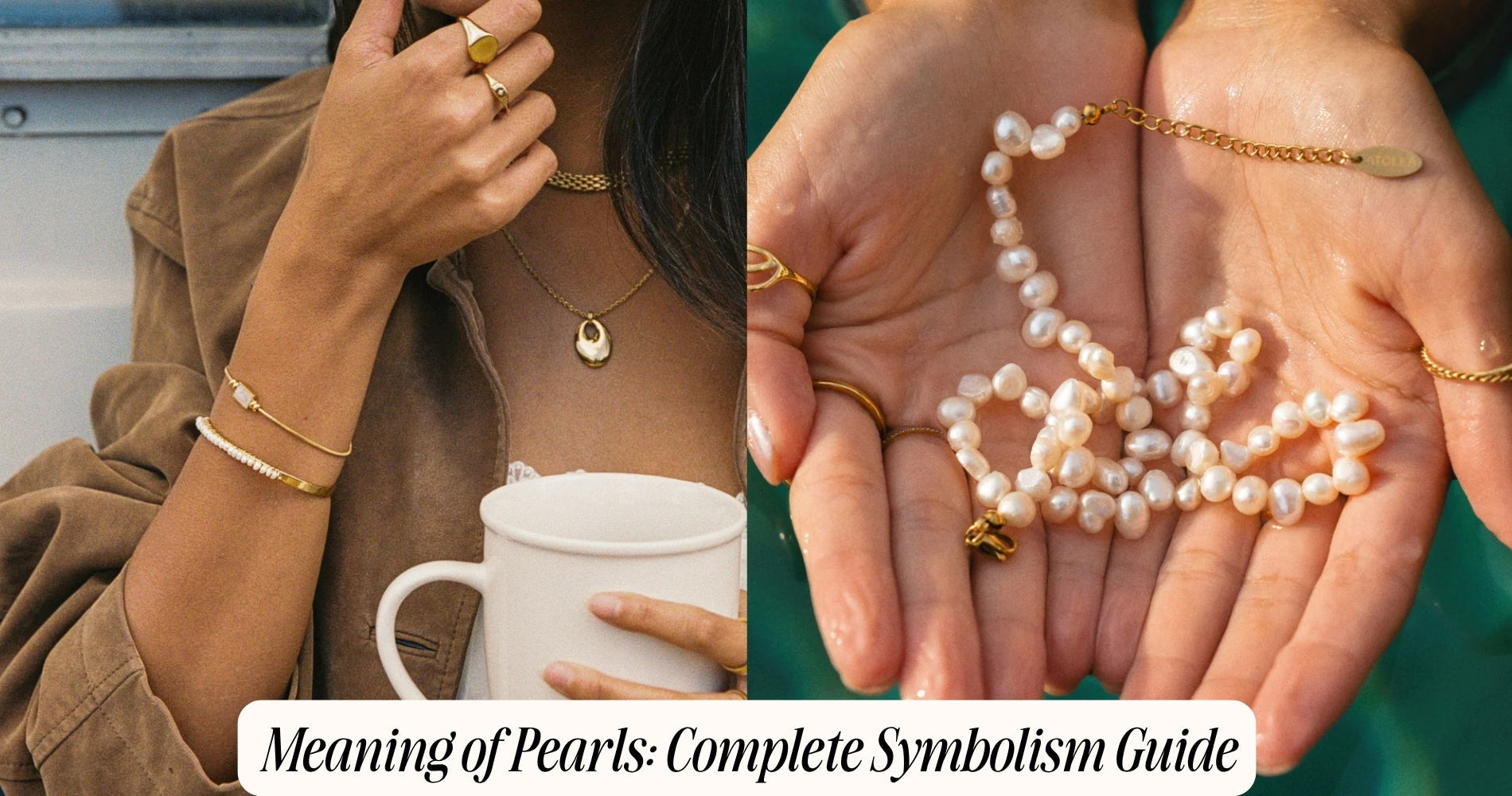
Unlike many gemstones formed within rock, pearls are created directly inside living oysters and mollusks, making them one of the most literal ocean gemstones available. When an irritant, like a small grain of sand, enters an oyster's shell, the creature coats it with layers of nacre, eventually forming a smooth, lustrous pearl.
Pearls come in a range of natural colors, including white, cream, silver, and even soft pink or black, depending on the species of oyster and the environment in which they formed. Their soft, luminous shine has made them a symbol of purity and timeless sophistication for centuries.
Because pearls form within the ocean itself, they carry a uniquely direct connection to the sea that few other gemstones can claim.

Coral
Coral is another gemstone with a direct oceanic origin, formed from the calcified skeletons of marine coral colonies. Its color ranges widely, from soft pink and orange to deep red, depending on the species and depth at which it formed.
Historically, coral has been prized in jewelry across many cultures, often associated with protection and vitality, likely due to its living origin beneath the waves. Due to increased awareness of ocean conservation, many jewelers now use sustainably sourced or lab created coral alternatives to reduce environmental impact while still capturing the same warm, organic beauty of natural coral.
Blue Topaz
Blue topaz offers a clean, vivid blue that closely mirrors clear tropical water. While natural blue topaz is relatively rare, most blue topaz available in jewelry today is created through a heat treatment process applied to naturally colorless topaz, resulting in shades from pale sky blue to a deep, saturated London blue.
Its affordability, durability, and vibrant color have made blue topaz an accessible choice for anyone drawn to ocean toned jewelry without the higher price point of rarer stones like aquamarine or larimar.
Chrysocolla
Chrysocolla is a striking blue green gemstone often compared to shallow tropical water due to its swirling, mineral rich patterns. This stone forms from copper deposits, giving it a rich, saturated color that ranges from turquoise blue to deep teal green, sometimes within the same stone.
Though less commonly used than turquoise or aquamarine, chrysocolla has grown in popularity among those seeking a unique, one of a kind ocean inspired gemstone with striking natural patterning.
Choosing the Right Ocean Gemstone for You
With so many options available, choosing the right ocean gemstone often comes down to color preference, budget, and personal meaning. If you want a classic, timeless option, aquamarine offers durability and a soft, universally flattering blue. If you are drawn to something rarer, larimar provides a truly one of a kind, watery pattern found almost nowhere else in the world. For a budget friendly option with vivid color, blue topaz delivers striking saturation without a high price tag, while pearls and coral offer a more direct connection to the ocean through their natural formation process.
Considering how the stone will be worn is also worth factoring in. Softer, more porous stones like larimar and turquoise benefit from gentle care, while more durable options like aquamarine and blue topaz can handle frequent, everyday use.

Caring for Ocean Gemstone Jewelry
Because ocean gemstones vary widely in hardness and structure, care needs differ from stone to stone. Aquamarine and blue topaz are relatively durable and can typically be cleaned with mild soap and water. Softer stones like larimar, turquoise, and coral should be cleaned gently with a soft, dry cloth and kept away from harsh chemicals, perfumes, and prolonged water exposure. Pearls require particularly gentle care, including wiping after each wear and avoiding ultrasonic cleaners or chemical exposure that could damage their delicate surface.
Storing ocean gemstones separately from harder stones like diamonds also helps prevent scratching, ensuring these delicate, sea inspired pieces stay beautiful for years to come.
Final Thoughts
Ocean gemstones offer a beautiful way to bring the calming, timeless beauty of the sea into everyday jewelry. From the soft blue of aquamarine to the rare, swirling patterns of larimar, each stone carries its own unique color story and connection to the water. Whether you are drawn to their symbolism, striking color, or simply the way they capture the spirit of the ocean, these gemstones offer something meaningful for nearly every style and budget.
Frequently Asked Questions
1. What is the most popular ocean gemstone? Aquamarine is widely considered the most popular ocean gemstone, thanks to its soft blue color, durability, and long standing association with the sea.
2. What gemstone actually comes from the ocean? Pearls and coral are formed directly within the ocean, making them the most literal ocean gemstones available, unlike mined stones like aquamarine or turquoise.
3. Is larimar a rare gemstone? Yes, larimar is considered rare since it is found almost exclusively in the Dominican Republic, making it one of the more specialty ocean inspired stones.
4. What is the most affordable ocean gemstone? Blue topaz is generally one of the more affordable options, offering vivid ocean blue color at a lower price point than rarer stones like aquamarine or larimar.
5. How do I care for delicate ocean gemstones like pearls or larimar? Clean them gently with a soft, dry cloth, avoid harsh chemicals and prolonged water exposure, and store them separately from harder gemstones to prevent scratching.









Leave a comment
This site is protected by hCaptcha and the hCaptcha Privacy Policy and Terms of Service apply.