

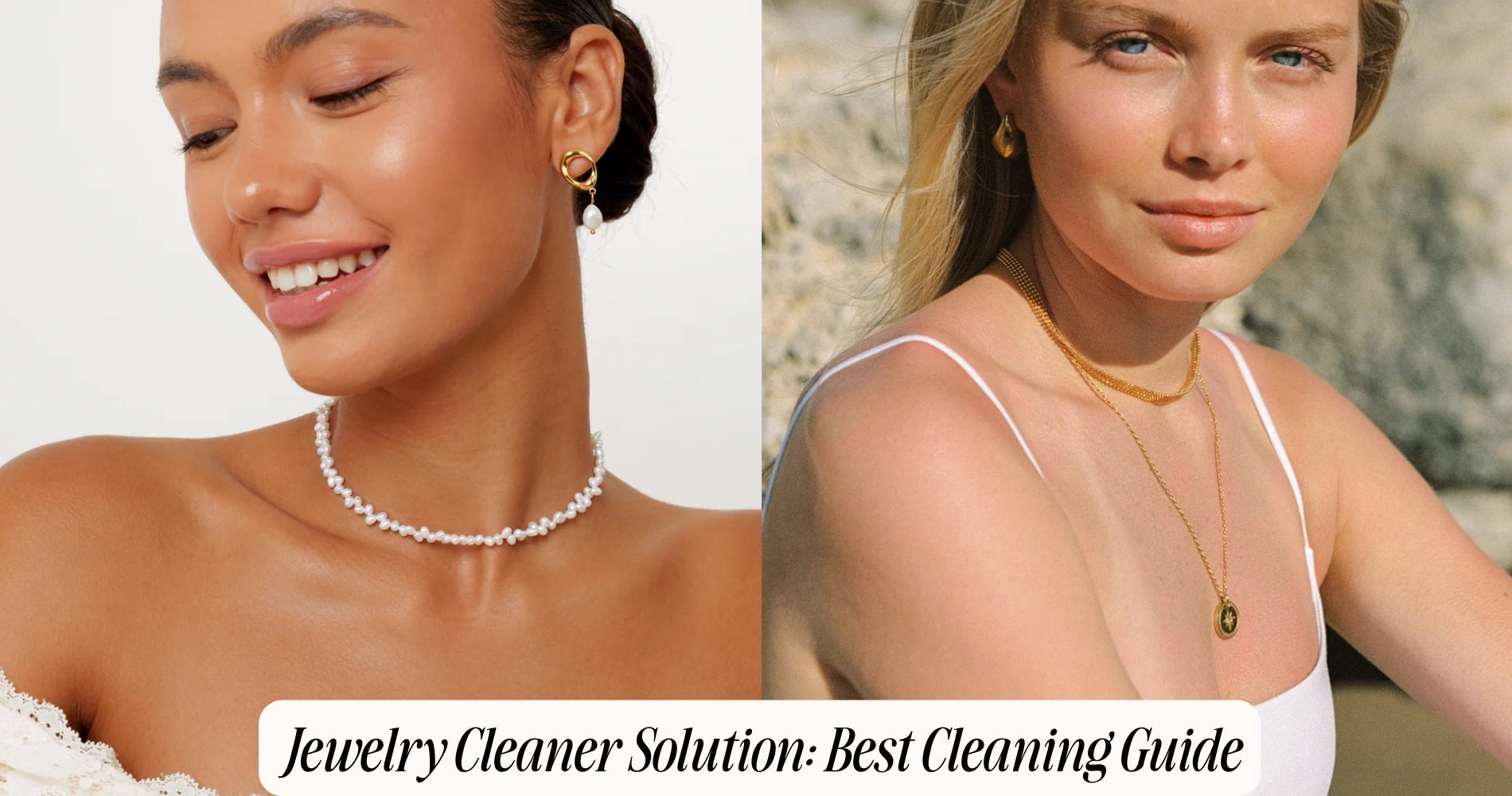
Jewelry Cleaner Solution: Best Cleaning Guide
Not every jewelry cleaner solution works on every jewelry material, and using the wrong one causes damage that is sometimes irreversible. A solution that safely removes tarnish from sterling silver can strip plating from gold-plated pieces, etch the surface of pearls, or dull the finish on PVD-coated jewelry. Choosing the right jewelry cleaner solution for the specific material you are cleaning is as important as cleaning at all. Waterproof Jewelry in PVD-coated stainless steel has specific cleaning requirements distinct from silver or plated pieces. This guide covers the most effective solutions for each major jewelry material, what to avoid and why, how to make safe at-home solutions, and how cleaning frequency should be adjusted for different wearing conditions.
Why Material Matters for Jewelry Cleaner Solution
The same compound that dissolves tarnish on silver does so because it reacts chemically with silver sulfide, the compound that causes silver to darken. That same reactivity is exactly what makes it damaging to other materials. Understanding the chemical basis of why specific solutions work on specific materials allows you to choose correctly rather than guessing.
Sterling silver tarnishes through sulfide and oxidation reactions. Effective cleaning solutions need to reverse those reactions either chemically (dissolving the sulfide compound) or physically (polishing it away). Alkaline solutions and mild acids both work on silver through different mechanisms.
Gold-plated jewelry has a reactive base metal (brass or copper) beneath a thin gold surface layer. Harsh solutions penetrate the plating layer through micro-gaps and attack the base metal, which accelerates plating failure. The safest approach uses gentle surfactants rather than reactive chemicals.
PVD-coated stainless steel has a chemically inert surface that does not tarnish through oxidation or sulfide reactions. The cleaning challenge is physical accumulation (soap residue, mineral deposits, skin oils) rather than chemical surface reactions. Gentle surfactants remove that accumulation without any chemical reaction with the surface.

Pearls are calcium carbonate at their base and react with acids. Even mild acidic solutions etch the nacre surface and permanently dull pearl luster. Pearl cleaning uses only the gentlest mechanical methods with no reactive chemistry involved.
Solid gold is chemically inert and tolerates a wider range of cleaning solutions than silver or plated pieces. The cleaning challenge is physical buildup in settings and joins rather than surface chemical reactions.
Jewelry Cleaner Solutions by Material
Sterling Silver
Baking soda and aluminum foil (electrochemical method)
This is the most effective at-home solution for heavily tarnished sterling silver. Line a bowl with aluminum foil shiny side up. Place the silver piece on the foil. Add one tablespoon of baking soda and one tablespoon of salt to enough boiling water to cover the piece. The solution produces a mild sulfur smell as silver sulfide transfers from the silver to the aluminum through an electrochemical reaction. Leave for two to five minutes, remove, rinse thoroughly, and dry immediately.
This method works on solid sterling silver. Do not use it on silver-plated pieces, pearls, or oxidized silver pieces where the dark patina is intentional, as the reaction removes all tarnish including intentional oxidation.
Mild dish soap and warm water
For light tarnish and routine maintenance on sterling silver, a few drops of mild dish soap in warm water applied with a soft cloth or soft toothbrush removes surface buildup and light oxidation. Rinse completely and dry immediately. This is the safest regular-use silver cleaning solution.
Commercial silver polish
Silver polishing cloths impregnated with a mild chemical agent dissolve silver sulfide on contact and leave a protective layer that slows re-tarnishing. Liquid silver polish works similarly for heavier tarnish. Follow manufacturer instructions and rinse thoroughly to remove all residue.
Solid Gold and Gold-Filled
Mild dish soap and warm water
Solid gold and gold-filled jewelry responds well to mild dish soap in warm water. Soak for three to five minutes, use a soft toothbrush to clear residue from settings and chain links, rinse thoroughly, and dry with a soft lint-free cloth. This is effective for routine cleaning and safe for most stone settings.
Ammonia solution (use sparingly)
A solution of one part household ammonia to six parts water can be used occasionally on solid gold with hard stone settings (diamond, sapphire, ruby) to remove stubborn buildup. Soak for no more than one minute, rinse thoroughly, and dry immediately. Do not use ammonia on gold-filled pieces, gold-plated pieces, pearls, opals, emeralds, or any porous or soft stone.
PVD-Coated Stainless Steel
Mild dish soap and warm water
PVD-coated stainless steel does not tarnish through chemical reactions, so no reactive cleaning chemistry is needed or appropriate. Mild dish soap in warm water removes soap residue, mineral deposits, and skin oil accumulation from the surface and from inside chain links and clasp mechanisms. Use a soft toothbrush for joins and mechanisms, rinse thoroughly, and dry completely with a soft cloth.
A brief weekly clean with this solution maintains the surface consistently. The soft cloth dry-down after cleaning is particularly important: leaving water on any jewelry surface allows tap water minerals to deposit as the water evaporates.
What to avoid on PVD: Abrasive cleaners, toothpaste, baking soda paste, and silver polishing compounds all contain abrasive particles that scratch the PVD surface. Bleach and ammonia-based cleaners are chemically aggressive against the surface compounds used in PVD finishes. Ultrasonic cleaners are generally safe for uncoated stainless steel but should be avoided for PVD-coated pieces as the vibration can affect the coating over repeated use.

Gold-Plated Jewelry
Mild dish soap and lukewarm water
Gold-plated jewelry should be cleaned only with the gentlest approach: a small amount of mild dish soap in lukewarm (not hot) water, applied with a soft lint-free cloth rather than a toothbrush. Gentle wiping, rinsing under lukewarm water, and immediate drying is the complete process. No soaking, no scrubbing, no reactive chemistry.
Hot water softens the adhesion bond of the plating layer. Abrasive cloths remove plating material mechanically. Toothbrushes introduce abrasion at a microscopic level that removes plating faster than soft cloths. The gentlest possible approach on the shortest possible contact time produces the best outcome for plated jewelry.
Pearls
Soft damp cloth only
Pearls require the most delicate cleaning of any jewelry material. The only safe cleaning method is wiping with a soft damp cloth after wearing to remove skin oil and product residue before it dries on the nacre surface. No soaking, no submersion, no cleaning solutions of any kind.
Soap, even mild dish soap, leaves residue in the surface texture of nacre and dulls the luster over time. Ammonia, vinegar, lemon juice, and any acidic solution etch calcium carbonate and permanently damage the nacre surface. Ultrasonic cleaners and steam cleaners both damage pearls through the vibration and heat respectively.
For pearl strands, the silk thread absorbs moisture and oils during wear. Lay the strand flat to dry after wearing rather than hanging it, which prevents the wet silk from stretching under the weight of the pearls. Professional restringing every one to three years removes accumulated buildup from the thread and from the knots between pearls that a cloth cannot reach.

At-Home Jewelry Cleaner Solutions to Make Yourself
Standard maintenance solution (works on most metal jewelry):
Mix one cup of warm water with one drop of mild dish soap. This diluted solution is gentle enough for PVD, gold-plated, and solid gold pieces. Use it with a soft cloth for surfaces and a soft toothbrush for joins and mechanisms. Rinse thoroughly and dry immediately.
Silver tarnish removal solution:
Mix one tablespoon of baking soda with enough water to create a paste. Apply to solid sterling silver with a soft cloth using straight strokes rather than circular scrubbing. Rinse completely and dry immediately. Do not use on plated, PVD-coated, or stone-set pieces.
Solutions to never make or use on jewelry:
Vinegar, lemon juice, and other acidic solutions are sometimes recommended online for cleaning jewelry. These are appropriate only for hard mineral stones (quartz, granite) not for jewelry metals, pearls, or soft stones. They etch silver, damage pearl nacre, and accelerate plating degradation.
Toothpaste appears frequently in at-home jewelry cleaning advice. Its abrasive compounds are designed to remove surface material from dental enamel, which is far harder than most jewelry metals and coatings. Toothpaste scratches silver, removes PVD coatings, and strips plating from gold-plated pieces. It should not be used on any jewelry regardless of how common the recommendation is.
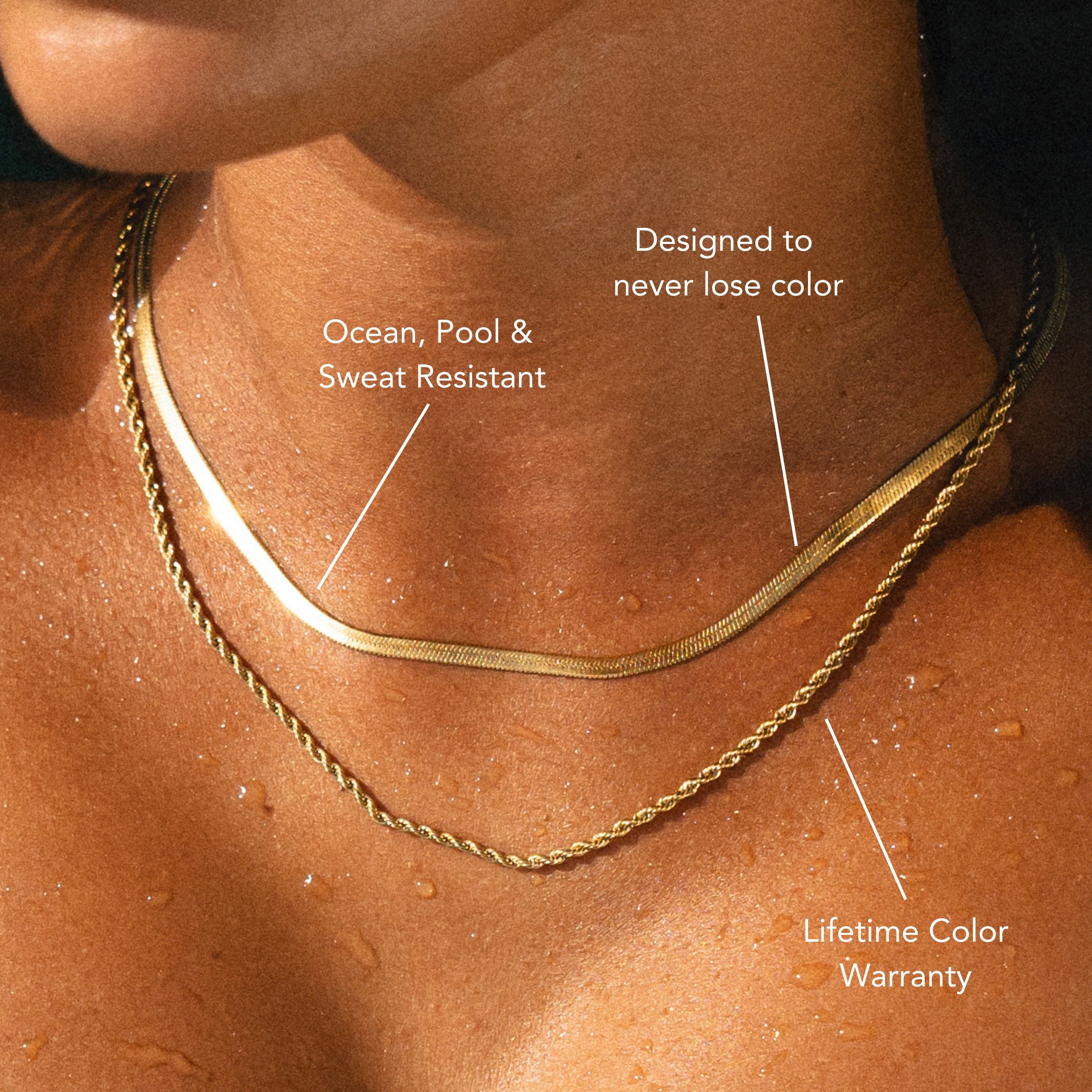
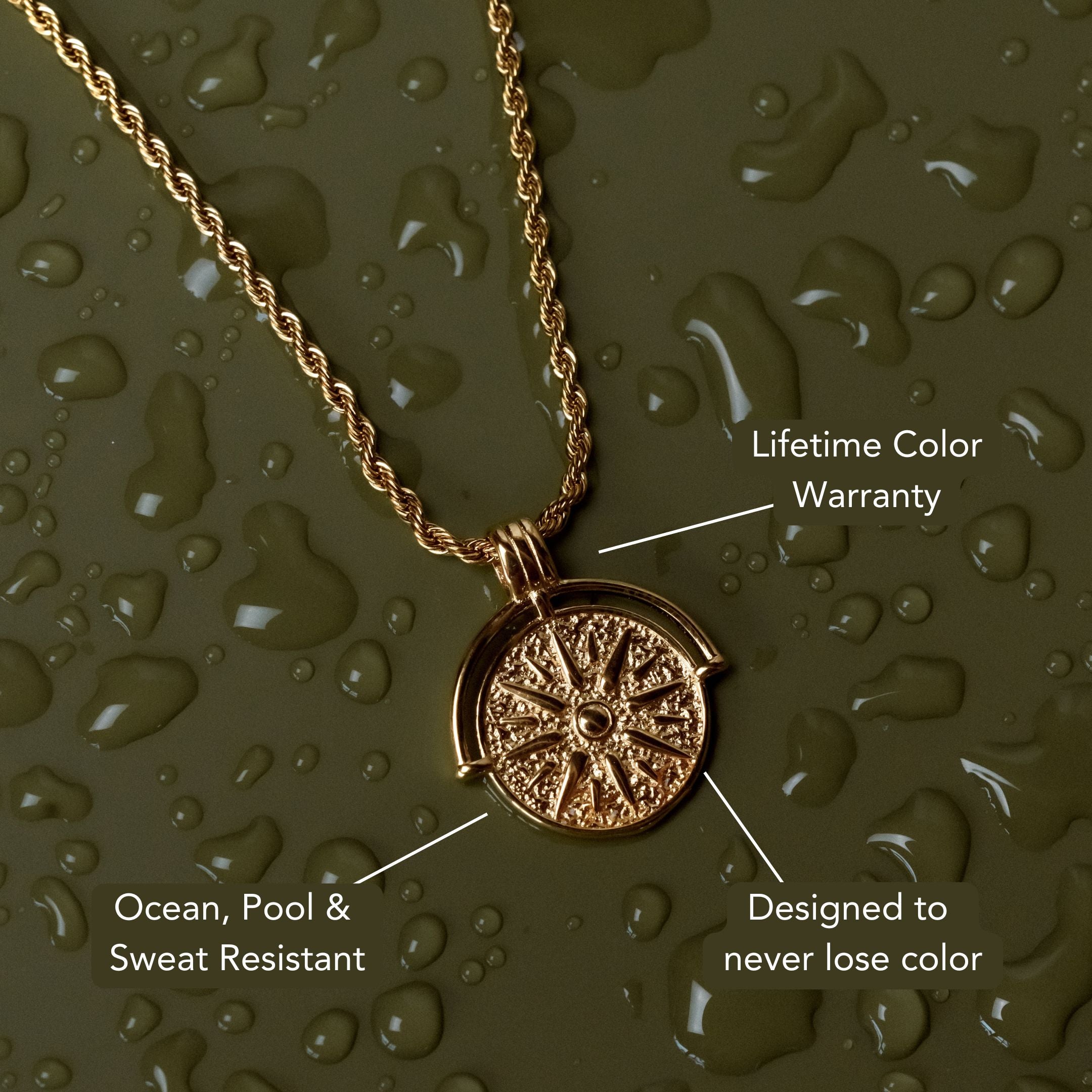
For daily wear pieces in PVD-coated stainless steel that go through showers, gym sessions, and beach days, the mild soap solution used weekly and a soft cloth wipe-down after each shower covers all maintenance needs. ATOLEA's waterproof jewelry range is designed for this kind of low-maintenance care: the PVD construction and non-reactive base mean the piece holds its appearance through active wear with minimal cleaning effort, and the lifetime color warranty guarantees the finish through that regular maintenance routine.

Frequently Asked Questions
What is the best homemade jewelry cleaner solution?
For most metal jewelry, one drop of mild dish soap in a cup of warm water is the safest and most effective homemade solution. It removes skin oils, product residue, and mineral deposits without reactive chemistry that could damage finishes or stones. For heavily tarnished sterling silver specifically, the baking soda and aluminum foil electrochemical method is the most effective at-home approach.
Can I use vinegar to clean jewelry?
Vinegar is mildly acidic and is not safe for most jewelry materials. It etches nacre on pearls, damages soft stones including opals and emeralds, accelerates tarnishing on sterling silver by reacting with the copper content, and can affect the adhesion of plated finishes. The only context where diluted vinegar has limited application in jewelry care is removing mineral deposits from hard unset metal surfaces, and even then milder approaches produce the same result with less risk.
Is it safe to use an ultrasonic jewelry cleaner at home?
Ultrasonic cleaners are safe for unset solid gold, solid platinum, and hard mineral stones (diamond, sapphire, ruby) in secure settings. They are not safe for pearls, opals, emeralds, or any porous stone. They should not be used on plated jewelry or PVD-coated pieces, as the vibration can affect coatings and plating adhesion. For pieces with multiple components or delicate settings, professional ultrasonic cleaning with assessment before use is preferable to home ultrasonic units.
How often should I clean my jewelry?
For pieces worn daily through active conditions, a weekly mild soap and water clean maintains the surface effectively. For pieces worn occasionally, cleaning before storage prevents accumulated residue from hardening on the surface between wears. For pearls, wiping with a soft cloth after each wear is the most important maintenance habit. For PVD stainless steel, a weekly clean and a post-shower wipe-down covers all routine maintenance.
What should I avoid putting on jewelry before cleaning?
Toothpaste, baking soda on plated or PVD surfaces, bleach, ammonia on pearls or soft stones, vinegar, lemon juice, and any commercial cleaning product not specifically formulated for jewelry should be avoided. When in doubt, mild dish soap diluted in water is the universal safe default that produces effective results on most materials without risk of damage.
Choosing the Right Solution for Every Piece
Jewelry cleaner solution is not a single product but a material-matched approach: the baking soda and foil method for heavily tarnished sterling silver, mild soap and water for PVD stainless steel and solid gold, a soft damp cloth only for pearls, and the gentlest possible soap method for gold-plated pieces. Avoiding toothpaste, vinegar, ammonia on sensitive materials, and abrasive compounds prevents the common cleaning mistakes that cause more damage than the buildup they are meant to remove. Matching the solution to the material and cleaning regularly at the right frequency keeps every piece looking its best through years of daily wear.









Leave a comment
This site is protected by hCaptcha and the hCaptcha Privacy Policy and Terms of Service apply.