


Is Stainless Steel Real Silver? Clear Facts You Should Know
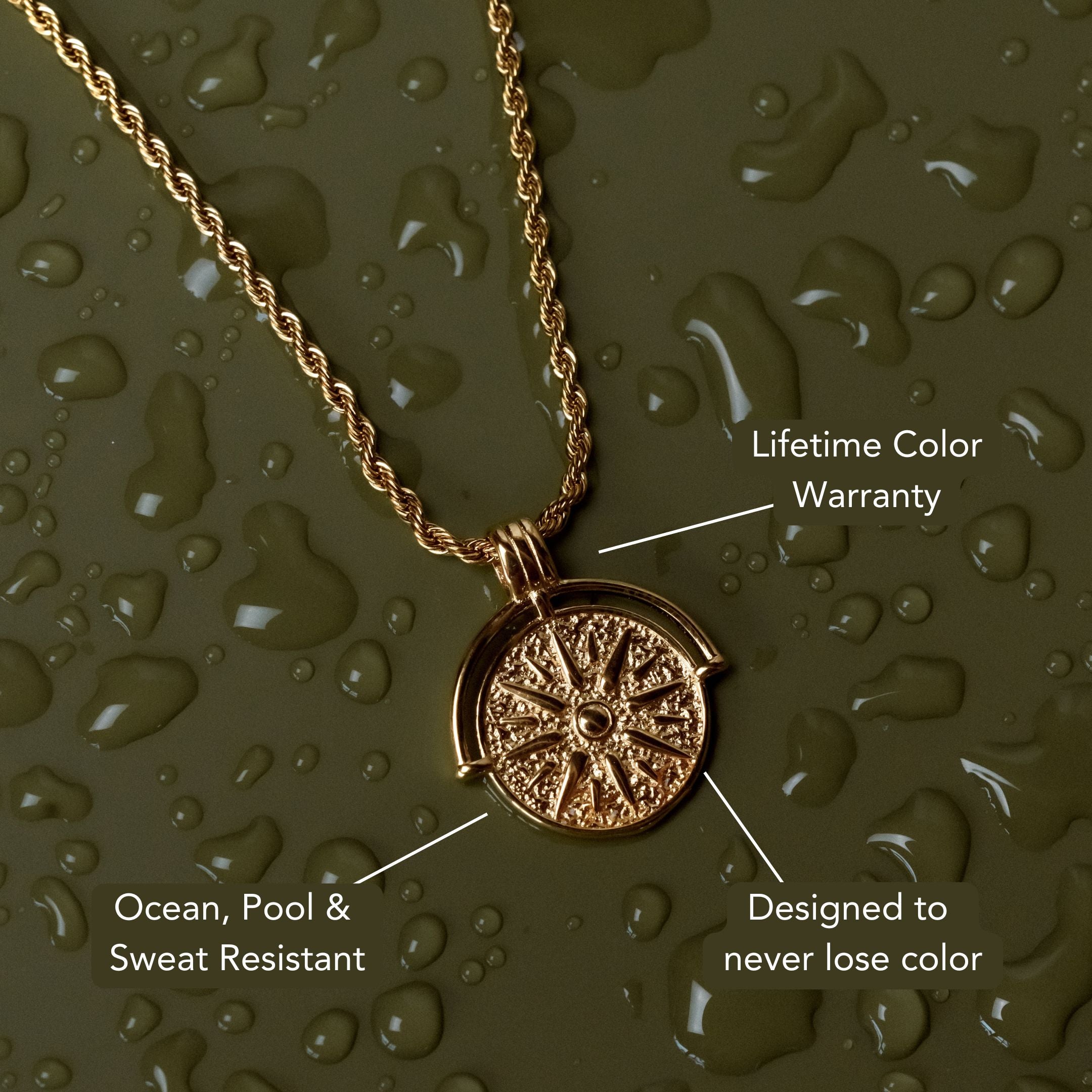
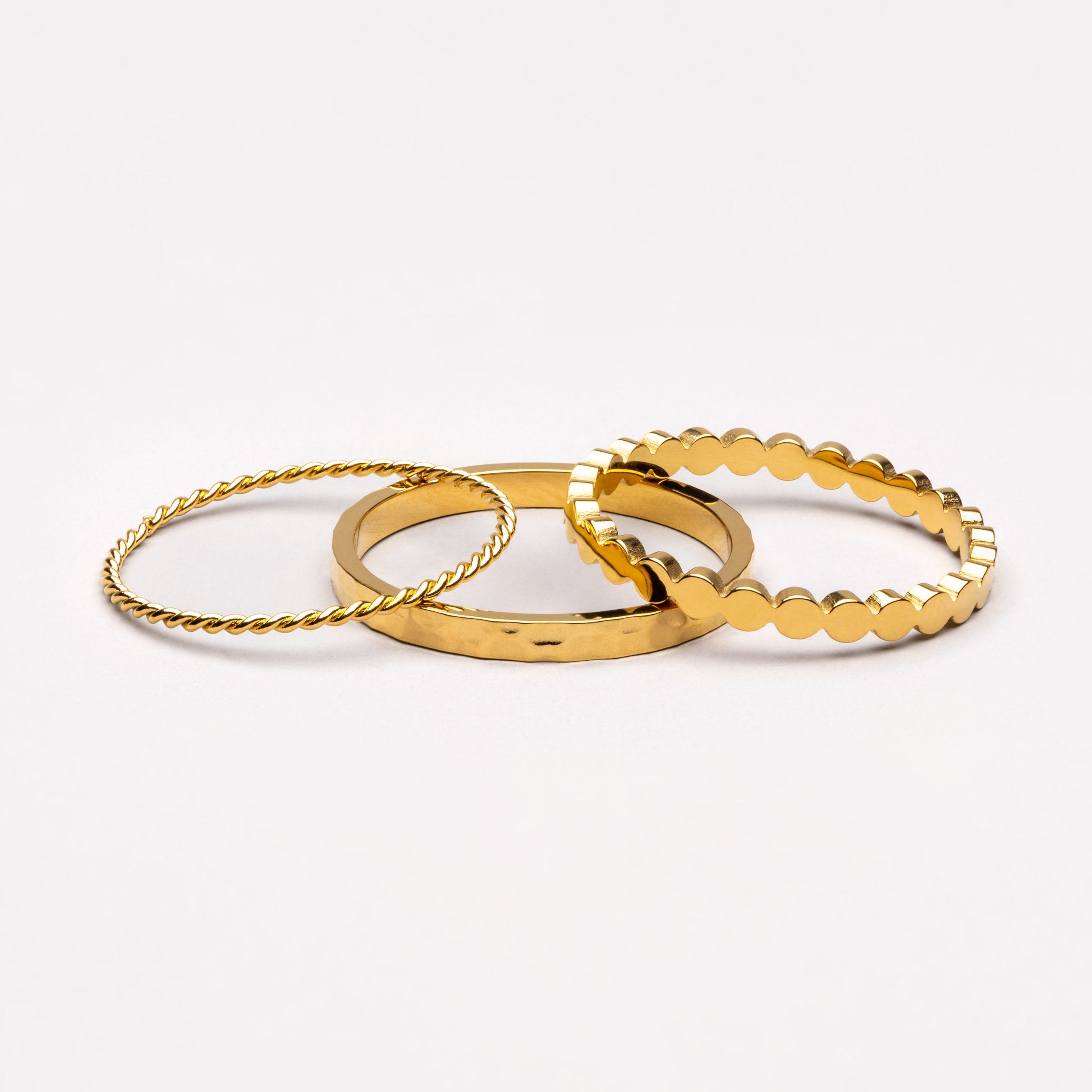
Is stainless steel real silver? Stainless steel isn’t real silver. It’s an iron-based alloy containing about 10.5%+ chromium, plus nickel and sometimes molybdenum, engineered to form a hard, corrosion-resistant surface film. Silver is a pure element (Ag) or sterling alloy (92.5% Ag), much denser (~10.5 g/cm³ vs ~7.9 g/cm³ for stainless) and far more electrically conductive. Stainless can mimic silver’s look while offering stronger scratch and tarnish resistance—qualities you’ll often find in durable pieces like Atolea’s Silver Waterproof Jewelry collection. Stainless mimics silver’s look but resists scratching and tarnish better, and you’re about to see exactly how and why.
What Is Stainless Steel Made Of?
Stainless steel is an iron-based alloy primarily composed of iron (Fe), chromium (Cr), and varying amounts of nickel (Ni), carbon (C), and other alloying elements such as molybdenum (Mo), manganese (Mn), silicon (Si), and nitrogen (N).
You’re not dealing with a precious metal; you’re dealing with an engineered system of elements optimized for specific stainless properties.
Chromium, typically ≥10.5 wt%, forms a passive Cr₂O₃ film that gives stainless steel its hallmark corrosion resistance.
Nickel stabilizes the austenitic structure, improving toughness and formability.
Molybdenum (2–3 wt% in 316) boosts pitting resistance in chlorides.
Carbon, controlled from ultra-low (~0.03%) to higher levels, tunes hardness and strength.
Manganese and nitrogen further enhance strength and stabilize the austenitic phase.

Is Stainless Steel Actually Silver?
Visually, it’s easy to see why many people assume stainless steel is “silver,” but metallurgically it’s not silver at all. Silver is a distinct elemental metal (Ag, atomic number 47), while stainless steel is an iron-based alloy containing chromium (typically 10.5–18%), plus nickel, carbon, and other elements. No common stainless grade contains meaningful silver content.
Many stainless steel myths come from surface appearance: both materials show a bright, metallic luster and high reflectivity. However, silver’s density (~10.5 g/cm³) is almost 1.5 times that of typical stainless steel (~7.9 g/cm³).
Practical silver identification tips include checking for “925,” “999,” or “Sterling” stamps, testing electrical conductivity (silver is far higher), and noting tarnish behavior—stainless generally forms a stable, invisible oxide film instead.
Key Differences Between Stainless Steel, Sterling Silver, and Pure Silver
Although all three can look similar at a glance, stainless steel, sterling silver, and pure silver differ sharply in composition, structure, and performance.
Stainless steel is an iron‑based alloy with chromium (≥10.5%), often nickel and molybdenum, giving high hardness (~150–200 HV), yield strength above 200 MPa, and very low corrosion in many environments. Those stainless properties come from a stable chromium‑oxide passive film.
Sterling silver is 92.5% Ag with 7.5% alloying metals, usually copper, raising hardness and strength compared with pure silver but lowering tarnish resistance.
Pure silver (99.9% Ag) has excellent electrical and thermal conductivity but lower hardness (~25–30 HV) and is mechanically softer.
Key silver characteristics include higher reflectivity and greater chemical reactivity than stainless.

Stainless vs Silver for Jewelry, Watches, and Kitchenware
When you choose metals for jewelry, watches, or kitchenware, you’re really choosing between distinct mechanical and chemical performance profiles rather than just a color.
In a durability comparison, stainless steel (often 304 or 316L) delivers higher hardness, tensile strength, and superior corrosion resistance than sterling silver, especially against sweat, chlorides, and dishwashing detergents.
For jewelry, stainless resists scratching and tarnish, while silver offers higher reflectivity and a “warmer” luster but requires frequent polishing.
For watches, 316L or 904L stainless is industry-standard because it tolerates daily abrasion and moisture far better than silver alloys.
In kitchenware, stainless withstands high heat, aggressive cleaning, and acidic foods; silver flatware is softer, more decorative, and notably affected by price differences in raw metal value and labor.
How to Tell Stainless From Silver at Home
Next, run a magnetic test. Most common stainless alloys (especially 304, 316L) are weakly to non-magnetic, while silver is distinctly non-magnetic.
Any strong attraction suggests another ferrous alloy, not silver.
Compare weight: silver’s density (~10.5 g/cm³) exceeds typical stainless (~7.8 g/cm³).
How to Choose Between Stainless and Silver
So how do you decide between stainless steel and silver? Start by matching stainless properties and silver characteristics to how you’ll actually use the piece.
Stainless steel (typically 304 or 316 alloys) offers ~520–720 MPa tensile strength, high hardness, and excellent corrosion resistance, making it ideal for daily-wear jewelry, watches, and flatware.
It resists sweat, chlorides, and most household chemicals with minimal maintenance.

Frequently Asked Questions
Can Stainless Steel Trigger Metal Allergies Like Nickel Sensitivity?
Yes, stainless steel can trigger nickel sensitivity; stainless steel allergies depend on nickel content and alloy grade. Low‑nickel 316L releases <0.5 µg/cm²/week, while cheaper 304 grades may exceed sensitization thresholds, especially with sweat, friction, or prolonged skin contact.
Does Stainless Steel Tarnish or Change Color Over Time?
It rarely tarnishes; you’ll see minimal color changes because chromium forms a passive Cr₂O₃ layer. Stainless steel properties depend on alloy and environment; chlorides, heat tint, or poor grades can cause slight darkening, yellowing, or surface oxidation over years.
Is Stainless Steel Considered Hypoallergenic for Everyday Jewelry Wear?
Yes, most stainless steel is hypoallergenic for daily wear, especially 316L surgical grade. You benefit from stainless steel advantages like low nickel release (<0.5 μg/cm²/week), high corrosion resistance, and stable oxide layers minimizing skin irritation.
How Should Stainless Steel Items Be Cleaned and Maintained Safely?
You should clean stainless steel with pH‑neutral soap, microfiber cloths, and deionized water; avoid chlorides and abrasives. Use linear grain-following strokes, dry thoroughly, and apply periodic passivation or light oiling as maintenance tips and advanced cleaning techniques.
Is Stainless Steel Environmentally Friendly and Recyclable Compared to Silver?
Yes, you’ll find stainless steel generally more environmentally friendly due to lower mining intensity, longer service life, and ~80–90% average recycled content; its recycling process is closed-loop, whereas silver’s higher extraction footprint offsets its excellent recyclability.
Conclusion
You now know stainless steel isn’t real silver—it’s an iron-based alloy (typically ~10.5–20% Cr, plus Ni, Mo, etc.), while silver is a precious metal (Ag, 92.5% in sterling). Use density, magnet tests, tarnish behavior, and hallmark stamps to separate them at home. For jewelry, watches, and kitchenware, balance hardness, corrosion resistance, hypoallergenic performance, maintenance needs, and cost per gram to pick the material that matches your priorities.











Leave a comment
This site is protected by hCaptcha and the hCaptcha Privacy Policy and Terms of Service apply.