

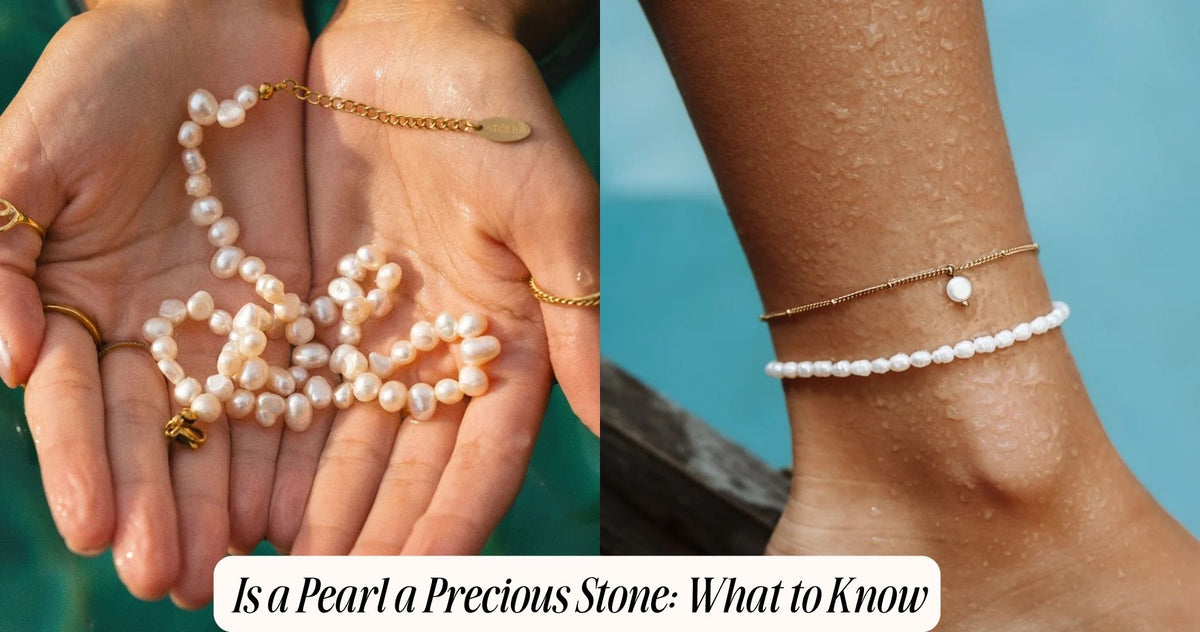
Is a Pearl a Precious Stone: What to Know
The term precious stone gets used loosely in everyday conversation, often applied to almost any gemstone that looks valuable or elegant. But is a pearl a precious stone in the strict, technical sense that gemologists actually use? The answer requires understanding where the precious versus semi precious distinction came from in the first place, and why pearl occupies a genuinely unique position that does not fit neatly into either category.
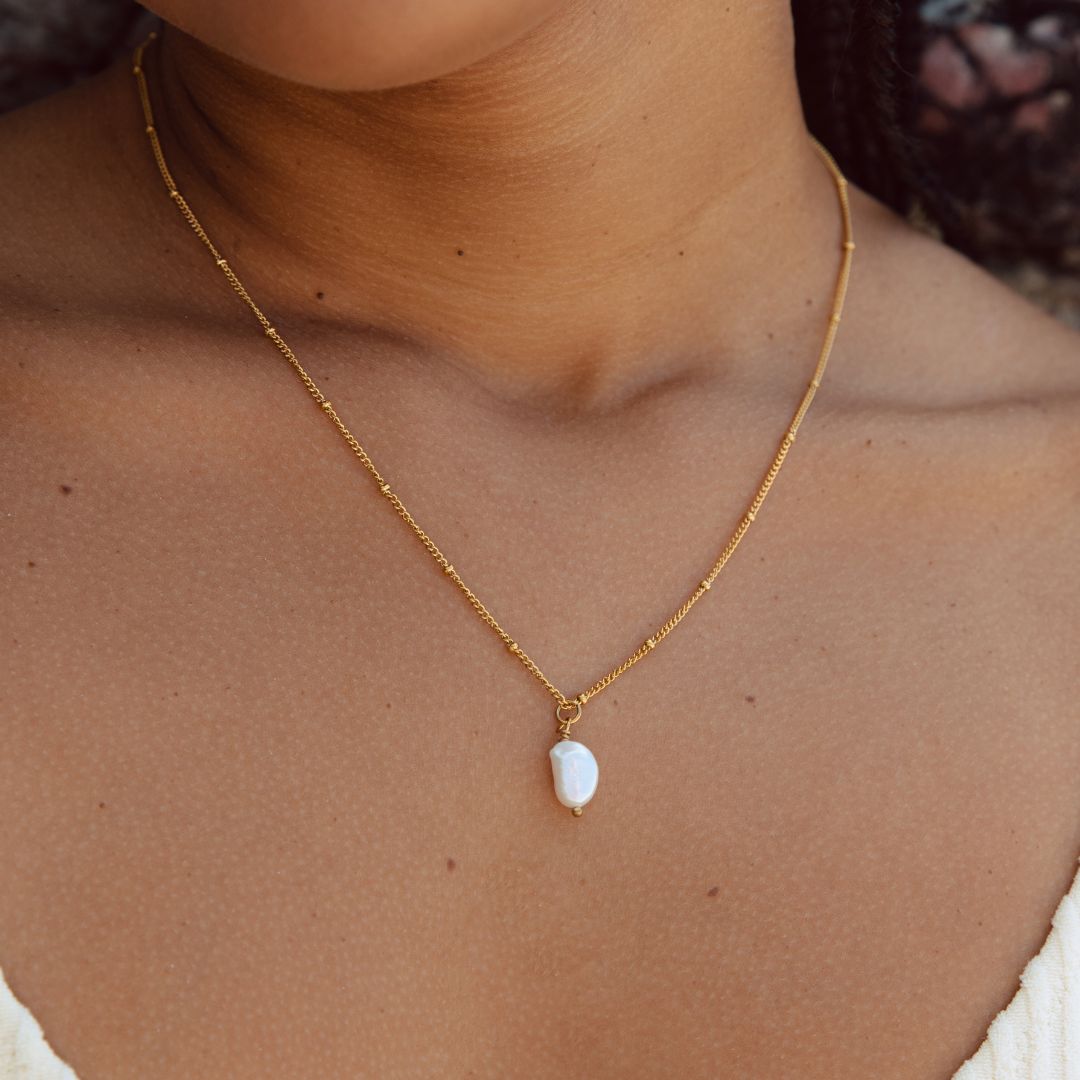
In this guide, we will explain how gemstone classification actually works, where pearl fits within it, and why this classification matters less today than it once did. If you love pearl's understated elegance regardless of how it gets labeled, our Freshwater Pearls Jewelry collection offers genuine pearl pieces worth exploring.
Is a Pearl a Precious Stone
Technically, no. Pearl does not fall under the traditional precious stone category, which historically includes only diamond, ruby, sapphire, and emerald. However, this does not mean pearl is somehow less valuable or less significant than these four stones. Pearl actually falls outside the entire precious versus semi precious framework altogether, since it is not a mineral or stone at all. It is an organic gem, formed by a living creature rather than through geological mineral formation.
Understanding this distinction requires looking more closely at where the precious stone classification actually came from, and why it was never really designed to account for something like pearl in the first place.

Where the Precious Stone Classification Came From
The traditional division between precious and semi precious stones dates back to a time when only a small handful of gemstones, diamond, ruby, sapphire, and emerald, were considered rare and valuable enough to warrant special status, largely due to their exceptional hardness, striking color, and historical scarcity. Every other gemstone, regardless of its actual beauty or market value, was grouped together under the broader, somewhat dismissive label of semi precious.
This system developed centuries ago, well before modern gemology and more sophisticated market understanding revealed that many so called semi precious stones, such as high quality tanzanite, spinel, or certain rare garnets, can actually be worth significantly more than lower grade examples of the traditionally precious four. Because of this, most gemologists and jewelry professionals today consider the precious versus semi precious distinction outdated and largely meaningless as an actual indicator of value or quality.
Why Pearl Does Not Fit the Traditional Categories at All
Even setting aside the outdated nature of the precious versus semi precious system, pearl presents a more fundamental classification challenge. The entire framework was built around minerals, meaning naturally occurring, inorganic substances with a defined crystal structure, formed through geological processes within the earth.
Pearl fails to meet this basic definition on every count. It is not inorganic, since it is produced by a living mollusk. It does not form through geological processes, since it develops as a biological response to an irritant inside the creature's shell. And it does not have a crystalline structure in the way minerals do, instead consisting of layers of a substance called nacre built up over time.
Because of these fundamental differences, pearl is more accurately classified as an organic gem, a distinct category that also includes materials like amber, coral, and jet, all of which come from biological or organic origins rather than mineral formation.

What Organic Gems Have in Common
Understanding pearl's place among other organic gems helps clarify why this classification exists as its own distinct category rather than simply being folded into semi precious stones by default.
Amber, fossilized tree resin that hardens over millions of years, shares pearl's organic origin despite looking nothing like it, having formed from plant material rather than a living creature's direct biological response.
Coral, formed from the calcium carbonate skeletons of marine coral polyps, similarly originates from a living organism rather than geological mineral formation.
Jet, a compressed form of fossilized wood, also falls under this organic category, having formed from decomposed and pressurized organic plant material over an extended period.
All of these materials share the defining trait that separates them from true minerals, an origin rooted in biological or organic processes rather than the geological crystallization that produces stones like diamond, ruby, or amethyst.
Does Not Being Precious Mean Pearl Is Less Valuable
Not at all. The precious stone label has never been a reliable indicator of actual market value, and pearl proves this point clearly. While simple freshwater pearl strands can be quite affordable, rare natural pearls or exceptional South Sea and Tahitian specimens can command prices reaching tens of thousands of dollars, easily surpassing lower quality examples of stones that do carry the traditional precious label.
Value in the modern gemstone market depends on a combination of factors including rarity, quality, demand, and craftsmanship, none of which are determined by whether a gem happens to fall into an outdated classification system created centuries before modern gemology existed.
How Modern Gemology Approaches Classification
Rather than relying on the old precious versus semi precious divide, contemporary gemology tends to classify gems based on more meaningful, practical criteria, including mineral family, chemical composition, hardness, and formation process. Under this more modern framework, pearl is straightforwardly categorized as an organic gem, a classification that accurately reflects its unique biological origin without implying anything negative about its worth or desirability compared to mineral based stones.
This shift in how professionals think about gemstone classification reflects a broader move away from historical, somewhat arbitrary hierarchies and toward classification systems that actually describe what a material is and how it formed.

Why the Precious Stone Question Still Comes Up
Despite being considered outdated within professional gemology, the precious versus semi precious framework persists in everyday language and even some retail marketing, largely because it has been embedded in popular culture and jewelry terminology for so long. This is part of why questions like is a pearl a precious stone continue to come up, even though the distinction itself carries little genuine meaning within the modern gemstone trade.
Understanding this history helps put the question in proper context: pearl is not excluded from precious stone status because it lacks value, but because the entire classification system was never designed with something like pearl in mind to begin with.
Pearl's Actual Standing in Fine Jewelry
Regardless of classification terminology, pearl has held a place among the most treasured materials in fine jewelry for thousands of years, valued by ancient civilizations, royal courts, and modern collectors alike. Its inclusion as an official birthstone, its long standing symbolic associations with purity and elegance, and its continued popularity across nearly every era of jewelry design all speak to a level of cultural and personal significance that has never depended on whether it technically qualifies as a precious stone.
How to Think About Pearl When Shopping
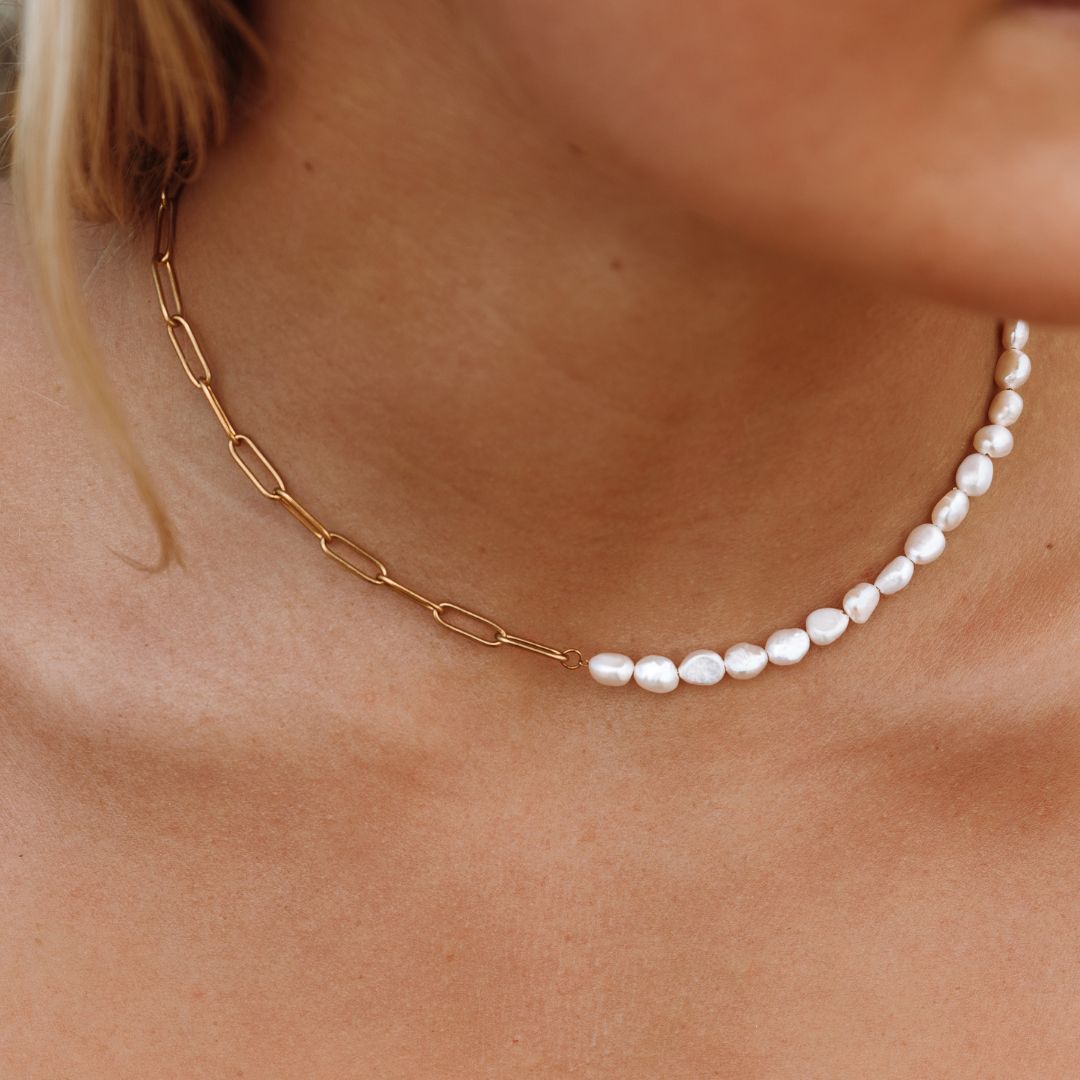
If classification terminology comes up while you are shopping, it is worth remembering that a gem's category, precious, semi precious, or organic, tells you very little about its actual quality, beauty, or suitability for a particular piece of jewelry. Instead, focus on the specific quality factors that genuinely affect a pearl's value and appearance, such as luster, shape, surface quality, and size, since these are the characteristics that will actually determine how a piece looks and holds up over time.
Final Thoughts
So, is a pearl a precious stone? Not in the traditional, technical sense, since that category has historically been reserved for diamond, ruby, sapphire, and emerald. Pearl instead belongs to its own distinct category, organic gems, reflecting its unique formation inside a living mollusk rather than through mineral crystallization. This classification difference has nothing to do with pearl's actual value or desirability, both of which have remained remarkably strong across thousands of years of jewelry history.
Whatever category it technically falls under, pearl's timeless elegance and rich symbolic history have earned it a permanent, well deserved place among the world's most beloved gems.
Frequently Asked Questions
1. What are the four traditional precious stones?
The traditional precious stone category includes only diamond, ruby, sapphire, and emerald.
2. Why isn't pearl considered a mineral?
Pearl is formed by a living mollusk through a biological process rather than through geological mineral crystallization, which is why it does not meet the technical definition of a mineral.
3. Does being classified as an organic gem make pearl less valuable?
No, pearl's value depends on factors like rarity, luster, and quality, and exceptional pearls can be worth significantly more than lower quality examples of traditionally precious stones.
4. What other gems are classified as organic like pearl?
Amber, coral, and jet are also classified as organic gems, since all three originate from biological or organic material rather than mineral formation.









Leave a comment
This site is protected by hCaptcha and the hCaptcha Privacy Policy and Terms of Service apply.