



How to Remove Tarnish from Gold Plating: Easy Fix That Works
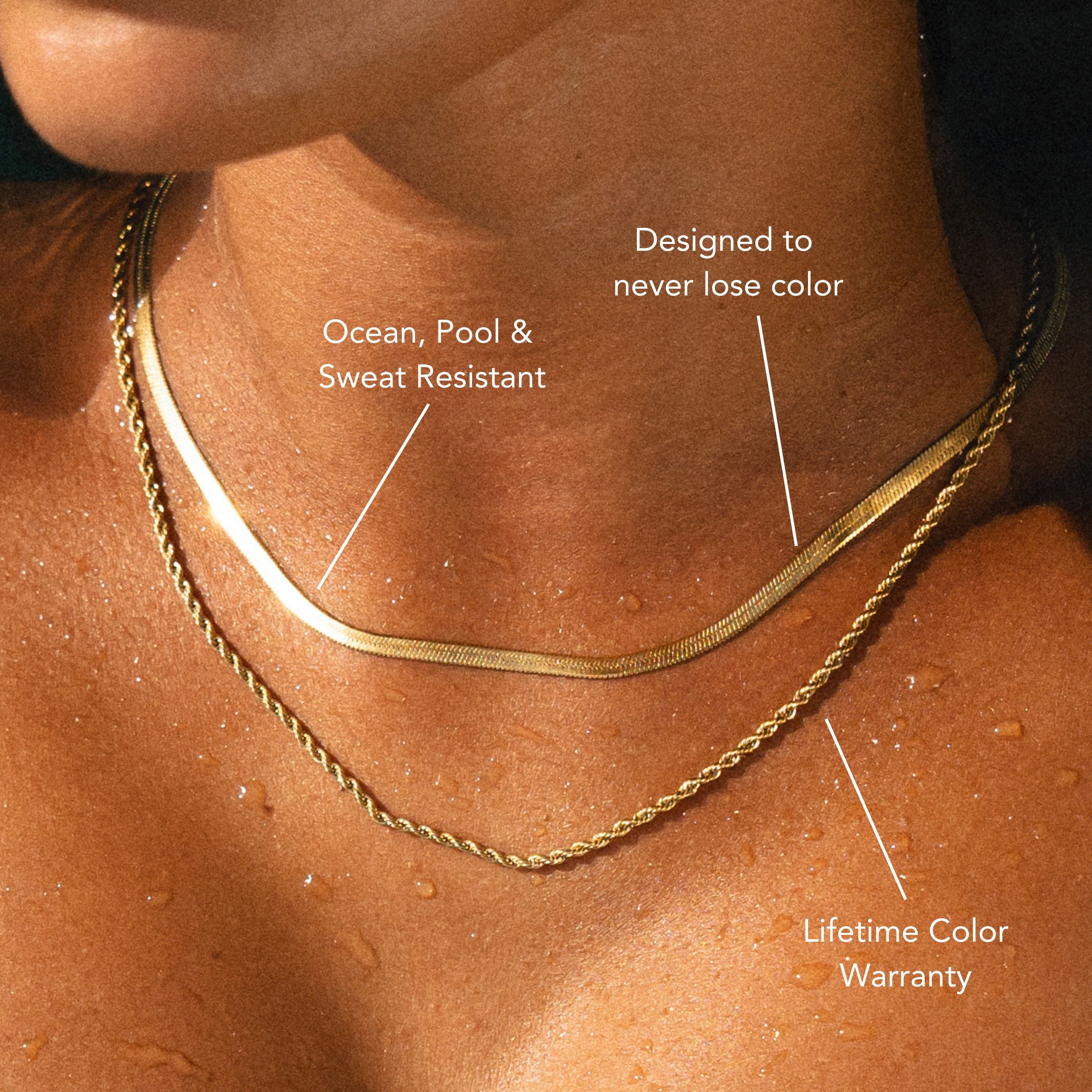
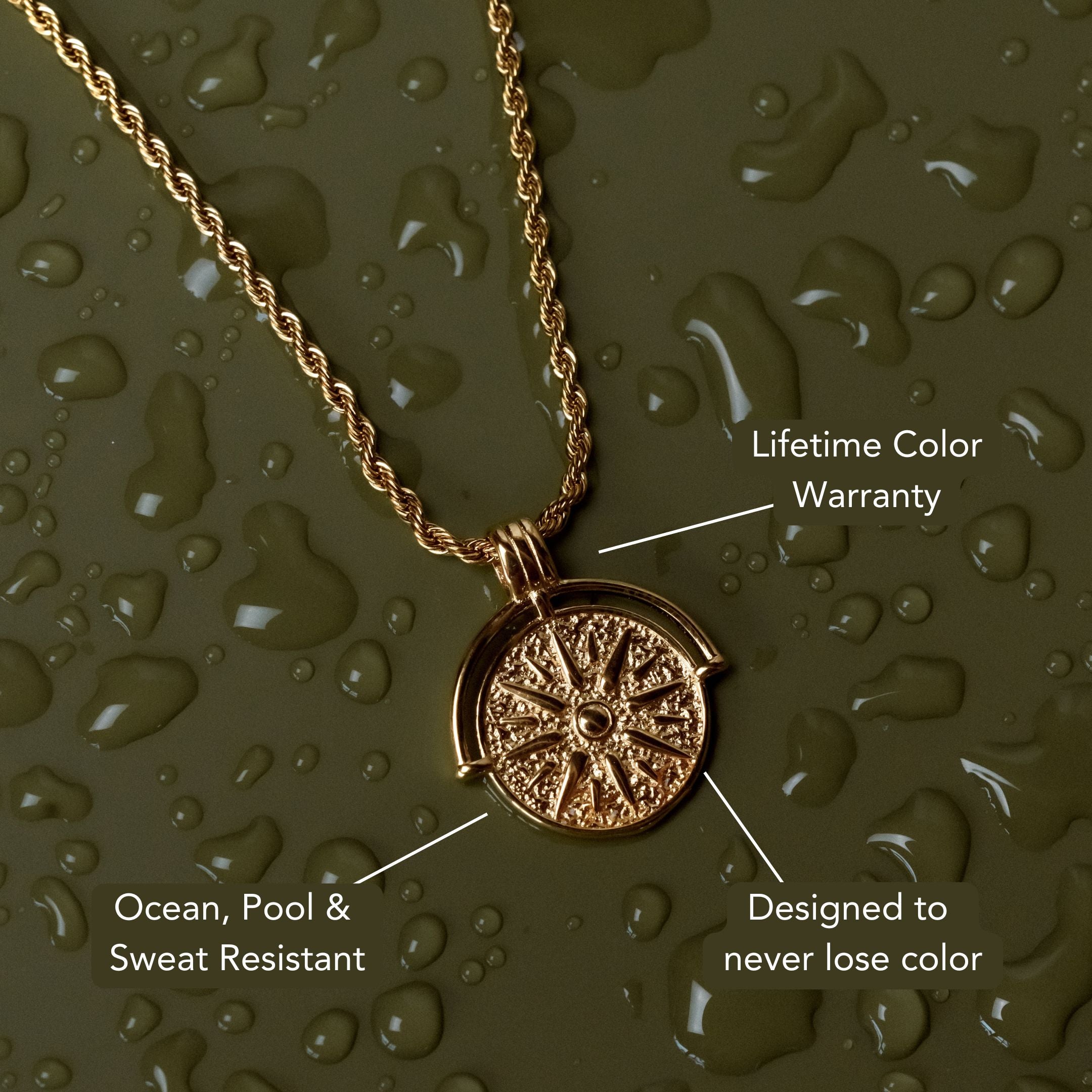
How to remove tarnish from gold plating? You can quickly remove tarnish from gold-plated jewelry with a soft cloth, mild dish soap, and a soft-bristled toothbrush: mix a drop of soap in lukewarm water, dip the brush lightly, and gently clean tarnished areas—avoiding prolonged soaking, especially around glued or porous stones. Rinse gently, pat dry, and let the piece air-dry completely before wearing. Always spot-test delicate areas and avoid abrasive cleaners to protect the plating. Choosing durable options, like those in the Tarnish-Free Jewelry collection, can also help reduce future tarnishing and keep your pieces looking polished longer.
Quick, Safe Method to Remove Tarnish From Gold-Plated Jewelry
Start by laying out a soft cloth, a small bowl, mild dish soap, and a toothbrush with soft bristles; you'll use only gentle, non-abrasive tools so the thin gold layer stays intact.
Wet the cloth and mix a drop of soap in lukewarm water; avoid soaking pieces with glued stones. Dip the toothbrush lightly, then brush tarnished areas with short, careful strokes, keeping pressure minimal.
Rinse under a gentle stream, pat dry with the soft cloth, and let pieces air-dry fully on the cloth. Inspect for remaining discoloration; repeat once if needed.
Store items separately in airtight pouches and avoid moisture and chemicals—simple tarnish prevention tips.
Follow this routine for consistent gold plating care and longer-lasting finish.

Safe Household Cleaners to Use on Gold-Plated Pieces
When you need to clean gold-plated jewelry without risking the thin finish, choose mild, non-abrasive household cleaners that dissolve oils and grime without harsh chemicals. Gentle dish soap, diluted ammonia solution (very weak), and baking soda pastes used sparingly are all safe options when applied correctly.
You’ll work deliberately: mix a few drops of dish soap in lukewarm water for routine cleaning, swish pieces briefly, then pat dry with a soft cloth.
For stubborn spots, a very weak vinegar solution (diluted heavily with water) can help, but test an inconspicuous area first and rinse immediately.
Use a light baking soda paste only for tiny, targeted blemishes and wipe gently; avoid scrubbing.
Always air-dry and store items separately to prevent abrasion.
Clean Gold-Plated Jewelry: Step-by-Step for Rings, Necklaces, Earrings
Cleaning gold-plated rings, necklaces, and earrings requires a gentle, consistent routine to preserve the thin finish and prevent wear. Begin by gathering a soft bowl, mild dish soap, lukewarm water, a soft-bristled brush or cloth, and a lint-free towel.
Mix a drop of soap in water, dip the cloth or brush, and work small sections—avoid soaking pieces with glue or porous gemstones. Rinse quickly under lukewarm running water and pat dry immediately with the lint-free towel.
For chains, lay flat and brush along links to remove grime. Repeat no more than monthly unless worn daily.
Store pieces separately in soft pouches or a lined box to reduce abrasion and chemical exposure. These cleaning techniques extend plating life and improve appearance.

How to Spot-Test and Treat Fragile or Heavily Plated Areas
How can you safely check for fragile or heavily plated spots without risking further wear?
Begin with visual inspection under good light and 10x loupe; note thinning, color variation, or edge wear.
Use gentle spot test techniques: dab a cotton swab lightly moistened with mild soap solution on an inconspicuous area, then on suspect zones, comparing residue and color transfer.
Don’t rub briskly.
Next, perform a micro-abrasion check by barely touching a soft microfiber with gentle pressure—if gold flakes or base metal shows, mark as fragile areas.
For treatment, restrain to nonabrasive options: neutral pH cleaner, immediate rinsing, and drying.
If plating is compromised, stop home treatment and recommend professional re-plating to avoid loss of underlying metal.
Clean Gold-Plated Watches & Accessories (Protect the Mechanisms)
Having identified fragile or heavily plated areas, you’ll need a cautious approach for watches and accessories that house moving parts or electronics. Remove straps or bracelets when possible to isolate the gold surface.
Use a soft, lint-free cloth slightly dampened with distilled water and a drop of mild dish soap; never soak the item. Gently wipe plated zones, avoiding crowns, pushers, case backs, and battery compartments.
For crevices, use a soft-bristle brush dampened, then immediately dry with a microfiber cloth. Apply minimal pressure to preserve plating and maintain gold watch care routines: polish sparingly and only with approved cloths.
For preventive accessory protection, store pieces separately in padded cases and avoid chemicals, perfumes, and prolonged moisture exposure to limit future tarnish.
When to Stop DIY and Seek a Professional Jeweler
If the plating shows deep wear, flaking, or the base metal is exposed, stop DIY efforts and consult a professional jeweler.
You should seek a professional assessment when discoloration recurs after cleaning, when pieces have intricate settings, or when stones feel loose.
A jeweler evaluates jewelry condition, measures plating thickness, and recommends re-plating or repair options you can’t safely perform at home.
Don’t attempt aggressive polishing or chemical treatments that risk further damage.
Bring documentation of previous cleanings or repairs so the assessor understands past interventions.
Expect clear options: minimal spot re-plating, full re-plating, or structural repair.
Prioritize professional intervention when value, sentiment, or complexity makes DIY risk unacceptable.
Follow the jeweler’s care guidance afterward.

Mistakes That Strip Gold Plating : And How to Avoid Them
Although gold plating looks durable, several common mistakes will quickly strip that thin layer and expose the base metal beneath.
You shouldn't use abrasive cleaners, scouring pads, or harsh chemicals—these physically remove plating. Avoid ultrasonic cleaners and steam when dealing with thin electroplate; they can lift and erode the finish.
Don’t wear plated pieces in pools, hot tubs, or during heavy perspiration; chlorine and salts accelerate loss. Never store plated items tangled with rough jewelry that causes friction.
When selecting cleaning tools, choose soft microfiber cloths and mild, pH-neutral solutions to follow practical tarnish prevention tips.
If you're unsure about a product or method, test on an inconspicuous spot or consult a jeweler to prevent irreversible damage.
Simple Maintenance Habits to Keep Gold-Plated Pieces Shiny Longer
You can prevent many of the problems that strip plating by adopting a few simple daily habits.
Begin with preventative care: remove pieces before applying lotions, perfumes, or cleaning products, and avoid wearing them while exercising or swimming.
Wipe jewelry after each wear with a soft, dry cloth to remove oils and salts that promote tarnish.
Schedule regular polishing using a nonabrasive cloth or a product specifically for plated items—light, consistent polishing preserves the thin gold layer.
Follow storage tips: keep items separated in soft pouches or lined compartments to prevent scratches and chemical transfer.
Maintain moisture control by using silica gel packets in storage and avoiding humid bathrooms.
Together these habits extend shine and reduce the need for restorative treatments.

Frequently Asked Questions
Can Gold Plating Be Reapplied at Home?
Yes—you can reapply gold plating at home using home replating kits; you'll follow gold plating techniques precisely, prep surfaces, control current and chemistry, and practice safety, but expect professional results only after experience and careful technique.
Are Tarnish Removers Safe for Gold Vermeil?
Yes — but cautiously: you shouldn't use harsh chemical tarnish removers on gold vermeil. Instead, follow gold vermeil care: gentle cleaners, soft cloths, and tarnish prevention methods like storing pieces dry, avoiding cosmetics and humidity.
Will Swimming Pools Permanently Damage Gold-Plated Jewelry?
Yes — chlorine exposure can permanently damage gold-plated jewelry by wearing away plating and causing discoloration. You should rinse, dry, and store pieces promptly after swimming, and follow consistent jewelry care to minimize harm.
How Long Does Professional Re-Plating Typically Last?
Professional re-plating typically lasts 1–3 years, though gold plating longevity varies with wear and thickness. You’ll extend it by following maintenance tips: avoid chemicals, limit moisture exposure, store carefully, and polish gently when needed.
Can Toothpaste Safely Polish Gold-Plated Pieces?
Yes — you can use toothpaste safely for gentle polishing, but avoid abrasive pastes; test a hidden area first. Use soft cloths, minimal pressure, and rinsing. Consider mild soap or professional polishing methods for delicate pieces.
Conclusion
You’ve got reliable, safe options to brighten gold-plated pieces without risking damage. Start with gentle, pH-neutral cleaners and soft cloths, spot-test fragile areas, and use cotton swabs for crevices. Avoid abrasives, harsh chemicals, and excessive rubbing that strip plating. For watches or heavily worn items, protect mechanisms and seek a jeweler when plating is thin or repairs are needed. Maintain weekly gentle cleaning and proper storage to keep your gold plating lasting and lustrous.












Leave a comment
This site is protected by hCaptcha and the hCaptcha Privacy Policy and Terms of Service apply.