

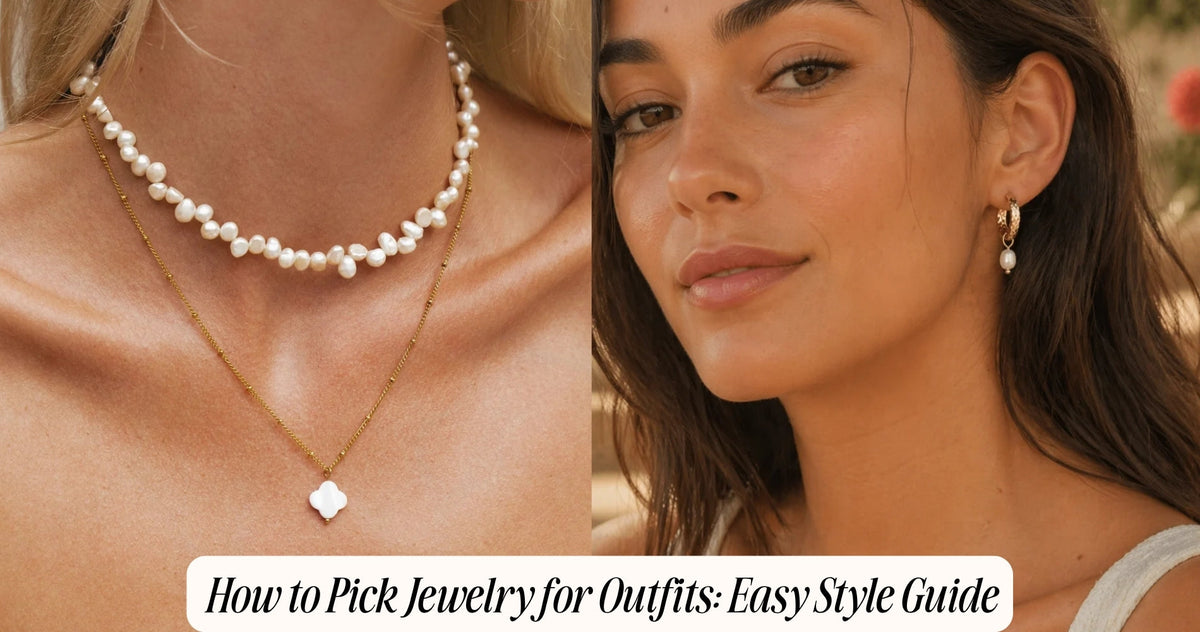
How to Pick Jewelry for Outfits: Easy Style Guide
Standing in front of your jewelry box trying to figure out which pieces actually work with a specific outfit is a familiar struggle for many people. The right jewelry can elevate an entire look, while mismatched pieces can leave an outfit feeling unfinished or, in some cases, overly busy. Learning how to pick jewelry for outfits does not require an expert eye, just a handful of practical guidelines that make this decision much easier every time you get dressed.
In this guide, we will walk through the key factors to consider when coordinating jewelry with your clothing, from necklines and colors to occasion and personal style. If you want a versatile foundation to build your outfit specific jewelry choices around, our Everyday Gold Jewelry collection offers pieces that pair beautifully with nearly any look.
Start With Your Neckline
One of the most practical starting points when choosing jewelry for a specific outfit is considering the neckline of whatever top or dress you are wearing, since certain necklace styles naturally complement different neckline shapes far better than others.
High Necklines
For high necklines, such as turtlenecks or crew necks, skip the necklace entirely and let earrings take center stage instead. A necklace would likely be hidden or compete visually with this particular neckline style, making earrings, whether simple studs or something bolder, the better focal point.
V Necklines
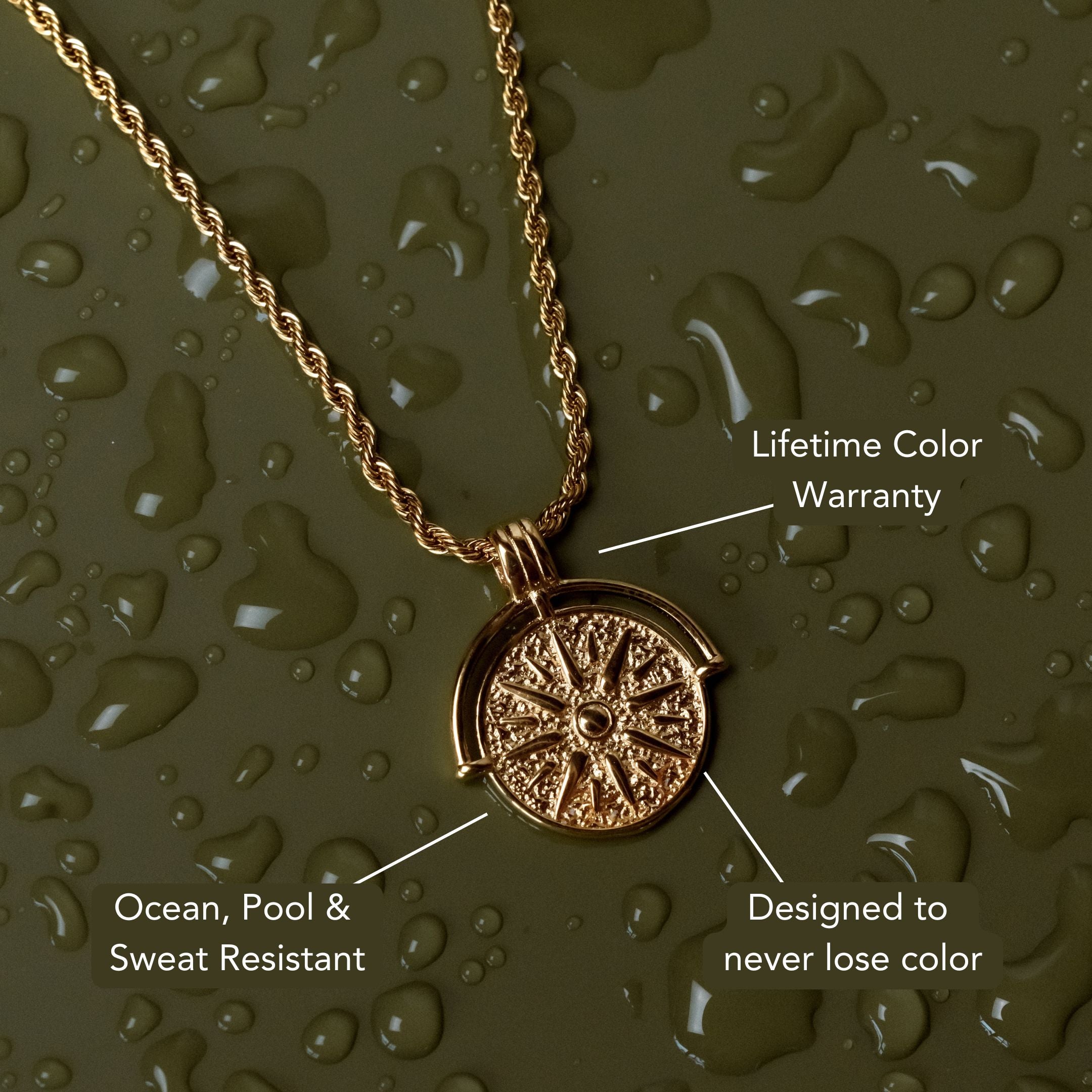
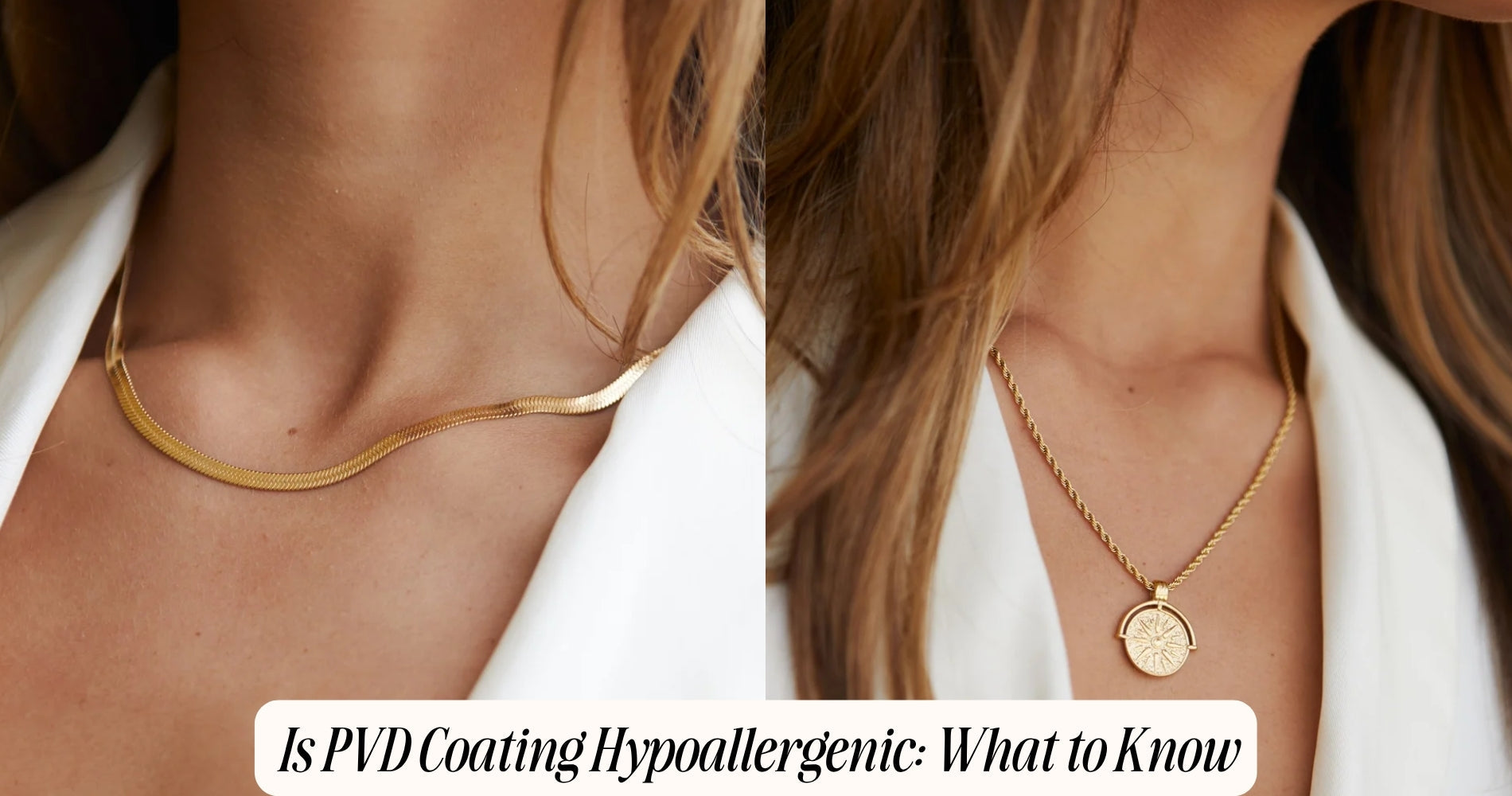
V necklines pair particularly well with pendant necklaces that echo the same downward pointing shape, creating a cohesive, visually pleasing line that complements rather than competes with the neckline itself.
Scoop or Round Necklines
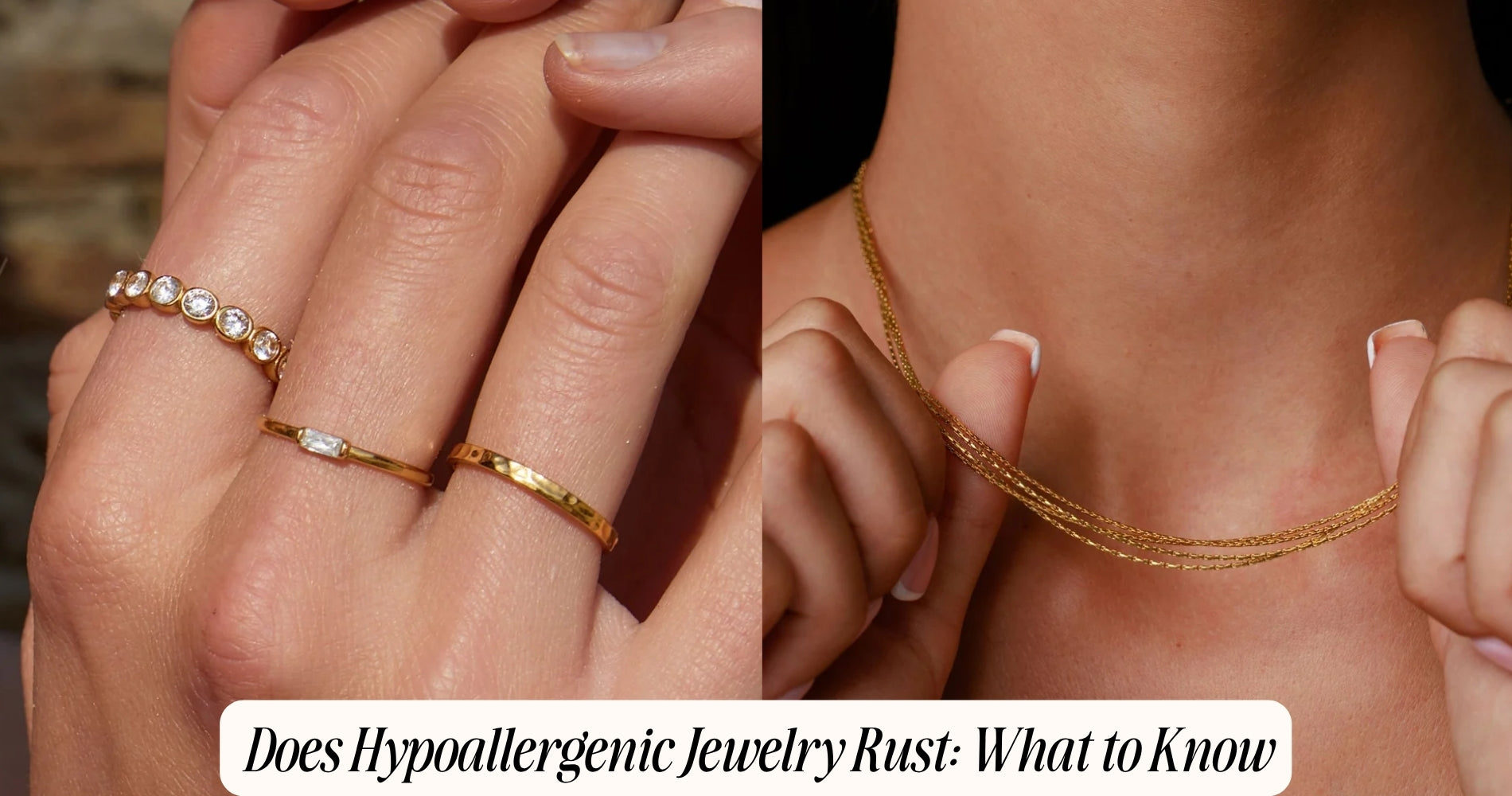
Scoop and round necklines offer flexibility for a range of necklace lengths and styles, though shorter necklaces or delicate layered pieces tend to work especially well, filling the open space without overwhelming the neckline.
Off the Shoulder or Strapless Styles
Off the shoulder and strapless necklines create wonderful opportunities for statement necklaces or delicate layered pieces, since the exposed shoulders and collarbone area offer plenty of visible space to showcase necklace jewelry as a genuine focal point.

Consider Your Outfit's Color Palette
Beyond neckline, thinking through your outfit's specific color palette can help guide both metal tone and gemstone color choices for a more cohesive overall look.
Warm Toned Outfits
Outfits featuring warm colors, such as reds, oranges, browns, and warm yellows, tend to pair particularly well with gold or rose gold jewelry, since these warmer metal tones naturally complement and enhance similarly warm clothing colors.
Cool Toned Outfits
Outfits in cooler colors, including blues, purples, and true grays, often look especially polished paired with silver or white gold jewelry, since these cooler metal tones create a harmonious, complementary effect.
Neutral Outfits
Neutral colored outfits, such as black, white, beige, and gray, offer considerable flexibility, generally working well with any metal tone, making this an easy starting point for those still developing confidence in coordinating jewelry with clothing.
Match Jewelry to the Formality of Your Outfit
The overall formality level of your outfit should also influence your jewelry choices, helping ensure your accessories feel appropriately matched to the occasion.
Casual Everyday Outfits
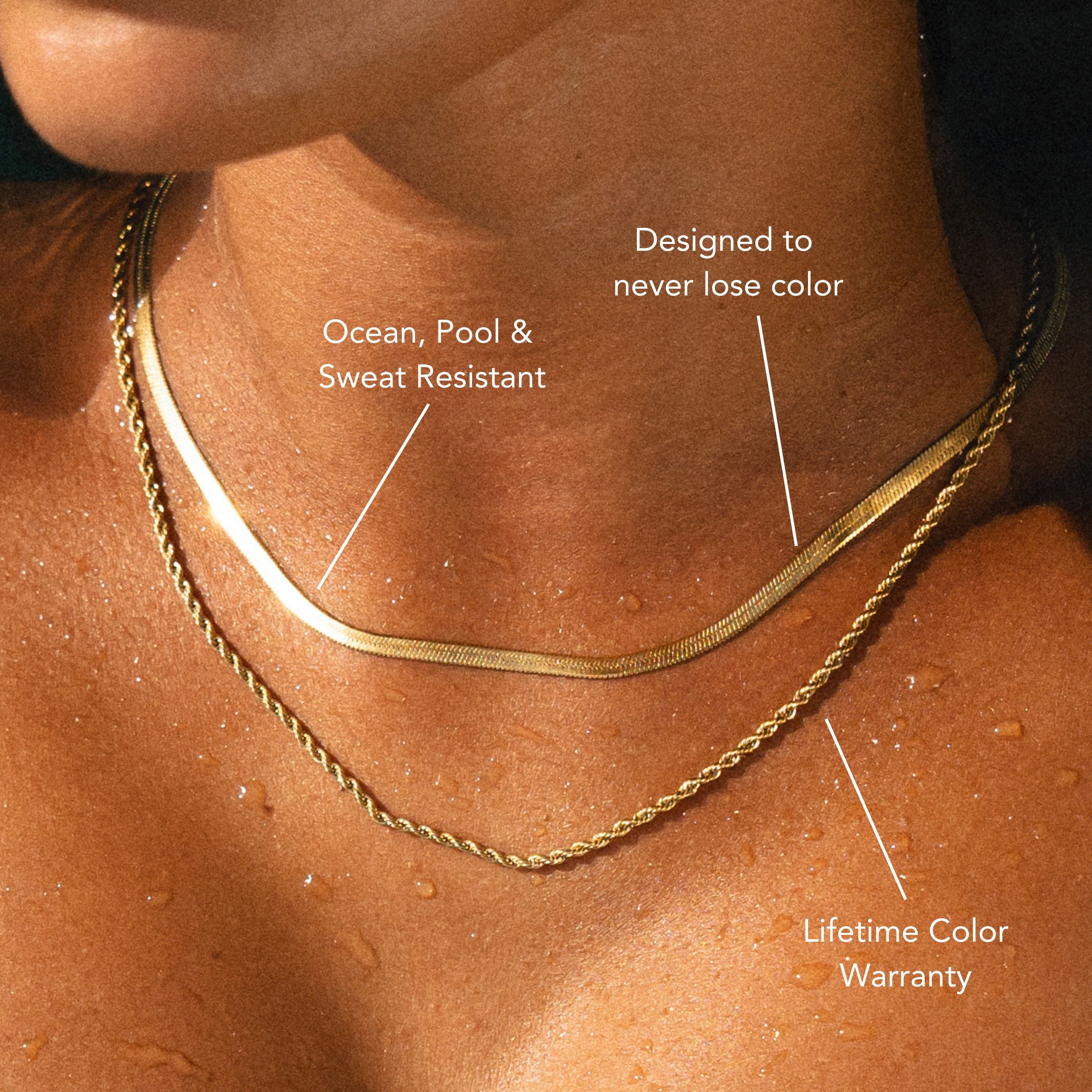
For casual, everyday clothing, simpler jewelry choices, such as delicate necklaces, small stud earrings, or a single meaningful bracelet, tend to feel most appropriate, avoiding overly elaborate pieces that might feel mismatched with more relaxed clothing.
Business or Professional Attire
Professional settings generally call for more understated, polished jewelry choices, such as simple stud earrings, a thin chain necklace, or a classic bracelet, avoiding anything overly large or distracting that might feel inappropriate for a work environment.
Formal or Evening Wear
Formal occasions offer the perfect opportunity to embrace bolder, more elaborate jewelry choices, such as statement earrings, a dramatic necklace, or sparkling gemstone pieces, since these settings naturally accommodate more glamorous, eye catching accessories.

Balancing Bold and Simple Pieces
Regardless of the specific outfit, one general styling principle applies broadly: avoid combining too many bold, attention grabbing jewelry pieces at once. If you choose one particularly statement making item, such as large earrings or a dramatic necklace, balance the rest of your jewelry with simpler, more understated pieces to prevent an overly busy, competing overall look.
This principle of balance helps ensure your jewelry enhances your outfit rather than overwhelming it, regardless of whether you are dressing casually or for a more formal occasion.
Considering Your Outfit's Existing Details
Beyond color and formality, paying attention to your outfit's existing embellishments and details can help guide how much additional jewelry, if any, actually makes sense for a particular look.
Heavily Patterned or Embellished Outfits
If your outfit already features significant patterns, beading, sequins, or other decorative details, opt for simpler, more minimal jewelry to avoid an overly busy overall appearance, letting the outfit itself remain the primary visual focus.
Simple, Minimalist Outfits
Simple, solid colored outfits with minimal embellishment offer the perfect canvas for more elaborate or statement making jewelry choices, since there is less visual competition for attention within the outfit itself.
Choosing Jewelry Based on the Occasion
Beyond the outfit itself, considering the specific occasion or setting you are dressing for can further refine your jewelry choices.
Work and Professional Settings
Choose understated, polished pieces that complement your professional attire without becoming a distraction throughout your workday.
Date Nights and Social Outings
Date nights and social occasions offer a bit more flexibility for personal expression, allowing for slightly bolder or more distinctive jewelry choices compared to more conservative professional settings.
Weddings and Formal Events
Formal events call for elegant, sometimes more elaborate jewelry choices, though it remains important to avoid anything that might compete for attention with the specific occasion itself, such as overly bridal looking pieces at a wedding you are simply attending as a guest.
Casual Weekends and Errands
For casual, everyday activities, simpler, more practical jewelry choices tend to work best, particularly pieces that can handle movement and activity without requiring careful, constant attention throughout the day.

Building a Versatile Jewelry Collection for Any Outfit
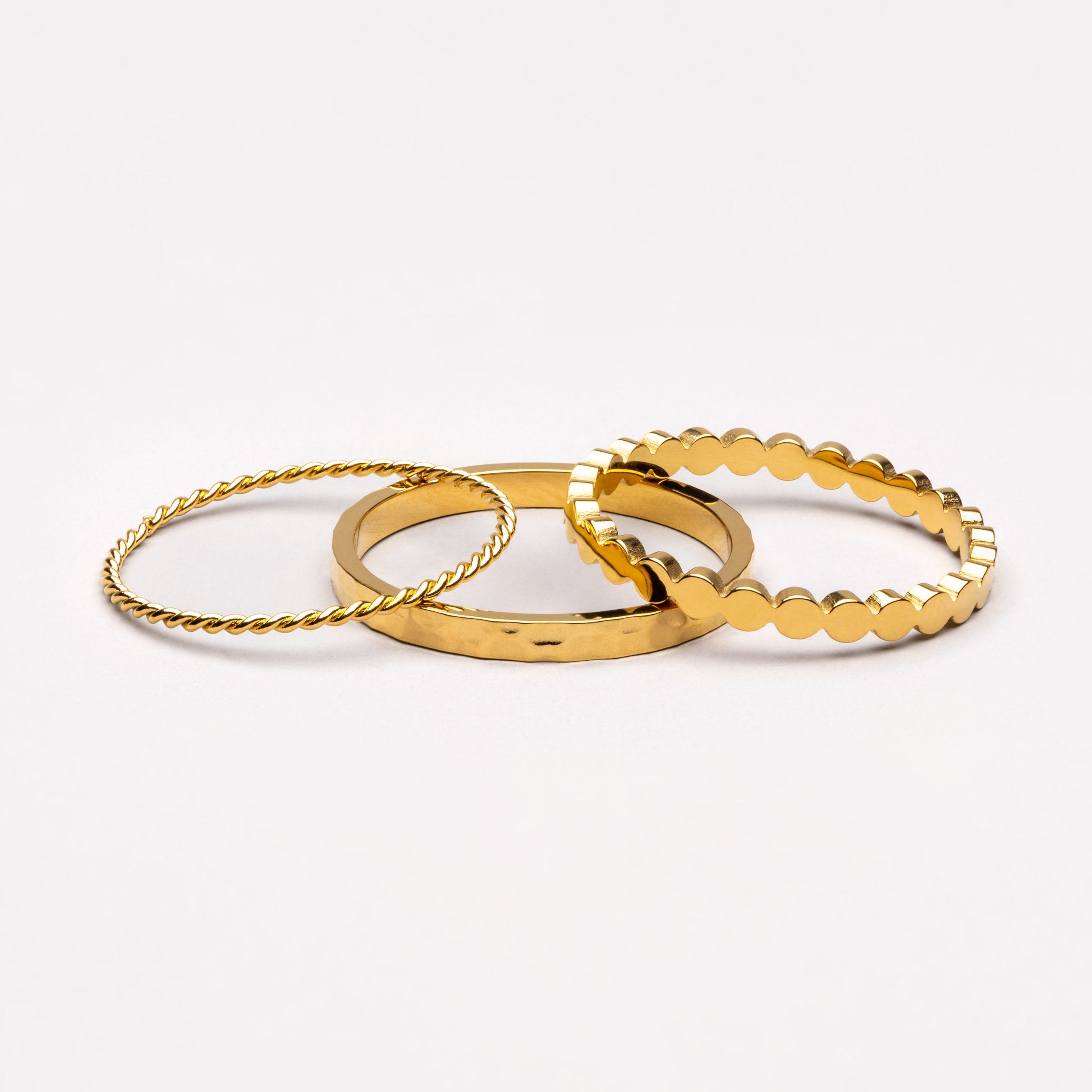
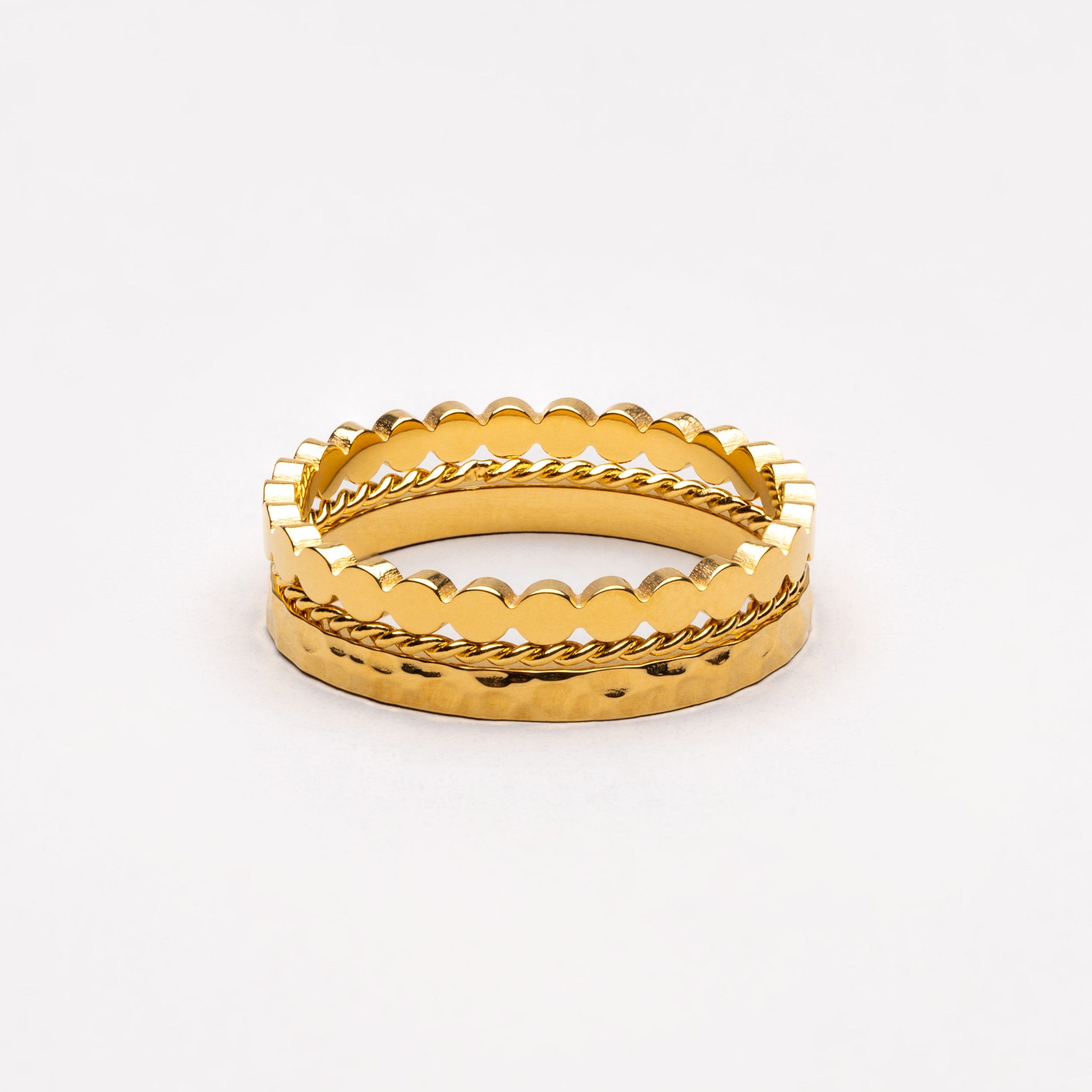
Rather than purchasing new jewelry for every individual outfit, building a small, versatile collection of foundational pieces allows you to mix and match confidently across nearly any clothing choice you might make. A few reliable staples, such as simple stud earrings, a delicate everyday necklace, a classic bracelet, and one or two bolder statement pieces reserved for special occasions, can cover the vast majority of your outfit coordination needs.
Practical Tips for Everyday Jewelry Decisions
A few additional practical habits can make the process of picking jewelry for outfits feel significantly more effortless over time.
Lay out your full outfit first, including clothing and shoes, before selecting jewelry, since seeing the complete look helps clarify what additional accessories genuinely enhance rather than compete with what you are already wearing.
Consider your hair and makeup as well, particularly for earrings, since factors like hairstyle can influence how much visibility a particular earring style will actually have throughout the day.
Do not be afraid to keep it simple, since sometimes the most polished, put together looks rely on just one or two thoughtfully chosen pieces rather than an elaborate combination of many different items.

Final Thoughts
Learning how to pick jewelry for outfits comes down to considering a few key factors together: your neckline, your outfit's color palette, the occasion's formality level, and any existing embellishments already present in your clothing. By keeping these practical guidelines in mind, along with maintaining a balance between bold and simple pieces, you can confidently coordinate jewelry with virtually any outfit in your wardrobe.
With a bit of practice and a well rounded, versatile jewelry collection to draw from, choosing the right pieces for any given outfit becomes a quick, intuitive part of getting dressed rather than a source of daily stress.
Frequently Asked Questions
1. What jewelry works best with a high neckline?
Skip the necklace and let earrings take center stage instead, since a high neckline typically covers or competes with necklace jewelry.
2. Should my jewelry metal always match my outfit's color palette?
It is a helpful general guideline, though not a strict rule, since gold and silver both work well with many colors depending on personal style preference.
3. How much jewelry is too much for a casual outfit?
For casual settings, keeping jewelry simple, such as one necklace and a pair of studs, generally works best, avoiding overly elaborate combinations better suited for formal occasions.
4. What is the easiest way to build a jewelry collection that works with many outfits? Focus on a few versatile, foundational pieces, such as simple studs, a delicate necklace, and a classic bracelet, that pair easily with a wide range of clothing styles and colors.









Leave a comment
This site is protected by hCaptcha and the hCaptcha Privacy Policy and Terms of Service apply.