


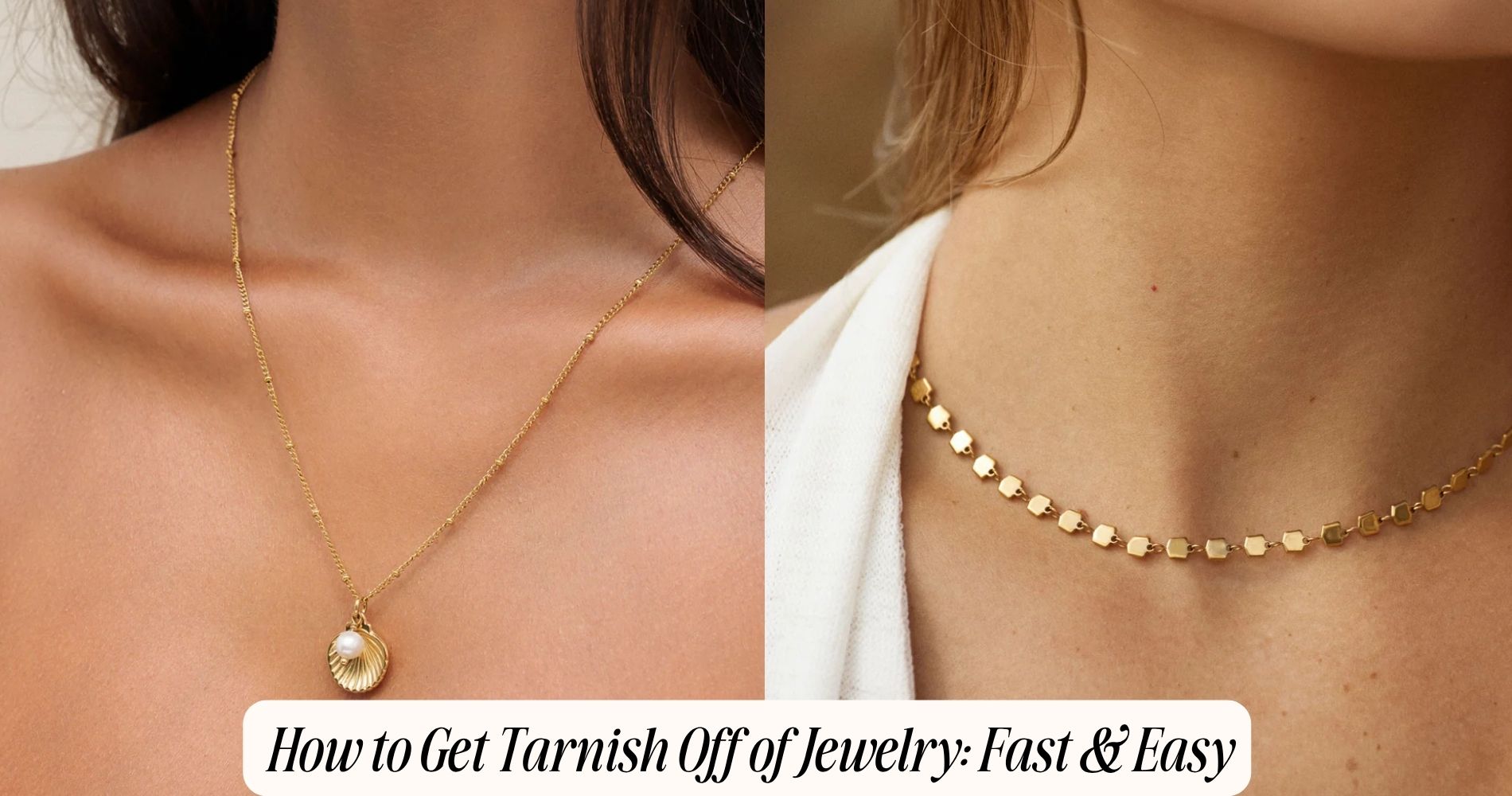
How to Get Tarnish Off of Jewelry: Fast & Easy
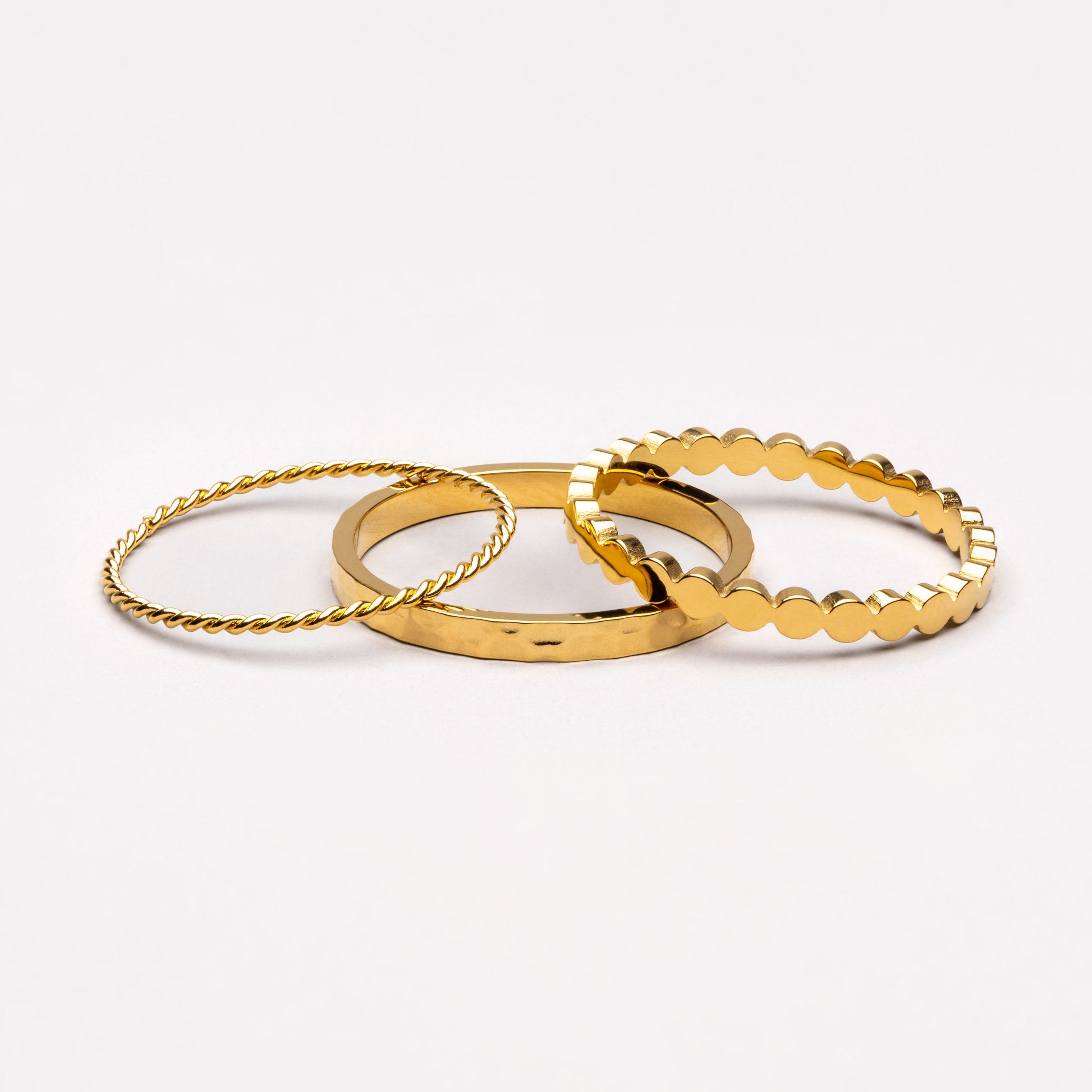
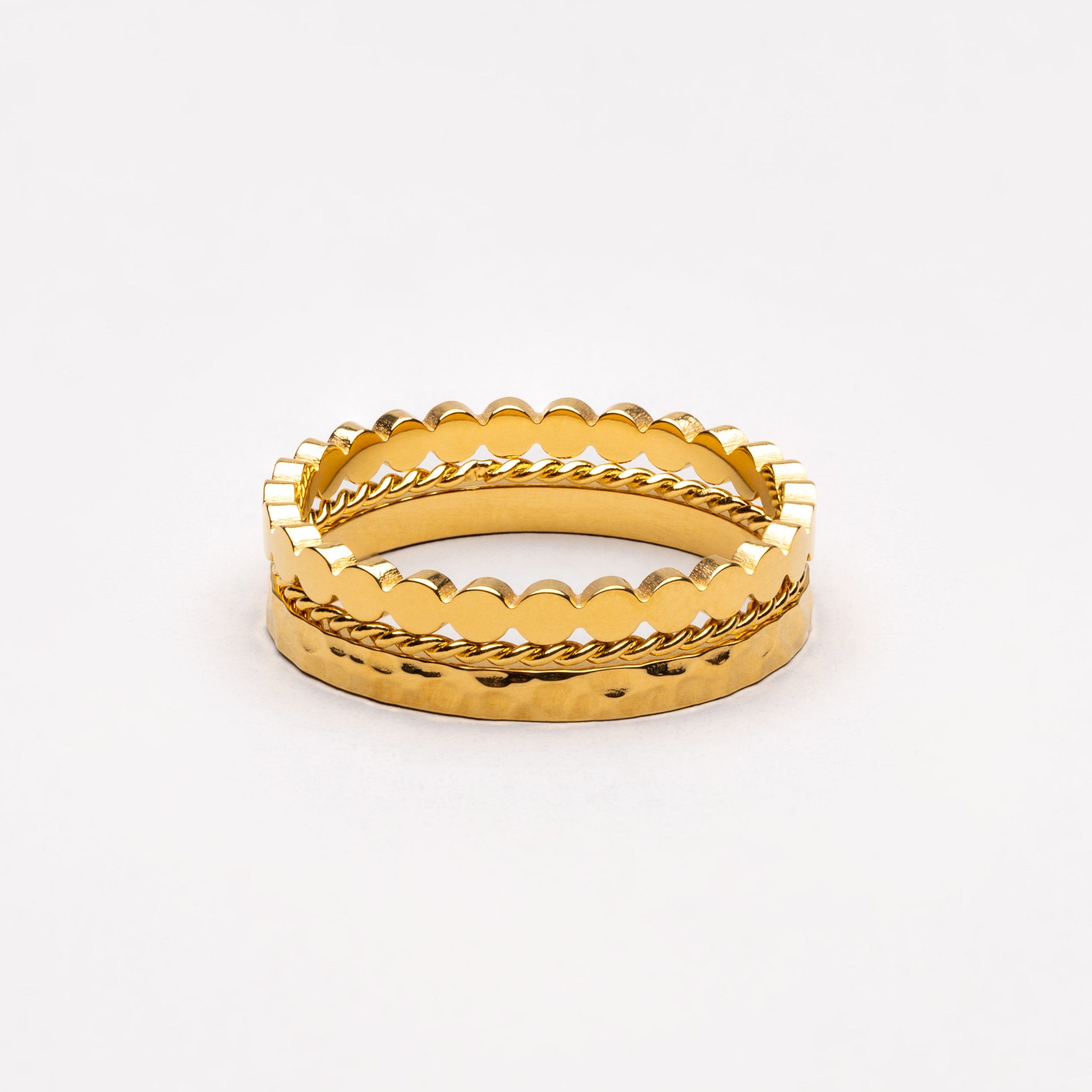
How to get tarnish off of jewelry? Inspect each piece first and test a hidden area if it contains plating, glue, or delicate stones. For solid silver, try an aluminum-foil bath with hot water, baking soda, and a little salt to help lift tarnish safely. Gold-plated or vermeil jewelry should only be cleaned gently with mild soap and a soft microfiber cloth, avoiding soaking or abrasive tools. Use a soft brush for hard-to-reach areas and store jewelry in dry, anti-tarnish conditions. For lower-maintenance everyday pieces, the Tarnish-Free Jewelry collection is designed to help preserve shine longer.
Quick Safety Checklist: Test and Protect Delicate Finishes
Before you treat tarnish, test and protect any delicate finishes so you don't cause irreversible damage.
You’ll inspect pieces for plated surfaces, glued stones, and soft gemstones; perform a discreet spot test with a cotton swab and mild cleaner on an inconspicuous area. If finish dulls, stop—switch to nonabrasive care or seek professional restoration.
Fit protective barriers like clear nail polish or microcrystalline wax on exposed base metal where appropriate, but only after confirming compatibility. Record material types and care notes for each item to inform future maintenance and tarnish prevention techniques.
Adopt controlled jewelry storage solutions: anti-tarnish strips, individual soft pouches, and low-humidity cabinets. These steps reduce risk and prolong finish integrity without aggressive cleaning.

Fast, Effective Method to Remove Tarnish From Silver
Start by assembling a simple electrochemical bath: line a nonreactive container with aluminum foil (shiny side up), add hot water, a tablespoon of baking soda per cup of water, and a splash of salt to improve conductivity; then immerse the tarnished silver so it touches the foil.
Let it sit until discoloration reverses—minutes for light tarnish, longer for heavy sulfides. Rinse, dry, and inspect under good light.
For remaining spots, use a soft-bristled toothbrush and a mild silver polishing paste, working gently along crevices. Neutralize residues with clean water, then dry thoroughly to prevent re-tarnish.
This electrochemical method yields fast tarnish removal without abrasive scrubbing, preserving detail.
Always verify item construction first; avoid treating pieces with glued stones or soft coatings.
Clean Gold‑Plated & Vermeil Jewelry Safely
While gold plating and vermeil look like solid gold, their thin surface layers demand gentler care to avoid wearing the finish or loosening settings. You should consequently use only mild, nonabrasive cleaners, soft cloths, and minimal moisture.
For routine cleaning, wipe pieces with a dry, lint-free microfiber to remove oils and dust. If deeper cleaning’s required, mix a few drops of mild dish soap in warm water, dampen a cloth (not the jewelry), and gently pat surfaces—never submerge vermeil or plated items.
Dry immediately with a soft cloth. Avoid ultrasonic cleaners, steam, or abrasive polishes that remove gold plating.
Store pieces separately in anti-tarnish pouches and limit exposure to perfumes, sweat, and chlorine. Follow these vermeil care steps to extend finish life.

Restore Costume & Plated Pieces Without Damaging Glue or Plating
- When restoring costume and plated pieces, work gently to protect glue and thin plating. Remove loose dirt with a soft, dry brush; avoid soaking glued components.
Test any jewelry cleaning products on an inconspicuous area first. Use a damp microfiber cloth or cotton swab with diluted, neutral pH soap for localized cleaning, then blot dry immediately.
For stubborn tarnish, employ a paste of baking soda and water applied sparingly with a soft cloth—do not rub near glued seams. Avoid ultrasonic cleaners, steamers, and harsh acids that dissolve adhesives and strip plating.
After cleaning, apply tarnish prevention tips: store pieces in airtight bags, include anti-tarnish strips, and keep items separate to prevent abrasion.
Regular light maintenance extends appearance without risking damage.
Cleaning Gemstones & Delicate Settings : What to Avoid
Because many gemstones and settings react poorly to heat, chemicals, and mechanical stress, you should avoid boiling, steam-cleaning, or using ultrasonic cleaners on fragile stones and delicate prongs.
Inspect gemstone properties—cleavage, porosity, and hardness—before choosing a method.
Don't expose porous gems (opal, pearl, turquoise) to solvent-based cleaning solutions or ammonia; they'll absorb liquids, discolor, or decompose.
Skip abrasive polishes and toothbrush scrubbing on soft or filled stones; they abrade surfaces and remove coatings.
Avoid prolonged soaking for glued or composite pieces; water can weaken adhesives and layers.
If settings show loose prongs or chipped bezels, don’t attempt forceful manipulation—have a jeweler secure them.
When in doubt, use mild detergent with a soft cloth and minimal moisture, then air-dry thoroughly.

Simple Storage and Habits to Prevent Future Tarnish
Keeping jewelry dry, separated, and away from air pollutants will drastically slow tarnish formation.
Store pieces individually in anti tarnish pouches or sealed compartments to prevent contact and abrasion. Remove jewelry before exercising, swimming, or applying cosmetics; sweat and chemicals accelerate oxidation.
Use desiccant packets and silica gel in storage boxes for humidity control; monitor relative humidity and keep it below 50% when possible.
For long-term storage, consider inert-gas or vacuum-sealed options for high-value items. Wipe pieces with a clean, lint-free cloth before storing to remove oils and residues.
Inspect storage materials periodically and replace spent desiccants and pouches. These simple, systematic habits minimize chemical exposure and dramatically extend the interval between cleanings.
Frequently Asked Questions
How Often Should I Professionally Inspect Heirloom Jewelry?
You should have heirloom jewelry professionally inspected every 6–12 months; more often if worn frequently or after damage. Regular jewelry maintenance and heirloom care prevent loss, catching loose settings, worn prongs, and hidden structural issues early.
Can Ultrasonic Cleaners Be Used on Mixed-Metal Pieces?
Yes—you can, but you’ll check metal compatibility first. Ultrasonic cleaners can stress softer or plated metals; adjust cleaning frequency accordingly, use gentle settings, and inspect joints and stones to avoid loosening or surface damage.
Will Tarnish Return Faster in Humid Climates?
Yes — tarnish returns faster in humid climates. You should follow tarnish prevention tips: store jewelry dry, use silica packs, anti-tarnish strips, and regular cleaning, because humidity effects accelerate oxidation and sulfide formation on metals.
Is It Safe to Wear Cleaned Jewelry in Chlorinated Pools?
You shouldn’t wear cleaned jewelry in chlorinated pools; chlorine exposure can corrode metals and damage finishes. For jewelry maintenance, remove pieces before swimming, rinse and dry items after incidental exposure, and inspect settings regularly.
Can I Use Toothpaste on Gemstone Rings?
You shouldn’t routinely use toothpaste on gemstone rings; toothpaste effectiveness varies and abrasives can scratch softer stones. Assess gemstone safety first—hard stones like diamonds tolerate mild polishing, while opals, pearls and emeralds need professional or gentle cleaning.
Conclusion
You’ve got the tools to tackle tarnish safely and quickly. Always test finishes, use the right method for silver, gold-plated, or costume pieces, and avoid harsh chemicals on glued or delicate settings. Clean gemstones gently with mild soap and a soft brush, and skip ultrasonic baths for porous or fracture-filled stones. Store jewelry in airtight containers with anti-tarnish strips and wipe pieces after wear to minimize future tarnish and prolong their finish.











Leave a comment
This site is protected by hCaptcha and the hCaptcha Privacy Policy and Terms of Service apply.