


How to Clean Sterling Silver Necklace Safely
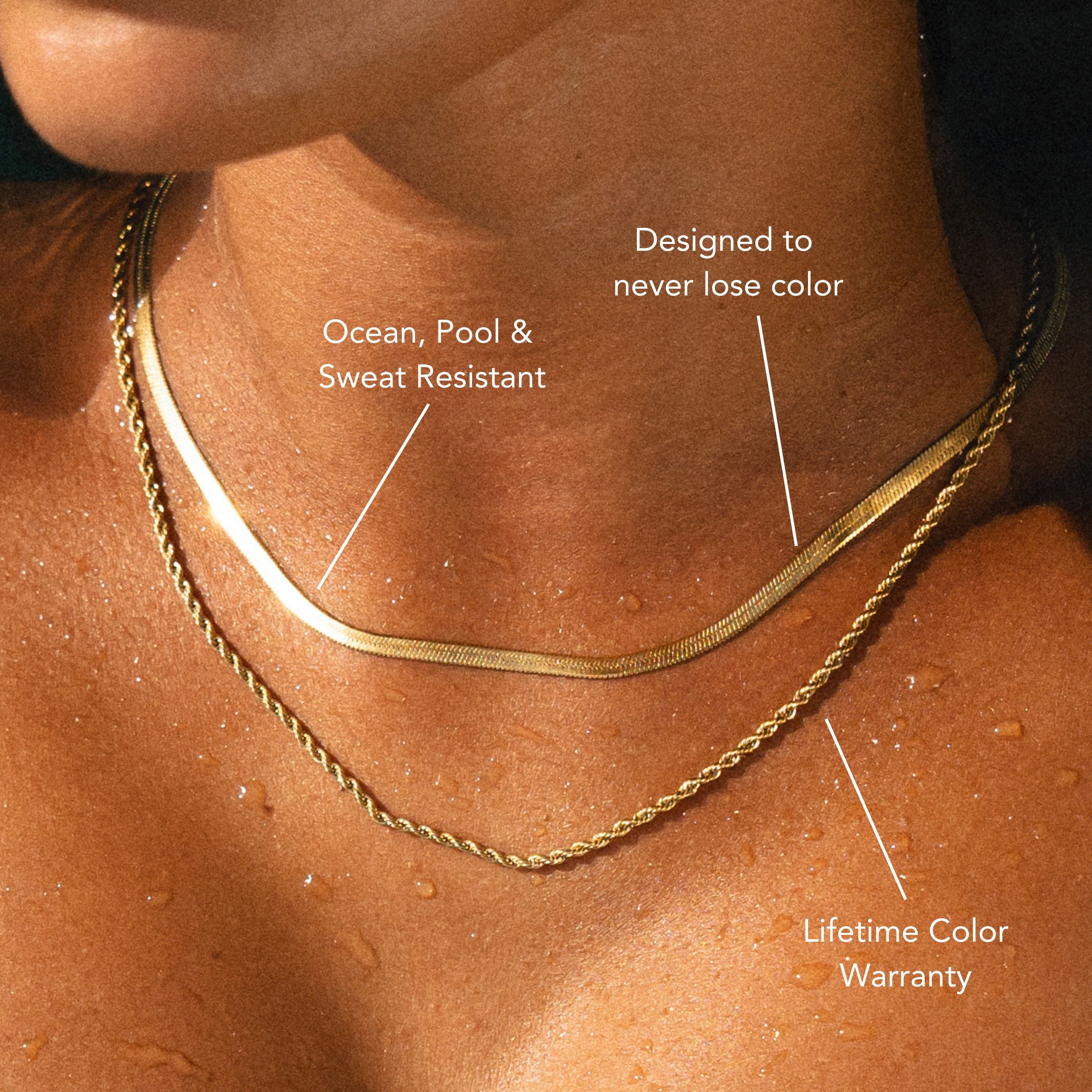
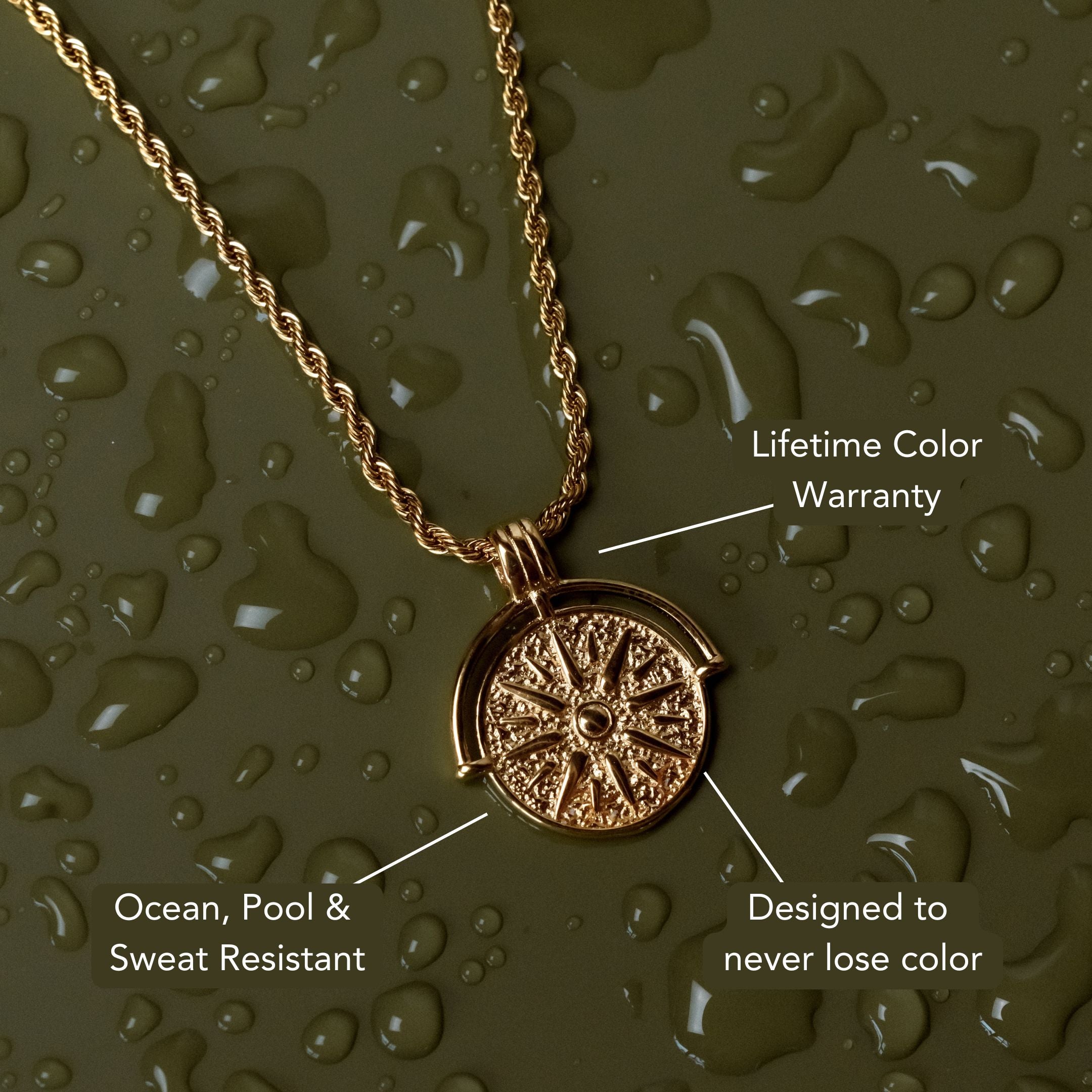
How to clean sterling silver necklace? You can safely restore a tarnished sterling silver necklace at home using gentle, nonabrasive methods: soak briefly in warm water with a few drops of mild dish soap, rub gently with a soft cloth or toothbrush, rinse, and dry thoroughly. For heavier tarnish, use a baking soda paste or an aluminum foil and baking soda bath, but avoid harsh chemicals, abrasives, and ultrasonic cleaners if the piece has stones or plating. Durable options like Atolea’s Silver Waterproof Jewelry collection are also designed for easier everyday care. Keep going for more care tips and troubleshooting.
Quick Safe Cleaning for Light Silver Tarnish
For light tarnish on a sterling silver necklace, you can quickly restore shine with a gentle, safe method that won’t harm the metal or any attached gemstones: mix a few drops of mild dish soap in warm water, soak the necklace for 2–3 minutes, then gently rub with a soft cloth or a soft-bristled toothbrush and rinse with clean water before drying thoroughly.
After drying, inspect links and settings; use a lint-free cleaning cloth to remove remaining residue and buff to a consistent sheen. For tiny crevices, moisten the cloth slightly or use a soft brush.
Reserve silver polish for minor, targeted dull spots and follow manufacturer instructions; apply sparingly with a polishing cloth and remove residue promptly.
Store in an anti-tarnish pouch.

Deep‑Clean Heavy Tarnish Safely (No Harsh Chemicals)
If light cleaning didn’t fully restore your sterling silver, you’ll need a stronger but safe approach for heavy tarnish that avoids harsh chemicals.
Work on a protected surface and wear nitrile gloves if you prefer. Use a bowl of warm water with a teaspoon of mild dish soap and a tablespoon of baking soda to loosen grime; soak for 10–15 minutes.
For stubborn areas, make a paste of baking soda and water and rub gently with a soft-bristled toothbrush. Rinse thoroughly, then try aluminum foil and hot water with baking soda for electrochemical tarnish removal—line a bowl with foil, add hot water and a tablespoon of baking soda, submerge the piece briefly.
Finish with approved silver polishing methods using a microfiber cloth. Dry and inspect; repeat if necessary.
Cleaning Gemstone or Enamel Necklaces
How delicate is the piece you’re about to clean? Assess stones and enamel first: porous gems (opal, turquoise, pearl) and hand-painted enamel need minimal moisture. You’ll avoid ultrasonic cleaners and chemical dips; they damage settings and cause color loss.
Use a soft, dry microfiber or a barely dampened cotton swab with distilled water for spot cleaning. For stubborn grime, mix one drop of mild dish soap in 2 oz distilled water, apply sparingly, then blot dry immediately.
When handling, secure clasps and work over a padded surface to prevent knocks. Store separately with tissue or anti-tarnish strips to minimize abrasion.
Regular gentle polishing of the silver parts keeps overall appearance without compromising gemstone care or enamel protection.

Clean and Protect Plated or Mixed‑Metal Silver Necklaces
Moving from gemstone and enamel care, you’ll handle plated or mixed‑metal silver pieces differently because surface coatings and joined alloys react to cleaners and abrasion.
For plated silver care, avoid abrasive polishes and prolonged soaking; instead, gently dab a soft, damp cloth with a tiny amount of mild soap, then rinse and dry immediately to prevent base‑metal exposure. Limit chemical exposure—perfume, sweat and chlorinated water accelerate wear—so remove necklaces before exercise or swimming.
For mixed metal maintenance, inspect joins and plated areas regularly for wear or discoloration; treat each metal zone according to its tolerance, using the mildest method that works.
Store pieces separated and flat, ideally in anti‑tarnish pouches, to reduce friction and slow coating loss.
Safe Tools and Household Supplies for Silver Cleaning
A handful of simple, nonabrasive tools and common household supplies will safely clean most sterling silver necklaces without risking scratches or chemical damage.
Gather a soft microfiber cloth, a soft-bristled toothbrush, cotton swabs, a bowl, and warm water. Use mild dish soap or a purpose-made silver cleaning solutions diluted per directions; you’ll avoid harsh concentrates.
For light tarnish, dampen the cloth with soapy water and gently rub; use the toothbrush for crevices. Cotton swabs reach tight links. Rinse thoroughly and dry immediately with the microfiber cloth to prevent water spots.
Keep a separate polishing cloth for finishing touches. Store cleaning tools clean and dry.
These straightforward cleaning tools and supplies give reliable, repeatable results while protecting your sterling silver necklace.
What to Avoid: Chemicals, Abrasives, and Common Mistakes
Because sterling silver is soft and reacts to many everyday chemicals, you should avoid anything abrasive, acidic, or chloride-based that can etch, strip plating, or accelerate corrosion.
Don’t use bleach, ammonia, or toilet cleaners; their chemical reactions darken or pit silver. Avoid toothpaste, baking soda pastes applied with scrubbing pads, or rough brushes—abrasive materials will wear details and finish.
Stay away from ultrasonic cleaners if your piece has gemstones, glue, or delicate links, since vibrations and fluids can loosen settings.
Don’t store silver with rubber bands, newspaper, or sulfur-containing fabrics that promote tarnish.
Finally, don’t overclean; aggressive or frequent polishing thins silver and removes intentional patina.
Follow safe methods and inspect pieces before and after cleaning.
How Often to Clean Your Sterling Silver Necklace
If you wear your sterling silver necklace daily or expose it to moisture, sweat, lotions, or perfume, clean it every 2–4 weeks to prevent visible tarnish and buildup.
Otherwise, a quarterly cleaning works for occasional wear. Use a quick wipe with a soft cloth after each use and schedule deeper cleanings based on appearance: when dullness or spots appear, act immediately rather than waiting for heavy tarnish.
Track cleaning frequency by noting wear patterns—more exposure requires shorter intervals. For pieces with stones or intricate settings, increase care and consult specific care instructions.
These maintenance tips help you avoid aggressive methods later. Regular, measured cleaning preserves finish and detail; don’t overclean, but don’t neglect routine attention either.
Storage and Wearing Habits That Keep Silver Bright Longer
Proper storage and mindful wearing habits will keep your sterling silver bright and cut down on cleaning.
Store necklaces in airtight bags or lined jewelry boxes to limit oxygen and humidity exposure; use anti-tarnish strips for added protection. Keep pieces separate to prevent scratches and tangles.
Your wearing routines matter: put silver on after applying lotions, perfumes, and hairspray, and remove it before swimming, exercising, or showering to avoid chemicals and sweat.
Rotate items so you don’t wear one piece constantly; regular gentle wear actually helps keep silver polished by preventing long-term tarnish buildup.
Wipe necklaces with a soft cloth after each use to remove oils.
Follow these proper storage and wearing routines to extend shine and reduce maintenance.
Troubleshooting: When to Seek Professional Cleaning or Repair
When routine cleaning and the basic tips above don’t restore your necklace’s appearance—or you notice damage—you should get professional help promptly.
Don’t try aggressive DIY fixes for deep scratches, broken clasps, loose settings, severe tarnish that won’t budge, or solder failures. A qualified jeweler assesses metal integrity, identifies plating or filling issues, and recommends repair options tailored to value and use.
Seek professional services if stones are missing, chains are kinked beyond simple unkinking, or repairs require resoldering or replating. Ask for written estimates, turnaround times, and warranty details.
Choose a certified shop with positive reviews and insurance for valuable pieces. Acting early prevents minor problems from becoming irreversible, preserving both appearance and structural safety.

Frequently Asked Questions
Can I Clean Sterling Silver Necklace With Toothpaste?
You can, but toothpaste effectiveness is limited and abrasive; it can scratch delicate sterling. Use toothpaste sparingly on sturdy pieces; consider safer silver cleaning alternatives like mild soap, baking soda paste, or commercial silver polish instead.
Is It Safe to Put a Silver Necklace in a Dishwasher?
No — you shouldn't put a silver necklace in a dishwasher. Dishwashers risk abrasive detergents, high heat, and corrosion; for safe silver cleaning use gentle soap, a soft cloth, or approved silver-cleaning products instead.
How Do I Remove Ketchup or Mustard Stains From Silver?
You can remove ketchup and mustard stains by rinsing promptly, then gently rubbing with a soft cloth and mild dish soap; for stubborn spots, use a paste of baking soda and water, rinse, then dry and polish.
Will Sunlight or UV Light Speed up Silver Tarnish?
Yes — sunlight and UV can speed silver tarnishing by promoting reactions; you should minimize exposure, use airtight, anti-tarnish jewelry storage techniques, store pieces in dark, cool places, and follow silver tarnishing prevention practices diligently.
Can I Use Ultrasonic Cleaners on Hollow or Chain Necklaces?
Yes — you can use ultrasonic cleaners on many hollow or chain necklaces, but you’ll inspect for weak solder joints first. Ultrasonic cleaner benefits include thorough, fast cleaning; avoid fragile pieces and gems that can loosen.
Conclusion
Keep your sterling silver necklace bright by cleaning gently, storing it properly, and avoiding harsh chemicals or abrasives. For light tarnish, use a soft cloth and mild soap; for heavy build‑up, use safe home methods (aluminum foil bath, baking soda paste) or seek a pro when stones, enamel, plating, or damage are involved. Clean plated or mixed‑metal pieces sparingly. Regular wear and airtight storage slow tarnish. When in doubt, stop and consult a jeweler to prevent irreversible damage.











Leave a comment
This site is protected by hCaptcha and the hCaptcha Privacy Policy and Terms of Service apply.