

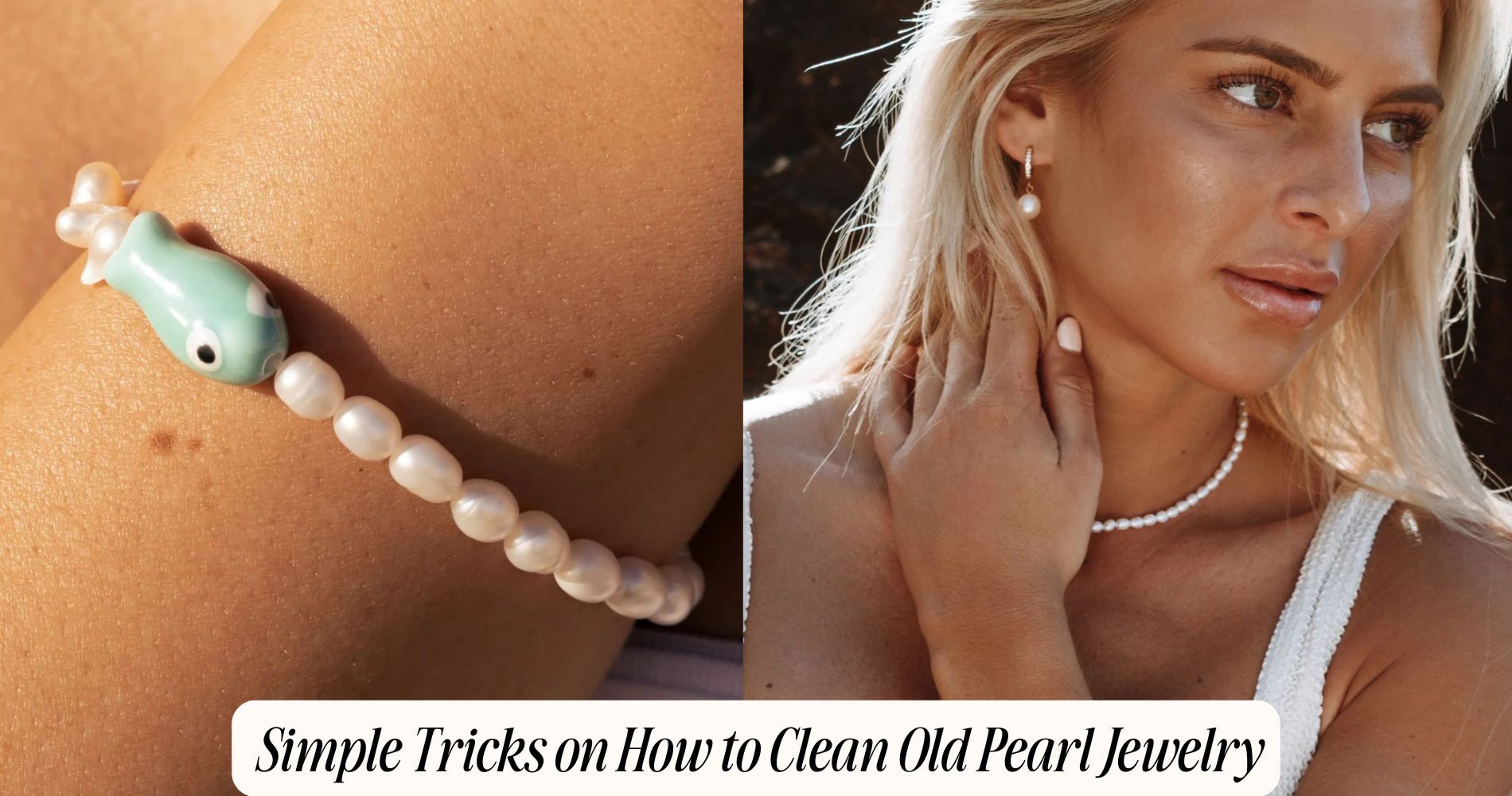
Simple Tricks on How to Clean Old Pearl Jewelry
If you're wondering how to clean old pearl jewelry, start by inspecting each piece under good light and gently wiping away dust with a dry, lint-free cloth. Mix lukewarm distilled water with a drop of pH-neutral dish soap, dampen a soft cloth, and carefully wipe every pearl—rotating the strand as you work so the silk doesn’t stretch. Follow with a barely damp clean cloth to remove residue, then lay the jewelry flat on a towel to air-dry. Avoid soaking, harsh chemicals, abrasives, steam, or ultrasonic cleaners, as these can damage pearls over time. And if the soft iridescence of pearls inspires you, you may also enjoy exploring Mother-of-Pearl Jewelry collection for pieces that pair beautifully with your freshly cleaned favorites.
Understanding What Makes Pearls So Delicate
Because pearls are formed inside living mollusks rather than mined like gemstones, their structure and composition make them uniquely vulnerable to damage during cleaning.
You’re dealing with an organic gem, built from microscopic aragonite platelets and conchiolin. This pearl composition creates beautiful luster but also a relatively soft surface, usually around 2.5–4.5 on the Mohs scale, so it scratches and abrades easily.
You must also account for environmental factors that gradually weaken pearls. Acids, alcohol, perfume, hair products, sweat, and even chlorinated water can etch or dehydrate nacre.

Excess heat or low humidity can cause crazing—fine surface cracks that permanently dull the finish. Understanding these material limits lets you evaluate risk before choosing any cleaning method or product.
How to Prepare Your Pearls for Safe At-Home Cleaning
Before you touch a cleaning cloth or bowl of water, examine your pearls and their settings so you know exactly what you’re working with.
Start with a detailed pre cleaning inspection under good light. Look for cracks, flaking nacre, discoloration, loose knots, stretched silk, or gaps between pearls. Note any fragile areas you’ll need to avoid stressing.
Check clasps, metal components, and any glued settings; if anything feels unstable, set that piece aside for professional service.
Wipe away loose dust with a clean, dry, lint‑free cloth only.
Next, prepare your workspace. Use a soft towel as a base so pearls don’t roll or chip.
Keep containers ready for safe storage afterward, ensuring each piece is separated to prevent surface abrasion.
Gentle Cleaning Methods Using Household Items
Once your pearls are inspected and staged, you can safely clean them with mild household materials that won’t strip their nacre or weaken their string.
Begin with a bowl of lukewarm distilled water and add a drop of pH‑neutral dish soap. Slightly dampen a soft, non‑abrasive cloth in the solution, then gently wipe each pearl, rotating the strand so you don’t tug the silk.
Use a fresh, barely damp cloth to remove soap residue, then lay the jewelry flat on a towel to air‑dry completely.
Don’t apply baking soda directly to pearls; instead, reserve it for gently cleaning metal clasps with a separate cloth. Likewise, if you use a diluted vinegar solution on metal components, keep it strictly away from the pearls themselves.
What to Avoid When Caring for Old Pearl Jewelry
Handled correctly, your cleaning routine protects pearls; handled carelessly, it can permanently etch nacre and weaken the string.
You must keep pearls away from harsh chemicals, including household cleaners, bleach, ammonia, vinegar, and acetone-based products. These agents attack the nacre surface, causing pitting, chalkiness, and loss of orient.
Never use abrasive materials such as baking soda, scrubbing powders, rough cloths, or toothbrushes. Abrasion microscratches the nacre, dulls luster, and accelerates wear on older, thinner coatings.

Don’t use ultrasonic or steam cleaners; vibration and heat can fracture nacre and compromise aged silk or nylon threads.
Avoid soaking pearl strands in water for extended periods, because moisture seeps into drill holes, swells the string, and promotes hidden structural weakness.
Long-Term Care Tips to Preserve Your Pearls’ Luster
Although cleaning restores surface brilliance, long-term luster depends more on how you wear, store, and service your pearls over time.
For effective pearl care, always put pearls on last and remove them first. Avoid direct contact with perfume, sunscreen, and hairspray; their solvents etch nacre and dull reflectivity.
For luster maintenance, gently wipe pearls with a soft, slightly damp, non-abrasive cloth after each wear to remove skin oils and acids.
Store strands flat, never hanging, to prevent stretching and fraying of the silk. Keep them in a soft pouch or fabric-lined box, separate from harder gemstones and metals.

Schedule professional restringing every 1–3 years, using silk thread with properly spaced knots to reduce friction and impact.
Frequently Asked Questions
Can I Safely Resize or Restring Antique Pearl Jewelry Without Damaging the Pearls?
You can, but you must treat resizing pearls and restringing pearls as conservation work. Use silk thread, knots between pearls, no ultrasonic cleaners, and let a qualified jeweler drill, clamp, or alter settings to prevent micro-fractures.
How Do I Tell if My Old Pearls Are Real or Imitation?
You distinguish real pearls by evaluating pearl characteristics—luster, overtone, surface, drill holes—then applying testing methods: tooth test (slight grit), magnification for nacre layers, weight comparison, and, for certainty, professional gemological X-ray or spectroscopy analysis.
Are Professional Pearl Restoration Services Worth the Cost for Heirloom Pieces?
Yes, they’re usually worth it for heirloom pieces. You protect long‑term pearl valuation, get expert restoration techniques, prevent over‑polishing, and guarantee correct restringing, knot spacing, and clasp assessment that you realistically can’t replicate with at‑home methods.
How Should I Insure Valuable Vintage or Inherited Pearl Jewelry?
You insure valuable vintage pearls by first obtaining a written gemologist appraisal; apply these appraisal tips to document origin, condition, and photos. Then compare scheduled personal property insurance policies, confirming agreed-value coverage, worldwide protection, and no depreciation on claims.
Can Old Pearls Be Re-Dyed or Recolored Without Ruining Them?
You technically can, but you shouldn’t: modern pearl dyeing methods often penetrate nacre unevenly, worsen micro-cracks, and raise serious colorfastness concerns. Consult a pearl specialist; prioritize restringing, gentle cleaning, or replacing damaged pearls instead.
Conclusion
Now you know how to clean old pearl jewelry without stripping its nacre or weakening its stringing. When buildup appears, you’ll prep the piece, use only mild agents, work methodically, and dry it thoroughly. You’ll also avoid harsh chemicals, ultrasonic cleaners, and abrasive tools that permanently scar pearls. With proper storage, occasional restringing, and gentle wear, you’ll keep your pearls structurally sound and maintain their natural luster for decades.









Leave a comment
This site is protected by hCaptcha and the hCaptcha Privacy Policy and Terms of Service apply.