

Can You Use Silver Jewelry Cleaner on Pearls?
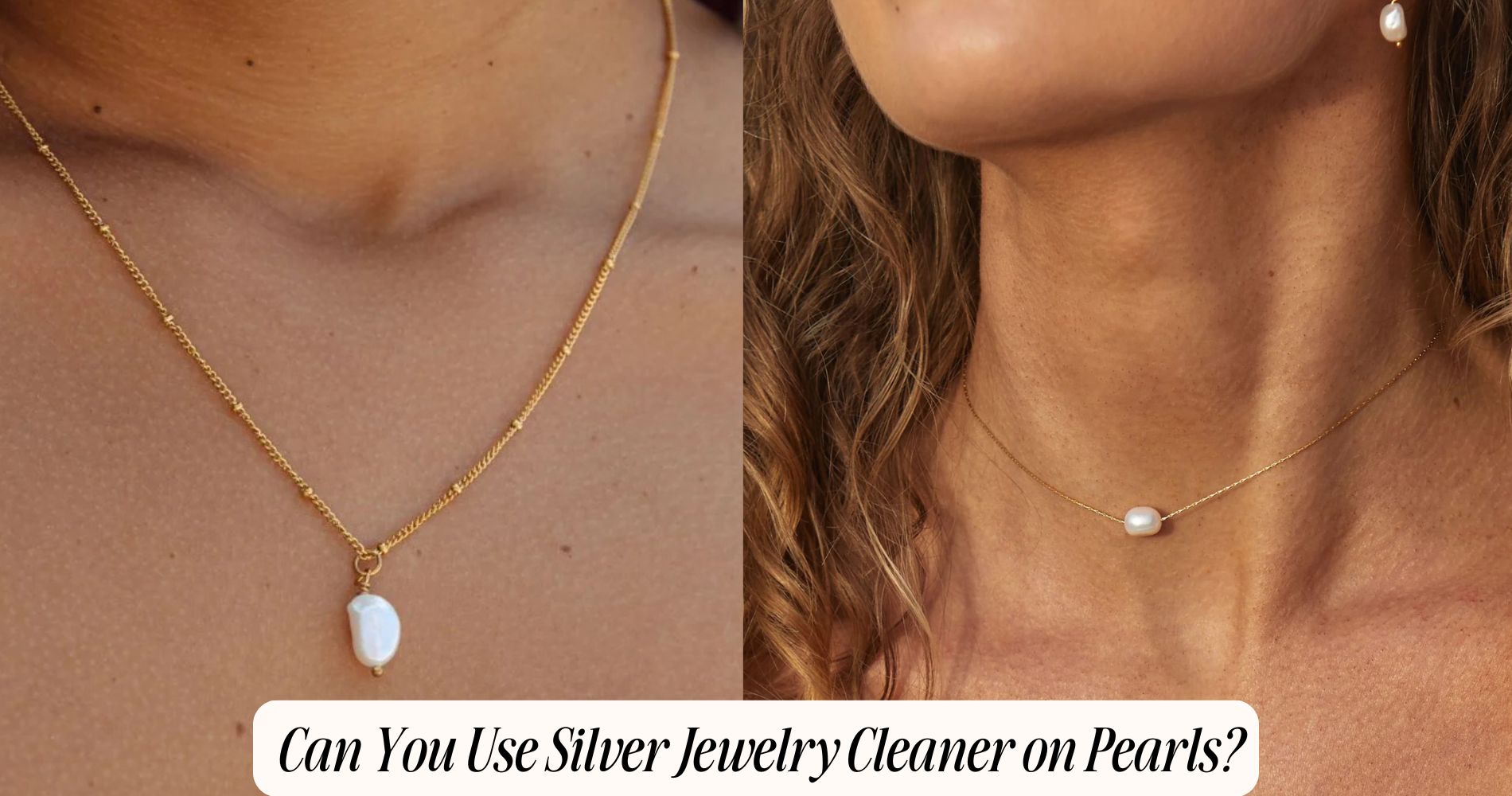
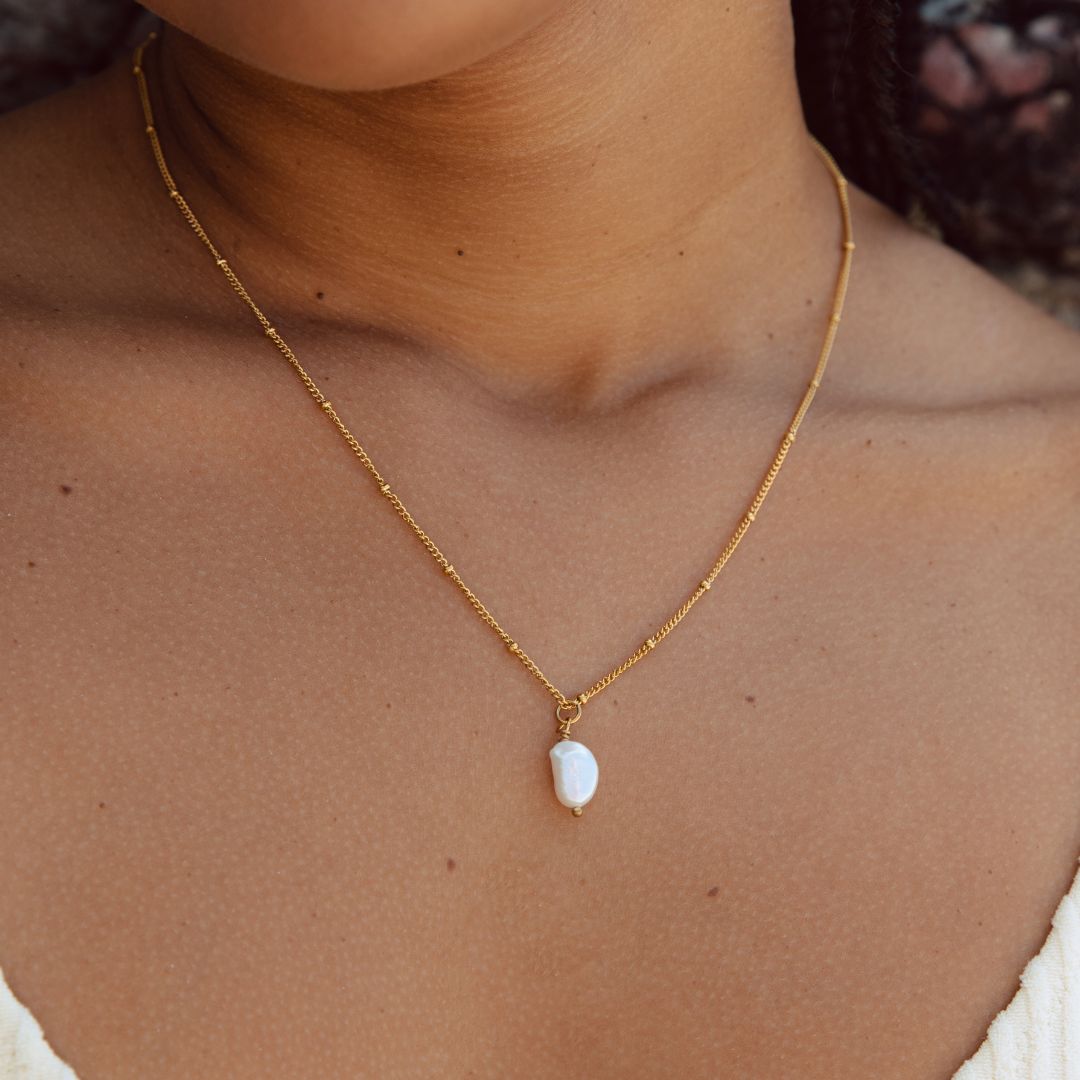
Can You Use Silver Jewelry Cleaner on Pearls? Absolutely not—and there’s a very important reason why. Standard silver cleaners contain harsh chemicals that can erode a pearl’s nacre, dull its natural shine, and leave behind microscopic pits or chalky patches. These liquids can also seep into drill holes and beneath metal settings, weakening the pearl from the inside. A safer approach is to gently clean pearl-set silver using a soft cloth, lukewarm water, and mild non-citrus soap, keeping contact brief—especially if you own delicate pieces like Single Pearl Necklace. Protecting pearls is all about choosing methods that preserve their beauty, not harm it.
Why Pearls and Silver Don’t Play by the Same Rules
Although pearls and silver often share the same piece of jewelry, they behave very differently at a chemical and structural level.
When you look at pearl composition, you’re dealing with an organic, biomineral material: tightly packed aragonite platelets bound with conchiolin proteins and water. This layered, microstructured surface is relatively soft, porous, and slightly alkaline-reactive.
Silver properties contrast sharply. Sterling silver is an alloy, typically 92.5% silver with copper or other metals added for hardness. Its surface tarnish forms through reactions with sulfur compounds in the air, creating silver sulfide.

That tarnish layer is dense, adherent, and chemically distinct from the underlying metal. Because these materials differ so completely, they respond to moisture, pH, and solvents in incompatible ways.
How Silver Jewelry Cleaners Work—and Why They’re Harsh on Pearls
Commercial silver jewelry cleaners strip tarnish by using aggressive chemistry that pearls can’t tolerate.
These solutions rely on specific cleaning agents—often thiourea, surfactants, and strong pH modifiers—to dissolve silver sulfide tarnish rapidly. Their chemical composition is optimized to break sulfur bonds and chelate metal ions on the silver’s surface.
When you immerse silver in these liquids, the cleaner targets tarnish through redox reactions and complex formation, fundamentally re-exposing bare metal.
That same chemistry doesn’t distinguish between tarnish and delicate biomineral surfaces. Because pearls are built from calcium carbonate crystals bound with organic matrix, they react poorly to extremes in pH, reactive sulfur compounds, and solvent systems.
What’s ideal for solid sterling becomes inherently incompatible with an organic, micro-layered gem like a pearl.
Risks of Using Silver Cleaner on Pearl Strands and Settings
That same chemistry that strips tarnish from silver starts actively destroying pearls once they’re exposed to it, and the damage isn’t just theoretical.
The cleaner attacks nacre, roughening the surface, dulling luster, and creating microscopic pits that permanently degrade pearl safety and value.
On strands, liquid cleaner seeps into drill holes, where it can weaken or dissolve the organic core and wick along the silk or nylon.
That contact embrittles thread, causing sudden breakage and loss—an obvious jewelry maintenance failure.

In mounted settings, capillary action pulls cleaner under bezels or cups, where it remains trapped against the pearl, accelerating etching and discoloration.
Over time, you’ll see chalky patches, ring-like burn marks, and irreversible surface erosion.
Safe Methods to Clean Silver Jewelry Set With Pearls
When you need to clean silver jewelry that’s set with pearls, you must treat it as a composite piece and prioritize the pearl’s vulnerability over the metal’s convenience. You never immerse the entire piece in silver solution. Instead, isolate the metals and control chemical exposure.
First, prepare a barely damp, soft cloth with lukewarm water and a drop of mild, non-citrus soap. Wipe only the silver components you can reach without dragging moisture over the pearls.
For targeted silver protection, you may apply a silver-cleaning cloth to the metal sections while shielding each pearl with your fingers or a dry microfiber barrier.
Immediately pat the whole piece dry, then allow it to air-dry fully before returning it to storage—crucial for long-term pearl maintenance.
Gentle Cleaning and Everyday Care Tips for Pearl Jewelry
Although pearls appear smooth and durable, their nacre is porous and easily etched by acids, abrasives, and sudden temperature changes.
So your everyday care routine must focus on prevention rather than aggressive cleaning. For sound pearl care, put pearls on last and take them off first, avoiding perfume, hairspray, sunscreen, and cosmetics.
After each wear, wipe them gently with a soft, slightly damp, lint‑free cloth to remove sweat and skin oils.
Then air‑dry flat before storing. For routine jewelry maintenance, never use ultrasonic cleaners, steam, silver dips, or baking soda.
Store pearls separately in a soft pouch or fabric‑lined box, never in plastic bags, to prevent dehydration and scratching from harder gems or metal components.
When to Seek Professional Help for Pearl and Silver Pieces
Even with meticulous home care, pearl and silver jewelry eventually needs professional attention to stay structurally sound and visually consistent.
You should seek a professional assessment when you notice stretched or fraying silk threads, gaps between pearls, loose clasps, or silver components that feel fragile, deeply scratched, or considerably misshapen.
Consult a specialist if pearls appear blotchy, heavily yellowed, or show surface pitting, because aggressive polishing or household chemicals can worsen the damage.
A qualified jeweler can determine whether restringing, replacement of findings, or targeted jewelry restoration is appropriate, and they’ll use pearl‑safe techniques and controlled polishing on silver.

You should also get pieces inspected professionally every 1–2 years to detect hidden wear before it leads to breakage or loss.
Frequently Asked Questions
Can Ultrasonic Jewelry Cleaners Be Safely Used on Pearl and Silver Combinations?
You shouldn’t use ultrasonic cleaners on pearl and silver combinations. Ultrasonic cleaner safety guidelines warn pearls can crack or detach. For pearl silver maintenance, clean pearls gently with a damp cloth and polish silver separately using mild, non-ammoniated products.
How Do I Store Mixed Pearl and Silver Jewelry to Prevent Damage?
You store mixed pearl and silver pieces separately in soft, non-abrasive pouches, ensuring proper storage away from humidity. Use compartmentalized jewelry organization trays, avoid plastic bags, chemicals, and extreme temperatures, and lay strands flat to prevent stretching.
Are There Eco-Friendly or Homemade Alternatives to Commercial Silver Cleaners for Pearl Pieces?
You can use homemade solutions and eco friendly options: gently wipe silver with a soft cloth dampened in mild soap and distilled water, keeping pearls dry; avoid abrasives, acids, baking soda, vinegar, ammonia, and ultrasonic devices.
How Can I Tell if My Pearls Are Real Before Choosing a Cleaning Method?
You first inspect luster, surface texture, drill holes, and weight, then apply pearl identification techniques: tooth-rub “grit” test, magnification, and comparison. For definitive authenticity testing methods, request gemological X-ray or spectroscopy from a certified laboratory.
Does Jewelry Insurance Cover Damage Caused by Improper Pearl or Silver Cleaning?
Your policy usually won’t cover damage from improper cleaning because insurers treat it as negligence, not a covered peril. You’d likely fund repairs yourself, and any jewelry protection or insurance claims could even be denied or policy canceled.
Conclusion
You shouldn’t use silver jewelry cleaner on pearls—its chemicals and abrasives can permanently etch, dull, or loosen them. Instead, clean pearl-and-silver pieces with a damp, soft cloth, mild diluted soap, and careful drying. Store them separately, avoid harsh products and ultrasonic cleaners, and put pearls on last after cosmetics. For visibly tarnished silver around valuable or antique pearls, rely on a professional jeweler who understands both materials and uses conservation-grade methods.









Leave a comment
This site is protected by hCaptcha and the hCaptcha Privacy Policy and Terms of Service apply.