

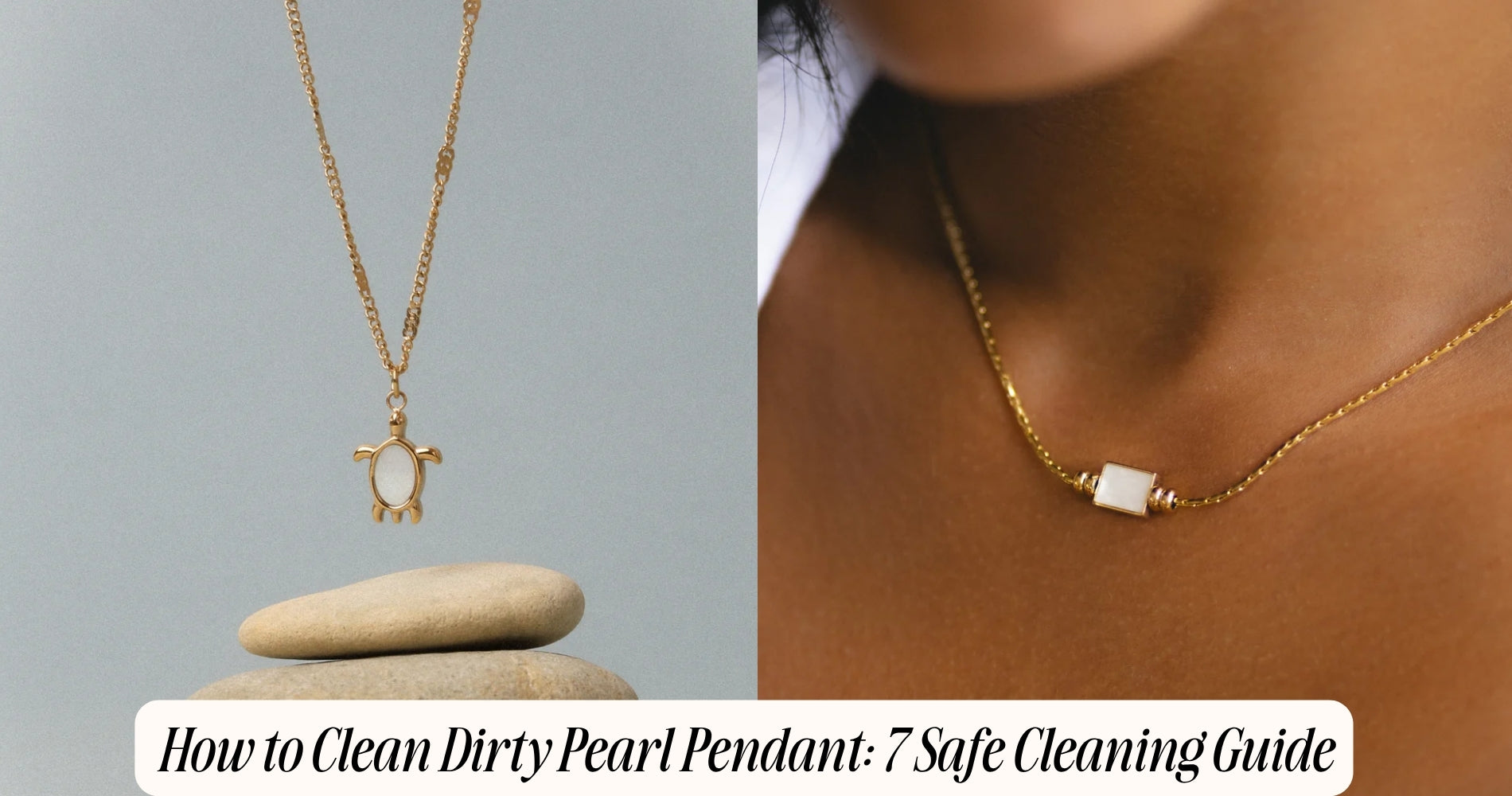
How to Clean Dirty Pearl Pendant: 7 Safe Cleaning Guide
A pearl pendant that has gone dull or slightly grimy looks worse than it needs to, and most of the time the fix is genuinely simple, provided you use the right method. Pearls are softer and more sensitive than metal or hard gemstones, which means how to clean a dirty pearl pendant correctly requires a gentler approach than the soaking and scrubbing that works fine on other jewelry. Freshwater Pearls Jewelry is worn regularly enough that knowing this correct method matters for keeping any pearl piece looking its best. This guide walks through seven safe steps for cleaning a dirty pearl pendant, what causes pearls to look dull in the first place, and how to keep buildup from returning quickly.
Why Pearl Pendants Get Dirty
Before the cleaning steps, it helps to know what you are actually removing, since pearls accumulate grime differently than metal jewelry does.
Pearls sit close to skin, typically at the base of the neck or on the chest, an area that produces sweat, skin oil, and comes into frequent contact with perfume, lotion, and other skincare products. Nacre, the material that gives pearls their luster, has a slightly porous surface at a microscopic level, which means these oils and products settle into that surface texture rather than simply sitting on top of it the way they would on polished metal. Over time, this buildup dulls the pearl's natural glow, making it look flat, slightly yellowed, or grimy even though the pearl itself has not been damaged.
This is why pearls need more frequent, gentler attention than an occasional deep clean. The goal with any pearl cleaning method is removing this surface buildup without introducing moisture, chemicals, or abrasion that could affect the nacre itself.

Before You Start: What Never to Do With a Pearl Pendant
A few methods that work well on other jewelry actively damage pearls and should be avoided entirely.
Never soak a pearl pendant in any liquid, including plain water for extended periods. Pearls are held onto their setting, often by a small drilled hole and a peg or glue bond, and prolonged moisture exposure can weaken that bond over time in addition to potentially affecting the nacre surface itself. Never use an ultrasonic cleaner on pearls, since the vibration can crack the nacre or loosen the pearl from its setting. Never use any acidic cleaner, including vinegar or lemon juice, since pearls are calcium carbonate at their base and acids actively dissolve that material, causing permanent damage. Never use abrasive cleaners or scrubbing tools, including toothpaste or a stiff-bristled brush, both of which physically scratch the relatively soft nacre surface.
How to Clean a Dirty Pearl Pendant: 7 Safe Steps
Step 1: Inspect the pendant first. Look closely at the pearl and its setting under good light before cleaning anything. Check whether the pearl feels secure in its setting and look for any visible cracks or chips in the nacre. This matters because a pearl with a compromised setting needs professional attention rather than home cleaning, which could worsen an existing problem.
Step 2: Wipe away surface residue with a dry, soft cloth. Before introducing any moisture, gently wipe the entire pearl surface with a soft, lint-free cloth, a microfiber cloth or a piece of clean flannel both work well. This removes loose surface dust and light residue and often improves the pearl's appearance noticeably on its own, particularly if the dullness was mostly surface dust rather than embedded oil.
Step 3: Dampen a second cloth very slightly. If dry wiping alone does not fully restore the pearl's appearance, dampen a clean, soft cloth with plain water, just enough that it is faintly moist rather than wet. Wring out any excess thoroughly before it touches the pearl.

Step 4: Wipe the pearl gently in one direction. Using the barely damp cloth, wipe the pearl's surface gently, following a single consistent direction rather than a circular scrubbing motion, which can push grime into the surface texture rather than lifting it away. Apply light pressure only, never force or scrub.
Step 5: Address the setting separately. The metal setting around the pearl can be cleaned more thoroughly than the pearl itself, since most metals tolerate cleaning better. Use a cloth dampened with a small amount of mild soap solution to clean the metal specifically, taking care to keep this cloth away from direct contact with the pearl itself, particularly at the point where the pearl meets the setting.
Step 6: Dry immediately and completely. Pat the pearl dry with a fresh, dry, soft cloth right after the damp wipe, rather than letting it air dry. Any residual moisture left on a pearl for an extended period is more likely to affect the setting bond than a quick, thoroughly dried wipe.
Step 7: Let it rest before storing. Allow the pendant a few additional minutes of air exposure in a dry spot before placing it back in storage, ensuring no trace moisture remains anywhere on the piece, particularly around the setting, before it goes into a jewelry box or pouch.
What to Use Instead of Water for Stubborn Buildup
For a pearl pendant with more stubborn buildup that a barely damp cloth does not fully resolve, a few gentle alternatives work without introducing the risks of soaking or harsh chemicals.
A small amount of cornstarch can be gently dusted onto the pearl surface, left for a minute or two to absorb oil, then brushed away carefully with a soft, dry makeup brush. This method lifts oil-based residue without any moisture involved at all, making it one of the gentlest options for pearls with a genuinely oily film rather than simple dust.
A specialty pearl cleaning cloth, pre-treated and sold specifically for pearls rather than general jewelry polishing cloths, provides a slightly more effective clean than a plain soft cloth while still avoiding moisture and abrasive contact. These are inexpensive and worth having on hand if you wear pearl jewelry regularly.

How Often to Clean a Pearl Pendant
Wipe the pearl with a dry, soft cloth after every single wear, a habit that takes seconds and prevents the kind of accumulated buildup that eventually requires a more involved cleaning session. This single habit matters more for pearls than for almost any other jewelry material, since the porous nacre surface accumulates oils and residue more readily than polished metal or hard gemstones.
Beyond the after-wear wipe, a more thorough clean using the damp cloth steps above is generally only needed every few weeks for pearls worn regularly, or whenever the pendant starts to look visibly dull despite regular dry wiping.
Preventing Buildup Between Cleanings
A few habits reduce how quickly a pearl pendant gets dirty in the first place, which reduces how often deeper cleaning is needed.
Apply perfume, lotion, and hairspray before putting the pendant on rather than after, giving products time to settle into skin before they have any opportunity to transfer directly onto the pearl surface. Remove the pendant before showering, swimming, and exercising, since sustained water exposure and heavy sweat both accelerate the buildup process significantly compared to normal daytime wear. Store the pendant in a soft pouch or a dedicated compartment away from other jewelry, both to prevent buildup from dust and other jewelry contact, and to prevent scratching from harder pieces stored alongside it.
Caring for the Metal Alongside the Pearl
While the pearl itself needs gentle, careful handling, the setting and chain of a pearl pendant benefit from more thorough regular cleaning, and the two components genuinely age differently over time depending on the setting metal.
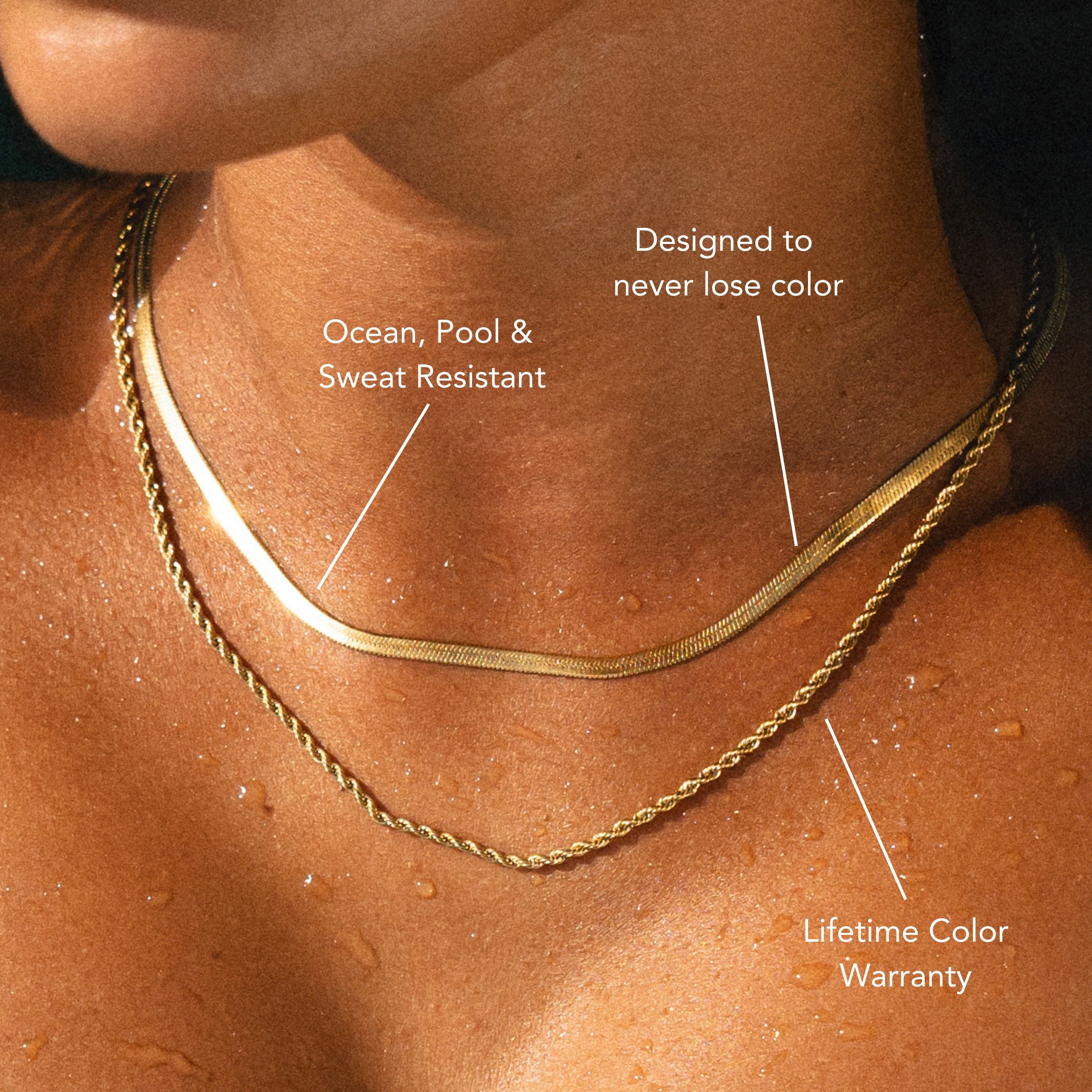
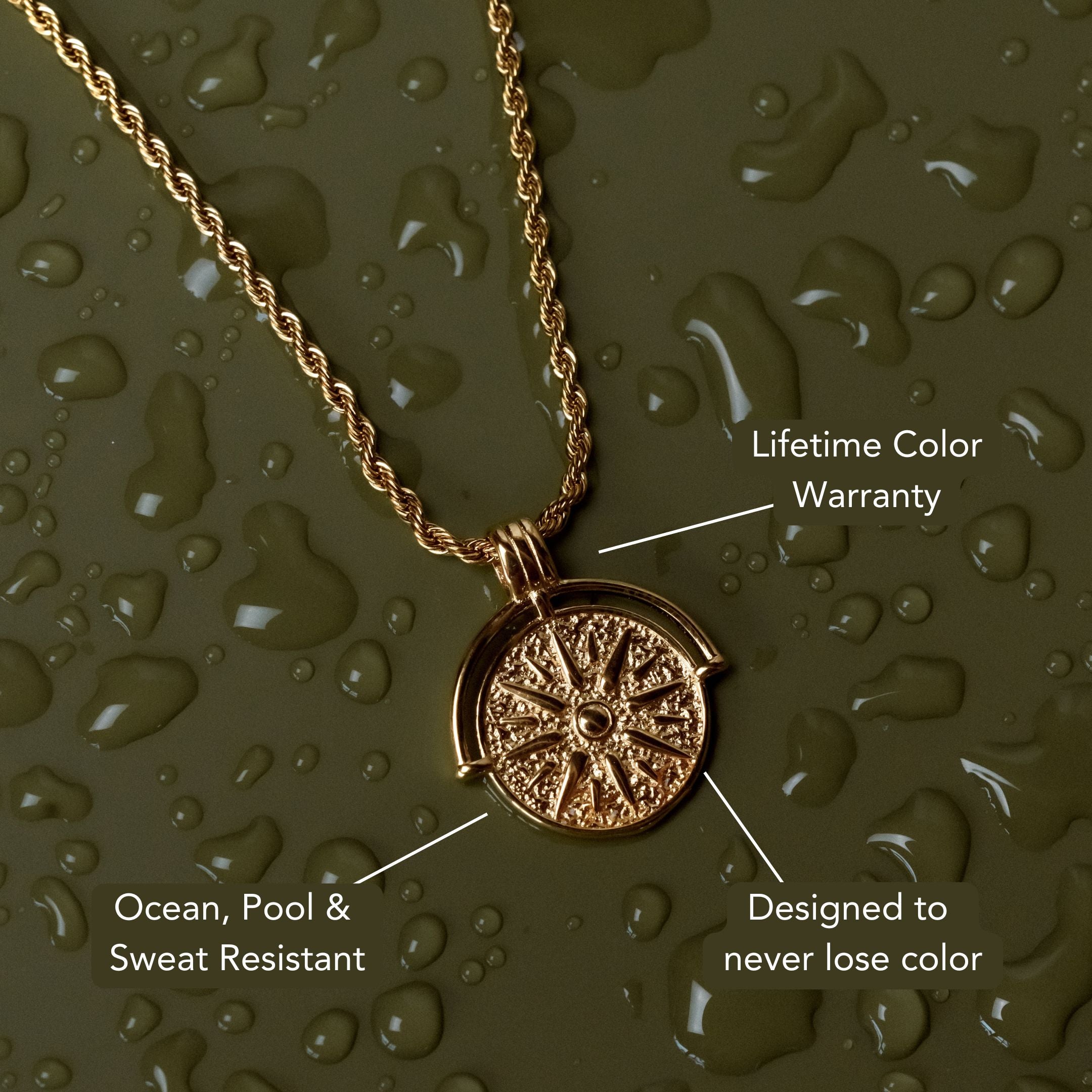
A setting in a metal that tarnishes, sterling silver in particular, can develop discoloration that makes the entire pendant look dirty even when the pearl itself is perfectly clean, which means part of what looks like a dirty pearl pendant is sometimes actually a tarnished setting rather than the pearl. A setting in PVD-coated stainless steel does not tarnish the way silver does, which keeps the metal framing the pearl looking consistently clean between the gentle pearl-specific cleanings described above, without adding a second maintenance routine on top of pearl care itself. ATOLEA's freshwater pearl pieces pair genuine nacre with that waterproof metal construction, backed by a lifetime color warranty on the metal elements of every piece.

Frequently Asked Questions
Can I use soap and water to clean a pearl pendant?
Not by soaking. A very small amount of mild soap can be used on a barely damp cloth to clean the metal setting specifically, kept away from direct contact with the pearl itself. The pearl surface should be cleaned with only plain water on a barely damp cloth, or a dry cloth alone, never a soap solution applied directly to the nacre.
How do you remove yellowing from a pearl pendant?
Mild yellowing from surface oil buildup often improves significantly with regular dry cloth wiping and occasional gentle cleaning with a barely damp cloth. Yellowing that does not respond to gentle home cleaning may indicate deeper discoloration within the nacre itself, which requires professional pearl restoration rather than home methods, since aggressive home treatments risk further damage.
Is it safe to clean pearls with alcohol or vinegar?
No. Vinegar and other acidic substances dissolve the calcium carbonate that makes up pearl nacre, causing permanent damage. Alcohol dries out the pearl's surface and can affect the organic conchiolin protein that binds nacre layers together. Plain water on a barely damp cloth is the only liquid that should contact a pearl directly.
How often should a pearl pendant be cleaned?
Wipe with a dry, soft cloth after every wear, which takes only a few seconds and prevents most buildup from accumulating in the first place. A more thorough clean using a barely damp cloth is generally needed only every few weeks for regularly worn pearls, or whenever the pendant looks visibly dull despite consistent dry wiping.
Why does my pearl pendant look dirty even after cleaning the pearl?
If the pearl itself is clean but the pendant still looks dull or discolored, the setting metal may be the actual source, particularly if it is sterling silver, which tarnishes over time independently of the pearl. Cleaning the metal setting separately, using a cloth with a small amount of mild soap kept away from the pearl, often resolves this.
Restoring the Shine Safely
How to clean a dirty pearl pendant comes down to gentleness at every step: dry wipe first, a barely damp cloth only if needed, single-direction wiping rather than scrubbing, and immediate thorough drying rather than air drying. Avoiding soaking, acids, ultrasonic cleaners, and abrasive tools protects the nacre from the kind of damage that cannot be undone. Combined with a quick after-wear wipe as a standing habit, this approach keeps a pearl pendant looking genuinely lustrous without ever putting the pearl itself at risk.









Leave a comment
This site is protected by hCaptcha and the hCaptcha Privacy Policy and Terms of Service apply.