


How Much Jewelry Is Too Much: Simple Styling Tips
Most of us have stood in front of the mirror, fully dressed, wondering whether one more necklace or a few extra bracelets would finish the look or ruin it. So how much jewelry is too much? The honest answer is that there is no fixed number. Some people look best with a single ring, while others glow in a full stack of chains, bangles, and earrings. What matters is balance, intention, and comfort. If you like building looks with pieces that handle everyday life, our Waterproof Jewelry collection offers plenty of options to mix and match.
In this guide, we will share easy styling principles, signs you may have overdone it, and ways to edit your look with confidence.
There Is No Magic Number, but There Are Helpful Guidelines
Jewelry rules are really guidelines. A simple outfit can handle more jewelry than a busy one, and a casual setting is more forgiving than a formal one. Your personal style matters most. If you love bold, layered looks, that is a perfectly valid way to dress.
As a starting point, many people find that three to five visible pieces work well for everyday wear, such as earrings, one or two necklaces, a bracelet, and a ring. Treat this as a loose baseline you can stretch or shrink, depending on your outfit and taste.
Choose One Clear Focal Point and Let Everything Else Support It
The most reliable way to avoid overdoing it is to pick a focal point. This is the piece you want people to notice first, whether that is statement earrings, a chunky necklace, or a wide cuff. Everything else should be quieter.
If your earrings are bold, keep your necklace simple or skip it. If your necklace is the star, choose smaller earrings. A look with several equally loud pieces competes for attention and can feel cluttered, while a look with one hero piece feels intentional.

Balance Your Jewelry Across Different Areas of the Body
Think of your jewelry in zones: ears, neck, wrists, and hands. A pleasing look often has a mix of statement and subtle across these zones, rather than loud pieces in all of them.
For example, you might pair bold earrings with a delicate bracelet and one ring, leaving the neck bare. Or you might layer several necklaces and keep your ears and wrists simple. Spreading attention evenly across every zone can make a look feel busy, so give some areas room to breathe.
Let Your Outfit Decide How Much Jewelry It Can Handle
Your clothes set the stage. Matching your jewelry to your outfit helps you judge the right amount.
- Plain, solid outfits: These can carry more jewelry, since there is less competing visual detail.
- Busy patterns or heavy embellishment: Keep jewelry minimal so the clothes remain the focus.
- High necklines: These often look best without a necklace, so earrings and bracelets can carry the look.
- Low or open necklines: These offer more room for necklaces and layering.
Glancing in the mirror and asking whether your accessories and your clothes are fighting for attention is a quick way to check.

Match the Amount of Jewelry to the Occasion
Different settings call for different levels. For work, many people prefer understated pieces such as small earrings, a thin necklace, and a watch or simple bracelet. For casual weekends, you can be more playful with stacks and colors. For formal events, one or two refined statement pieces usually look more elegant than many smaller ones.
Context also matters practically. If you work with your hands, large rings and dangling bracelets may be impractical. If you will be dancing or moving a lot, secure, comfortable pieces make the most sense.
Pay Attention to Scale and Proportion
Size matters as much as quantity. Jewelry that is too large can overwhelm a petite frame or a delicate outfit, while very tiny pieces may disappear against a bold look.
Vary your scale for a pleasing effect. Pair a larger piece with several smaller ones, and avoid wearing many large pieces at once. Aim for visual breathing room between items so each can be seen.
Keep Metals, Colors, and Styles Cohesive
A cohesive look makes more jewelry feel intentional. Repeating a metal tone, a color, or a style across your pieces ties them together. Mixed metals can look modern and stylish if each tone appears at least twice.
Too many unrelated styles at once, such as rustic beads, sleek geometric pieces, and ornate vintage items, can feel scattered. Try to keep one or two common threads, like similar metal tones or a shared theme.

Recognize the Signs That You May Have Overdone It
A few signals suggest you might want to remove something.
- Pieces overlap and compete: Necklaces tangle, bracelets clash, or earrings fight with a statement necklace.
- You feel weighed down: Heavy jewelry can tug on ears and necks and feel uncomfortable.
- Noise and distractions: Jingling bracelets or swinging pieces can be distracting in quiet settings.
- You keep adjusting things: If you are constantly fixing tangles or straightening pieces, there may be too many.
- The jewelry upstages you: If people notice the jewelry before anything else, the look may be too busy for your goals.
Use the Mirror Test and Take One Piece Off Before Leaving
A simple habit can improve almost any look. After you finish getting dressed, take a moment at the mirror. Ask whether each piece adds something. If a piece feels redundant or crowded, remove it.
Many people find that taking off one item, often the last one added, instantly makes a look feel more polished. Of course, if you love the layered effect, trust your own eye.
Layer and Stack With Intention
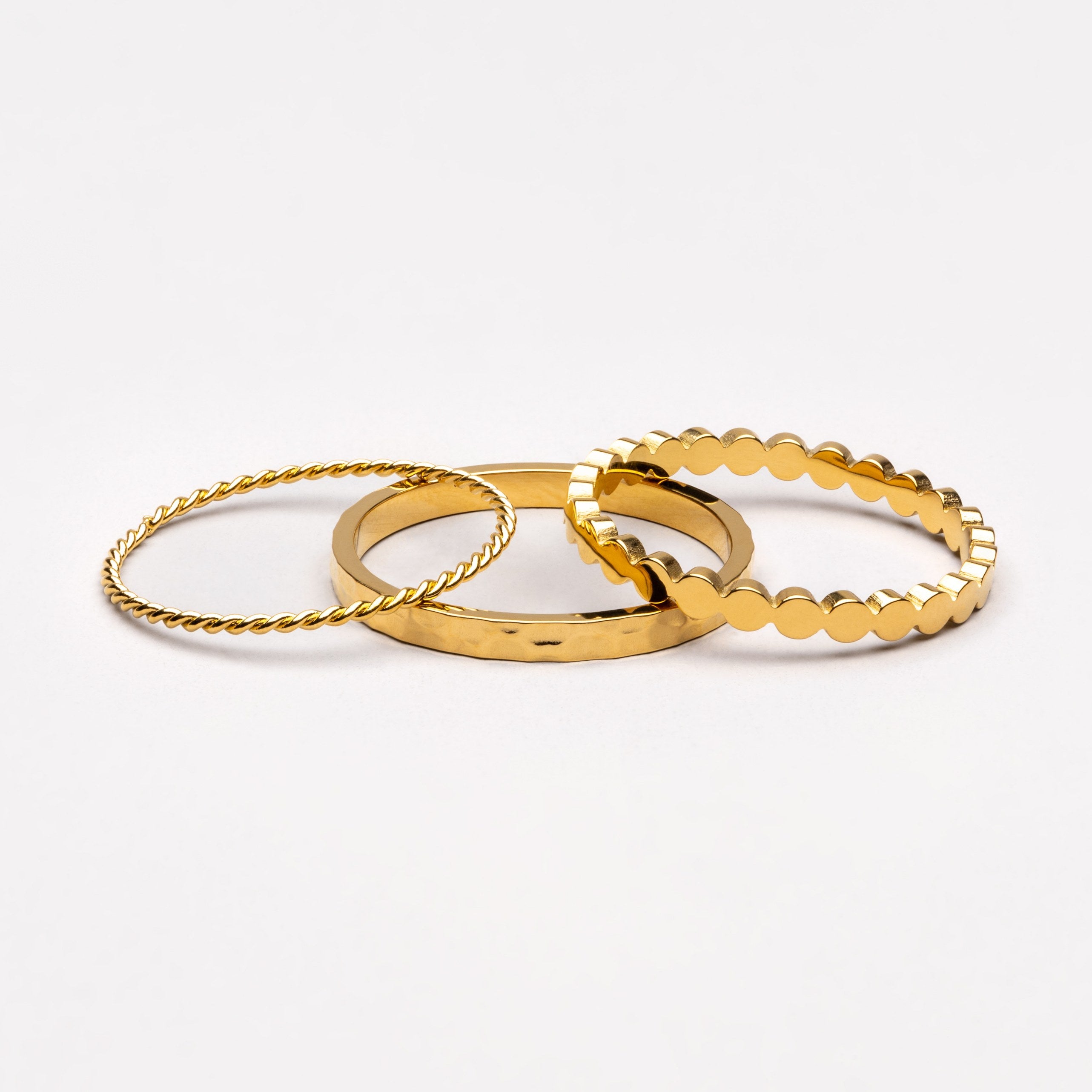
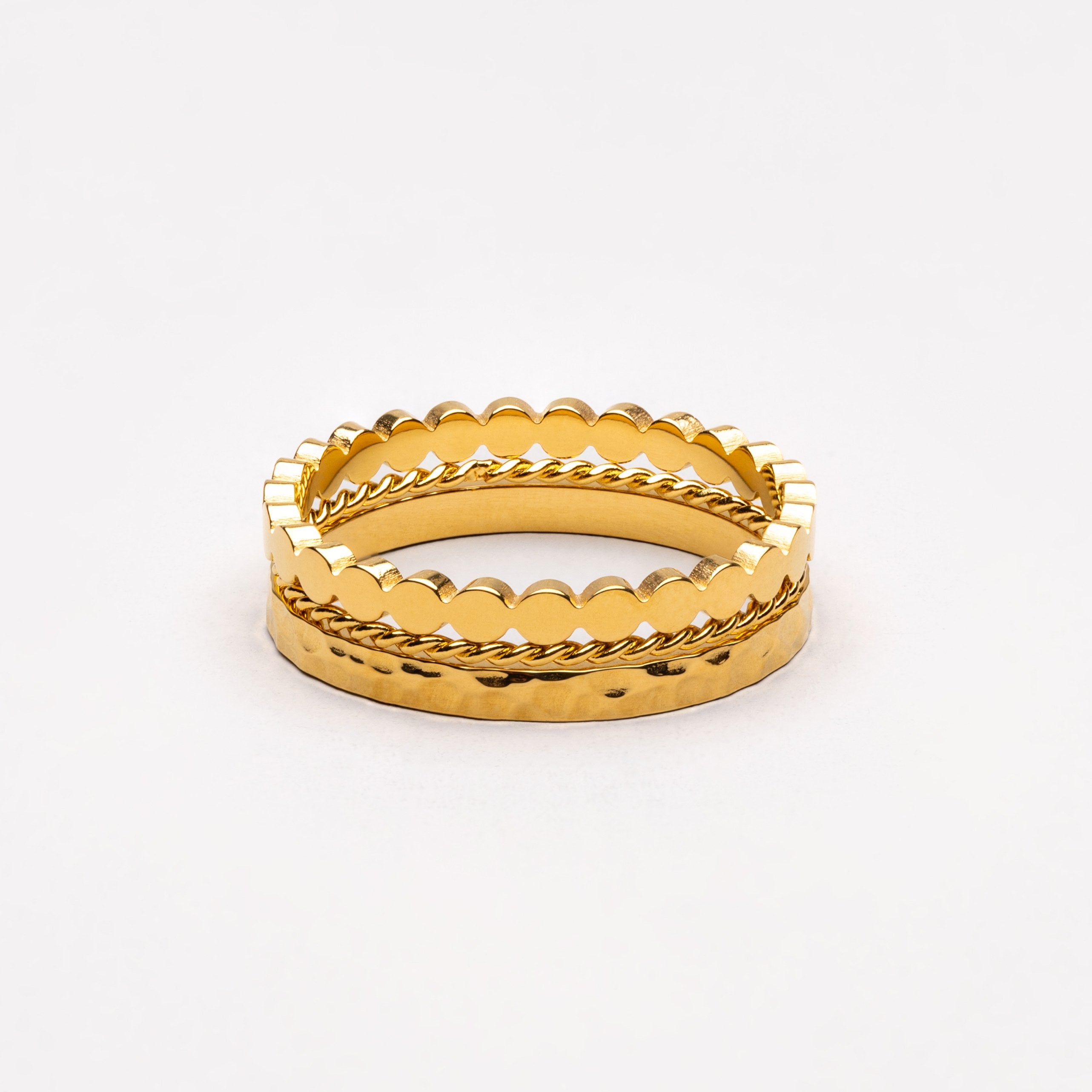
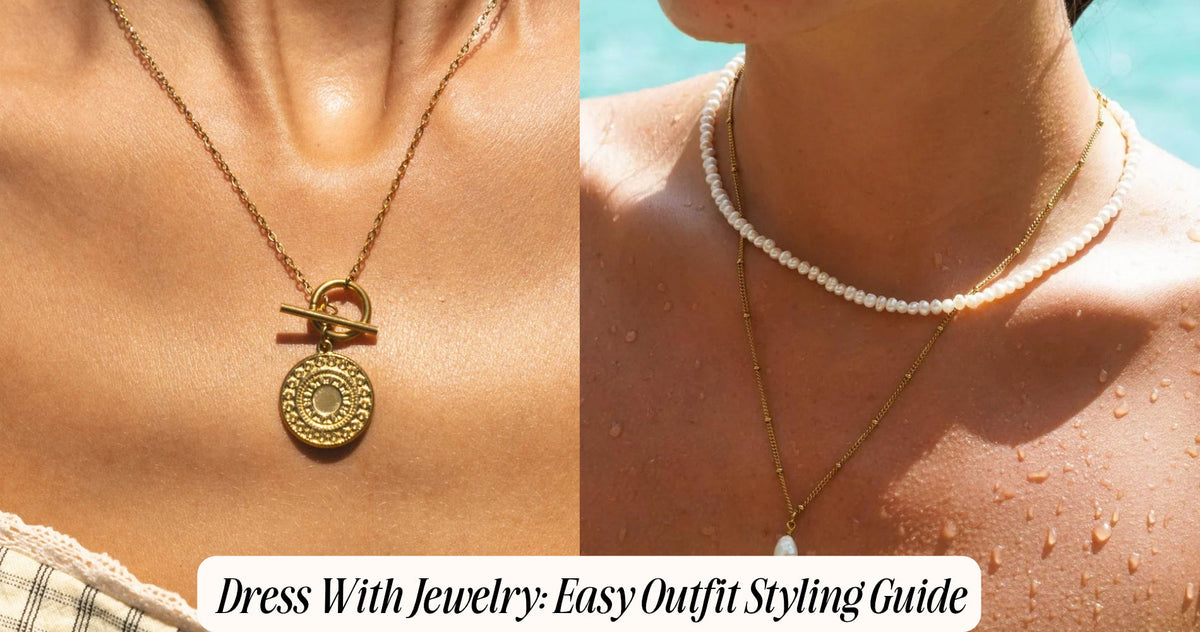
Layering is one of the most popular ways to wear more jewelry without chaos. For necklaces, vary the lengths so chains do not overlap, and mix thin and slightly thicker chains. For bracelets, combine different widths and textures, and keep one as the focal piece. For rings, spread them across fingers rather than stacking everything on one.
Layering works best when pieces share a common element, such as metal tone or style.
Embrace Your Own Style Whether Minimalist or Maximalist
Some people feel most themselves in simple, pared back jewelry, while others love a rich, layered look. Neither is wrong. The idea of too much is partly personal, and partly about context.
If you are a maximalist, you may build stacks and layers with confidence, using cohesion and balance to keep things polished. If you prefer minimalism, you might wear one meaningful piece daily. Choose what makes you feel comfortable and expressive.

Final Thoughts
So, how much jewelry is too much? It is too much when pieces compete, feel uncomfortable, or overpower your outfit and the occasion. A reliable approach is to choose a focal point, balance the different areas of your body, match your outfit and setting, and keep things cohesive.
Above all, wear what makes you feel confident. With a little editing, any amount of jewelry can look polished and intentional.
Frequently Asked Questions
1. How many pieces of jewelry should I wear at once?
There is no fixed rule, but three to five visible pieces is a comfortable baseline for everyday wear that you can adjust to your style and outfit.
2. Can I wear statement earrings and a statement necklace together?
It usually looks best to choose one focal point. Pair bold earrings with a simple necklace, or a bold necklace with smaller earrings.
3. How do I know if I am wearing too much jewelry?
Warning signs include pieces that tangle or clash, a heavy or uncomfortable feel, distracting noise, and jewelry that overpowers your outfit.
4. Is it okay to mix metals and styles?
Yes, as long as the look feels cohesive. Repeat each metal tone at least twice and keep a shared thread among your pieces.
5. What is the easiest way to edit my jewelry before leaving the house?
Check the mirror and remove one piece, often the last one you added, if it feels redundant or crowded.










Leave a comment
This site is protected by hCaptcha and the hCaptcha Privacy Policy and Terms of Service apply.