

How Do You Know If a Chain Is Real Silver: Simple Checks That Work
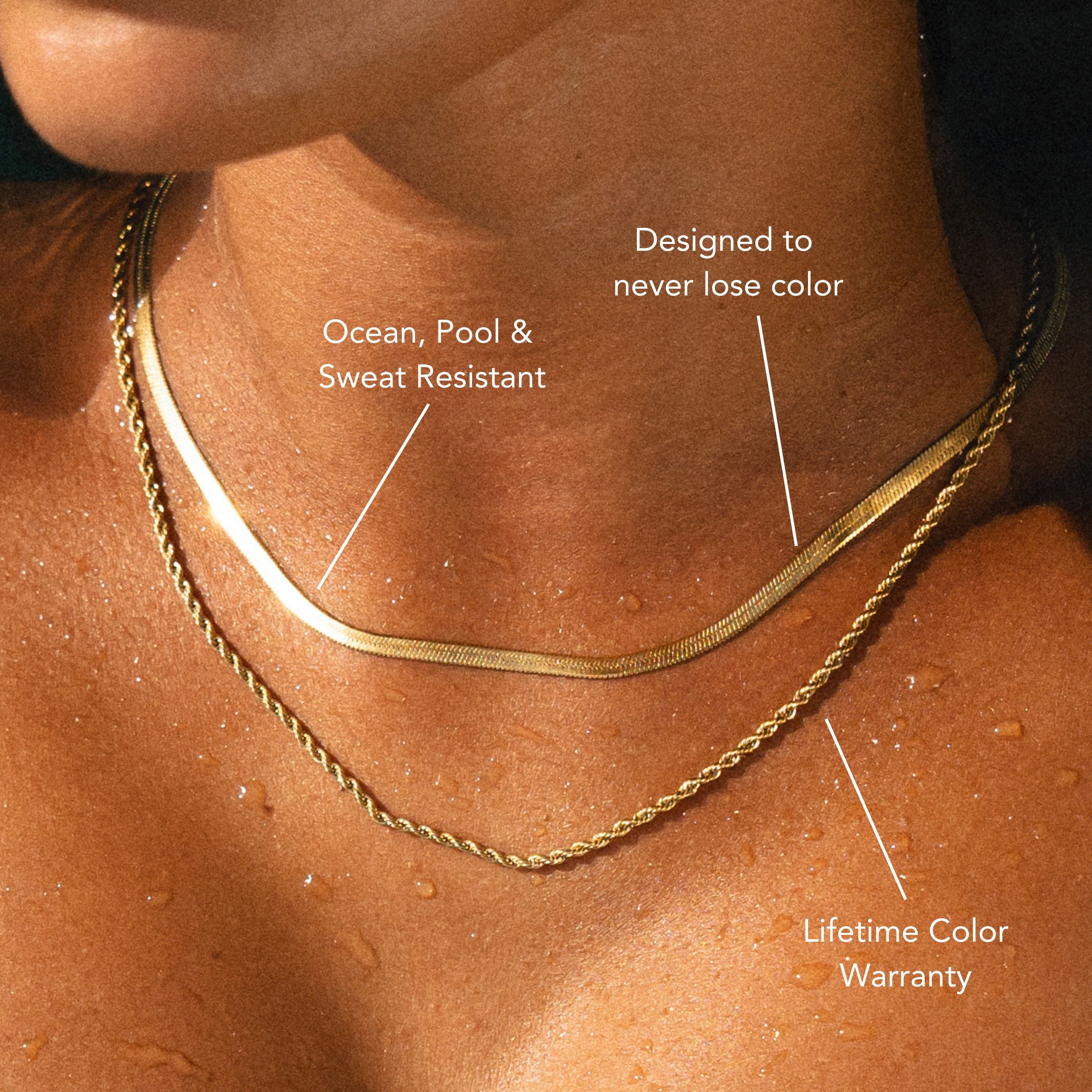
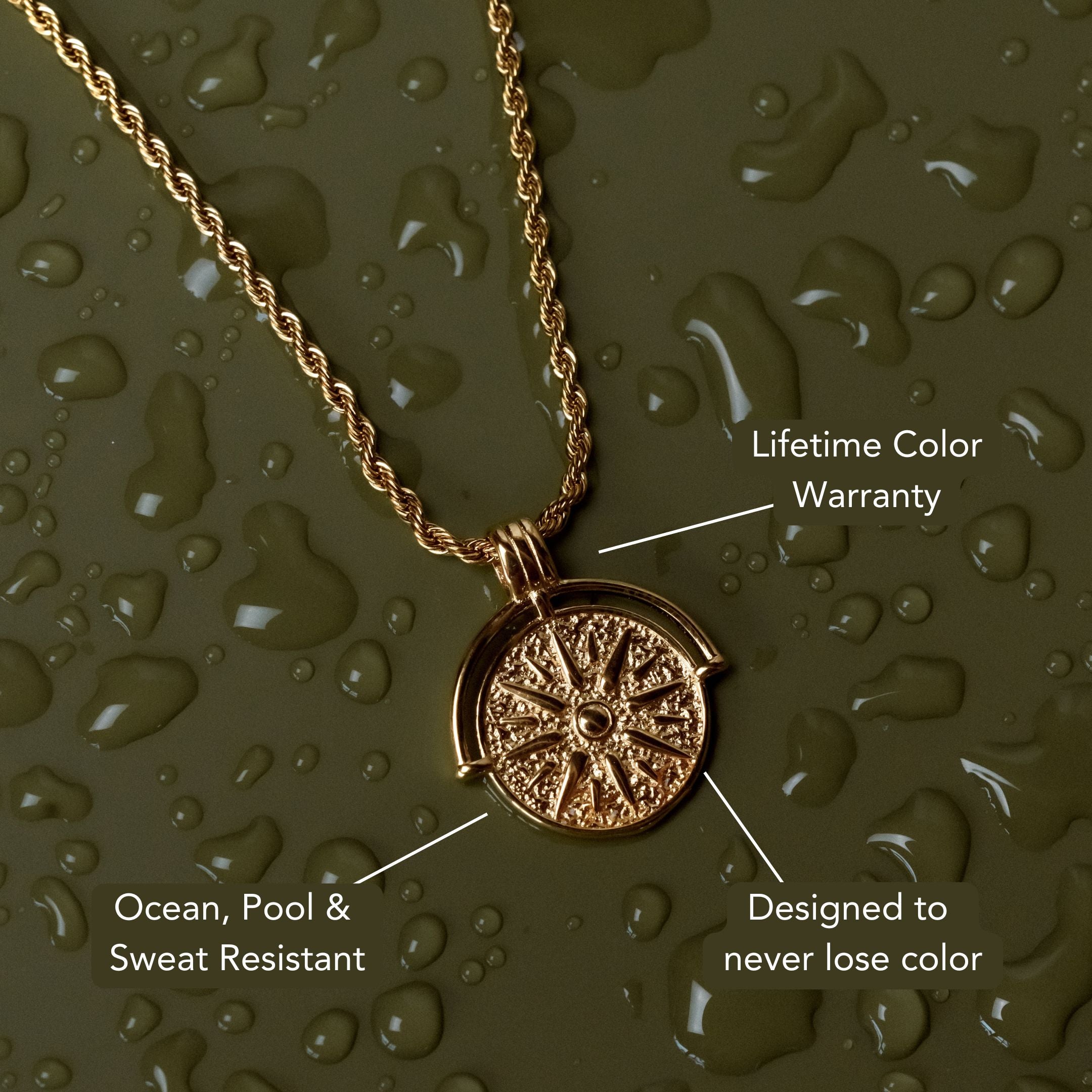
How do you know if a chain is real silver? You can quickly tell by checking for a .925 or “sterling” hallmark, feeling its cool, slightly heavier weight, and observing a soft gray tarnish instead of green corrosion. A gentle tap may produce a muted ringing sound, and real silver won’t react to a magnet. You can also test conductivity with an ice cube or use a soft cloth to check for light residue. For everyday durability, pieces like those in the Silver Waterproof Jewelry collection combine practicality with lasting shine while maintaining a silver-like look.
Quick Answer: 5 Simple Signs a Chain Is Real Silver
Here are five quick, reliable signs you can use right away to tell if a chain is real silver: check for a .925 or sterling mark, test for a cool, non-magnetic feel, look for tarnish that appears as dull gray rather than green, listen for a clear, ringing sound when tapped, and perform a mild acid or spot test if you need confirmation.
You’ll inspect markings first to gauge silver purity; genuine pieces usually carry standardized stamps.
You’ll feel the metal’s weight and temperature — fine silver feels cool and slightly heavier than plated base metal or lighter metal alloys.
You’ll note tarnish patterns and sound quality, since plating and substitutes behave differently.
If doubts remain, a controlled spot or acid test confirms composition.

5 Quick Visual Signs That Give It Away
You’ve already got the quick checks—marks, feel, sound—but your eyes can give you immediate, reliable clues without tools.
Inspect color consistency: real silver has a uniform cool gray-white sheen; spots of bright white or brass tones suggest plating.
Check edges and joins: exposed base metal at clasp or links indicates wear-through.
Look for natural tarnish appearance—dull darker areas in crevices, not evenly blackened or artificially antiqued.
Examine link shape and chain thickness: genuine pieces maintain consistent proportions and crisp solder points, while cheap chains show irregular links and variable thickness.
Hold the chain against neutral light to spot surface bubbles, peeling, or painted finishes.
Visual checks won’t prove purity, but they’ll quickly flag suspicious or low-quality items.
Home Checks: Weight, Sound, Fit, and Feel
Weight, sound, fit, and feel give you immediate, practical clues about a chain’s authenticity without any tools.
Hold the chain: real silver has noticeable heft for its size, so you’ll feel density rather than lightness that suggests base metals or hollow construction.
Tap links gently; a solid silver chain produces a clear, muted ring rather than a tinny clang.
Check how links move against skin—smooth, consistent articulation suggests proper manufacture and better chain durability.
Fit matters: genuine pieces sit comfortably and don’t pinch or catch hair.
Finally, feel the surface: silver is cool to touch and warms slowly; irregular warmth or rough plating can indicate coating over a cheaper core.
Minor discoloration near clasps may signal silver tarnishing, not necessarily forgery.

3 Non‑Destructive Tests to Try Now (Magnet, Ice, Cloth)
Want a few quick checks you can do without tools? Use a magnet test first: genuine silver is non‑magnetic, so a strong magnet shouldn’t attract the chain.
Lack of attraction isn’t definitive—some non‑silver metals are non‑magnetic—so combine tests.
Next, the ice test leverages silver properties: silver has very high thermal conductivity, so an ice cube will melt faster on real silver than on most base metals. Time the melt briefly to compare.
Finally, perform a cloth test and visual inspection: rub the chain with a soft white cloth; real silver will often leave minimal dark residue from oxidation, while plated pieces may flake or reveal base metal.
Together, these non‑destructive checks give a fast, reliable assessment.
How to Read Silver Hallmarks : And What They Mean
When you're checking a silver piece, hallmarks give the clearest evidence of its composition and origin, so learning to read them saves you guesswork.
You’ll first look for numeric purity marks like 925, 900 or 800 that indicate silver content; these are the simplest hallmark meanings.
Next check for maker’s marks—letters or symbols identifying the manufacturer—and assay office marks showing where the piece was tested.
Date letters and duty marks can confirm age and authenticity.
Be familiar with common stamps: 925 (sterling), STER, and country codes (e.g., IT, GB).
Use a loupe, clean the area, and compare marks to reputable hallmark charts.
If markings are worn or inconsistent, proceed with further verification rather than relying solely on stamps.
No Hallmark? How to Test Unmarked Chains
If no clear hallmarks are visible, don’t assume the chain isn’t silver—there are several practical tests you can run to verify its metal content.
Start with a careful visual inspection: look for wear patterns (silver develops a specific greyish tarnish), solder joints, and color consistency along links, which hint at chain composition.
Check weight and drape—silver feels denser than base metals and hangs with a characteristic fluidity.
Use a magnet: real silver is nonmagnetic, so attraction suggests ferrous content or heavy plating.
Try a gentle bite test only if you accept light marks; silver is relatively soft compared with steel.
Finally, compare it to a known silver piece for color, sound, and flexibility to build confidence before professional testing.

Using a Nitric‑Acid Spot Test Safely (When It’s Worth It)
A nitric‑acid spot test can give a quick, definitive indication of whether a chain is sterling silver or a base metal, but you should only use it when other non‑destructive checks aren’t conclusive and you’re prepared for potential surface damage.
You’ll work on a hidden area, clean the spot, and apply a tiny drop of nitric acid with a glass dropper. If the spot turns creamy or cloudy, the piece likely contains silver; a green or blue reaction indicates base metals.
Observe test precautions: wear gloves, eye protection, work in a ventilated area, neutralize spills with baking soda, and dispose of waste safely.
Don’t test plated pieces you value—acid can expose base metal under the plating and leave permanent marks.
Professional Tests Jewelers Use : Plus Red Flags a Chain Is Fake
Because jewelers combine simple tools with lab-grade equipment, you can get reliable answers that go beyond surface impressions: they’ll use magnification, electronic testers, X‑ray fluorescence (XRF), and acid analysis to identify silver content and construction.
With professional tools and testing methods, you’ll receive quantitative readings (karat/ppm) and clear observations about solder, plating, or core metals.
Follow expert advice: request test reports, ask about non‑destructive XRF when value matters, and insist on visible hallmarks confirmed under magnification.
Watch for red flags that indicate a fake: inconsistent hallmarks, flaking metal, magnetic attraction, unusual weight, or green skin discoloration.
Don’t rely on one quick trick; common misconceptions—like tarnish alone proving authenticity—can mislead you.
Frequently Asked Questions
Can Sterling Silver Cause Skin Discoloration or Irritation?
Yes — you can get discoloration or irritation from sterling silver if you have skin sensitivity or metal allergies; tarnish, copper content, or sweat reactions can trigger rashes or staining, so avoid contact and test if unsure.
How Should I Care for and Store a Silver Chain Long-Term?
You should clean chains gently with approved cleaning methods, like mild soap, polishing cloths, or silver dip sparingly; dry completely, store in anti-tarnish pouches or airtight boxes, avoid humidity, chemicals, and prolonged sunlight.
Do Silver Chains Have Resale or Melt Value?
Yes — silver chains have resale and melt value: you'll recoup metal worth based on weight and purity, influenced by the silver market; they offer limited investment potential compared with bullion, jewelry condition and craftsmanship also affect resale.
Are Plated Chains Repairable Like Solid Silver?
Yes — plated chains are repairable, but repair options are limited; you can fix clasps, links, and re-solder joints, though re-plating may be needed afterward, and extensive repairs can expose base metal or cost more than replacement.
Can Silver Tarnish Be Fully Removed at Home?
Yes — you can fully remove most silver tarnish at home using safe tarnish removal methods; home remedies like baking soda paste or aluminum-soda baths work well, but deep pitting or heavy corrosion may need professional restoration.
Conclusion
You can quickly narrow down whether a chain is real silver by combining visual cues, simple home checks, and a few non‑destructive tests. Look for consistent color, proper hallmarks, the right weight and sound, and behavior with a magnet, ice, or polishing cloth. If still unsure, consider a nitric‑acid spot test only with caution or ask a jeweler for professional assays. Prioritize safety and documented results when value or sentiment is high.









Leave a comment
This site is protected by hCaptcha and the hCaptcha Privacy Policy and Terms of Service apply.