

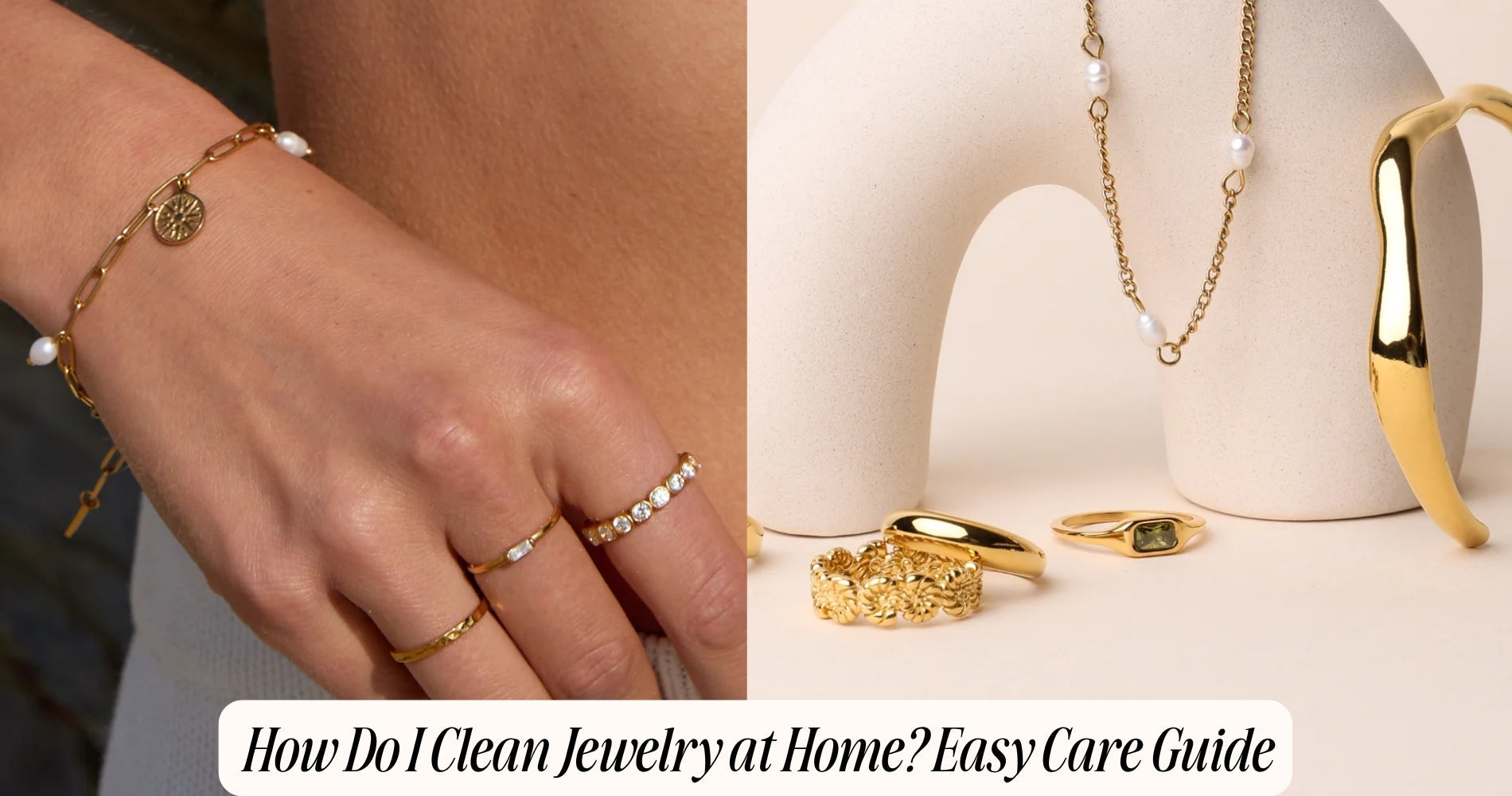
How Do I Clean Jewelry at Home? Easy Care Guide
Over time, even your favorite everyday jewelry can start to look a little dull, thanks to a natural buildup of oils, lotion, soap residue, and everyday grime. The good news is that you do not need expensive professional cleaning to keep your pieces looking their best. If you have found yourself wondering how do I clean jewelry at home, the answer is simpler than you might think, often requiring nothing more than a few household items you already have.
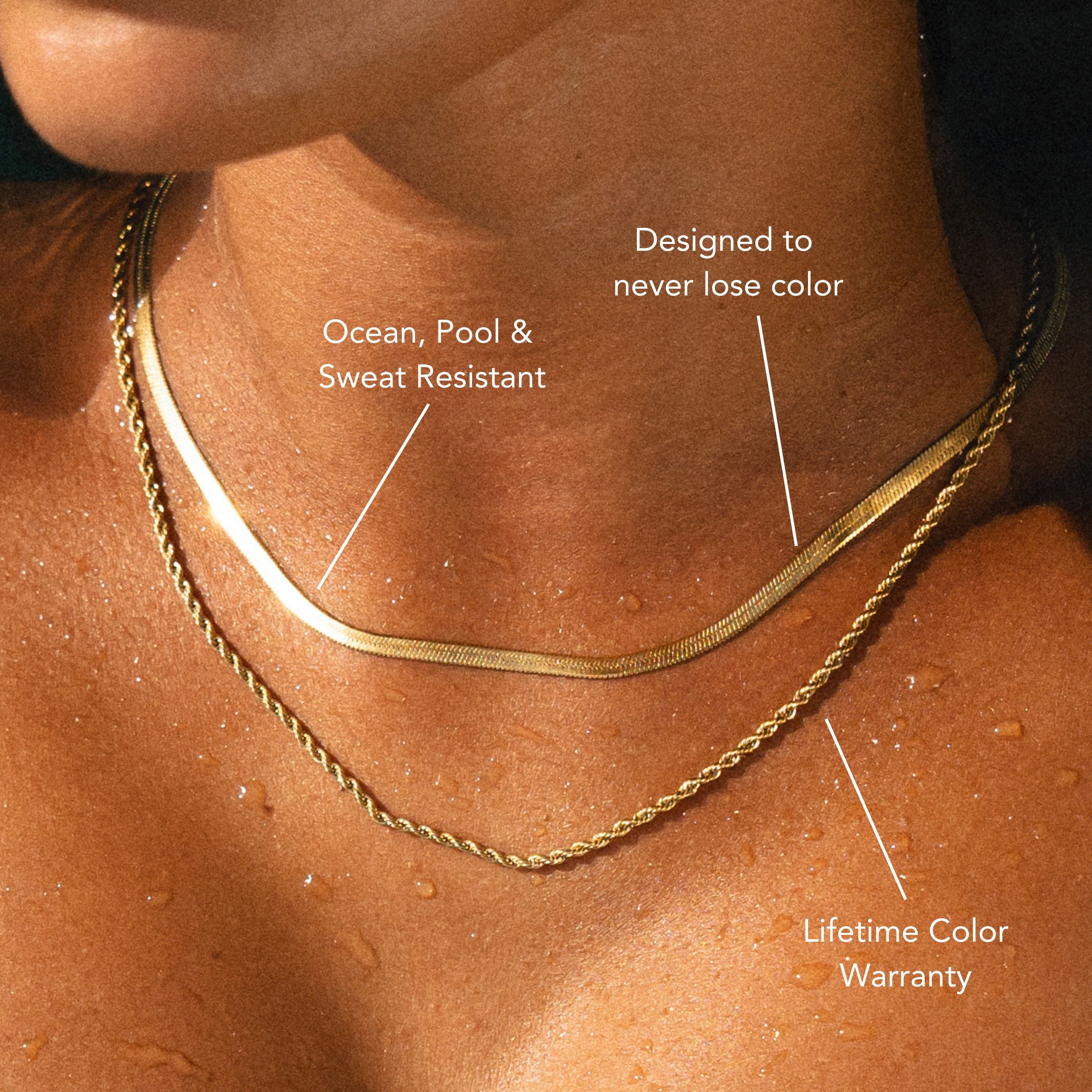
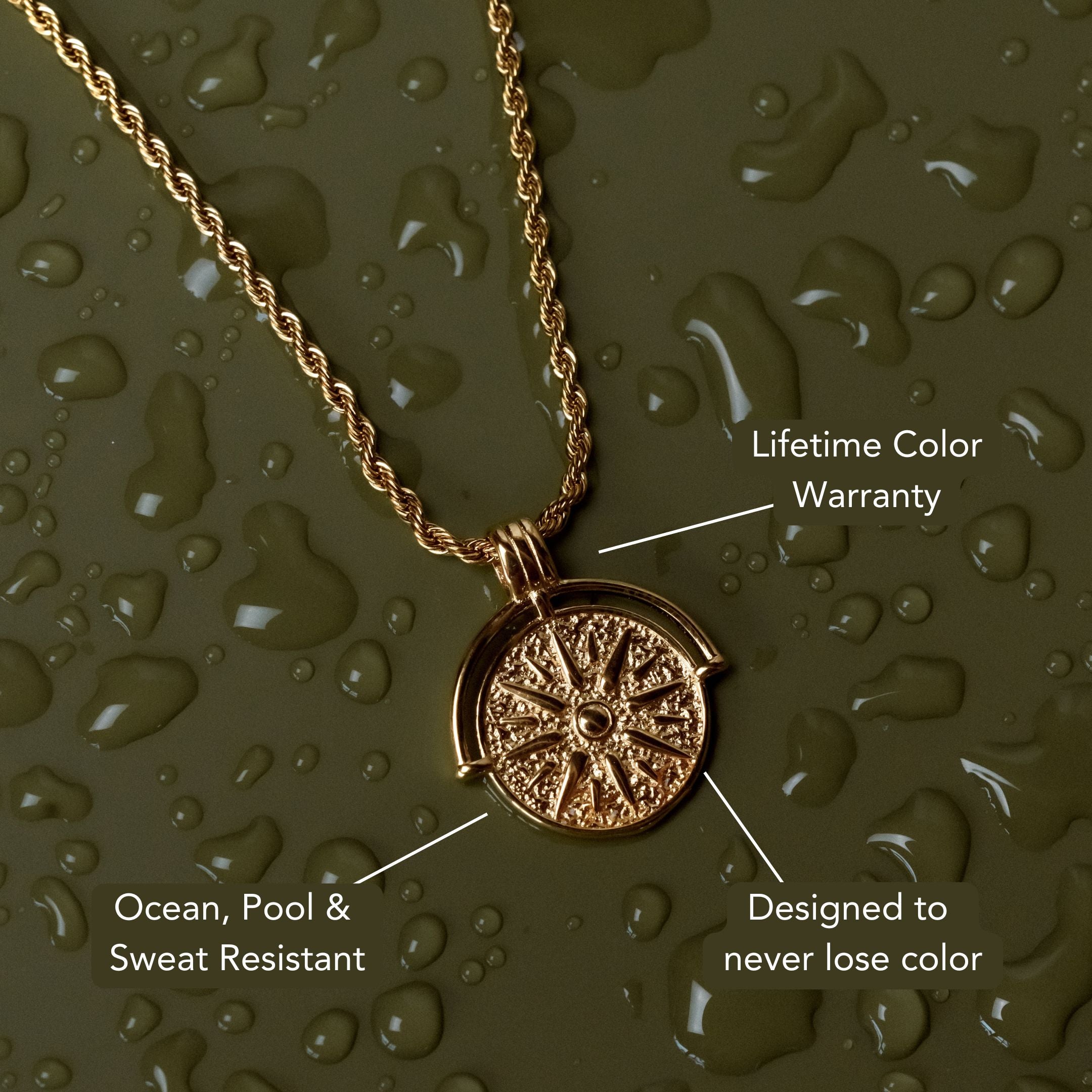
In this guide, we will walk through safe, effective cleaning methods for different types of jewelry, from gold and silver to gemstones and pearls. We will also cover what to avoid to prevent accidental damage. If your current pieces are beyond saving or you are ready to add something new to your everyday rotation, our Everyday Gold Jewelry collection offers durable, low maintenance designs built for daily wear.
Why Jewelry Needs Regular Cleaning
Jewelry comes into contact with a surprising number of substances throughout a typical day, including natural skin oils, lotion, perfume, soap, and general dust and debris. Over time, this buildup can dull the shine of metal and gemstones alike, making pieces look tired even if they are not actually damaged.
Regular cleaning helps remove this residue, restoring shine and brilliance while also allowing you to periodically inspect your jewelry for any signs of wear, such as loose stones or weakened clasps, that might otherwise go unnoticed.

General Supplies You Will Need
Before diving into specific cleaning methods, it helps to gather a few basic supplies that work well across most jewelry types.
A small bowl, mild dish soap, warm water, a soft bristled brush such as an old toothbrush, and a soft, lint free cloth are typically all you need for most at home jewelry cleaning. These simple, affordable items can handle the majority of routine cleaning needs without requiring specialized products.
How to Clean Gold Jewelry at Home
Gold jewelry, whether solid gold or gold plated, generally responds well to a gentle soap and water cleaning method.
Fill a small bowl with warm water and add a few drops of mild dish soap, stirring gently to combine. Place the gold jewelry into the soapy water and allow it to soak for around 10 to 15 minutes to loosen any surface buildup. Using a soft bristled brush, gently scrub the piece, paying close attention to any detailed areas or crevices where residue tends to accumulate. Rinse thoroughly under warm running water, then dry immediately with a soft, lint free cloth.
For gold plated jewelry specifically, avoid prolonged soaking, and be especially gentle during scrubbing, since the thin gold layer can wear away more easily than solid gold with excessive friction.

How to Clean Silver Jewelry at Home
Silver jewelry requires a similar approach to gold, though it often benefits from slightly more attention due to its tendency to tarnish over time.
The same mild soap and water method used for gold works well for silver, particularly for light, everyday tarnish. For more noticeable tarnish, a baking soda paste can offer a bit of extra cleaning power. Mix baking soda with a small amount of water to form a thick paste, gently apply it to the tarnished areas using a soft cloth, let it sit for a few minutes, then rinse thoroughly and dry completely.
For silver pieces with more stubborn tarnish, the aluminum foil method, using foil, baking soda, and hot water to create a chemical reaction that lifts tarnish, can also be effective, though this method is best reserved for plain silver pieces without gemstones.
How to Clean Jewelry With Gemstones
Gemstone jewelry requires a bit more caution during cleaning, since different stones vary significantly in hardness and sensitivity to moisture and chemicals.
For harder, more durable stones like diamond, sapphire, and ruby, the standard mild soap and water method is generally safe and effective. Gently scrub around the stone with a soft brush to remove any buildup, then rinse and dry thoroughly.
For softer or more porous stones, such as opal, turquoise, pearl, or emerald, it is best to avoid soaking the piece entirely. Instead, gently wipe the stone with a soft, slightly damp cloth, avoiding any harsh scrubbing or prolonged water exposure that could potentially damage the material.
If you are unsure about a specific gemstone's sensitivity, it is always safest to use the gentlest possible cleaning method, or consult with a jeweler before attempting a more thorough at home clean.

How to Clean Pearls
Pearls require particularly gentle care due to their soft, porous, organic composition. Unlike metal or harder gemstones, pearls should never be soaked in water or cleaned with baking soda or other abrasive methods.
Instead, gently wipe pearls with a soft, slightly damp cloth after each wear to remove any surface oils or residue. For a deeper clean, a small amount of mild soap on a damp cloth can be used, but avoid submerging pearls in water entirely, since prolonged moisture exposure can weaken the silk thread often used to string pearl necklaces and bracelets.
How to Clean Stainless Steel and Titanium Jewelry
Stainless steel and titanium jewelry are among the easiest materials to clean, thanks to their natural resistance to tarnish and corrosion. The standard mild soap and water method works well for these materials, and they can generally tolerate slightly more vigorous scrubbing compared to softer metals or gemstones.
A simple wipe down with a microfiber cloth is often sufficient for routine maintenance, with a more thorough soap and water cleaning recommended periodically for pieces worn frequently.

What to Avoid When Cleaning Jewelry at Home
While cleaning jewelry at home is generally straightforward, a few common mistakes can lead to accidental damage.
Avoid using toothpaste, despite it being a commonly suggested home remedy, since it is often too abrasive and can create fine scratches on both metal and gemstone surfaces. Avoid harsh chemical cleaners, bleach, or ammonia based products, which can damage certain metals and gemstones, particularly softer or more porous materials. Avoid ultrasonic cleaners for gemstones prone to fracturing or those with existing inclusions, such as emerald, since the vibrations can potentially cause further damage. Avoid excessive scrubbing with rough materials like paper towels, which can create micro scratches on delicate surfaces over time.
How Often Should You Clean Your Jewelry
The ideal cleaning frequency depends largely on how often a piece is worn. Jewelry worn daily benefits from a light wipe down after each use, removing surface oils before they have a chance to build up, along with a more thorough cleaning every few weeks. Pieces worn less frequently may only need cleaning every couple of months, or simply before wearing again after a period in storage.
Developing a consistent cleaning routine, rather than waiting until a piece looks noticeably dull, tends to be more effective at maintaining long term shine and preventing more stubborn buildup from developing over time.
When to Seek Professional Cleaning
While at home cleaning methods handle most routine maintenance needs, certain situations call for professional attention. If a piece has significant, stubborn tarnish or buildup that does not respond to standard at home methods, or if you notice a loose stone or weakened setting during cleaning, a professional jeweler can address these issues safely.
Professional cleaning services often use specialized equipment, such as steam cleaners or professional grade ultrasonic cleaners, that can achieve a deeper clean than most at home methods, particularly for intricate or heavily soiled pieces.

Final Thoughts
Learning how do I clean jewelry at home does not require expensive products or professional expertise for most routine maintenance. With simple household items like mild soap, warm water, and a soft cloth, you can keep the majority of your jewelry collection looking bright and well maintained. The key is tailoring your approach to the specific material, using gentler methods for delicate gemstones and pearls while allowing slightly more thorough cleaning for durable metals like gold, silver, and stainless steel.
With just a little regular attention, your jewelry can continue looking its best for years of everyday wear.
Frequently Asked Questions
Can I use toothpaste to clean my jewelry? It is best to avoid toothpaste, since it can be too abrasive and may scratch both metal and gemstone surfaces over time.
Is it safe to soak all jewelry in soapy water? No, softer or more porous materials like pearls, opal, and turquoise should not be soaked, since prolonged water exposure can cause damage.
How often should I clean jewelry I wear every day? A light wipe down after each wear, combined with a more thorough cleaning every few weeks, is generally sufficient for frequently worn pieces.
When should I take my jewelry to a professional instead of cleaning it myself? If you notice a loose stone, weakened clasp, or stubborn buildup that does not respond to at home cleaning, it is best to consult a professional jeweler.









Leave a comment
This site is protected by hCaptcha and the hCaptcha Privacy Policy and Terms of Service apply.