

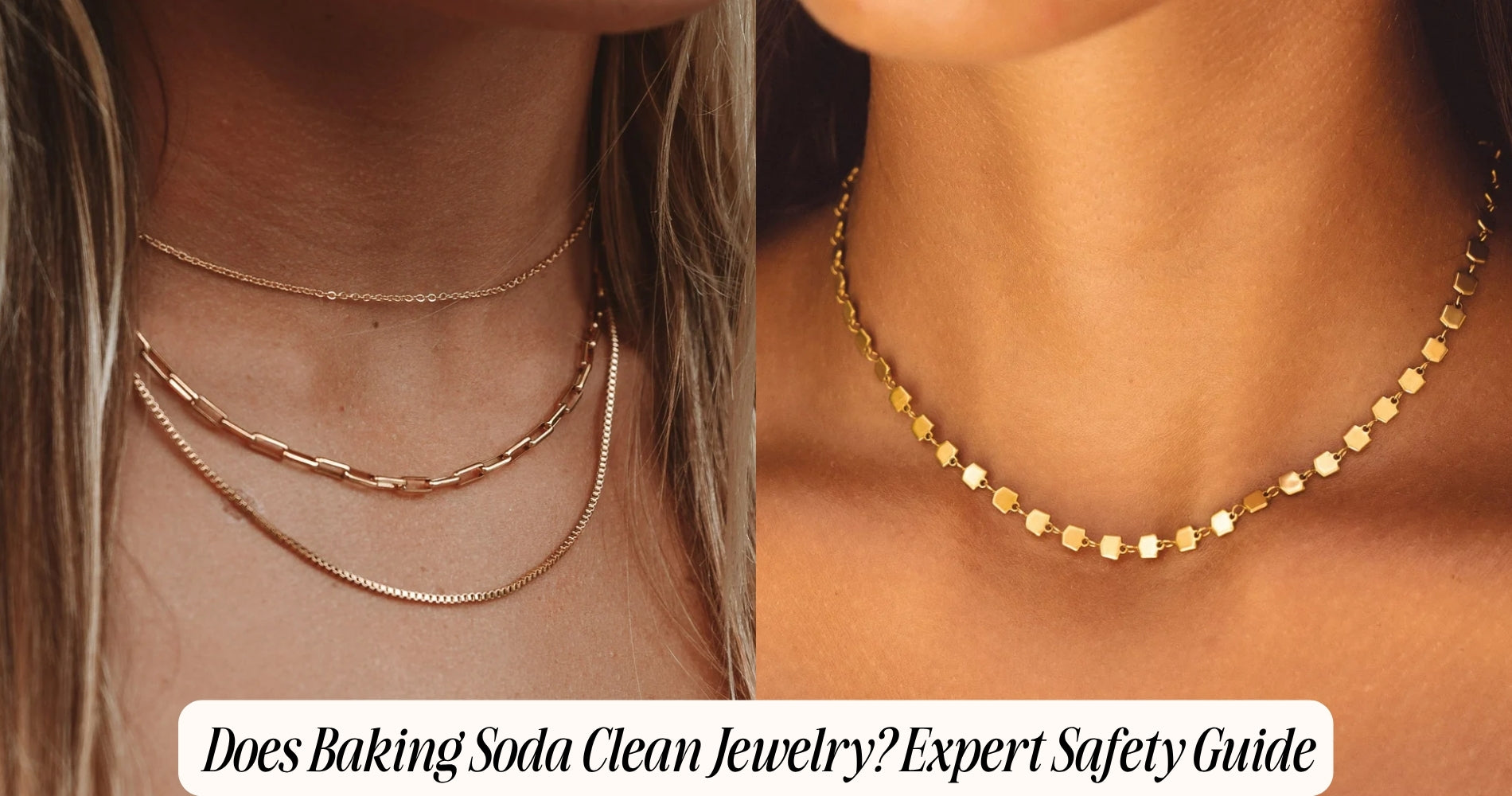
Does Baking Soda Clean Jewelry? Expert Safety Guide
Baking soda is one of the most commonly suggested household remedies for cleaning tarnished or dull jewelry, and for good reason, it is inexpensive, easy to find, and genuinely effective for many types of pieces. But does baking soda clean jewelry safely across the board, or are there certain materials where this popular method could actually cause more harm than good? Understanding exactly when and how to use baking soda can help you get the cleaning benefits without accidentally damaging more delicate pieces in your collection.
In this guide, we will explain how baking soda works as a jewelry cleaner, which materials respond well to it, which ones to avoid, and the correct techniques for using it safely. If you would rather sidestep frequent cleaning altogether, our Waterproof Jewelry collection is designed to resist tarnish and buildup with minimal maintenance required.
Does Baking Soda Clean Jewelry
Yes, baking soda can effectively clean many types of jewelry, particularly tarnished silver and sturdy metal pieces without delicate gemstones. Baking soda works as a mild abrasive, gently lifting dirt, oils, and tarnish from the surface of metal without being harsh enough to cause damage when used correctly and on appropriate materials.
However, baking soda is not universally safe for every type of jewelry, and using it on the wrong materials, particularly certain gemstones and organic materials, can potentially cause damage rather than improvement. Understanding these distinctions is key to using this popular cleaning method both effectively and safely.

How Baking Soda Works as a Cleaner
Baking soda, chemically known as sodium bicarbonate, works as a cleaning agent through a combination of mild abrasive action and its natural alkaline properties. When mixed with water to form a paste, the fine granules gently lift dirt, oils, and surface residue without being coarse enough to scratch most metal surfaces when applied with appropriately gentle pressure.
Additionally, baking soda's alkaline nature helps neutralize some of the acidic compounds that can contribute to tarnish formation, particularly on silver, making it a genuinely useful tool for addressing this specific type of discoloration rather than simply providing surface level cleaning alone.
Materials That Respond Well to Baking Soda
Several common jewelry materials handle baking soda cleaning quite well, making this method a reliable choice for many everyday pieces.
Sterling Silver
Sterling silver responds particularly well to baking soda, since this method directly addresses the tarnish that naturally develops on silver over time due to sulfur exposure. A baking soda paste, gently applied and rinsed thoroughly, can meaningfully improve the appearance of moderately tarnished silver jewelry.
Gold and Gold Plated Jewelry
Solid gold and, with gentler application, gold plated jewelry can generally tolerate baking soda cleaning as well, helping remove everyday buildup without significant risk when used with appropriately light pressure and thorough rinsing afterward.

Platinum
Platinum, being an exceptionally durable metal, handles baking soda cleaning without significant concern, making this an effective, low cost option for maintaining platinum jewelry's shine over time.
Stainless Steel and Titanium
These naturally durable, tarnish resistant metals also respond well to baking soda cleaning, though given their inherent resistance to tarnish, this method is often less necessary for these particular materials compared to silver specifically.
Diamonds and Hard Gemstones
Harder gemstones, including diamond, sapphire, and ruby, generally tolerate baking soda cleaning reasonably well, since their significant hardness makes them less susceptible to scratching from the mild abrasive action involved.
Materials That Should Avoid Baking Soda
While baking soda works well for many jewelry types, several materials should avoid this cleaning method entirely, due to increased risk of damage.
Pearls
Pearls are particularly vulnerable to baking soda, since their soft, porous surface can be damaged by even mild abrasive contact. The alkaline properties of baking soda can also potentially affect a pearl's delicate nacre layers, making this cleaning method inappropriate for pearl jewelry under any circumstances.
Opals
Opals contain water within their structure and are notably soft compared to many other gemstones, making them particularly susceptible to damage from both the abrasive texture and the moisture involved in baking soda cleaning.

Turquoise
Turquoise is a porous stone that can absorb substances it comes into contact with, potentially leading to discoloration when exposed to baking soda or other cleaning agents beyond simple water.
Emerald
Emeralds commonly contain natural inclusions and are often treated with oil to enhance clarity, making them particularly sensitive to abrasive cleaning methods like baking soda, which could potentially worsen existing inclusions or affect clarity enhancing treatments.
Coral and Other Organic Materials
Similar to pearls, coral and other organic materials are too soft and porous to safely withstand baking soda's mild abrasive properties, making gentler cleaning methods necessary for these specific materials.
How to Safely Clean Jewelry With Baking Soda
For jewelry made from appropriate materials, following the correct technique helps ensure baking soda cleans effectively without causing unintended damage.
Mix baking soda with a small amount of water to create a thick paste, adjusting the consistency as needed so it holds together without being overly runny. Using a soft cloth or very soft bristled brush, gently apply the paste to the jewelry, focusing on any areas with visible tarnish or buildup. Use light, gentle pressure throughout, avoiding vigorous scrubbing that could potentially scratch the metal surface, even on more durable materials. Allow the paste to sit for a few minutes before rinsing thoroughly under warm running water to remove all residue. Dry the piece immediately and completely using a soft, lint free cloth.
The Baking Soda and Aluminum Foil Method
For more heavily tarnished silver specifically, a slightly more advanced baking soda technique involves combining it with aluminum foil to create a chemical reaction that lifts tarnish more effectively than the paste method alone.
Line a bowl with aluminum foil, shiny side facing up, then add hot water along with a tablespoon of baking soda for each cup of water used. Place the tarnished silver jewelry directly onto the foil, ensuring good contact, and allow it to sit for several minutes as the tarnish transfers from the silver onto the foil through a chemical process called ion exchange. Remove the jewelry, rinse thoroughly, and dry completely.
This method is particularly effective for significantly tarnished silver, though it should be reserved specifically for plain silver pieces without gemstones or other more delicate materials attached.

Common Mistakes to Avoid
A few common mistakes can reduce the effectiveness of baking soda cleaning or increase the risk of accidental damage, even when using this method on appropriate materials.
Avoid using baking soda straight, without mixing it into a paste first, since dry baking soda applied directly can be more abrasive and harder to control compared to a properly diluted paste. Avoid scrubbing too vigorously, even on durable materials, since excessive pressure increases scratching risk unnecessarily. Avoid leaving baking soda paste on jewelry for extended periods beyond what is needed, since prolonged contact offers no additional cleaning benefit and simply increases handling risk.
Alternatives for Delicate Materials
For jewelry containing pearls, opals, turquoise, or other materials that should avoid baking soda, a simple soft, slightly damp cloth offers a much safer cleaning alternative. This gentler method effectively removes surface oils and residue without introducing the abrasive or chemical risks associated with baking soda, making it the appropriate default choice whenever you are uncertain about a specific gemstone's sensitivity.
When to Choose Professional Cleaning Instead
While baking soda handles most routine, at home cleaning needs for appropriate materials, particularly heavily tarnished or intricately designed pieces may benefit from professional cleaning instead. A professional jeweler can assess the specific piece and use appropriate specialized equipment, ensuring a thorough clean without any risk of accidental damage, particularly valuable for higher value or sentimental jewelry.

Final Thoughts
So, does baking soda clean jewelry? Yes, for many common materials, particularly sterling silver, gold, platinum, and harder gemstones, baking soda offers an effective, affordable, and generally safe cleaning method when used correctly. However, more delicate materials like pearls, opals, turquoise, and emerald should avoid baking soda entirely, relying instead on gentler cleaning approaches to prevent potential damage.
Understanding which materials respond well to this popular household remedy, and which ones require a different approach, ensures you can keep your entire jewelry collection looking its best without accidentally causing harm to more sensitive pieces.
Frequently Asked Questions
1. Is baking soda safe for all types of silver jewelry?
Baking soda works well for plain silver jewelry, but pieces featuring delicate gemstones like pearl, opal, or turquoise should avoid this cleaning method.
2. Can baking soda damage gold jewelry?
Generally no, when used gently, though gold plated pieces specifically should be handled with extra care to avoid accelerating wear on the thin gold layer.
3. How often can I clean my jewelry with baking soda?
For appropriate materials, cleaning with baking soda every few weeks to a month is generally sufficient for routine maintenance.
4. What should I use instead of baking soda for delicate gemstones?
A soft, slightly damp cloth offers a much safer cleaning alternative for delicate materials like pearls, opals, and turquoise.











Leave a comment
This site is protected by hCaptcha and the hCaptcha Privacy Policy and Terms of Service apply.