

Can I Shower With Earrings: Must Know Facts
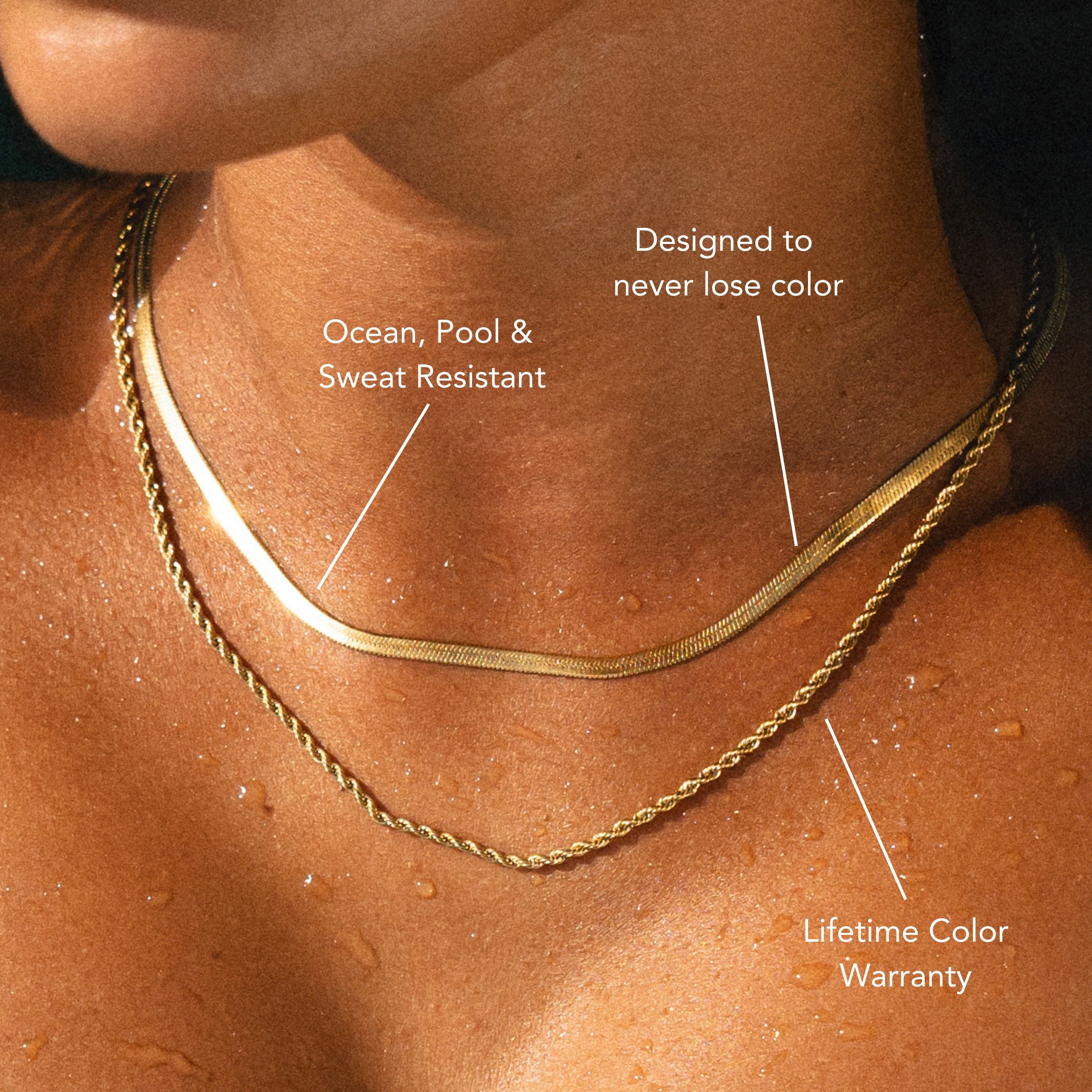
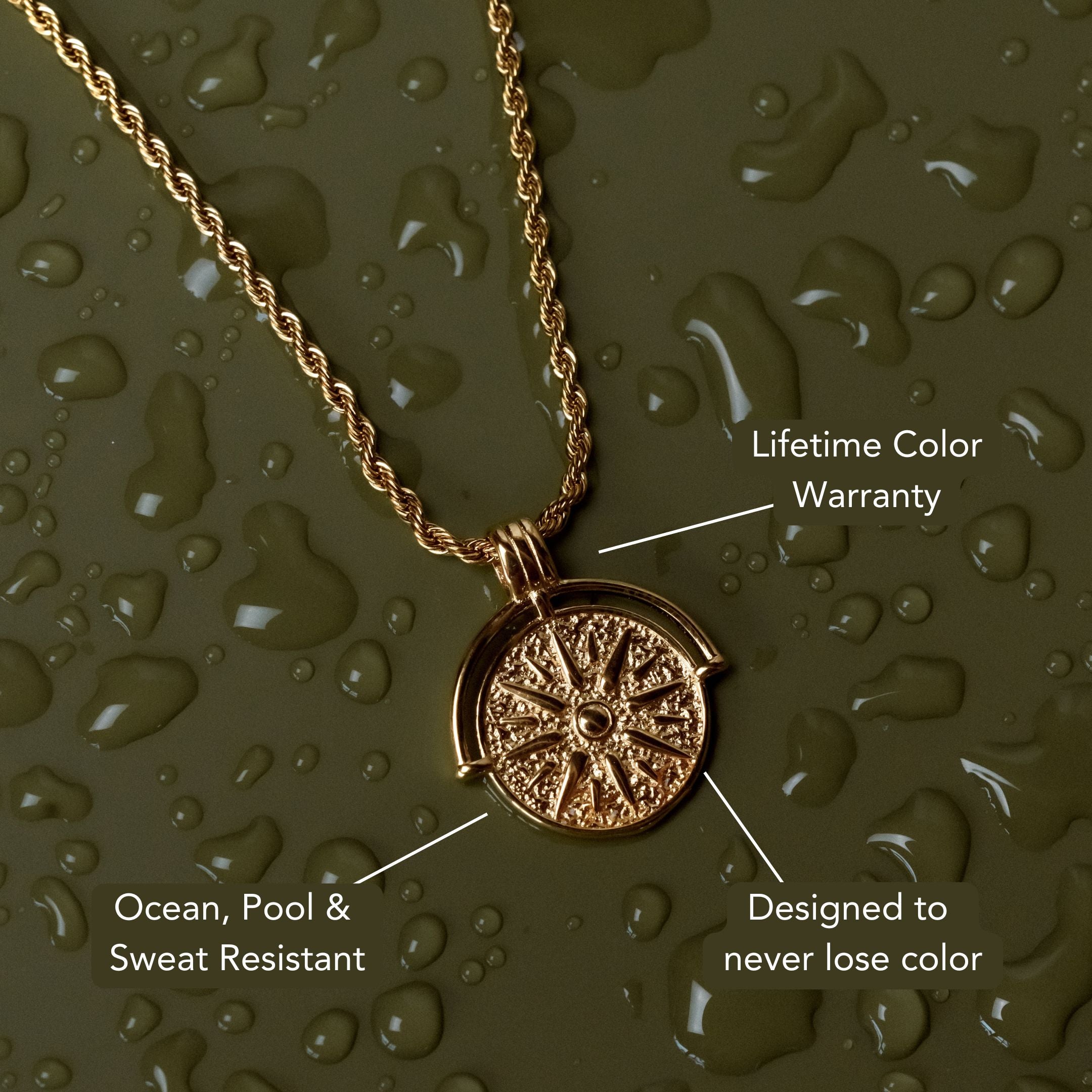
Taking earrings out before the shower is a habit most people follow without understanding why, or whether it actually applies to the earrings they are wearing. The answer is not the same for every earring. Whether you can shower with earrings depends on the material the earring is made from, the construction of the post and back, and the health of the piercing itself. Waterproof Earrings built for exactly this are designed to stay in. This guide covers what the shower specifically does to earrings and piercing tissue, which materials handle it and which do not, and what to do after showering if you choose to keep earrings in.
What the Shower Does to Earrings That Other Water Exposure Does Not
The shower creates a specific combination of conditions that is more demanding on earrings than casual water contact in several important ways.
Product concentration at the ear. Shampoo, conditioner, and body wash are applied at their highest concentration at or near the head and ears. While these products are designed to be rinsed away from hair and skin, they flow over and around earrings during the rinse cycle rather than being directly removed from them. The result is that earrings in a shower encounter a more concentrated chemical environment than in pool or ocean water, where the surrounding water dilutes any product contact immediately.
Shampoo and conditioner contain surfactants, silicones, preservatives, and fragrance compounds, many of which are mildly reactive with metals. On a reactive base metal like copper or brass beneath a worn plating layer, these compounds accelerate surface degradation and tarnishing faster than plain water alone.

Steam and sustained heat. A hot shower creates a sustained steam environment around the earring for ten to fifteen minutes. Steam penetrates into micro-gaps in jewelry construction more effectively than running water. It enters the join between a post and its setting, the interior of a hinge mechanism on a hoop, and the gap between a butterfly back and the post it clips onto. In those confined spaces, steam deposits moisture that does not dry quickly and creates sustained humid contact with any reactive metal present.
Soap residue in the piercing channel. The most specific shower risk for earrings is soap residue entering the piercing channel alongside the post. When soapy water flows over an earring during a shower, a small amount follows the post into the piercing. That residue does not always rinse out completely, particularly at the back of the piercing where the back mechanism creates a partial seal. Accumulated soap residue inside a piercing channel causes irritation, dryness, and in some cases contact dermatitis that mimics an infection.
This is a separate concern from the metal material question. Even an earring made from a perfectly safe hypoallergenic material can cause piercing irritation in the shower if its construction allows soap residue to accumulate at the piercing site.
Can I Shower With Earrings: By Material
PVD-coated stainless steel: Yes
PVD-coated 316L stainless steel is the most practical material for shower wear. The 316L base does not corrode or tarnish through soap, steam, or shampoo contact. The PVD finish bonded at the molecular level does not lift, soften, or degrade through the sustained moisture and chemical exposure of a daily shower. Critically, both the post and the outer face carry this construction, which means the part of the earring inside the piercing is as durable as the part that is visible.
For earrings worn through daily showers, a PVD-coated post inside a healed piercing does not cause the progressive irritation that a corroding or tarnishing post produces over time.

Solid gold at 14k and above: Yes
Gold does not react with shampoo, soap, steam, or tap water mineral compounds. A solid gold post inside a piercing remains chemically stable through daily shower exposure without causing irritation or surface degradation. This is why solid gold is the longstanding recommendation for initial piercing jewelry and for people with sensitive piercings.
Titanium: Yes
Titanium's passive oxide surface layer holds through all shower conditions without degrading. Its fully nickel-free composition means there is no reactive metal at the skin contact surface regardless of how long or how frequently it encounters soap and steam. Professional piercers recommend titanium specifically for its performance through the moisture-rich environment of regular showering.
Surgical-grade stainless steel (316L, uncoated): Yes
Uncoated 316L stainless steel handles shower wear without corroding or tarnishing. It does not react with the compounds in shampoo or conditioner and its passive surface layer holds through sustained steam exposure. For people who want a silver-tone earring safe for shower wear without PVD coloring, uncoated 316L is a reliable option.
Sterling silver: No
Sterling silver should not be worn through daily showers. The combination of steam, soap compounds, and warm water activates both of its tarnishing pathways simultaneously: the silver sulfide reaction from sulfur compounds and the copper oxidation reaction from moisture and heat. Sterling silver earrings worn through daily showers typically show visible tarnishing within one to two weeks, and tarnished silver inside a piercing channel causes irritation through the abrasive quality of the oxidized surface against piercing tissue.
Gold-plated brass: No
Gold-plated earrings degrade fastest at the post, which is the part that matters most for piercing health. The steam and soap concentration of a shower accelerates plating degradation at the post faster than dry daily wear does. Once the brass base is exposed at the post inside the piercing, copper ions release into the piercing channel and cause progressive irritation that worsens with each shower.
Earring Styles and Shower Safety
Material determines chemical compatibility. Style determines whether soap residue accumulates at the piercing and whether the earring stays secure through the water and movement of a shower.
| Earring Style | Soap Residue Risk | Shower Security | Recommended for Daily Shower Wear |
|---|---|---|---|
| Flat back labret stud | Very low | Very high | Yes |
| Screw back stud | Low | High | Yes |
| Butterfly back stud | Moderate | Moderate | With caution |
| Huggie hoop (hinged) | Low | High | Yes |
| Small hoop (hinged) | Low | Moderate | Yes |
| Wire through catch hoop | Moderate | Low | No |
| Drop or dangle | High | Low | No |
| Threader earring | High | Very low | No |

Aftercare: What to Do When You Shower With Earrings In
Even for earrings fully suited for shower wear, a brief aftercare routine prevents the gradual buildup that affects all earrings over time.
After each shower, rinse the earring area with clean running water for a few seconds after the main shower rinse. This removes the residual shampoo and conditioner film that settles around the earring during the product rinse phase. Pay attention to the back of the ear where the post exits and any back mechanism sits.
Pat the earring and surrounding ear tissue dry with a clean soft cloth or tissue immediately after rinsing. Do not rub. Gentle patting removes surface moisture without creating friction against the lobe skin or the earring surface.
Once a week, remove the earring and clean the post specifically. A brief soak in warm water with a small amount of mild soap followed by a thorough rinse and complete drying removes the gradual soap residue buildup that daily shower contact produces even on durable materials. This weekly clean is particularly relevant for flat back studs where the back mechanism creates a close contact seal against the rear of the lobe.
For piercings that show any sign of irritation such as redness, tenderness, or crusty buildup, check first whether the issue is soap residue accumulation rather than a metal reaction. Switching to a flat back closure and rinsing more thoroughly after showering resolves soap-related irritation in most cases without requiring a change in earring material.

Frequently Asked Questions
Can I shower with earrings in every day?
Yes, if the earrings are made from PVD-coated stainless steel, solid gold at 14k and above, titanium, or uncoated 316L surgical steel. These materials handle daily soap, steam, and shampoo exposure without corroding, tarnishing, or causing piercing irritation. Gold-plated and sterling silver earrings are not suited for daily shower wear because both materials degrade at the post with repeated exposure.
Does showering with earrings cause irritation?
Showering with the wrong earring material or style causes irritation through two mechanisms: metal corrosion at the post releasing reactive ions into the piercing, and soap residue accumulation at the back of the piercing causing dryness and contact irritation. Both are preventable by choosing a non-reactive post material and a style with minimal soap-trapping construction, particularly flat back closures over butterfly backs.
Can I shower with new piercing earrings in?
Professional piercers generally recommend keeping initial piercing jewelry in place through showers during healing, but with specific aftercare. Saline rinse after showering to remove any soap that entered the piercing channel is standard piercing aftercare advice. For healing piercings, flat back implant-grade titanium or implant-grade steel are the recommended materials because they do not release reactive ions into healing tissue through moisture contact.
Why do my ears hurt after showering with earrings?
Pain or tenderness after showering with earrings typically indicates one of three things: soap residue accumulation inside the piercing irritating the tissue, a reactive base metal corroding at the post after repeated moisture exposure, or a butterfly back trapping moisture and product against the rear of the lobe. Switching to a flat back closure in a non-reactive material and rinsing more thoroughly resolves most shower-related piercing discomfort.
Should I take my earrings out to wash my hair?
With the right material and style, no. PVD-coated stainless steel, solid gold, and titanium earrings in flat back or hinged hoop closures handle shampoo and conditioner contact without damage or piercing irritation. The brief aftercare rinse and pat-dry routine after washing hair is sufficient maintenance. If your earrings are gold-plated or sterling silver, removing them before washing hair protects both the earring finish and the piercing from product exposure.
Conclusion
Can I shower with earrings is a yes for the right material and style combination, and a no for standard fashion earrings that were not built for it. PVD-coated stainless steel, solid gold, and titanium posts handle the soap, steam, and shampoo concentration of a daily shower without corroding or causing piercing irritation. Flat back and hinged hoop closures prevent the soap residue accumulation that butterfly backs and open catches allow. A brief rinse and pat-dry after each shower maintains that clean contact through daily use over time.









Leave a comment
This site is protected by hCaptcha and the hCaptcha Privacy Policy and Terms of Service apply.