

What Are Anklets? Style and Meaning
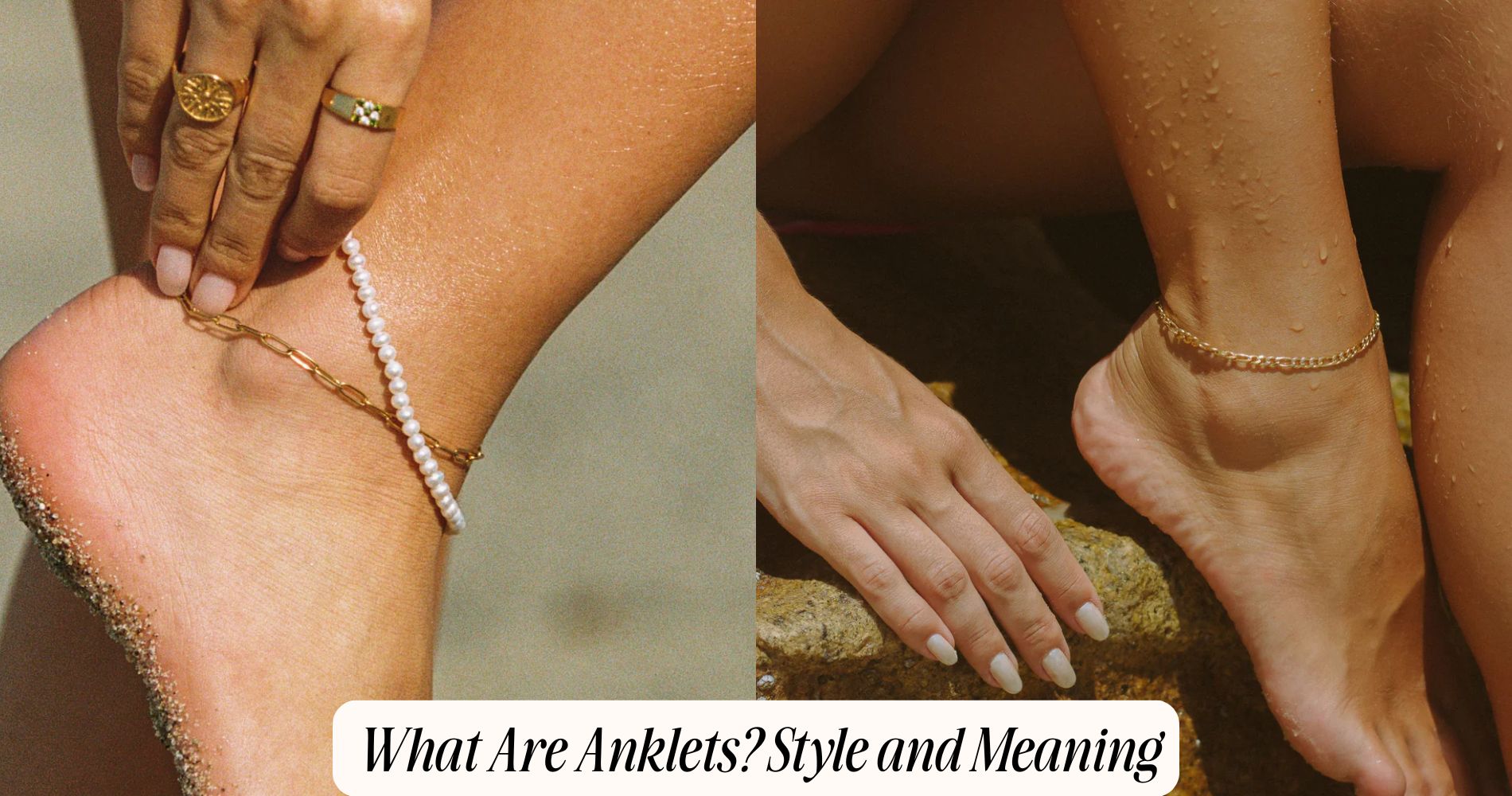
What are anklets? Anklets are decorative bands worn around the ankle, rooted in 4,500-year-old Mesopotamian and Egyptian status symbols and later noted by Greek and Roman travelers through tomb art and classical accounts. In South Asia, ghungroo bells signify dance and marriage, while in West Africa, trade brass anklets once marked wealth and exchange. Today, styles range from minimalist chains to charm-adorned and mixed-metal stacks—seen everywhere from beach culture to the runway. Materials span silver, gold, and stainless steel, with relaxed designs like those in our Beach Anklets collection capturing the modern, carefree spirit. You’ll also explore etiquette, care tips, and regional meanings next.
History and Cultural Roots of Anklets
Though they’re often seen as modern beach jewelry, anklets trace back over 4,500 years to ancient Mesopotamia and Egypt, where women wore gold, silver, and faience bands as markers of status and sensual adornment (Petrie 1909; Aldred 1981).
You see anklet origins in courtly life, religious rites, and everyday dress, with motifs signaling rank and protection. By the classical era, Greek and Roman travelers noted ankle ornaments across the Near East (Herodotus; Pliny).
In South Asia, you encounter ghungroo anklets whose bells paced dance and marriage rituals, cementing cultural significance (Kersenboom 1987).
Medieval trade carried styles into East Africa and the Arabian Peninsula. By the 19th century, Orientalist fascination reframed anklets in Western fashion prints (Geczy 2013).
Today’s revivals echo these layered histories.
Common Materials and Finishes
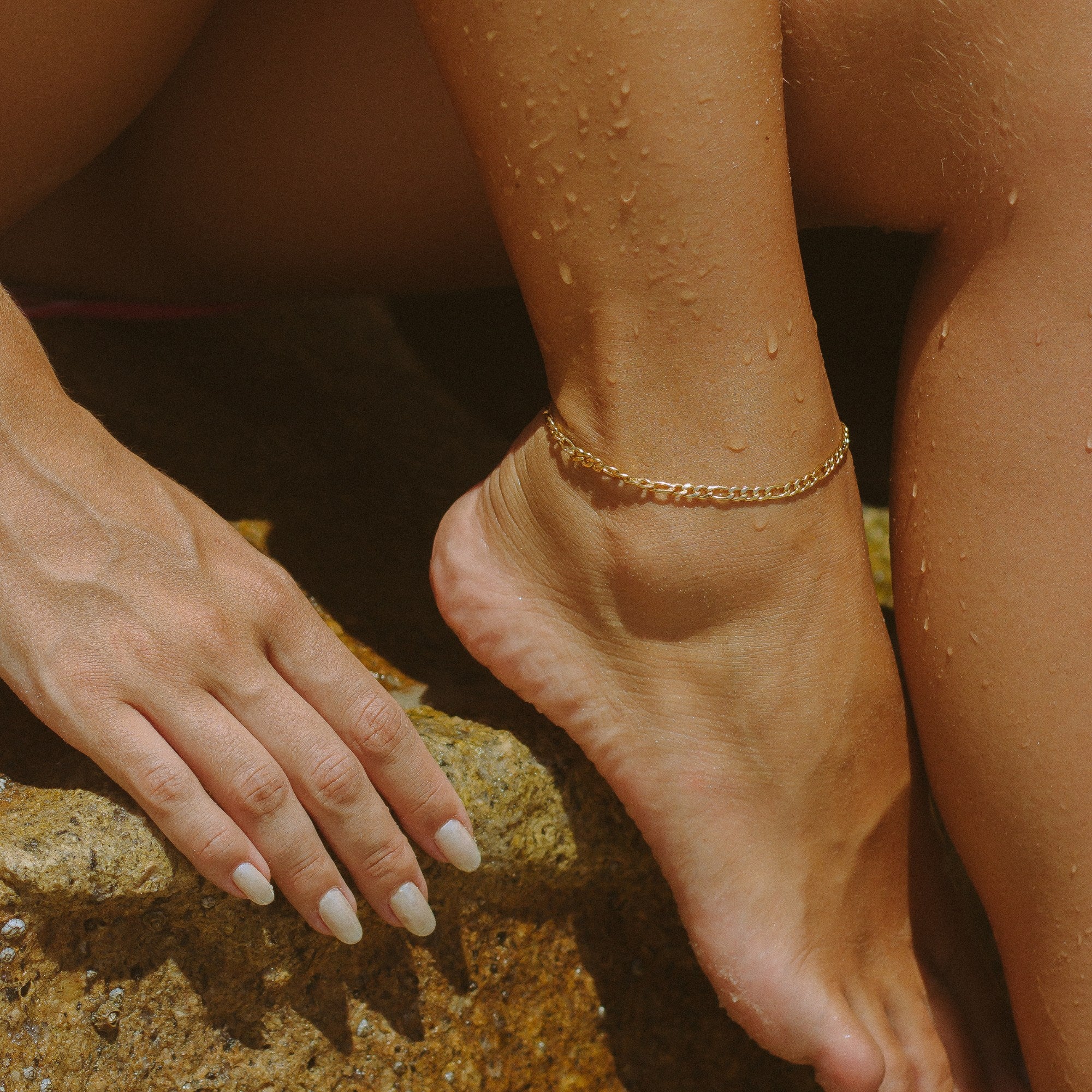
From the earliest faience and hammered gold bands of Mesopotamia and Egypt to today’s stainless steel chains, the story of anklets follows the materials at hand and the finishes that protect them.
You inherit glazed faience’s glassy durability (British Museum), then move into bronze and silver from Classical workshops (Met Museum).
Medieval traders popularized filigreed silver; Mughal ateliers refined gemstone settings for beaded anklets (V&A).
By the 19th century, vermeil made gold anklets more accessible, while electroplating standardized sheen (Science Museum).
In the 20th century, nylon thread and seed beads enabled colorful strands; stainless steel, titanium, and surgical-grade alloys offered hypoallergenic strength.
Today, you’ll compare solid gold to gold-filled and PVD-coated steel for tarnish resistance, and choose patinas, rhodium, e-coats, or lacquers to seal shine.
Popular Anklet Styles and Designs
Two broad silhouettes anchor anklet design across time: slender chains that skim the ankle and articulated bands that read as mini-bracelets.
You first meet delicate links and seed-chain cords in early 20th‑century beach culture, then see charms arrive mid‑century via travel souvenirs (V&A, 2023).
By the 1970s, boho leather braids and coin dangles shape festival looks (Smithsonian Folklife, 2019).
Minimal box and Singapore chains define ’90s anklet trends, echoed by shell puka strands (Vogue archive, 1998).
In the 2010s, stacking resurges—mix curb, figaro, and tennis‑style CZ for shine (Harper’s Bazaar, 2016).
Today, asymmetrical drops, paperclip links, and personalized initial plates dominate feeds and celebrity styles—from sleek gold singles on red carpets to surf‑leaning cords off duty (Elle, 2022).
Symbolism Across Regions and Traditions
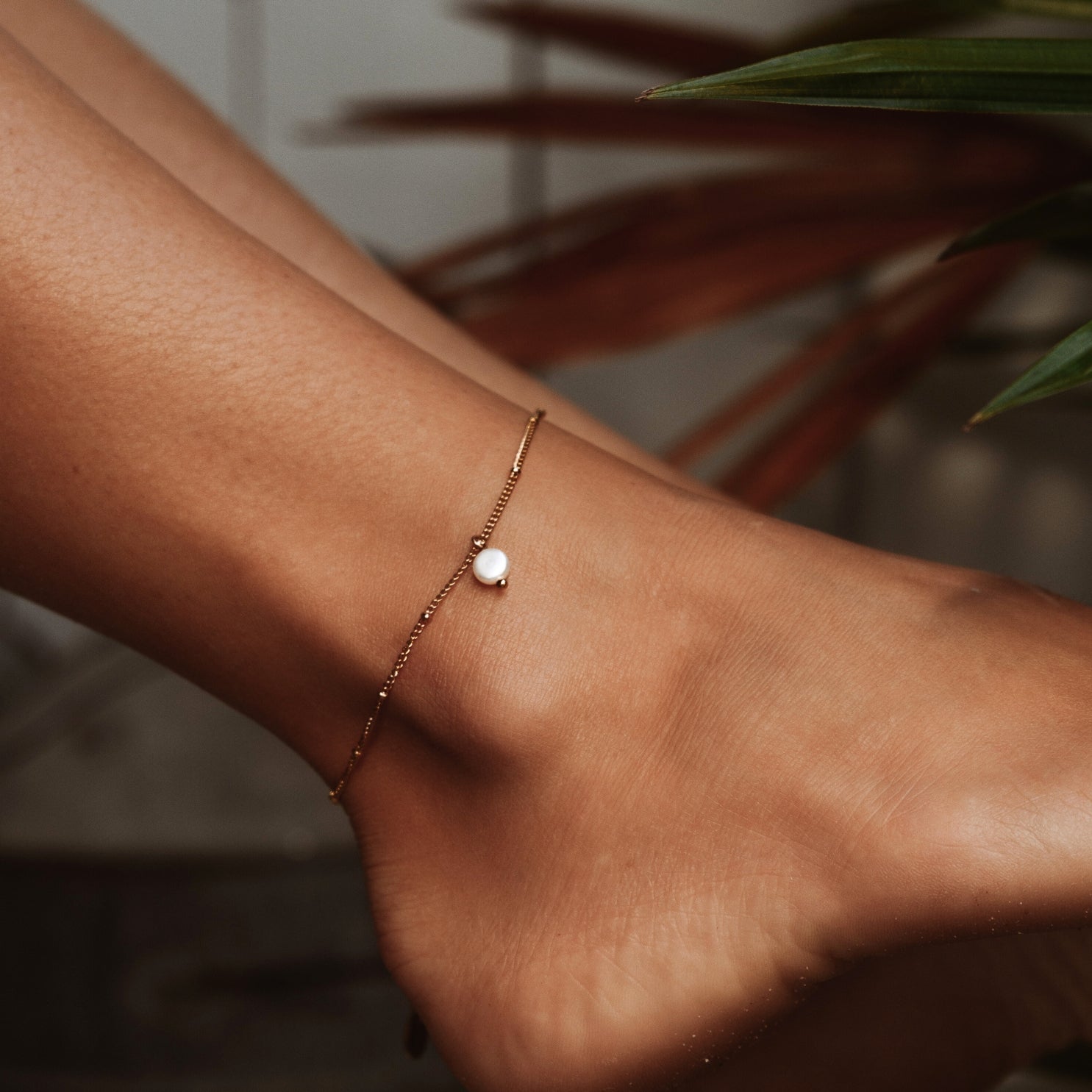
While anklets read as fashion in many places today, their meanings trace a long arc across cultures and centuries.
You first meet them in Bronze Age Mesopotamia, where women wore metal anklets in elite burials (British Museum, BM EA collections). In ancient Egypt, gold and faience versions signaled status and devotion to deities like Hathor (Met Museum Heilbrunn Timeline).
Classical South Asia then layered deep cultural significance: in Tamil and Sanskrit literature, the anklet marked femininity, auspicious sound, and sometimes marital status (Silappatikaram; ASI reports).
Medieval West Africa featured trade-brass anklets as wealth tokens (National Museum of African Art).
Colonial-era suppression shifted practices, but modern regional variations persist: Indian payal for rites, Middle Eastern khalkhal for festivity, Caribbean fete-wear, and 1970s Western boho revival (Victoria and Albert Museum; Smithsonian Folklife).
How to Choose the Right Size and Fit
Centuries of meaning meet the practical question of fit: to choose an anklet that honors comfort and custom, start by measuring where you’ll wear it—just below the ankle bone for classic styles or higher on the ankle for snug, dance-friendly silhouettes noted in South Asian and Middle Eastern traditions (Silappatikaram; Met Museum Heilbrunn Timeline).
Take an ankle measurement with a soft tape at your chosen spot; add 0.5–1 inch for drape, less for a closer fit. Note swelling from heat or activity—measure at day’s end for accurate anklet sizing.
If bells or charms echo historic pieces (Met Museum Heilbrunn Timeline), allow extra slack to prevent pinching. For adjustable chains, confirm extender length. For rigid cuffs, match inner circumference to your measurement, ensuring a finger’s width of ease.
Styling Anklets for Everyday Wear
Start simple in the morning, then build through your day: pair a slim gold or silver chain with low-top sneakers or flats so it skims just below the ankle bone, echoing the classic placement you measured earlier;
switch to a slightly looser chain or one with a single charm for midday ease with cropped trousers;
and, by evening, stack a delicate anklet with a beaded strand or a bell-accented piece inspired by South Asian and Middle Eastern precedents for subtle movement (Silappatikaram; Met Museum Heilbrunn Timeline).
Track anklet trends in real time: minimalist chains remain office-friendly, while micro-charms and tiny initials add personalization (Vogue, 2023).
For everyday styling, mirror your metal to rings or watch, keep proportions slim with tailored hems, and secure lobster clasps to avoid snags on commutes.

Pairing Anklets With Beach, Boho, and Festival Looks
Because sun, sand, and soundscapes ask for different textures, build your anklet choices from morning shoreline to late-night stage.
At sunrise, lean into beachy vibes: salt-safe cords, shell or cowrie charms, and silicone-coated chains that won’t mind waves (NOAA notes salt exposure accelerates metal corrosion).
By midday, add casual elegance with smooth seed beads or gold‑tone stainless steel, which research shows resists tarnish better than brass in humid environments (ASTM corrosion guidance).
Afternoon drift markets call for bohemian flair—think tassels, turquoise chips, and woven cotton that echoes 1960s folk influences (Victoria & Albert Museum, fashion histories).
When twilight turns to festival fun, switch to lightweight, snag‑aware options: flat chains, anklets with secure lobster clasps, and reflective beads for stage-light sparkle (event safety advisories).
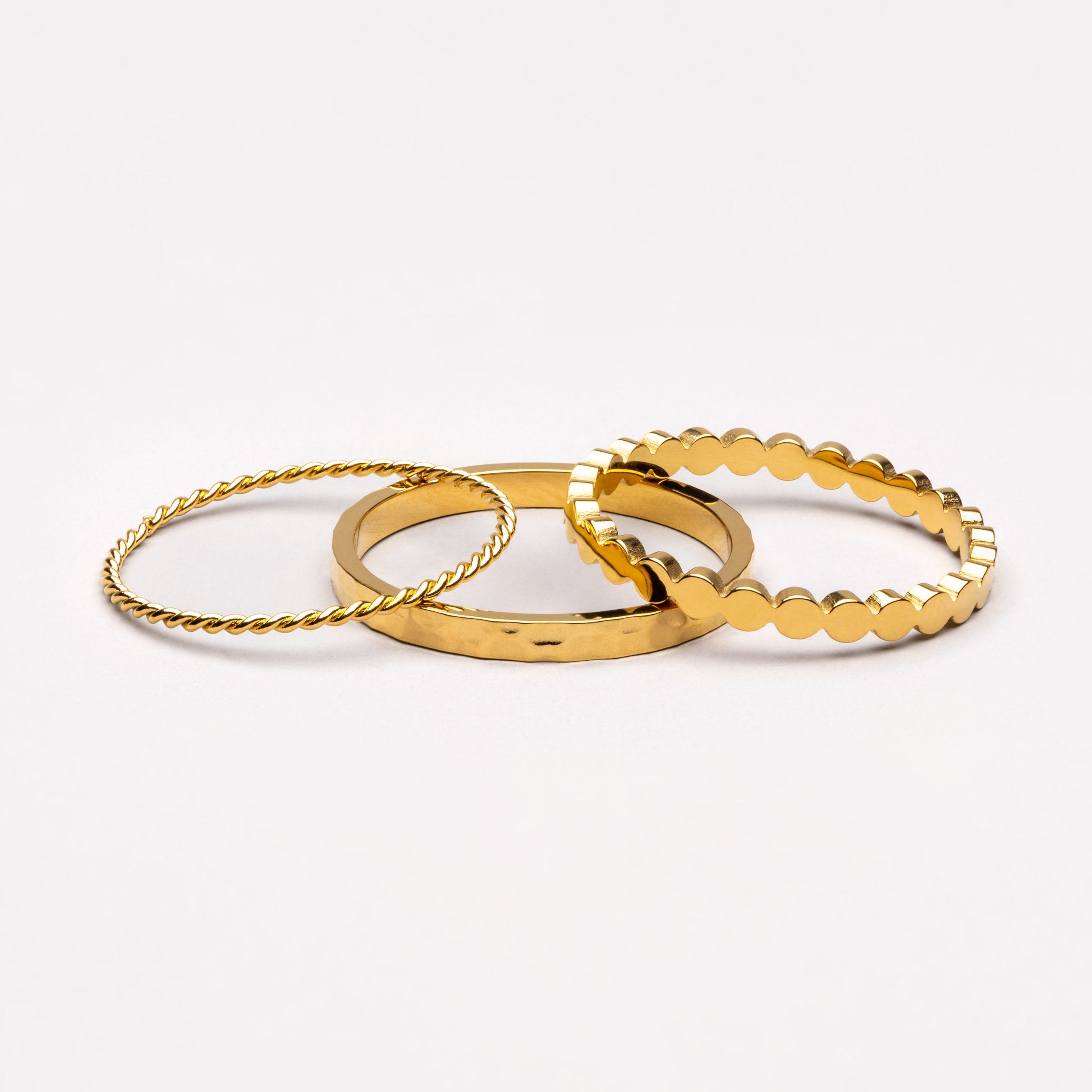
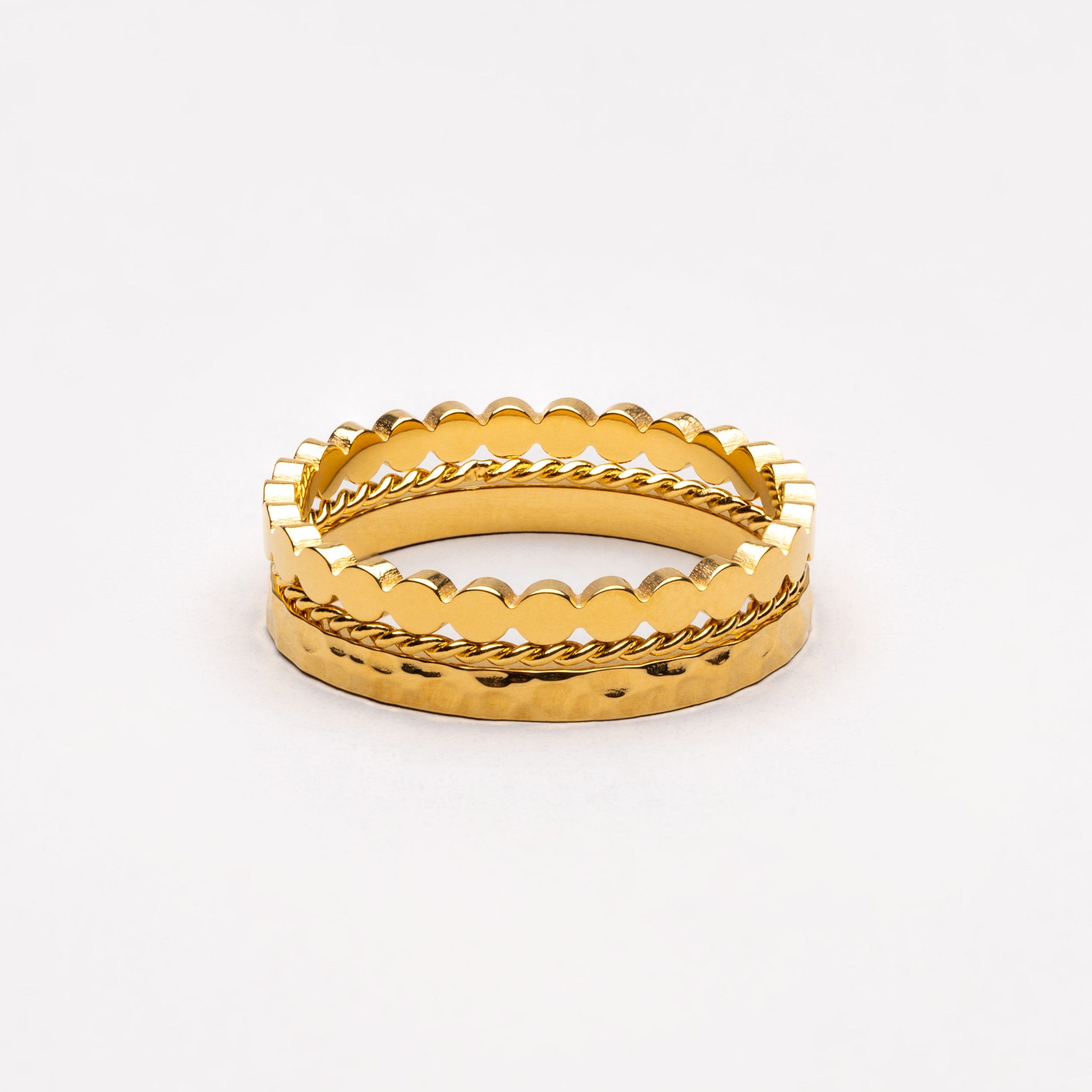
Layering Tips and Mixing Metals
Though trends shift, build your anklet layers from a clean base and progress to bolder accents for balance and comfort. Start with a fine chain at 9–9.5 inches, then add a slightly longer textured link, and finish with a focal charm or gemstone at the longest drop; this chronological stack prevents tangling and showcases depth.
Use layering techniques like alternating weights, varying negative space, and staggering clasps on opposite ankles.
When mixing metals, anchor with one dominant tone—often gold—then weave in silver or rose gold at a 2:1 ratio for harmony. Repeat a shared element—beads, pearls, or bar links—to unify mixing styles.
Fashion historians note modern anklets evolved from South Asian payal traditions to 1990s minimalism to today’s curated stacks (Mukherjee 2017; Steele 2010).
Care, Cleaning, and Storage
After stacking chains and mixing metals with intention, you’ll keep those layers looking sharp by following a simple care routine from wear to storage.
Start before wearing: apply lotions and sunscreen first, then put on anklets to limit residue buildup (FDA, 2022). After each outing, rinse salt, sweat, and chlorine with lukewarm water; pat dry.
For anklet care weekly, use mild soap for gold-filled and sterling; use a polishing cloth for plated pieces to avoid stripping (Jewelers of America, 2023). Reserve ultrasonic cleaners for solid metals only (GIA, 2021). These cleaning techniques prevent abrasion and tarnish.
Next, adopt maintenance tips: inspect clasps, trim snaggy threads, and separate metals during travel.
Finish with storage solutions: individual soft pouches, anti-tarnish tabs, silica gel, and flat chain lay to prevent kinks (CAA, 2020).
Etiquette, Meaning, and Modern Trends
While anklets have cycled from seaside souvenir to runway staple, their etiquette and meaning trace a longer arc: from ancient status markers in Egypt and South Asia to 20th‑century Western beachwear, and now to everyday self-expression.
You’ll find their cultural significance documented in Egyptian tomb art and South Asian bridal jewelry (British Museum; Metropolitan Museum of Art). By the 1960s–80s, surf culture recast them as casual tokens; designers later elevated them on the runway (Vogue archives).
Practice anklet etiquette: consider context, noise, and dress codes; avoid sacred motifs you don’t understand; and ask about left/right-leg customs in India’s regional traditions.
Today, you might stack mixed metals, add charms, or wear minimalist chains—trends amplified by Instagram and street style—while crediting origins and choosing settings thoughtfully.

Frequently Asked Questions
Can Anklets Be Worn During Sports or High-Impact Workouts?
Yes, but choose secure anklet styles first, then test fit before exercise, and finally monitor for irritation to guarantee workout safety. Prioritize silicone or fabric, avoid charms. See ACSM guidelines on jewelry during activity and common sports medicine recommendations.
Are Anklets Allowed in Professional or Uniformed Workplaces?
Yes, if policies allow. First, check your dress code for workplace attire rules. Next, choose discreet anklet styles. Then, confirm safety restrictions. Finally, cite HR guidance and industry norms (SHRM, OSHA) to guarantee compliance before wearing one.
Do Anklets Set off Airport Security or Metal Detectors?
Yes, occasionally. As you approach airport security, remove metal-heavy anklet materials before screening. TSA advises minimizing metal; alloys can trigger detectors. If you forget, you’ll face secondary screening. Plastic, fabric, or silicone anklets rarely alarm. Source: TSA Travel Tips.
Can I Wear Anklets With Compression Socks or Medical Braces?
Yes, you can, but prioritize comfort levels and brace function. First, confirm no pressure points; next, choose soft, adjustable anklets; then, place them over socks, not under braces. Finally, follow clinician guidance. Sources: APTA brace-wear guidelines; orthotics best practices.
Are There Hypoallergenic Anklet Options for Metal Sensitivities?
Yes—you’ve got hypoallergenic anklet options. Start with titanium or niobium, then try surgical stainless steel (316L), platinum, or 14k+ gold. Consider PVD-coated pieces and silk cords for sensitive skin. Patch-test first. Sources: AAD 2022; FDA metal allergies guidance.
Conclusion
You’ve traced anklets from ancient Mesopotamia and Egypt to today’s festival fields, seen how silver, gold, shells, and beads shape style, and learned regional symbolism from India to the Mediterranean (Jones, 2018; Kapoor, 2020). Now you can size them right, pair them with beach or boho looks, layer and mix metals, and care for finishes (Nguyen, 2019). As trends cycle through minimal to maximal, you’ll wear meaning and fashion with confidence—respecting etiquette while expressing yourself (Miller, 2022).









Leave a comment
This site is protected by hCaptcha and the hCaptcha Privacy Policy and Terms of Service apply.