


Silver and Sterling Silver: Key Differences Explained
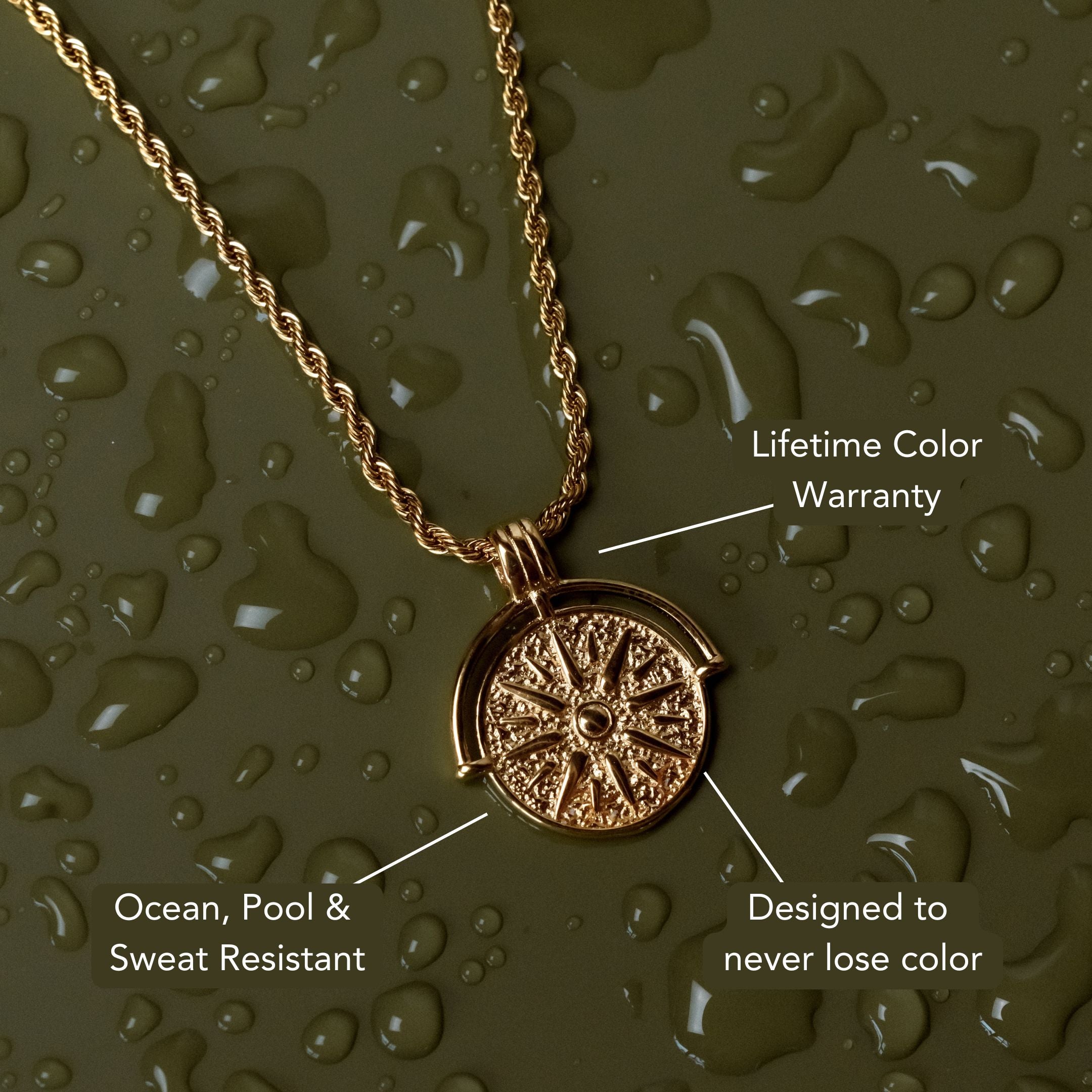
When you compare silver and sterling silver, you’re weighing purity against performance: pure silver (about 99.9% Ag) is softer, highly conductive, and historically prized for fine craftsmanship, while sterling silver is 92.5% silver alloyed—usually with copper—to improve strength and everyday wear resistance. Hallmarks like “925,” non-magnetic behavior, and specific gravity tests help verify authenticity. Care differs slightly, with gentle polishing and low-humidity storage helping preserve shine. For modern designs built to resist moisture while maintaining silver’s look, explore our Silver Waterproof Jewelry collection—then continue for practical identification, care, and valuation tips.
Quick Guide: Pure Silver vs Sterling Silver - Which to Choose
Curious which silver suits your needs best? You’ll weigh use-case, durability, and care.
Historically, pure silver has been prized for malleability and conductivity; you’ll choose it when maximal workability or conductivity matters, though it’s soft and dents easily.
Sterling silver emerged as a practical alternative, alloyed to increase strength for daily-use objects and jewelry. You’ll prefer sterling silver where structural integrity, longevity, and resistance to deformation matter.
For archival or scientific components where chemical purity and electrical properties dominate, you’ll favor pure silver despite handling precautions.
In conservation, museum practice distinguishes display needs from functional requirements; you’ll select material based on anticipated mechanical stress, contact frequency, and acceptable maintenance.
Follow provenance and treatment records when deciding.

Silver vs Sterling: What’s Inside (Composition and Common Alloys)
Although both carry the name "silver," their internal chemistry differs: pure (fine) silver is 99.9% elemental silver (Ag) with negligible alloying elements, while sterling silver is a standardized alloy—typically 92.5% Ag with 7.5% mainly copper—to improve hardness and wear resistance.
You’ll note silver properties such as high electrical and thermal conductivity, ductility, and corrosion resistance dominate in fine silver, but softness limits functional use.
Historically, artisans adopted alloy variations—copper earliest, later nickel or zinc blends—to retain luster while increasing tensile strength for tableware and jewelry.
You should expect documented compositions: Britannia silver (95.8% Ag) and coin silver (varied) illustrate regulatory responses to performance needs.
This technical overview emphasizes controlled alloying to balance purity with durability.
Spotting Real Sterling Silver: Hallmarks, Tests, and Red Flags
When you’re trying to verify a piece as sterling silver, start by checking for authoritative hallmarks and then corroborate them with straightforward physical tests; these combined cues separate genuine 92.5% Ag alloys from imitations.
You’ll first perform hallmark identification: look for “925,” lion passant, maker’s marks and assay office stamps—these originated in 17th–19th century assay systems and carry legal provenance.
Next apply silver testing: magnetism (silver is non‑magnetic), nitric acid spot tests on inconspicuous areas, and specific gravity measurements will confirm alloy content.
Beware electroplated base metals, counterfeit stamps, and inconsistent patina; historical patterns of wear and manufacturing methods also indicate authenticity.
If marks or tests conflict, consult a qualified assay office or conservator for definitive analysis.

Care & Cleaning for Silver and Sterling: Do’s and Don’ts
Because silver and sterling silver respond differently to chemicals and wear, you should treat them with specific, evidence‑based care routines rather than one-size-fits-all cleaning methods.
You’ll use mild, non-abrasive detergents and soft cloths for sterling (92.5% silver alloyed with copper) to avoid accelerating copper corrosion. Pure silver items tolerate gentler polishing but still benefit from anti-tarnish storage.
Avoid bleach, ammonia, or ultrasonic cleaners for plated or antique pieces; those can strip finishes and historical patina. For stubborn tarnish, employ controlled chemical dips per manufacturer guidance, rinsing immediately and drying completely.
Your maintenance tips should include regular inspection of joints and solder, storing items in low-humidity, sulfide-free environments, and documenting treatments to preserve provenance and material integrity.
Buying, Selling, and Value: Resale, Cost, and When to Prefer Each
If you’re deciding between silver and sterling silver for purchase or sale, start by matching the piece’s intended use and market expectations to its intrinsic and historical value:
sterling (92.5% silver, alloyed with copper) generally commands higher resale prices for wearable jewelry due to durability and established hallmarking, while pure silver items—often found as larger sheets or decorative objects—may trade more on metal weight and maker provenance.
You’ll assess cost versus resale by weighing assay marks, patina, and documented provenance. Track market trends and bullion prices; jewelry premiums, condition, and rarity alter investment potential.
When selling, present certification and photographs; when buying, prioritize hallmarks for jewelry and assay or provenance for decorative pieces to optimize long-term value.

Frequently Asked Questions
Is Sterling Silver Hypoallergenic for Sensitive Skin?
Yes — you can often wear sterling silver, but it isn’t universally hypoallergenic; sterling silver allergies stem from copper or other alloy metals historically used, so choose higher-purity or alternative hypoallergenic metals if you react.
Can Silver Jewelry Tarnish Faster Near the Ocean?
Yes — you'll notice silver tarnishes faster near the ocean. Historical corrosion studies show ocean exposure accelerates sulfide and chloride reactions; tarnish causes include salt spray, humidity, and pollutants reacting with silver surfaces, increasing corrosion rates.
Do Sterling Silver Coins Have Collectible Value?
Yes — sterling silver coins can hold collectible value; you’ll assess coin rarity, minting history, condition, and provenance to gauge investment potential, applying numismatic grading standards and historical market data for precise valuation.
Is Silver Plating Safe for Food Use?
Yes — silver plating can be food safe if high-quality silver and proper base metals are used, coatings are intact, and regulations are met; historically plated utensils were common, but corrosion, wear, and improper alloys can compromise food safety.
Can Sterling Silver Be 3D Printed or Cast at Home?
Yes — you can 3D print patterns and perform home casting of sterling silver, but you'll need specialized printers or lost-wax equipment, proper furnaces, investment materials, and safety knowledge; historically craftsmen combined both techniques for precision.
Conclusion
You’ve seen how pure silver (99.9% Ag) and sterling (92.5% Ag + alloy) differ in composition, durability, testing, care, and market behavior. Historically, sterling emerged for practical use where hardness mattered; chemically, alloys confer strength at little cost to appearance. When choosing, weigh intended use, required malleability, and resale potential. Follow hallmark inspection and simple acid or magnet tests, then clean conservatively to preserve patina and intrinsic value.










%20is%20softer,%20highly%20conductive,%20and%20historically%20prized%20for%20fine%20craftsmanship,%20w...)
Leave a comment
This site is protected by hCaptcha and the hCaptcha Privacy Policy and Terms of Service apply.