

Jewelry Care and Maintenance: Complete Guide
Good jewelry care and maintenance is less about occasional deep cleaning and more about a handful of consistent daily habits that prevent damage before it starts. Waterproof Jewelry reduces how much active maintenance a piece needs, but every material still benefits from some baseline care to look its best over years of wear. This guide covers the core principles that apply across all jewelry, material-specific care for gold, silver, stainless steel, gemstones, and pearls, storage practices that prevent damage between wears, and a simple maintenance schedule you can actually stick to.
The Core Principles of Jewelry Care
A few habits apply across nearly every material and piece type, and understanding why they matter makes it easier to apply them consistently rather than treating jewelry care as an occasional chore.
Put jewelry on last and take it off first. Applying perfume, lotion, hairspray, and makeup before putting on jewelry prevents those products from settling directly onto metal and stone surfaces, where they accelerate tarnishing and dull finishes over time. Removing jewelry before showering, swimming, exercising, or sleeping, except for pieces specifically designed for that kind of continuous wear, limits exposure to the conditions that cause the most damage.
Store pieces separately rather than in a pile. Jewelry tangles and scratches other pieces when stored loosely together in a single drawer or dish. Individual compartments, small pouches, or a lined jewelry box protect both the finish and the structural integrity of each piece.

Clean regularly rather than only when a piece looks visibly dull. Buildup from skin oil, sweat, and product residue accumulates gradually and is far easier to remove with light, frequent cleaning than after it has settled into a piece for months.
Know what you own. Understanding whether a piece is solid metal, plated, filled, or coated, and whether stones are natural, treated, or synthetic, determines which of the more specific care steps below actually apply to it.
Material-Specific Care
Gold: Solid, Filled, and Plated
Solid gold at 14K and above is chemically stable and tolerates regular wear and cleaning well. Clean with mild dish soap and warm water, using a soft toothbrush for settings and grooves, then rinse and dry thoroughly.
Gold-filled jewelry has a thicker bonded gold layer than plating and holds up to daily wear reasonably well, but the layer does eventually wear through at high-friction points like ring shanks and clasp edges over years of use. The same gentle soap cleaning applies, with attention to avoiding harsh scrubbing at those wear-prone areas.
Gold-plated jewelry has the thinnest gold layer of the three and requires the gentlest handling. Clean with a soft cloth rather than a toothbrush, use lukewarm rather than hot water, and remove before showering and swimming, since water exposure is one of the fastest ways plating degrades.
Silver
Sterling silver tarnishes through normal air exposure alone, which makes storage as important as cleaning for this material specifically. Store in an airtight bag or container with an anti-tarnish strip when not being worn. For routine cleaning, mild soap and water works for light buildup. For visible tarnish, the baking soda and aluminum foil method, a foil-lined bowl, hot water, baking soda, and salt, removes it effectively through an electrochemical reaction. This method is for solid sterling silver only, not silver-plated pieces.

Stainless Steel and PVD-Coated Jewelry
Stainless steel resists tarnishing and corrosion far better than silver or plated gold, which makes it genuinely lower maintenance. Mild soap and water with a soft toothbrush handles routine buildup effectively, and the material tolerates more frequent and thorough cleaning than reactive metals without concern for surface damage. PVD-coated pieces specifically hold their color through water exposure, sweat, and daily wear without the plating-style degradation that standard gold electroplating experiences, since the coating bonds at the molecular level rather than as a surface layer.
Gemstones
Hard stones, diamond, sapphire, ruby, and cubic zirconia, tolerate regular cleaning with mild soap and a soft toothbrush around the setting. Softer or more porous stones, opal, turquoise, coral, should never be soaked; clean these with only a barely damp soft cloth. All gemstone jewelry benefits from avoiding direct contact with perfume, lotion, and other products, which can dull a stone's surface or, for porous stones specifically, be absorbed into the material itself.
Pearls
Pearls require the gentlest care of any common jewelry material. Never soak pearls in any cleaning solution. Wipe with a soft, slightly damp cloth after each wear to remove skin oil and product residue before it settles into the surface. Apply all perfume and skincare products before putting pearls on, and store them separately from harder jewelry that could scratch the relatively soft nacre surface.

Care by Piece Type
Rings experience the most concentrated daily wear of any jewelry type, through handwashing, cooking, and constant hand contact, so the inner band deserves specific attention during cleaning, not just the visible outer face.
Necklaces and bracelets accumulate buildup at the clasp and inside chain links, spaces that a quick surface wipe misses. A soft toothbrush reaching into these joins during cleaning addresses buildup that would otherwise go unnoticed until it becomes visible.
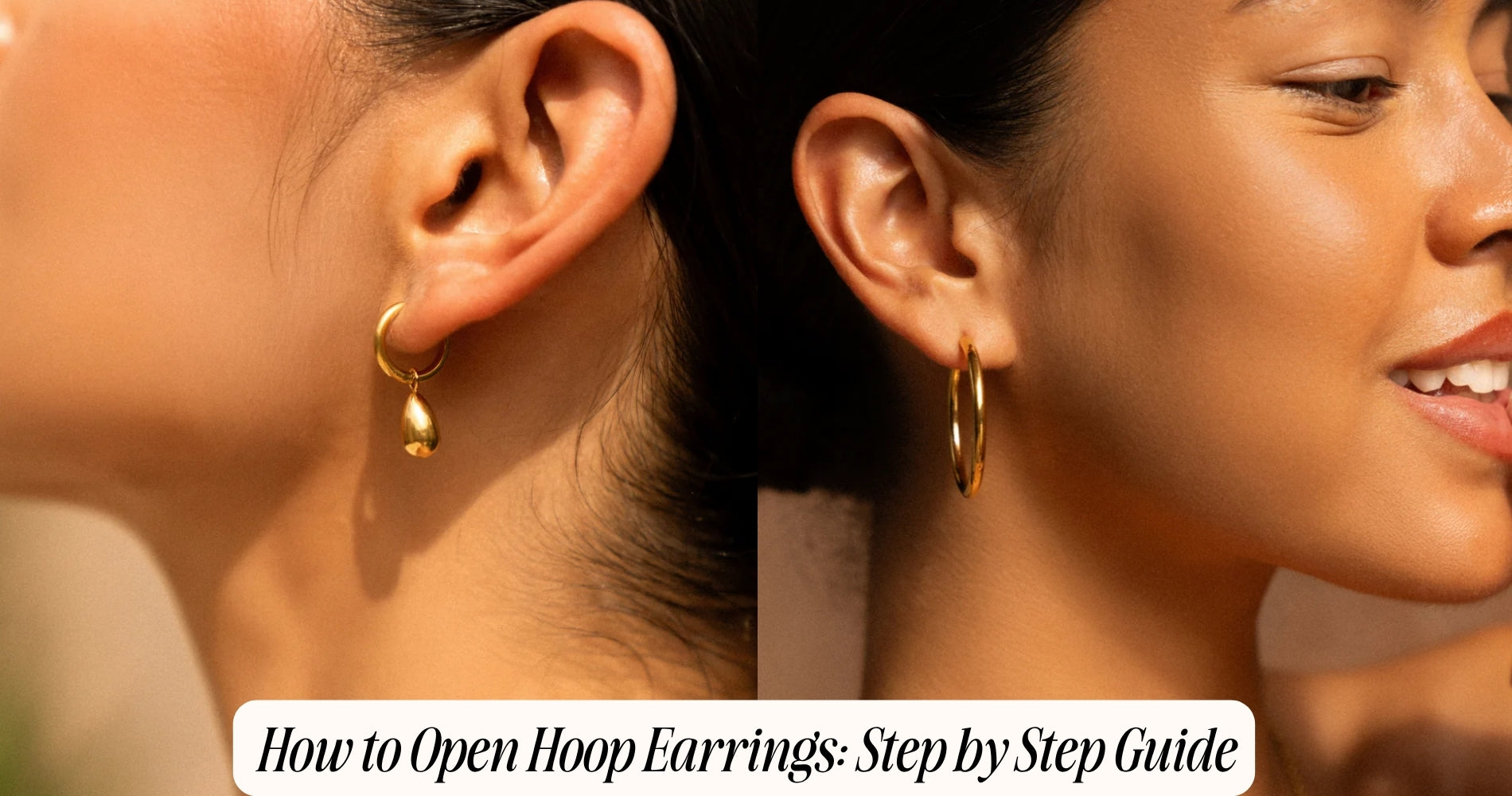
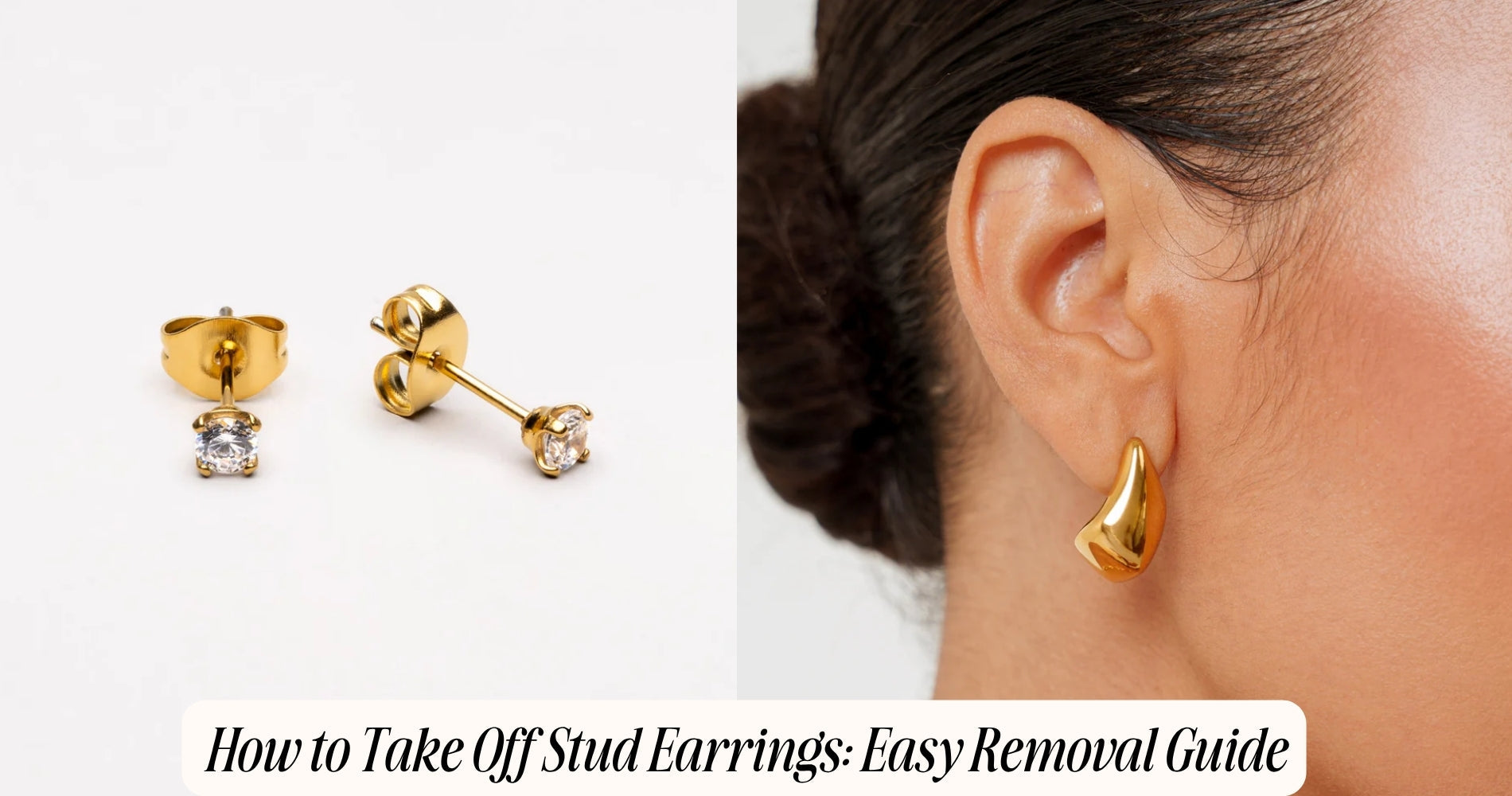
Earrings sit closest to skin at the post, which is also the hardest area to see during a casual glance, making it the most commonly overlooked cleaning spot despite being where buildup concentrates most.
Storage That Prevents Damage
How jewelry is stored between wears affects its condition as much as how it is cleaned.
Keep pieces separated, either in individual pouches, a compartmentalized jewelry box, or hanging organizers for necklaces specifically, since tangled or overlapping pieces scratch each other and are harder to untangle the longer they sit that way. Store away from direct sunlight and extreme temperature swings, both of which can affect certain gemstones and, over long periods, some metal finishes. Keep silver specifically in airtight conditions with an anti-tarnish strip, since it is the material most affected by simple air exposure during storage. Avoid storing jewelry in a bathroom, where humidity from regular showers accelerates tarnishing on silver and can contribute to buildup on other pieces even when they are not being worn.

A Simple Maintenance Schedule
For jewelry worn regularly, a consistent but low-effort schedule keeps every piece in good condition without requiring daily attention.
After each wear, a quick wipe with a soft cloth removes surface oils and product residue before they have a chance to settle in, particularly important for pearls specifically. Weekly, a proper clean with mild soap and water, plus a soft toothbrush for metal pieces, addresses the buildup that accumulates in settings, clasps, and joins over a week of regular wear. Monthly, a closer inspection catches early signs of wear, a loosening stone, a stretching clasp, or the beginning of plating wear at a high-friction point, before they become bigger problems. As needed, deeper treatments like the baking soda tarnish removal method for silver or a professional cleaning and inspection for fine jewelry address issues that routine cleaning does not fully resolve.
When Material Choice Simplifies Maintenance
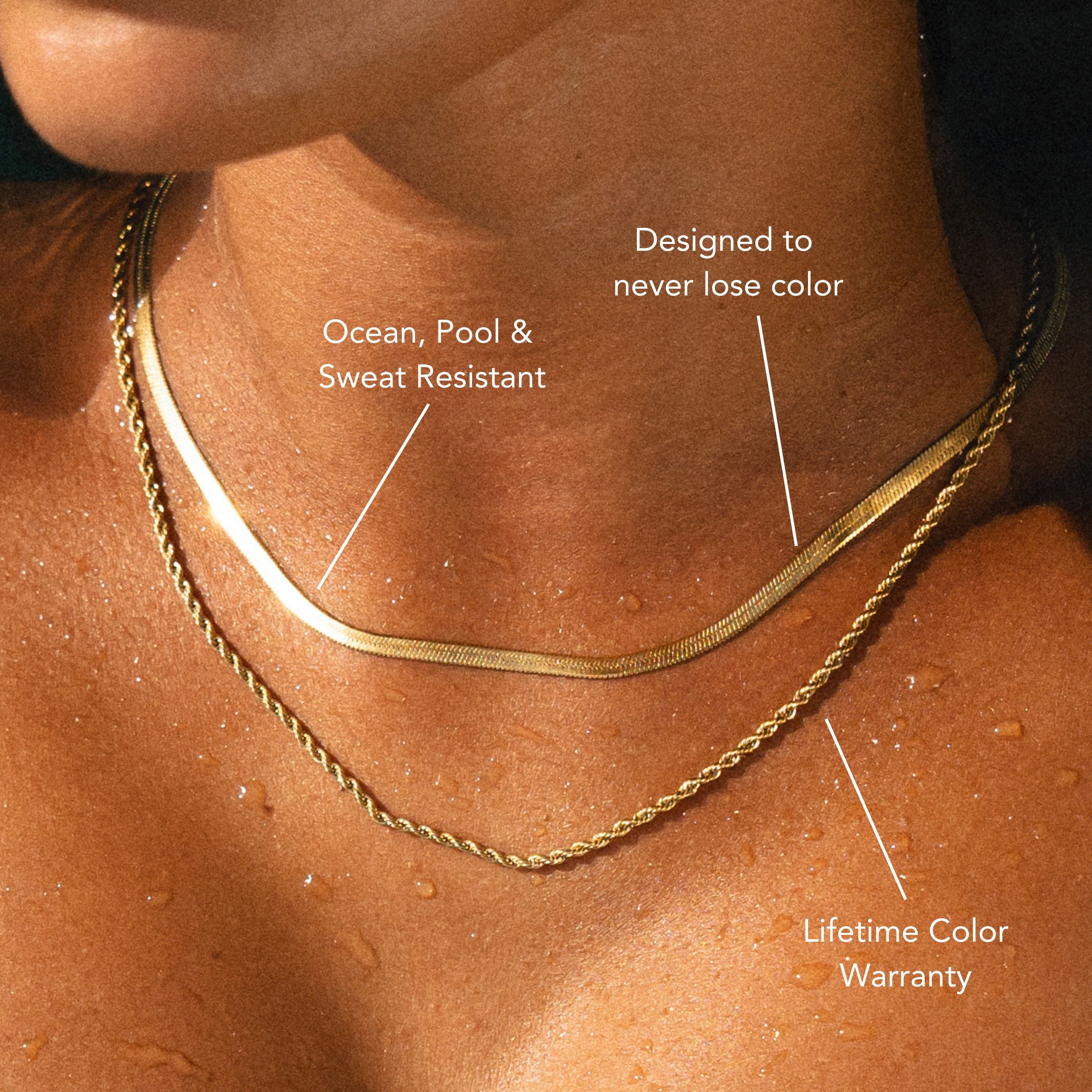
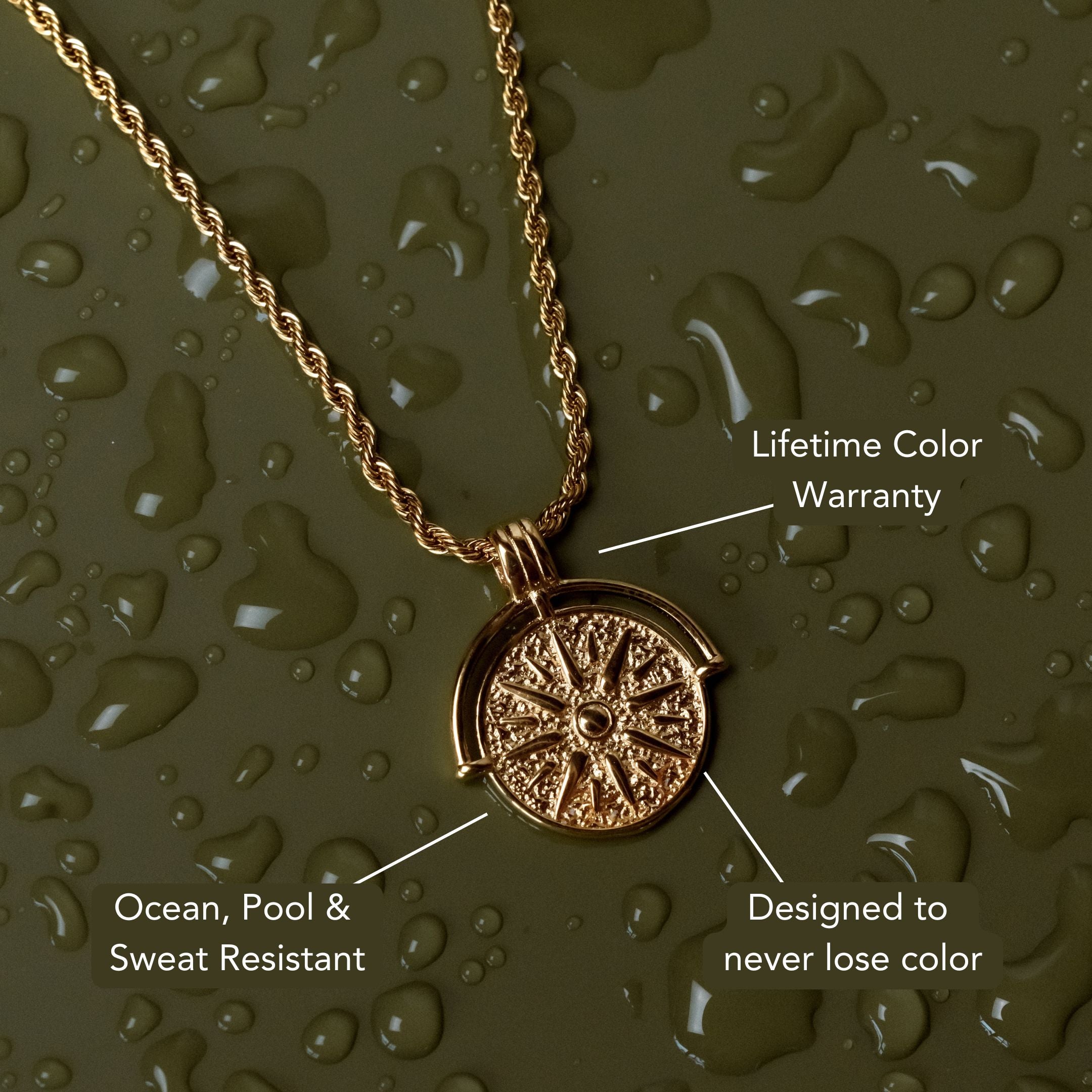
For anyone who wants to minimize how much active care jewelry actually requires, material selection at the point of purchase makes a bigger difference than any cleaning routine can compensate for afterward. Sterling silver requires the most consistent attention due to air tarnishing. Gold plating requires the most careful handling due to its thin, vulnerable surface layer. PVD-coated stainless steel sits at the other end of that spectrum, resisting tarnishing, corrosion, and water damage well enough that routine care becomes a matter of occasional cleaning rather than active management. ATOLEA's waterproof jewelry range is built on PVD-coated 316L stainless steel throughout, with a lifetime color warranty that reflects how little ongoing maintenance the material genuinely requires to hold its appearance through years of daily wear.

Frequently Asked Questions
How often should you clean your jewelry?
A quick wipe after each wear removes surface oils before they settle in, which matters most for pearls specifically. A more thorough clean with mild soap and a soft toothbrush once a week addresses buildup in settings, clasps, and chain links for pieces worn regularly. Jewelry worn only occasionally should be cleaned before wearing and before storing.
What is the safest all-purpose jewelry cleaner?
Mild, unscented dish soap diluted in warm water is the safest general-purpose cleaner across most materials, including gold, silver, stainless steel, and hard gemstones. It should not be used to soak pearls or porous stones like opal and turquoise, which require only a barely damp cloth instead.
How should jewelry be stored to prevent damage?
Store pieces individually rather than in a single pile, using pouches, a compartmentalized box, or hanging organizers for necklaces. Keep silver in airtight conditions with an anti-tarnish strip specifically, since it tarnishes through simple air exposure. Avoid bathroom storage, where humidity accelerates tarnishing, and avoid direct sunlight, which can affect certain stones and finishes over time.
Does jewelry material affect how much maintenance it needs?
Significantly. Sterling silver requires the most frequent attention due to tarnishing through air exposure alone. Gold-plated jewelry requires the gentlest handling due to its thin surface layer. Solid gold and PVD-coated stainless steel require the least active maintenance, since neither reacts to air, water, or normal wear the way silver and plated pieces do.
What is the biggest mistake people make in jewelry care?
Treating cleaning as something to do only after a piece already looks visibly dull or tarnished, rather than as a light, regular habit. Buildup and tarnish are both far easier to prevent and remove when addressed weekly than after they have had months to settle into a piece's settings, clasps, and surface texture.
Building a Routine That Actually Lasts
Jewelry care and maintenance comes down to a small set of consistent habits applied regularly rather than an elaborate routine reserved for special pieces: put jewelry on last and take it off first, store pieces separately and appropriately for their material, clean weekly with the right method for what each piece is made from, and choose materials that reduce how much of that maintenance is required in the first place. A few minutes a week protects the appearance and longevity of any collection far more effectively than an occasional deep clean after months of neglect.









Leave a comment
This site is protected by hCaptcha and the hCaptcha Privacy Policy and Terms of Service apply.