

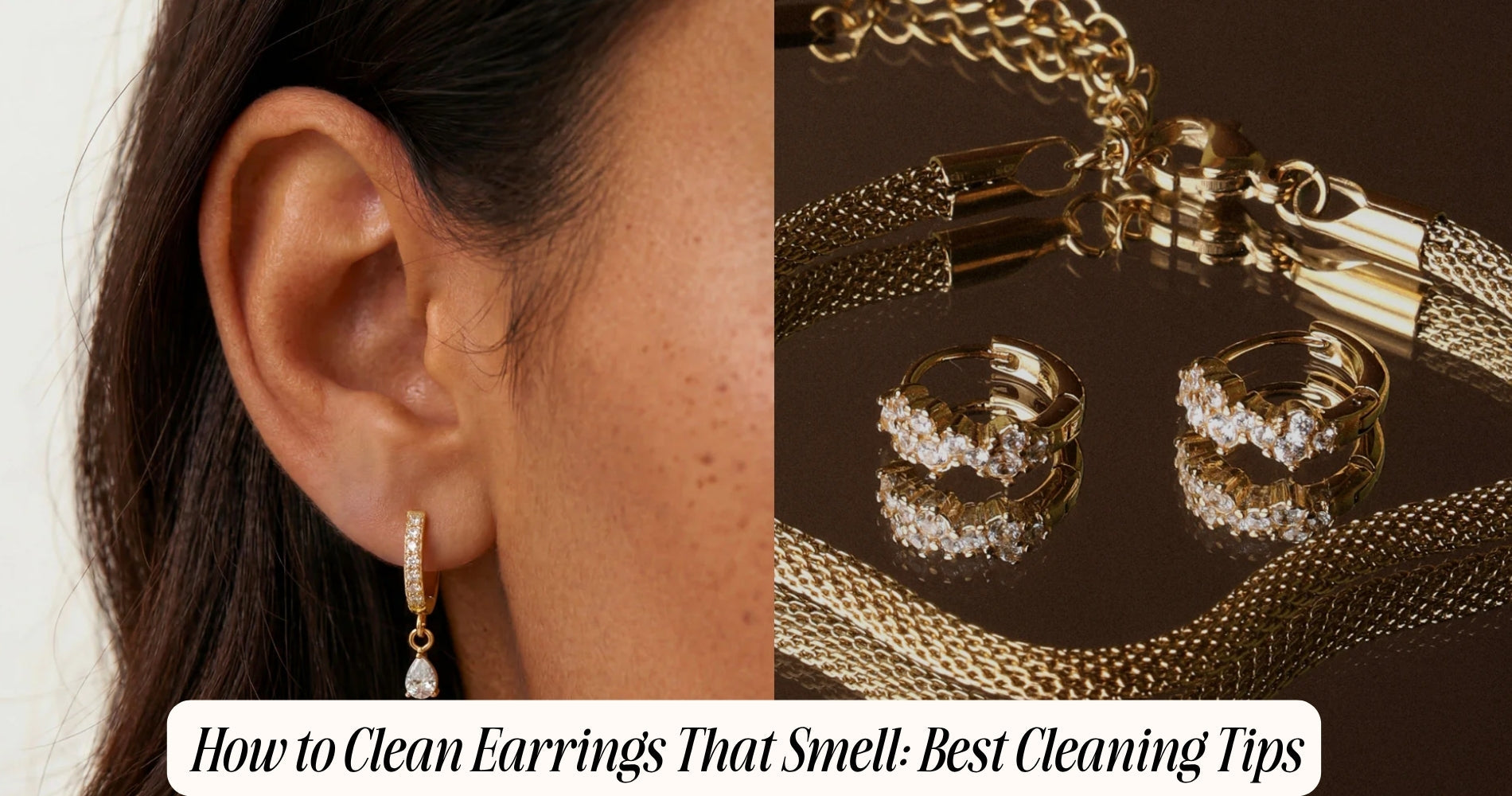
How to Clean Earrings That Smell: Best Cleaning Tips
A smell coming from your earrings is a cleaning problem with a straightforward solution, not something to be embarrassed about or ignore. Knowing how to clean earrings that smell means using the right method for the specific material and following a routine thorough enough to reach the parts of the earring where odor actually builds up, not just the visible surface. Waterproof Earrings are built to handle frequent cleaning without any material breakdown, which makes this kind of thorough routine easy to maintain. This guide walks through exactly what you need, the cleaning steps for each earring material, how to reach the areas odor hides in, and how often to repeat the process to keep it from coming back.
What You Will Need
A basic earring cleaning kit requires only a few inexpensive items, most of which are already in a typical home.
A small bowl for soaking. A soft-bristled toothbrush, ideally one set aside specifically for jewelry rather than shared with any other use. Mild, unscented dish soap. A soft, lint-free cloth for drying. Optional but useful additions include cotton swabs for reaching small gaps, a small container of 70 percent isopropyl alcohol for a disinfecting step, and, for sterling silver specifically, aluminum foil and baking soda for tarnish removal.
None of this requires a specialty jewelry cleaning product to get a genuinely thorough result for routine odor removal.

How to Clean Earrings That Smell: Step by Step
Step 1: Remove and inspect. Take the earrings out and look closely at the post, the back mechanism, and any settings under good light. Odor-causing buildup, a waxy or slightly yellowed residue, is often visible once you look closely, particularly around the point where the post meets the face of the earring and inside any butterfly back mechanism.
Step 2: Soak. Fill a small bowl with warm water and add two or three drops of mild dish soap. Submerge the earrings fully and let them sit for three to five minutes. This softens sebum and product buildup so it lifts away more easily rather than requiring aggressive scrubbing.
Step 3: Brush. Using the soft-bristled toothbrush, gently scrub the post along its full length, the back mechanism, opening butterfly backs fully to clean the interior of the wing, and any grooves or settings on the face of the earring. Work in small, gentle strokes rather than heavy pressure, particularly on any plated or delicate surfaces.
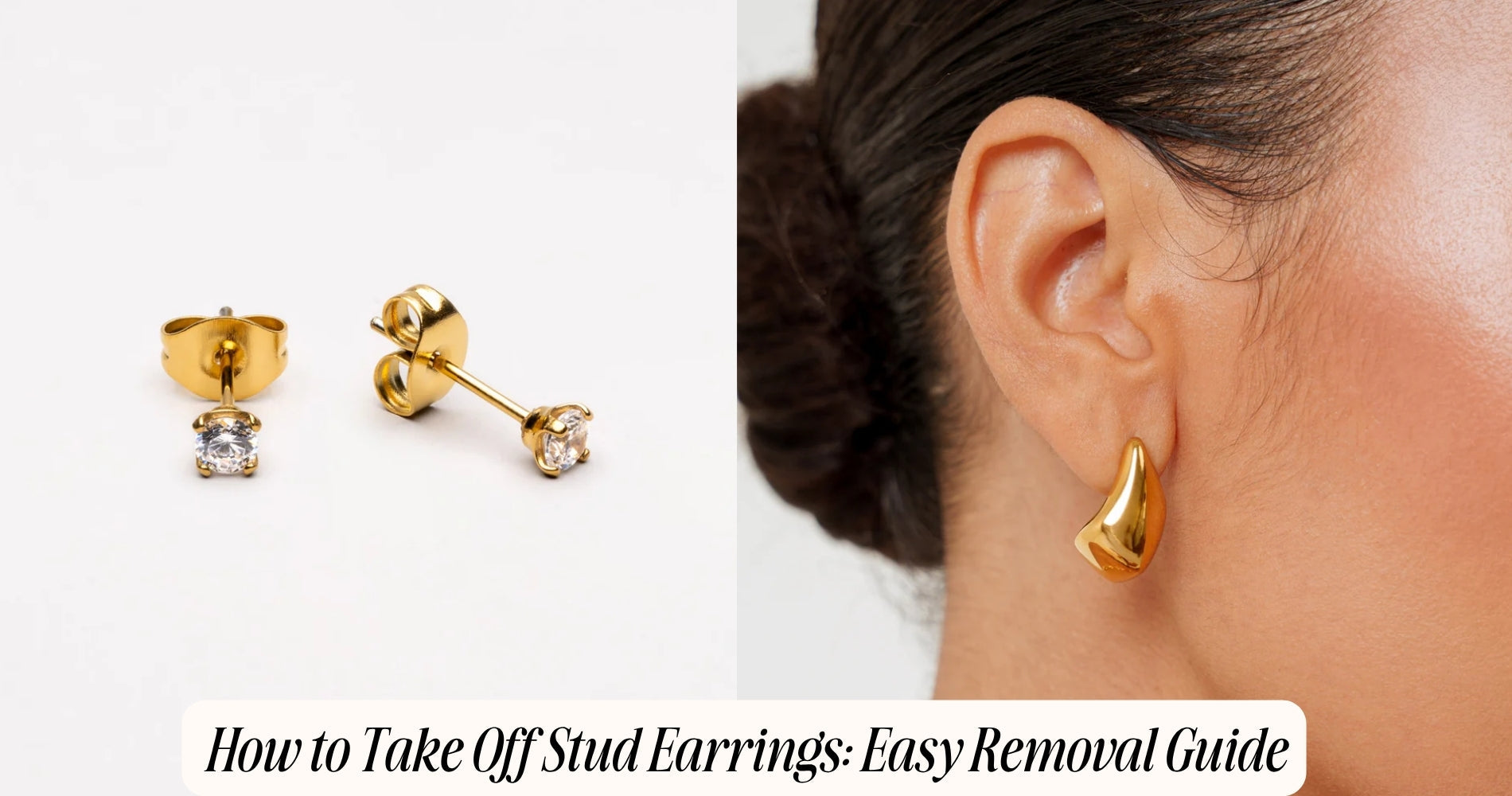
Step 4: Reach the small gaps. Use a cotton swab dipped in the soapy water to reach into tighter spaces a toothbrush cannot access cleanly, particularly the underside of a flat back disc or the interior curve of a hoop's hinge mechanism.
Step 5: Rinse thoroughly. Rinse each earring under running water, making sure no soap residue remains in any grooves, settings, or mechanisms. Leftover soap can dry and contribute to buildup just as much as the original residue.
Step 6: Dry completely. Pat dry with a soft, lint-free cloth, then let the earrings air dry for a few additional minutes before wearing or storing. Any earring put away while still damp is prone to developing new odor-causing buildup faster than one that started fully dry.
Step 7, optional: Disinfect. For a deeper clean, particularly if odor has been a recurring problem, follow the soap cleaning with a brief wipe using a cotton pad dampened with 70 percent isopropyl alcohol, focused on the post and back mechanism specifically. Allow 30 seconds of contact before drying. Skip this step for pearls and soft or porous stones.

Cleaning by Material
Gold, gold-filled, and PVD gold-tone earrings tolerate the full soap-and-toothbrush routine above well. For gold-plated pieces specifically, use a soft cloth instead of a toothbrush to avoid accelerating plating wear at friction points.
Sterling silver earrings respond well to the standard soap routine for light odor and buildup. For earrings that have also developed visible tarnish alongside the smell, the baking soda and aluminum foil method addresses both at once: line a bowl with foil, add hot water, a tablespoon each of baking soda and salt, and soak for two to five minutes before rinsing and drying thoroughly.
Stainless steel and PVD-coated stainless steel earrings tolerate the full cleaning routine, including regular toothbrush use, without concern for surface damage, since the material does not react to soap or mild abrasion.
Stone-set earrings follow the standard routine for hard stones like diamond, sapphire, or cubic zirconia, brushing gently around the setting where buildup tends to concentrate. For soft or porous stones like opal or turquoise, skip the soak entirely and clean using only a barely damp cloth.
Pearl earrings should never be soaked. Wipe the pearl surface with a soft, slightly damp cloth, and clean the post and back separately with a cloth barely dampened in the soap solution, keeping moisture away from where the pearl meets its setting.

Where Odor Actually Hides
Understanding exactly where smell concentrates helps you clean more effectively rather than just wiping the most visible surface.
The post, particularly the section that sits inside the piercing itself, is usually the primary source, since it sits in the warmest, most enclosed part of the earring against skin continuously. Butterfly backs are a close second, since the small wing shape traps sebum and moisture against the back of the lobe in a space that gets little airflow. The junction where a decorative front piece meets a threaded or threadless post is a third common spot, since this seam can trap residue that a quick surface wipe misses entirely. Any textured or detailed setting on the front face also accumulates buildup in its grooves, even though this area rarely contributes as much to overall odor as the post and back.
Focusing extra attention on these specific zones during Steps 3 and 4 above produces a noticeably better result than a quick, generalized wipe of the whole piece.
How Often to Repeat the Cleaning Routine
For earrings worn continuously without daily removal, a full cleaning once a week keeps buildup from reaching the point where odor becomes noticeable. For earrings worn through gym sessions, hot weather, or any condition involving significant sweat, cleaning every three to four days keeps pace with the faster buildup rate those conditions create. For earrings that are removed and stored between wears, a quick clean before each wear, plus a more thorough version weekly, covers most situations effectively.
If odor returns quickly, within a day or two, after a full cleaning, that is a signal worth paying attention to. It often points toward the post material itself contributing to the smell rather than simply accumulated buildup, since a corroding or reactive metal post produces its own metallic, sulfurous odor that cleaning cannot fully resolve, only reduce temporarily.

What to Avoid When Cleaning
A few common approaches cause more problems than they solve. Toothpaste is frequently suggested online for jewelry cleaning, but its abrasive particles, designed for dental enamel, scratch most jewelry surfaces and dull finishes over repeated use. Hydrogen peroxide reacts poorly with sterling silver, accelerating tarnish, and can also damage plating. Very hot water can soften the bond on plated pieces, so lukewarm rather than hot is the safer choice for anything gold-plated. Vigorous scrubbing on delicate settings or plated surfaces removes material rather than just buildup, so gentle pressure throughout the routine matters more than how hard you scrub.
When Cleaning Alone Does Not Resolve the Smell
If a thorough cleaning routine, repeated consistently, does not fully resolve persistent odor, the earring's base metal is likely contributing directly. A post made from a reactive alloy, brass or a lower-quality steel beneath worn plating, corrodes inside the warm, moist piercing environment and produces its own odor that no amount of surface cleaning fully addresses, since the smell originates from an ongoing chemical reaction rather than simple accumulated residue.
Switching to earrings with a non-reactive post material, surgical-grade stainless steel, titanium, or solid gold, removes this contributing factor entirely. PVD-coated stainless steel combines this non-reactive quality with a durable finish that tolerates the frequent, thorough cleaning routine described in this guide without any wear concern, which matters for anyone who wants to clean regularly without worrying about degrading the piece over time. ATOLEA's waterproof earring range is built on PVD-coated 316L stainless steel throughout the post, back, and face, holding up to weekly cleaning indefinitely while resisting the corrosion that contributes to persistent odor in lower-quality metals.

Frequently Asked Questions
What is the fastest way to clean smelly earrings?
Soak the earrings in warm water with a few drops of mild dish soap for three to five minutes, then gently scrub the post and back mechanism with a soft toothbrush, rinse thoroughly, and dry completely. This basic routine resolves most odor caused by everyday buildup in under ten minutes.
Can you use rubbing alcohol to clean smelly earrings?
Yes, as a follow-up disinfecting step after washing rather than a replacement for it. Apply 70 percent isopropyl alcohol with a cotton pad to the post and back mechanism specifically, allow about 30 seconds of contact, then dry thoroughly. Skip this step for pearls and soft or porous stones, which alcohol can damage.
Why do my earrings still smell after cleaning?
If odor returns quickly after a thorough cleaning, the post material itself may be contributing through corrosion, particularly if the earrings are gold-plated over a base metal that has become exposed. Switching to a non-reactive post material like surgical steel, titanium, or solid gold typically resolves odor that cleaning alone cannot fully address.
How do I clean the back of butterfly back earrings?
Open the butterfly back fully during cleaning rather than leaving it closed, since the interior of the wing mechanism is where sebum and moisture concentrate most heavily. Use a soft toothbrush or a cotton swab dipped in soapy water to reach into the opened mechanism directly, then rinse thoroughly and dry completely before closing it again.
How often should I clean earrings to prevent smell?
A weekly full cleaning is sufficient for earrings worn continuously under normal conditions. Increase to every three to four days for earrings worn through gym sessions, hot weather, or heavy sweat exposure. Earrings that are removed between wears benefit from a quick clean before each use in addition to a more thorough weekly routine.
Keeping Earrings Fresh With a Simple Routine
How to clean earrings that smell comes down to a consistent process: soak, brush thoroughly with attention to the post and back mechanism specifically, rinse completely, and dry fully before wearing or storing. Repeating this weekly, or more often during active or hot-weather wear, keeps buildup from ever reaching the point where odor becomes noticeable. If smell returns quickly despite a thorough routine, the post material is likely the underlying cause, and switching to a non-reactive metal resolves what cleaning alone cannot.










Leave a comment
This site is protected by hCaptcha and the hCaptcha Privacy Policy and Terms of Service apply.