

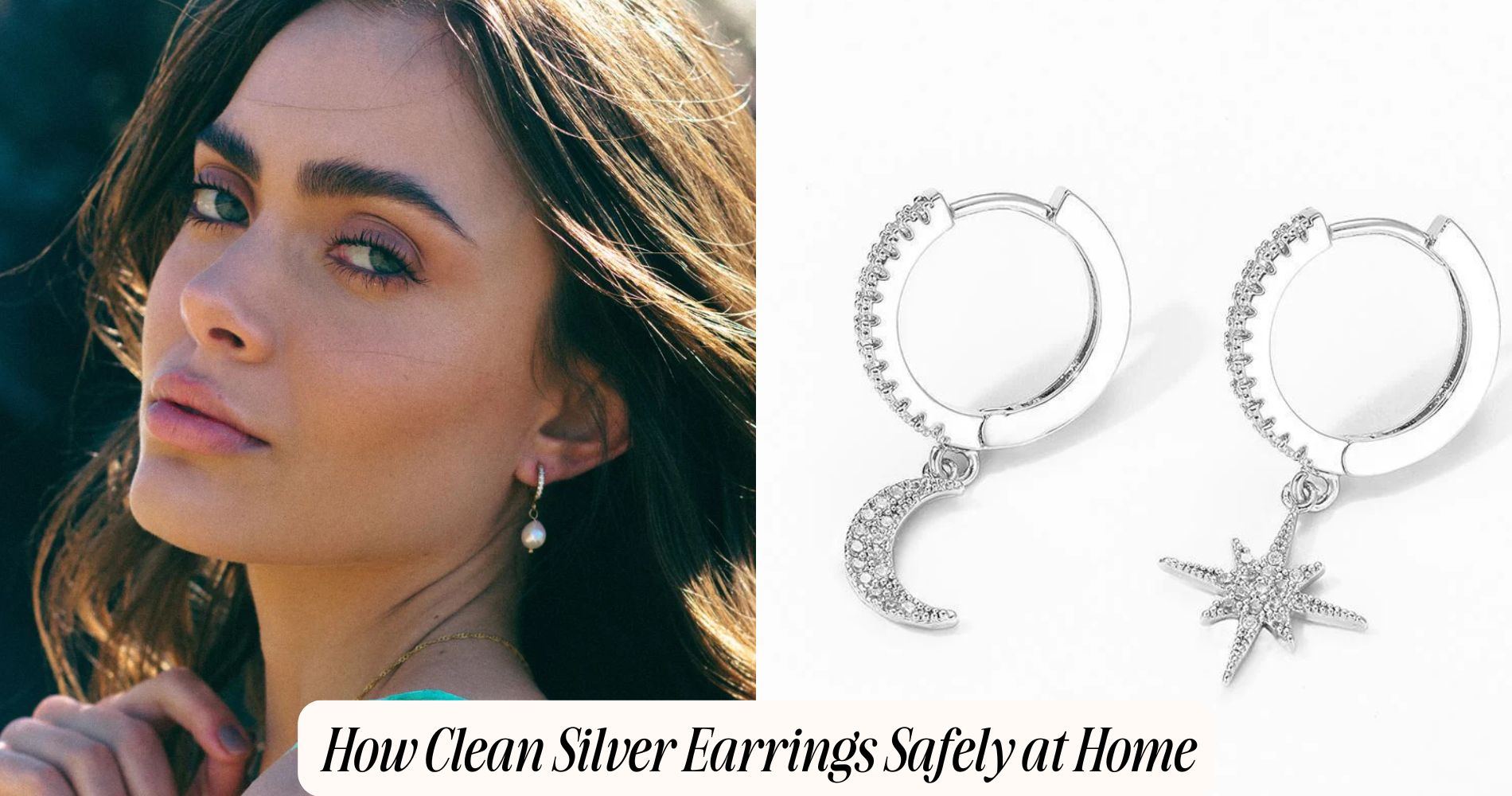
How Clean Silver Earrings Safely at Home
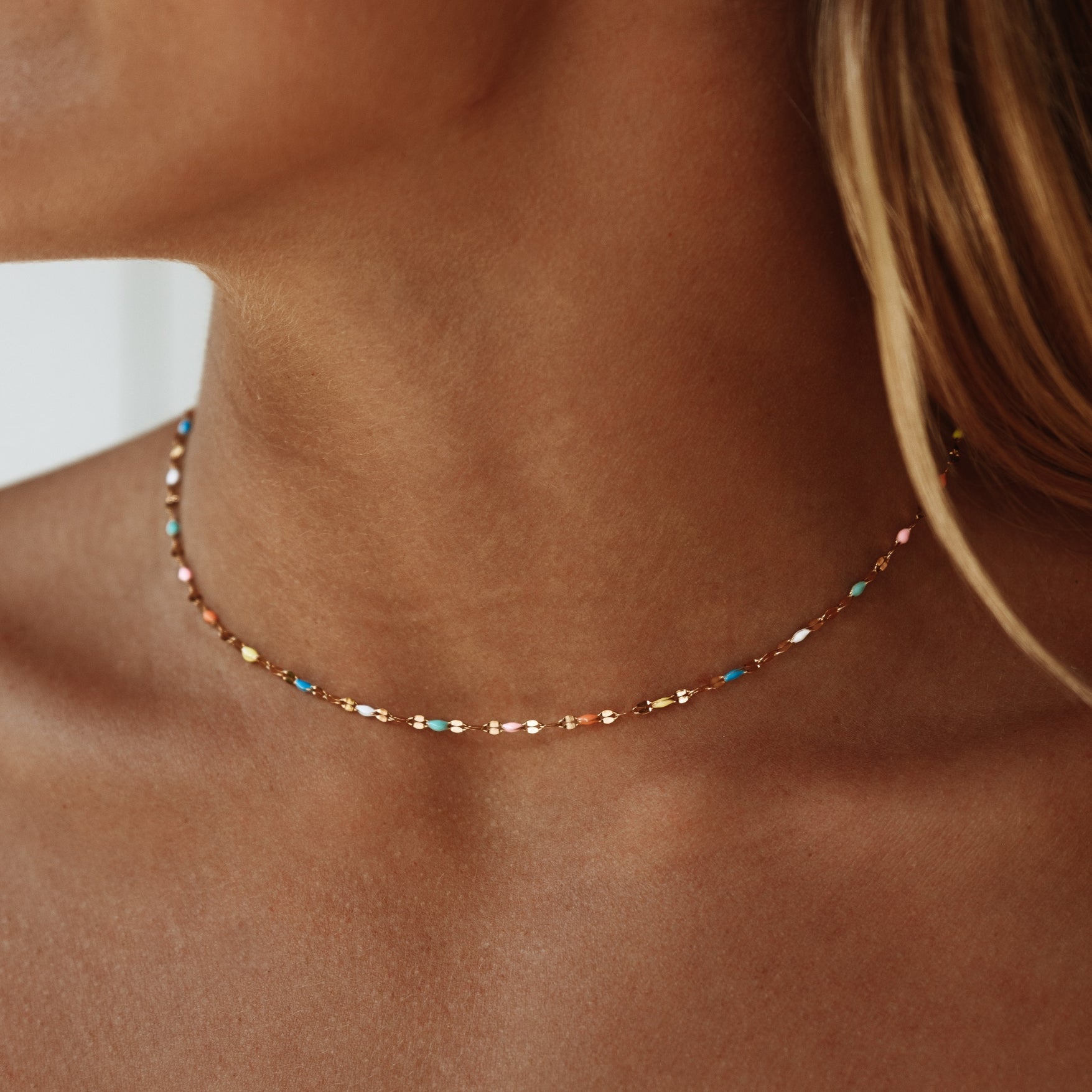
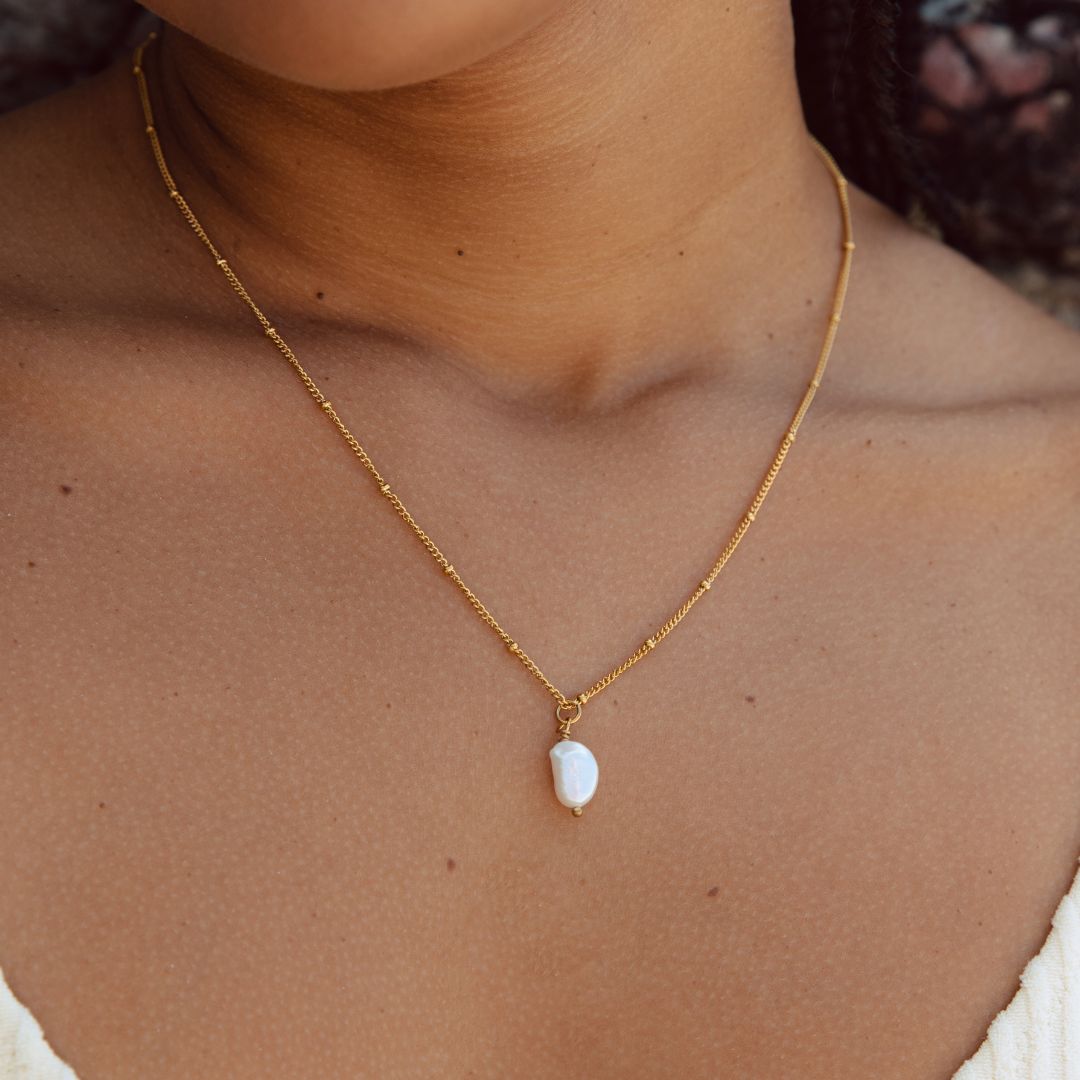
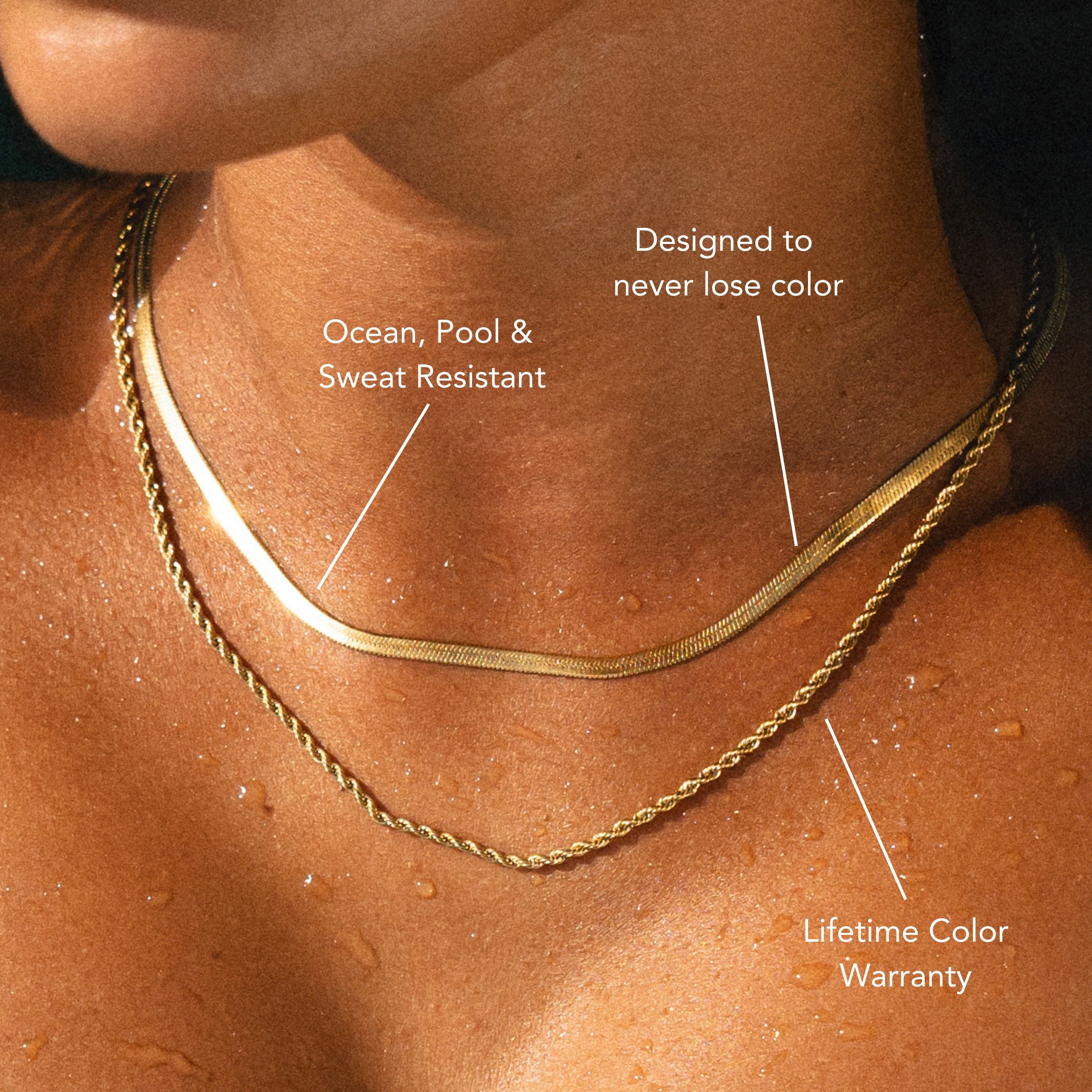
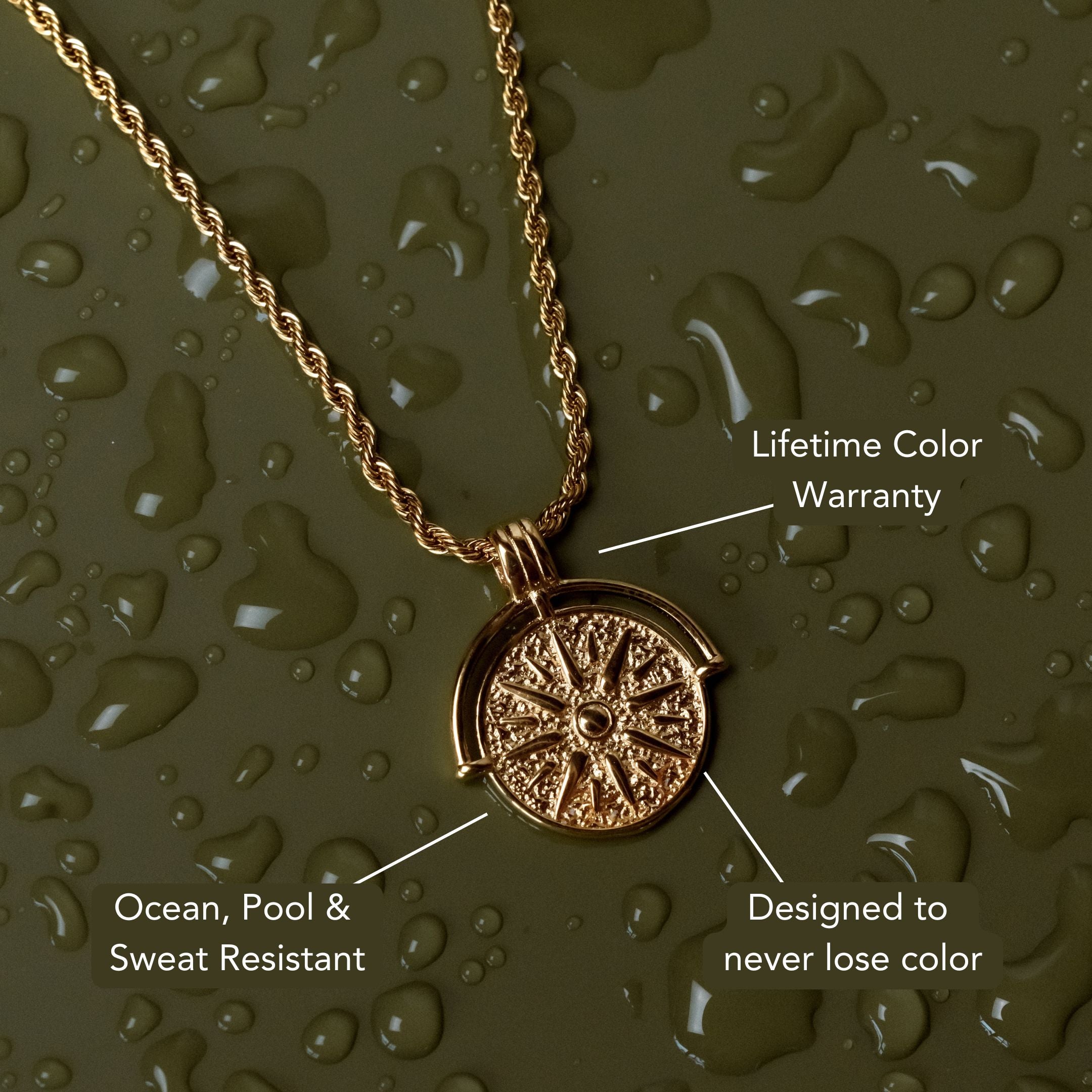
How clean silver earrings? Start by identifying what you have: “925/STERLING” means solid silver, “SP/SSP” indicates silver-plated, and a bright mirror-white finish may be rhodium. For solid silver, line a glass bowl with aluminum foil and pour in near-boiling water mixed with 1 tbsp baking soda and 1 tsp salt. Submerge the earrings so they touch the foil for 2–3 minutes, then rinse with distilled water and dry completely. Keep gemstones, pearls, and inlays out of cleaning baths—use a barely damp microfiber cloth instead. Avoid abrasives and ammonia, and store pieces dry in zip bags with anti-tarnish strips. Choosing durable pieces like Waterproof Jewelry can also help reduce tarnish buildup over time, and more fine points follow.
What You’ll Need: Tools and Gentle Cleaners
Start with a soft, lint-free microfiber cloth, a small bowl, warm water, mild dish soap (dye- and fragrance-free), a soft-bristled toothbrush, cotton swabs, and nitrile gloves. These are your necessary tools for controlled, low-abrasion care.
The microfiber cloth lifts particulates without scratching. The bowl lets you mix precise ratios of cleaning solutions: use warm water with one to two drops of mild dish soap per cup. The soft toothbrush reaches crevices; cotton swabs target posts, backs, and filigree. Gloves prevent skin oils transferring to silver.
Add a non-gel, alcohol-free polishing cloth for final burnish. Keep distilled water on hand to avoid mineral spotting. Avoid toothpaste, baking soda slurries, bleach, ammonia, and abrasive powders.
Use a fine-mesh strainer to secure small pieces during rinsing.
How to Identify Sterling, Plated, and Special Finishes
With your tools set, confirm what you’re cleaning so you choose methods that won’t strip finishes.
Start by identifying markings: “925,” “STERLING,” or “STG” indicate solid sterling silver. “800–900” suggests lower silver content common in vintage pieces. “GP,” “HGE,” “RGP,” or “GEP” denote gold plating; “SSP” or “SP” indicate silver plating. “Rhodium,” “RH,” or a bright, mirror-white sheen points to a rhodium-plated finish.
Blackened areas with uniform depth imply intentional oxidation or patina.
Assess finish differences under magnification. Sterling shows continuous metal at wear points; plated items reveal brassy or base-metal color where edges rub. Rhodium appears cooler and more reflective than bare sterling.
Brush a magnet nearby to screen for ferromagnetic bases (plated). Note inlays, enamel, stones, or lacquer—these alter safe handling.
Step-by-Step: Safe Cleaning for Solid Silver
Two goals guide safe cleaning of solid sterling: remove tarnish efficiently and preserve metal and joins.
Work on solid silver only. Line a glass bowl with aluminum foil, shiny side up. Mix a hot solution: 1 cup near-boiling water, 1 tbsp baking soda, 1 tsp salt. Submerge earrings touching the foil; electrochemical reduction lifts silver sulfide. Agitate gently for 2–3 minutes. Rinse in warm distilled water. Pat dry with lint-free microfiber.
If tarnish persists, use mechanical cleaning techniques sparingly: a jeweler’s silver cloth or 0.5–1 µm polishing cloth. Wipe with light, linear strokes; avoid over-polishing edges and solder seams. Rinse again to remove residues.
Dry thoroughly, including posts and backs. Finish with isopropyl alcohol (70%) on a swab to degrease. Store in airtight pouches.
Extra Care for Gemstones, Pearls, and Inlays
Although sterling can tolerate aggressive methods, mounted stones, organics, and inlays demand gentler, material-specific care.
Prioritize gemstone protection by isolating settings from liquid immersion. Use a barely damp, lint-free cloth with pH-neutral soap to wipe metal, keeping moisture away from foil backs, fracture-filled stones, and porous gems (opal, turquoise, lapis). Dry immediately with airflow, not heat.
For pearl care, treat pearls as organics: no soaking, no detergents. Wipe each pearl with a clean, slightly damp microfiber cloth after wear to remove acids and oils, then let it air-dry flat. Inspect silk or nylon threading; if fuzzy or stretched, restring.
For inlays (wood, resin, enamel), avoid saturation. Clean edges with a soft brush and minimal solution, then blot. Store pieces individually to prevent abrasion and minimize humidity swings.
What to Avoid: Abrasives, Chemicals, and Common Mistakes
Before you reach for a quick fix, know what harms silver most: abrasives, harsh chemicals, and heat.
Skip toothpaste, baking soda pastes, scouring powders, and scrub pads—these abrasive materials create micro-scratches that thin plating and dull polish. Avoid bleach, ammonia, acetone, alcohol gels, and sulfur-containing dips; aggressive chemical reactions can pit silver, lift rhodium or gold vermeil, and destabilize adhesives.
Don’t boil earrings or use steam; thermal shock can warp posts, craze enamel, and fracture stones.
Never ultrasonically clean pieces with glued settings or oxidized finishes. Don’t soak for extended periods; prolonged exposure wicks moisture into crevices and promotes corrosion.
Rinse thoroughly after any cleaner, then pat—don’t rub—dry with a soft, non-lint cloth. Handle posts gently to prevent bending and metal fatigue.
Preventing Tarnish: Storage and Daily Habits
A few disciplined habits prevent tarnish by limiting silver’s exposure to sulfur, oxygen, moisture, and abrasion.
Prioritize airtight containment: store earrings in individual polyethylene zip bags with most air pressed out, then place them in a rigid, lined box. Add activated charcoal or commercial anti-tarnish strips for targeted tarnish prevention. Keep desiccant packets in the container to control humidity below 50%.
Apply storage tips that reduce contact and friction: separate pieces to avoid micro-scratches, choose soft, non-woven fabric pouches, and avoid wool or felt, which off-gas sulfur.
Remove earrings before swimming, showering, exercising, or sleeping; chlorine, perspiration, and friction accelerate oxidation. Handle silver by the posts, not decorative faces, to minimize skin oils.
Store away from bathrooms, radiators, and windows to avoid heat and vapor.

Quick Maintenance Routines for Lasting Shine
Smart storage slows tarnish, but routine touch-ups keep silver earrings bright between deep cleans. Use these quick tips as a maintenance checklist.
After each wear, wipe earrings with a dry, lint-free microfiber cloth to remove skin oils, sweat, and pollutants.
Weekly, rinse with lukewarm water, a drop of pH-neutral dish soap, and a soft brush; rinse thoroughly and pat dry.
For stubborn dullness, use a treated silver polishing cloth; avoid liquid dips on pieces with stones or patina.
Inspect posts, backs, and joins; tighten loose backs and replace worn silicone guards.
Keep silica gel packets in your jewelry box and rotate earrings to reduce handling.
Never store damp.
Apply cosmetics first, then insert earrings.
Log cleanings monthly to standardize results and timing.
Frequently Asked Questions
How Often Should I Professionally Service Heavily Tarnished Heirloom Earrings?
You should schedule professional service every 12–18 months. This cadence guarantees controlled tarnish removal, secure stone settings, and heirloom preservation. If tarnish accelerates or wear appears, increase frequency to annually. Document treatments to maintain provenance and material integrity.
Can Ultrasonic Cleaners Damage Silver Earring Posts or Solder Joints?
Yes, ultrasonic cleaners can stress posts and weaken solder joints, depending on alloy, joint quality, and frequency. You’ll balance ultrasonic cleaner effectiveness with silver earring durability: use mild solutions, lower power, short cycles, and avoid stones, cracks, or loose settings.
What Should I Do if My Ears React After Cleaning?
Immediately remove the earrings, cleanse lobes with saline, and apply cold compresses. Use soothing remedies like 1% hydrocortisone and oral antihistamines for allergy reactions. Avoid irritants, switch to hypoallergenic metals, monitor for infection, and consult a clinician if symptoms persist.
Are Eco-Friendly Silver Polishes as Effective as Conventional Ones?
Yes, many eco-friendly silver polishes match conventional effectiveness. You’ll see strong tarnish removal if formulations include mild acids and chelators. Prioritize natural cleaning solutions with verified abrasion ratings, neutral pH, and anti-tarnish inhibitors. Always spot-test porous stones.
How Do I Clean Intricate Filigree Without Bending Delicate Parts?
Use a soft brush and mild soap solution for gentle cleaning; support the filigree from beneath. Employ delicate handling, dab rather than scrub, rinse with distilled water, pat dry, then air-dry completely. Avoid dips, ultrasonic cleaners, and abrasive cloths.
Conclusion
You’ve got the tools, techniques, and safeguards to clean silver earrings without damage. Confirm the metal type, select the mildest effective method, and protect stones and coatings with targeted care. Avoid abrasives, harsh chemicals, and ultrasonic cleaners for sensitive pieces. Dry thoroughly, store in anti-tarnish conditions, and rotate silica or charcoal desiccants. Finish with a light polish cloth pass. With consistent, brief maintenance, you’ll prevent tarnish, preserve integrity, and keep your earrings bright, hygienic, and wearable.









Leave a comment
This site is protected by hCaptcha and the hCaptcha Privacy Policy and Terms of Service apply.