

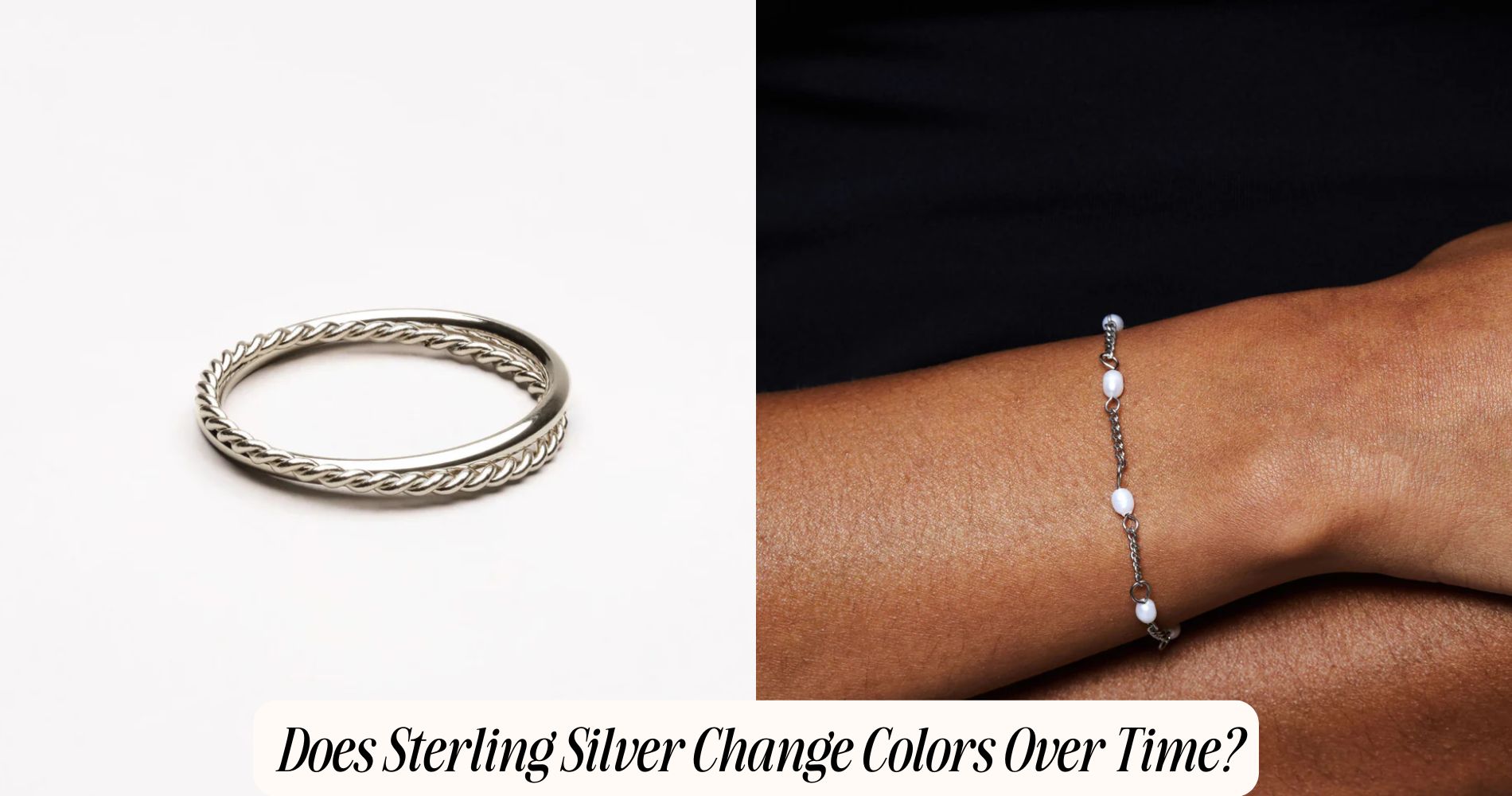
Does Sterling Silver Change Colors Over Time?
Does sterling silver change colors? Yes—sterling silver naturally darkens over time as it reacts with sulfur, moisture, and airborne pollutants to form a thin layer of silver-sulfide tarnish. The speed varies based on humidity, sweat, skin oils, and contact with materials like rubber, wool, or certain foods—some pieces shift in days, others take months in dry storage.
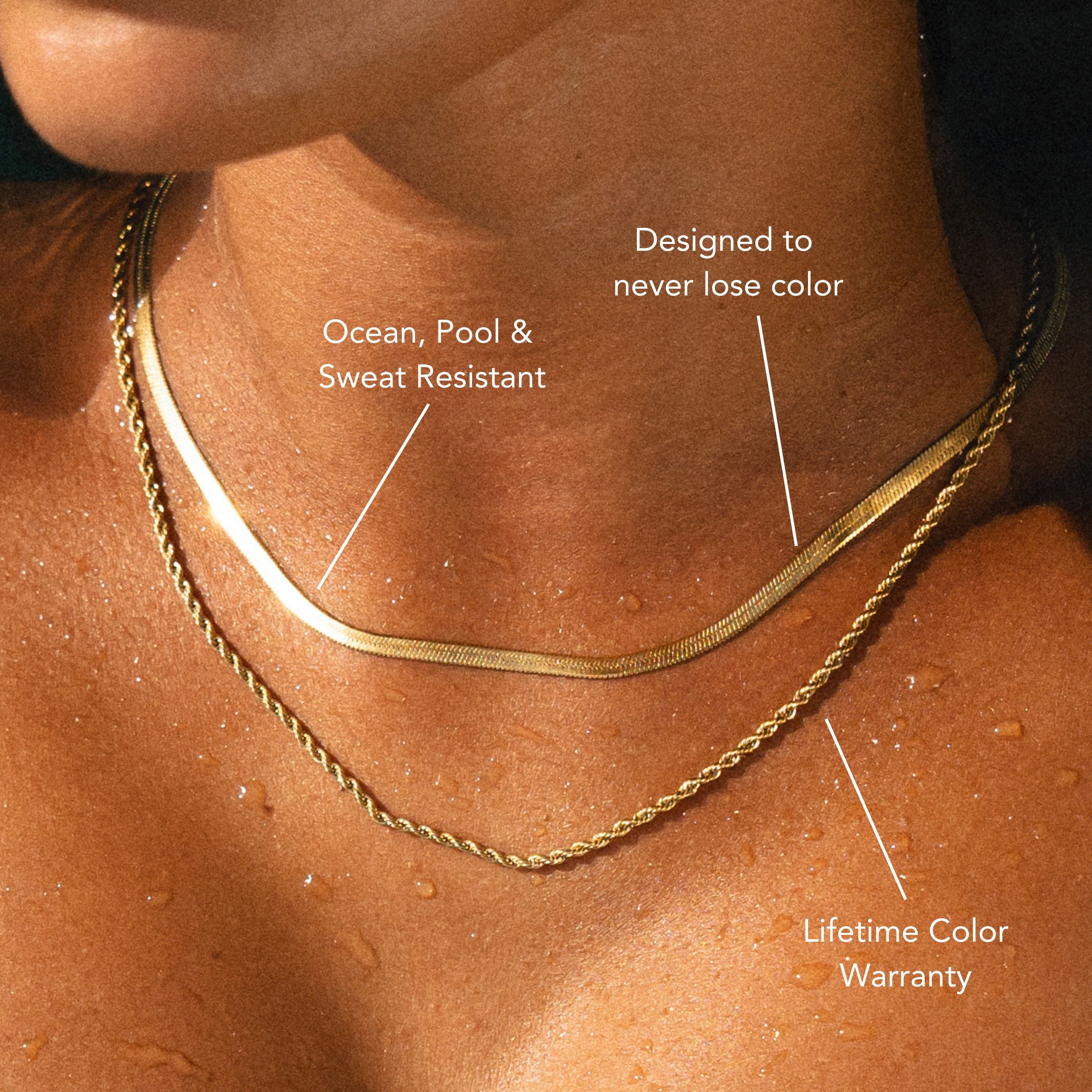
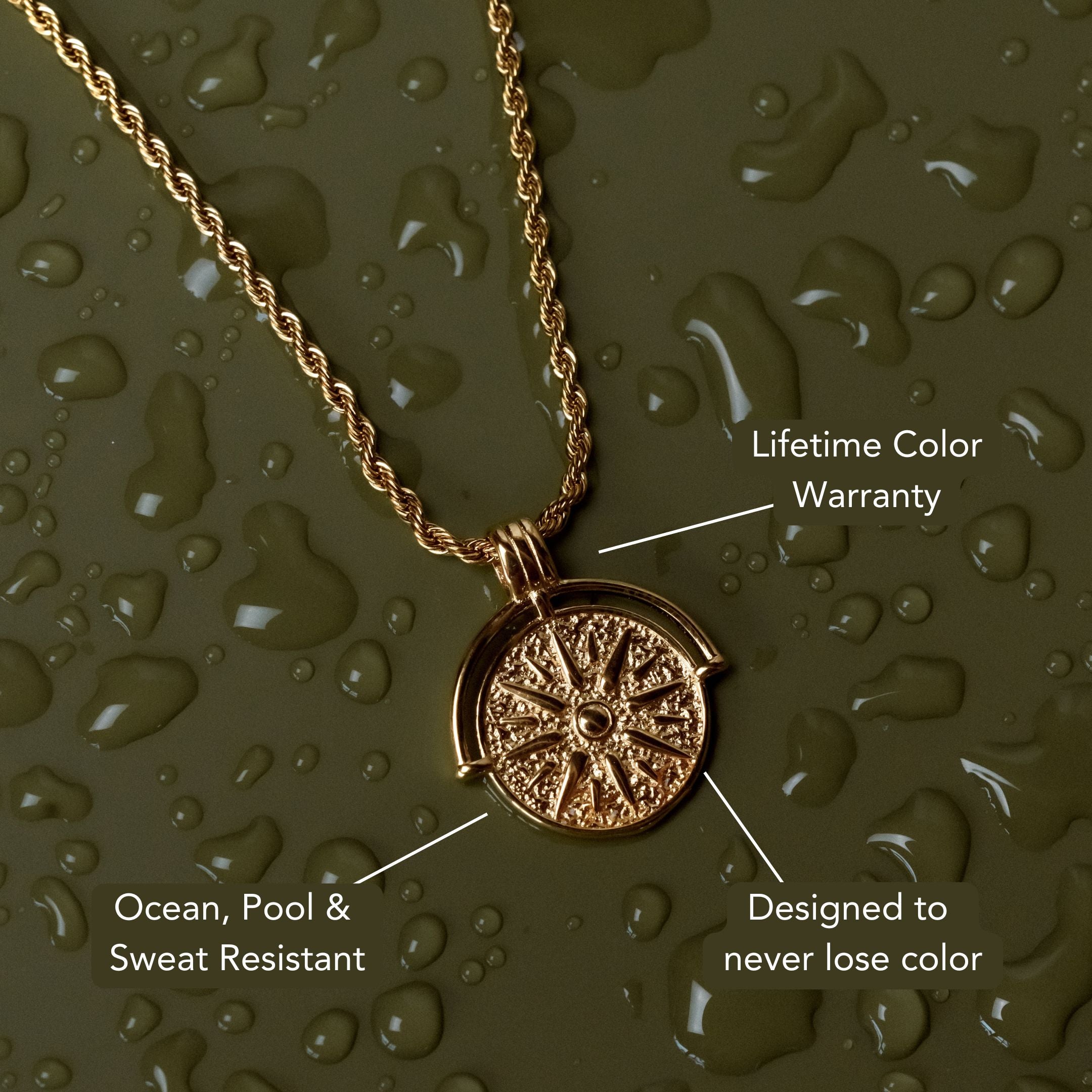
Tarnish can be removed gently and slowed with proper cleaning and airtight, anti-tarnish storage. For low-maintenance designs made to resist daily exposure, explore our Waterproof Jewelry collection—then read on for exact prevention and care techniques.
Does Sterling Silver Change Color : How Quickly?
Although sterling silver resists corrosion better than pure silver, it will tarnish over time when exposed to sulfur compounds and moisture, and you can usually see visible darkening within days to weeks depending on conditions.
You should expect color variations based on environment: humid, polluted, or direct-skin-contact situations accelerate visible change, while dry, clean storage slows it. Measure progression by photographing pieces under consistent lighting and noting onset, rate, and pattern.
The oxidation process produces a thin sulfide layer that first appears as slight dulling, then localized dark patches, then broader gray or black tonality; this sequence typically unfolds over weeks to months for everyday-worn items and months to years for stored pieces.
Track variables to predict longevity accurately.

What Causes Sterling Silver To Tarnish?
When you expose sterling silver to sulfur-containing compounds in air, water, or on skin, a chemical reaction forms silver sulfide on the surface and produces tarnish.
Moisture, pollutants (like hydrogen sulfide), sweat, and certain foods (eggs, onions) supply the reactive sulfur while chlorides and acids can accelerate corrosion and pitting.
Your sterling silver’s silver composition—typically 92.5% silver alloyed with copper—affects susceptibility: copper sites promote the oxidation process by providing reactive interfaces.
Tarnish is consequently an interfacial chemical change, not simple dirt. Environmental sulfur reacts with metallic silver atoms, yielding a dark sulfide layer.
Understanding alloy ratios and the oxidation process lets you predict and mitigate tarnish: control exposure, reduce moisture, and avoid sulfurous chemicals to minimize formation of silver sulfide and preserve surface appearance.
How Quickly Will Tarnish Appear And What Speeds It Up?
Knowing what causes tarnish helps predict how fast it will form on your silver. Tarnish formation typically appears within days to months depending on exposure.
You’ll see faster darkening when silver contacts sulfur compounds (eg, eggs, rubber, polluted air), high humidity, or chlorides; each accelerates the chemical reaction that produces silver sulfide.
Temperature and frequency of handling matter: warmer environments and skin oils increase reaction rates.
Storage choices are critical—open-air display tarnishes quicker than sealed, desiccant-equipped containers.
Household activities like cooking or using cleaning agents with sulfides raise local concentrations of reactive species and speed discoloration.
Measure risk by evaluating environmental factors and exposure duration; reducing those variables predictably slows tarnish formation and prolongs visible brightness.

How Can I Clean Discolored Sterling Silver Safely?
If your sterling silver has darkened, you can remove tarnish safely by using gentle, well-tested methods and avoiding abrasive chemicals or tools that strip the silver or its plate.
Start by evaluating finish and any gemstones; porous or soft stones need different care. For plain sterling, prepare a mild detergent bath (warm water, pH-neutral soap) and a soft cotton or microfiber cloth to remove surface grime.
For light tarnish, use a commercial silver polish formulated for sterling or a homemade paste of baking soda and water applied gently with a soft cloth; rinse thoroughly and dry immediately.
Use only safe materials—cotton, microfiber, latex-free gloves, and nonabrasive polishes. Test any cleaning method on an inconspicuous area first.
How Can I Prevent Sterling Silver From Tarnishing?
Why does sterling silver tarnish, and what practical steps can you take to slow it?
Tarnish forms when silver reacts with sulfur compounds and oxygen; humidity, lotions, and pollutants accelerate it.
For effective tarnish prevention, store pieces in airtight bags with anti-tarnish strips or silica gel to reduce moisture and sulfur exposure.
Wear jewelry often—skin oils can slow oxidation—but remove it for swimming, showers, and heavy perspiration.
Apply cosmetics, sunscreen, and perfumes before putting on silver.
Clean regularly with a soft cloth and mild, non-abrasive cleaner to remove contaminants that catalyze tarnish.
For long-term jewelry care, inspect prongs and clasps and professional-clean annually if worn frequently.
These targeted steps reduce chemical exposure and materially extend the original appearance of sterling silver.

Frequently Asked Questions
Is Sterling Silver Hypoallergenic for Sensitive Skin?
Yes — sterling silver is generally hypoallergenic, but it can cause reactions for some. You’ll find sterling silver properties include 92.5% silver with copper alloy; sensitive skin reactions usually stem from copper or contaminants rather than pure silver.
Can Sterling Silver Be Worn in Salt Water or Pools?
You can wear sterling silver in pools or salt water, but it’s risky: salt water effects accelerate sterling silver corrosion, causing tarnish and pitting over time. Rinse, dry, and limit exposure to minimize damage and preserve finish.
How Does Sterling Silver Compare to Silver-Plated Items?
Sterling silver’s solid composition gives you greater silver durability and longevity, while silver-plated items depend on plating quality; plated pieces wear and expose base metal sooner, so you’ll need replacements or replating more often.
Does Sterling Silver Lose Value Over Time?
No — sterling silver doesn't inherently lose value over time; you’ll see fluctuations driven by market demand and investment potential, so its worth varies with silver prices, condition, and collector interest rather than automatic depreciation.
Can Restoration Return Heavily Tarnished Silver to Original Finish?
Yes — you can restore heavily tarnished silver to near-original finish: use proven tarnish removal steps, controlled polishing techniques, mild abrasive pastes, and professional ultrasonic or electrochemical treatments, testing and documenting results to avoid over-polishing damage.
Conclusion
Sterling silver will tarnish over time, but you can control it. Because sterling is 92.5% silver mixed with copper, exposure to sulfur compounds, moisture, and air causes a predictable oxide/sulfide layer to form. Tarnish can appear within days to months depending on conditions. Clean gently with a silver-specific polish or mild detergent and store items in anti-tarnish bags or silica-packed, airtight containers. Regular, careful maintenance prevents long-term damage and preserves shine.











Leave a comment
This site is protected by hCaptcha and the hCaptcha Privacy Policy and Terms of Service apply.