

Different Kinds of Jewelry Explained
Understand different kinds of jewelry by navigating each category through form and data. Rings demand clear metal assays (e.g., 18k gold, 950 platinum), diamond origin disclosure (HPHT or CVD), and durability checks. Necklaces require karat verification, chain tensile strength testing, and certified pendants. Earrings call for hypoallergenic alloys, rhodium thickness above 0.1 μm, and secure backs, while bracelets and bangles depend on proper fit tolerances, clasp repeatability, and controlled surface finishes. For designs engineered to meet durability benchmarks in everyday wear, explore our Waterproof Jewelry collection. Always look for GIA, AGS, or IGI reports with spectroscopy-backed treatment notes. Continue for precise classifications, lab indicators, and maintenance intervals that protect long-term value.
Rings: From Engagement Classics to Everyday Bands
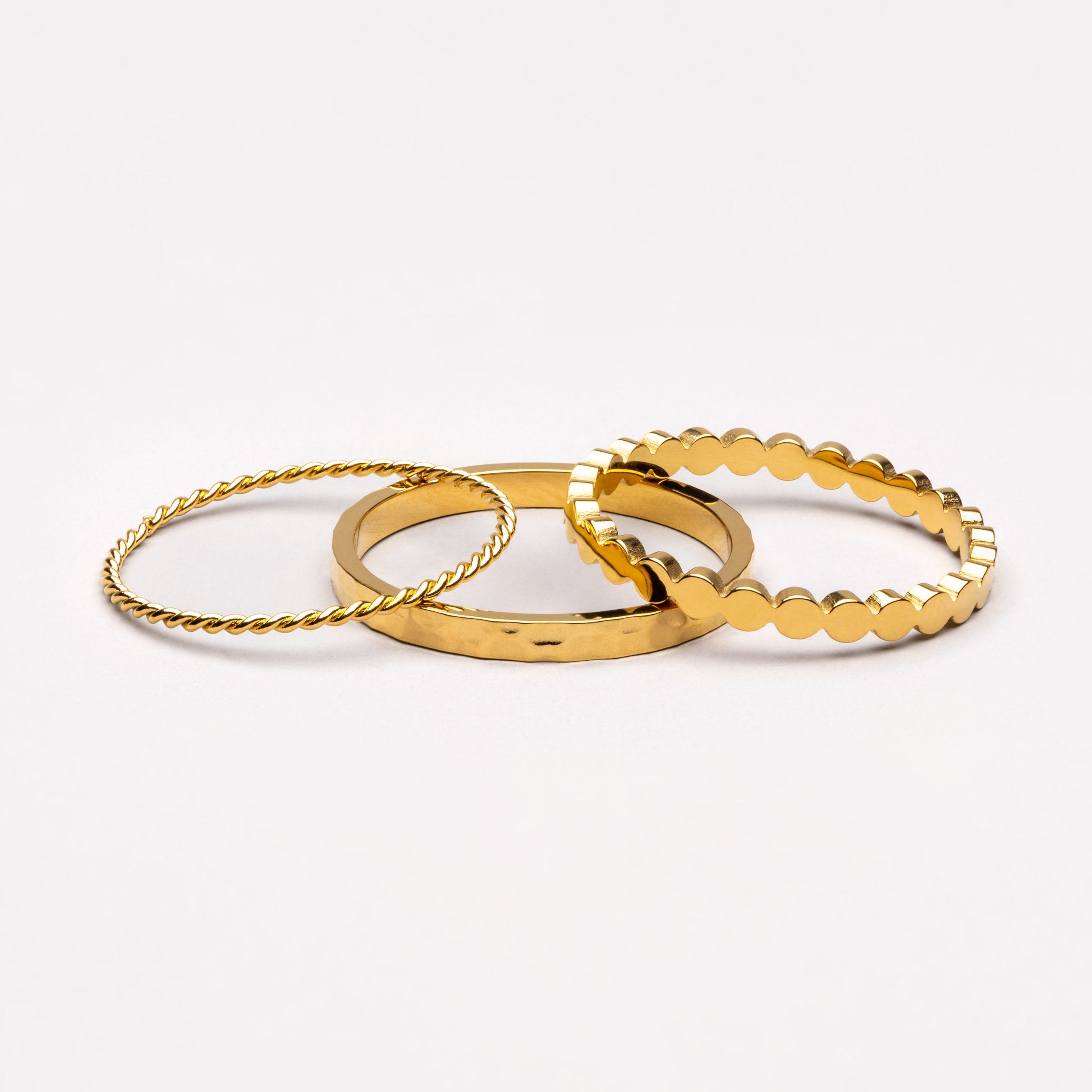
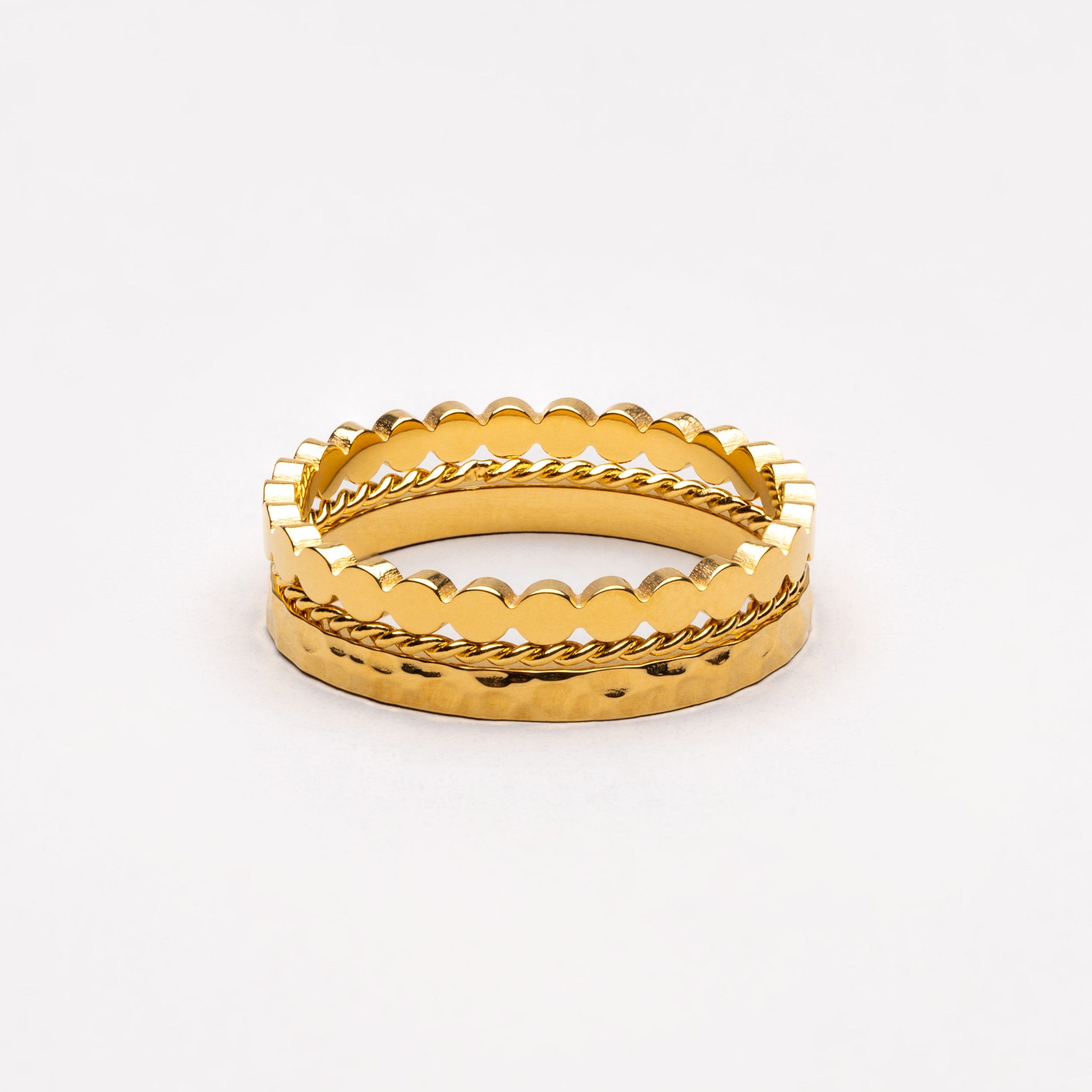
Whether you’re evaluating an engagement solitaire or a daily-wear band, start with material identification and certification.
Verify metal alloys via hallmark and assay: 950 platinum, 18k (750) or 14k (585) gold, and hypoallergenic palladium options.
For wedding rings and fashion rings, confirm gemstone species, treatments, and provenance through reports from GIA, AGS, or IGI.
Demand disclosure on HPHT or CVD diamond origins, laser inscriptions, and cut grading.
For colored stones, require spectroscopy-backed data: corundum heat, beryllium diffusion, or resin-filled emeralds.
Assess durability: Mohs hardness, cleavage, and toughness dictate daily wear suitability—diamond and sapphire excel; opal and tanzanite don’t.
Inspect setting engineering: prong integrity, bezel tolerances, and micro-pavé security.
Finally, verify workmanship under 10x magnification and document serials for insurance.

Necklaces: Pendants, Chains, and Layering Essentials
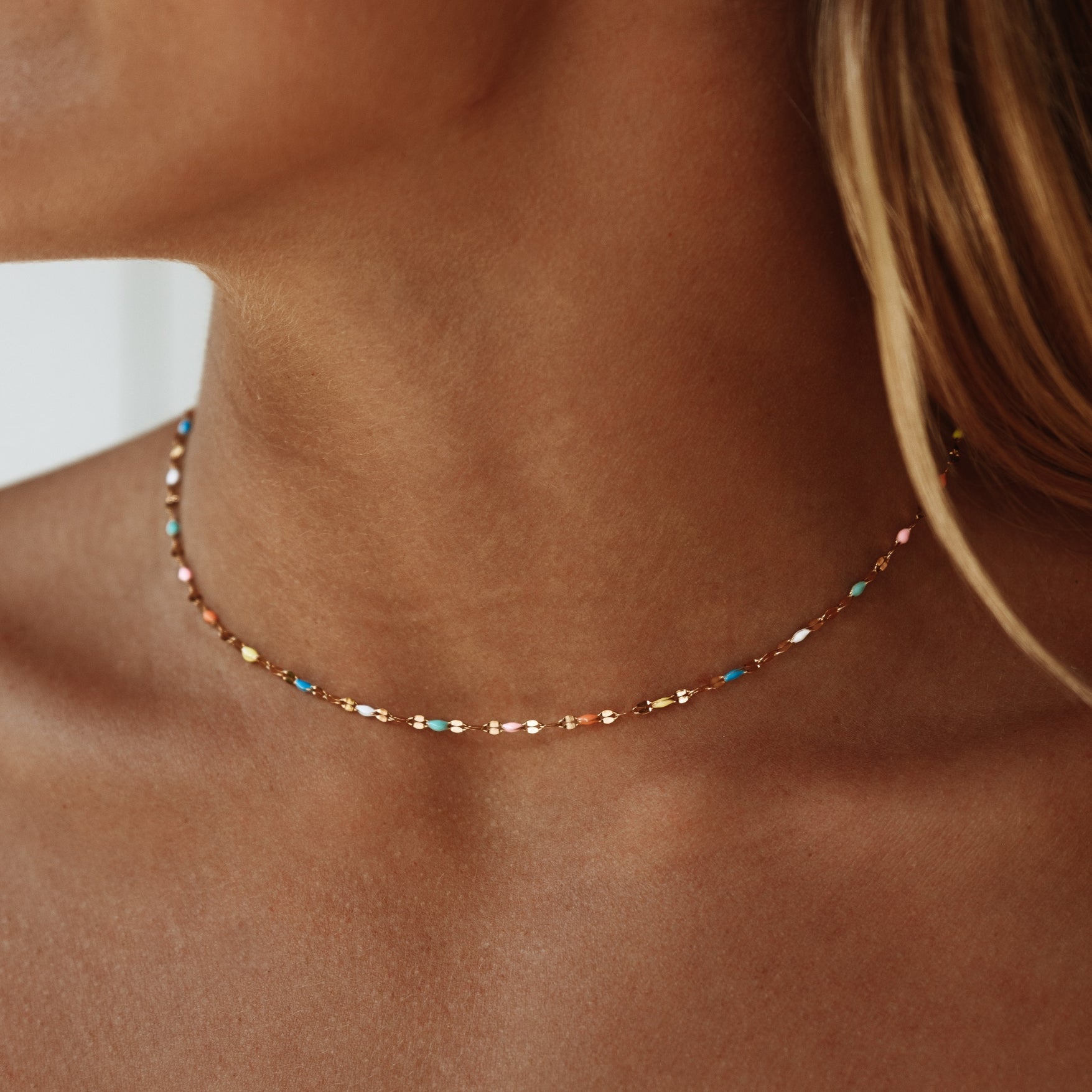
After verifying ring alloys, treatments, and setting integrity, apply the same rigor at the neckline. Start with metal assays: confirm karatage, nickel content, and plating thickness by XRF or hallmark.
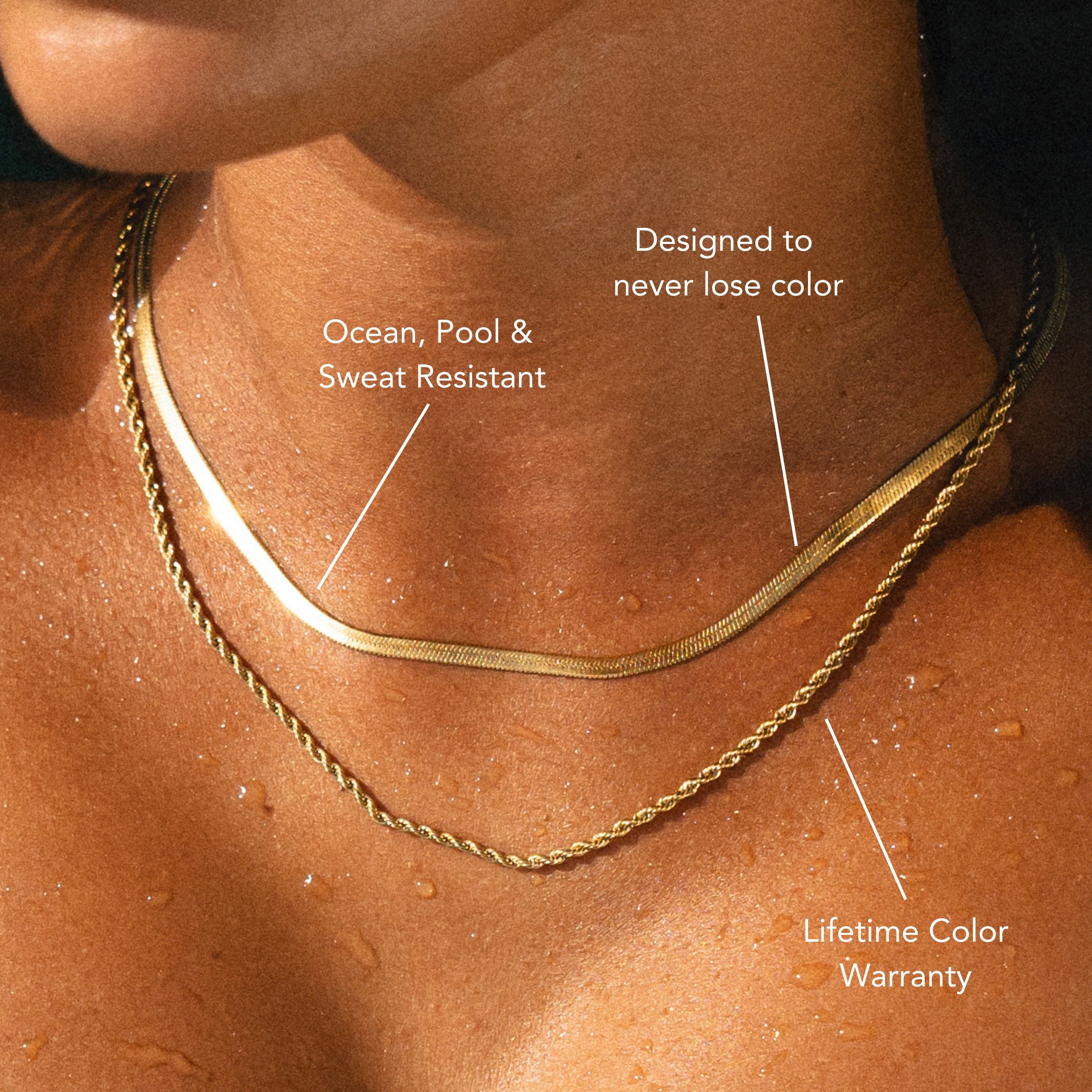
Evaluate chain strengths—cable, box, wheat, and snake—and match chain lengths (14–36 in.) to pendant loads using tensile ratings and clasp security tests.
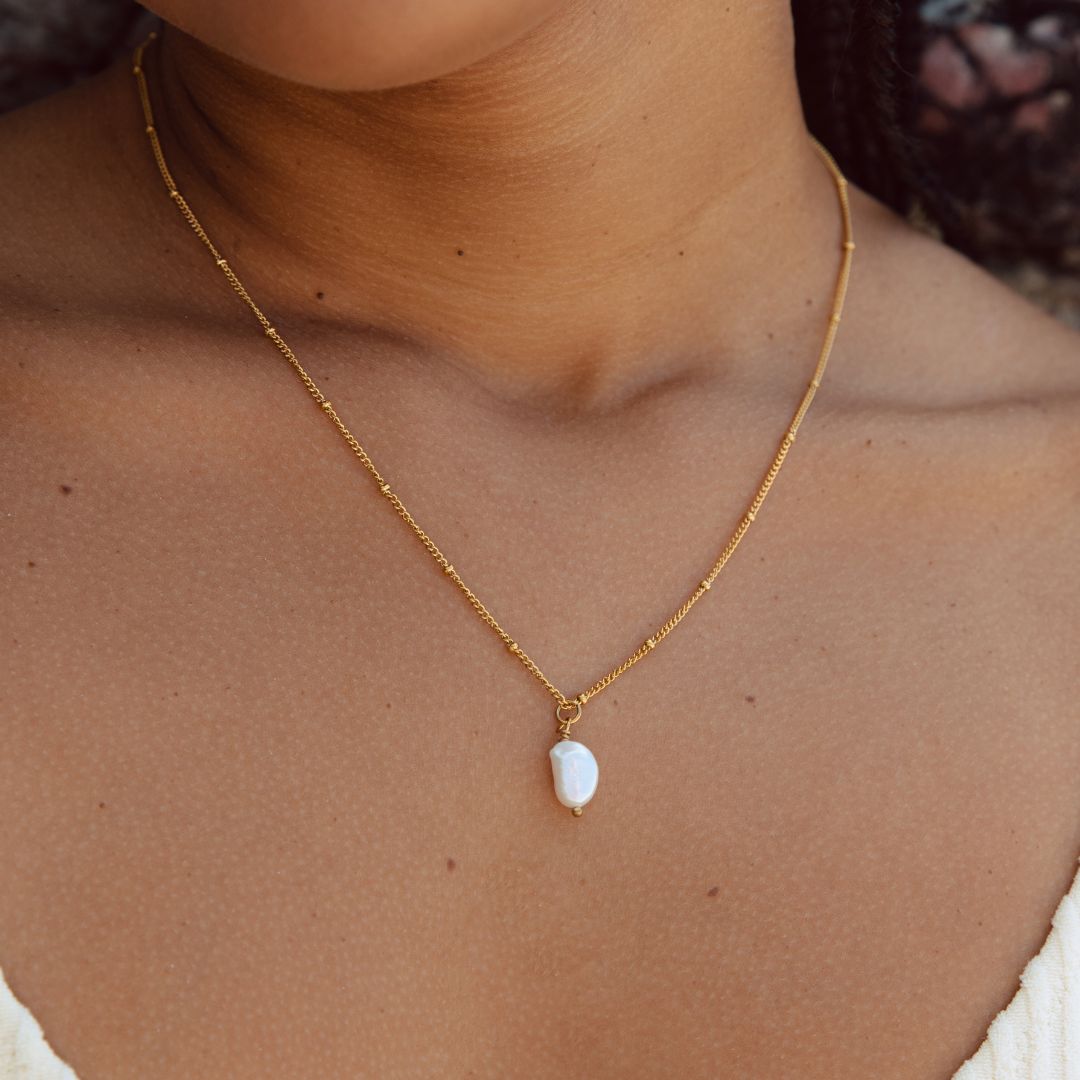
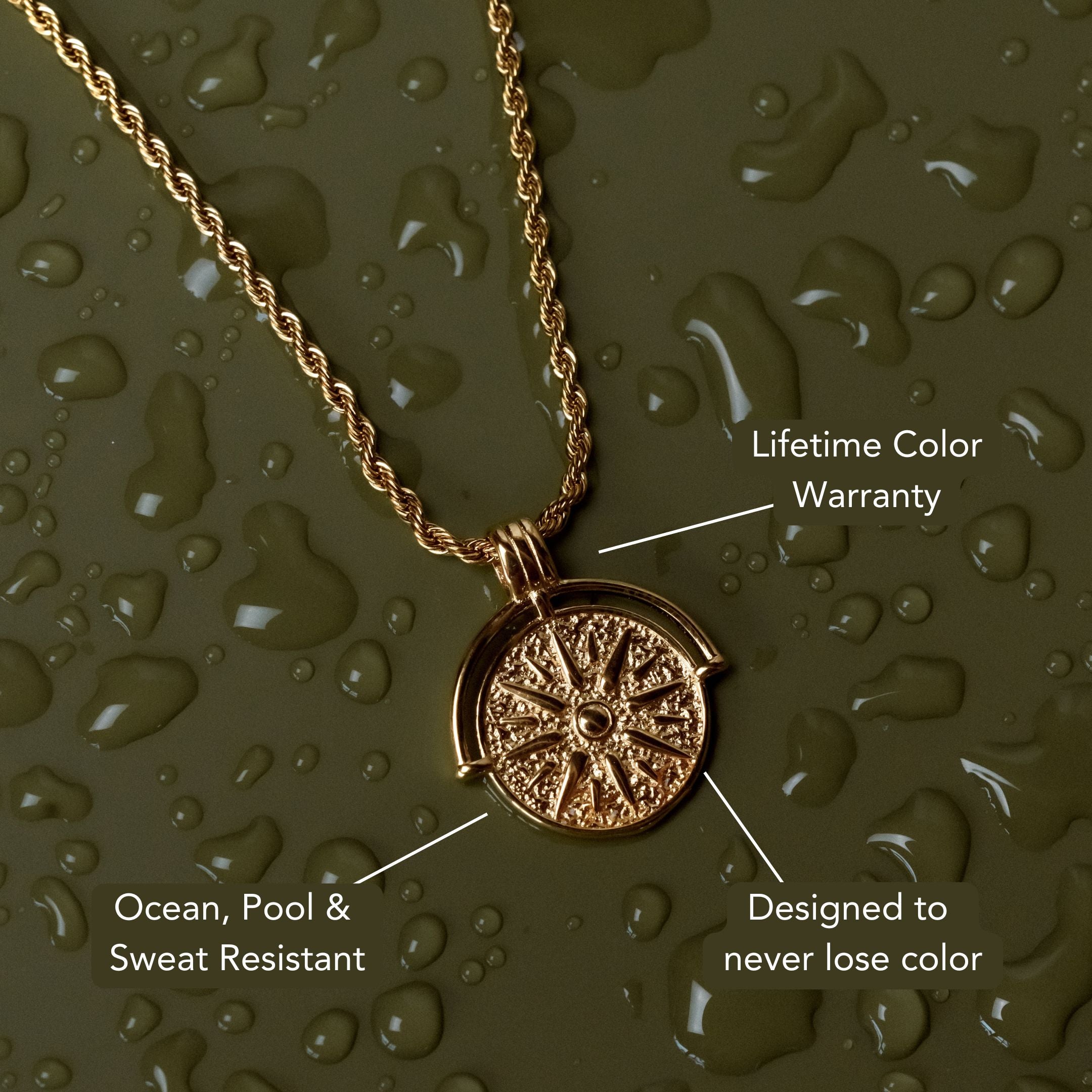
Assess pendant styles by gemstone species, refractive index, and stability: diamonds tolerate daily wear; opals and pearls require lower-impact settings. Request lab certification (GIA, IGI) for center stones and verify enhancement disclosures.
Use balanced layering techniques: vary gauges, textures, and focal heights at 16/18/20 inches to avoid abrasion and knotting. Reserve statement pieces for single-anchor deployments; prevent torque with counterweights.
Document provenance, treatments, and maintenance intervals for lifelong performance.
Earrings: Studs, Hoops, Drops, and Statement Styles
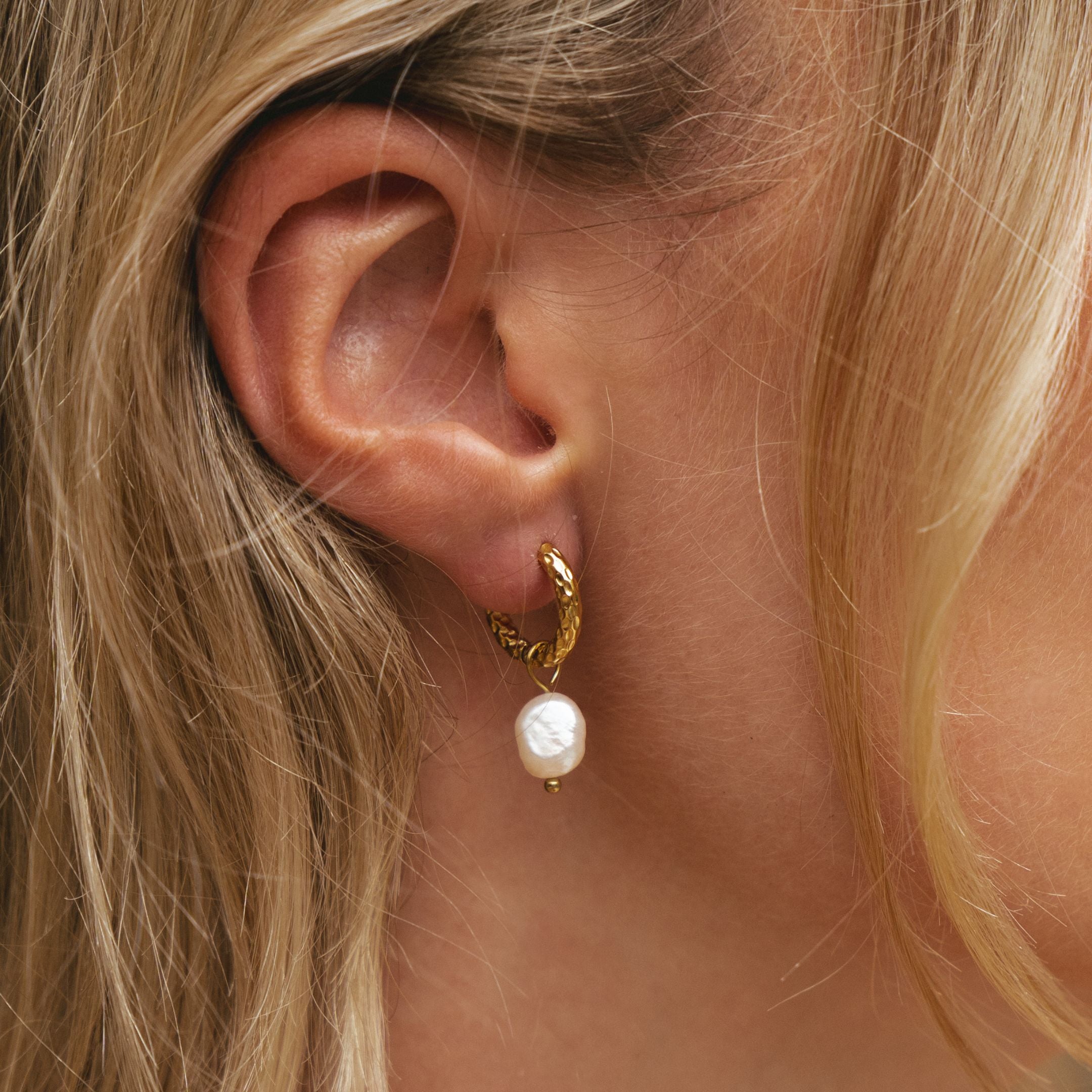
Although earrings seem simple, apply lab-grade scrutiny to alloys, stones, and mechanics. Assess earring materials first: hypoallergenic titanium (Grade 23), surgical steel (316L), and nickel-free gold alloys stamped 14k–18k.
Verify rhodium plating thickness (>0.1 μm) on white gold. For studs, confirm secure friction or screw backs and check gemstone calibration, girdle integrity, and laser inscription for lab certification.
Hoops demand hinge precision; test torque and latch closure cycles to prevent metal fatigue. Drops require balanced mass so lever-backs don’t rotate; inspect solder seams under 10x magnification.
For statement earring styles, prioritize weight distribution and reinforced joints. Evaluate diamond melee with fluorescence notes; for colored stones, record refractive index and pleochroism.
Always document finish, porosity, and micro-scratch resistance.
Bracelets and Bangles: Cuffs, Chains, and Stackable Sets
Because bracelets interface directly with high-motion wrist anatomy, apply metrological rigor to cuffs, chains, and stackable sets. You’ll spec inner circumference, ovality, and tolerance to prevent rotation hotspots and pressure points.
For cuff designs, verify gap width and spring memory; target a snug, non-impinging fit indexed to wrist breadth. Record clasp repeatability on chains and quantify link articulation to minimize snag risk under dynamic flexion.
Calibrate stackable sets by cumulative mass and height to avoid ulna contact; stagger thickness so loads distribute evenly. Choose bangle styles with controlled roundness; measure drift during pronation-supination to guarantee axial stability.
Document surface finish roughness to reduce micro-abrasion. Require lab certification for dimensional accuracy and durability cycles, and maintain traceable measurements for maintenance and lifecycle auditing.
Materials and Craft: Metals, Gemstones, and Techniques
Precision at the wrist depends on what you build with. You start by selecting metal alloys with known hardness, yield strength, and corrosion resistance: 316L steel for inertness, 14k gold for balanced durability, or platinum for wear resistance and secure stone seating.
Specify recycled, traceable inputs to align with sustainable materials mandates and audit trails.
Evaluate gemstones with lab reports that disclose origin indicators and gemstone treatments—heat, diffusion, fracture filling, or HPHT—so you calibrate value and care protocols. Measure refractive index, specific gravity, and fluorescence to confirm identity and detect enhancements.
Apply crafting techniques that control tolerances: CAD modeling, precision casting, laser welding, and hand-finishing under microscopy.
Use micro-pavé seating angles, correct prong metallurgy, and stress-relieved settings to mitigate fatigue, maintain alignment, and guarantee long-term stability.

Frequently Asked Questions
How Do I Insure Valuable Jewelry Against Loss or Theft?
You insure jewelry by adding scheduled personal property coverage. Choose jewelry insurance types with agreed value. Get lab certification (GIA/AGS), appraisals, photos. Implement loss prevention strategies: safes, alarms, limited wear, gem ID reports, micro-engraving, secure storage, periodic policy reviews.
What’s the Best Way to Store Jewelry to Prevent Tarnish and Scratches?
Store pieces in compartmentalized jewelry organizers with soft liners; segregate metals by karat and hardness. Use anti tarnish solutions, silica gel, and zip pouches. Avoid humidity, sulfur sources, and abrasion. Document alloys and treatments; seek lab certification for care protocols.
How Can I Verify Ethical Sourcing and Conflict-Free Gemstones?
Verify ethical sourcing by requesting third-party ethical certifications (RJC, Fairmined, Fairtrade) and lab certificates. Confirm gemstone origins via traceability reports, chain-of-custody documentation, and spectroscopic fingerprinting. Prefer lab-grown stones with grading reports; audit suppliers’ due diligence, mine-of-origin data, and conflict-free attestations.
How Do I Determine Accurate Resale or Appraisal Value?
Use lab certification reports, standardized appraisal methods (ASA/USPAP), and market comps to triangulate value. Verify mineralogical data (carat, cut, color, clarity), provenance, and treatment disclosures. Apply resale strategies: auction estimates, dealer bids, online pricing spreads, and liquidity discounts.
What Travel Tips Protect Jewelry From Damage or Customs Issues?
Carry minimal pieces; document provenance with lab certification. Use padded cases, separate gemstones to prevent abrasion, avoid sonic cleaners. Declare items per customs regulations; know export/import limits. Photograph serials, insure, and keep invoices. Follow travel precautions: hotel safes, discreet wear.
Conclusion
You now distinguish ring settings, chain architectures, earring fastenings, and bracelet geometries with lab-grade clarity. Prioritize alloy hallmarks (AU/PT/AG karatage, assay stamps), gemstone identity (species/variety), and enhancements per ISO 18323. Request grading reports (GIA/AGL/IGI), spectroscopic confirmation (Raman/FTIR), and metal verification (XRF). Evaluate cut symmetry, inclusion typology, and treatment disclosure. Maintain provenance records and care protocols aligned to Mohs hardness and cleavage. With certified documentation, you’ll acquire, layer, and wear pieces meeting verifiable mineralogical standards.








,%20diamond%20origin%20disclosure%20(HPHT%20or%20CVD),%20and...)
Leave a comment
This site is protected by hCaptcha and the hCaptcha Privacy Policy and Terms of Service apply.