

What Is Brass Jewellery? Complete Guide
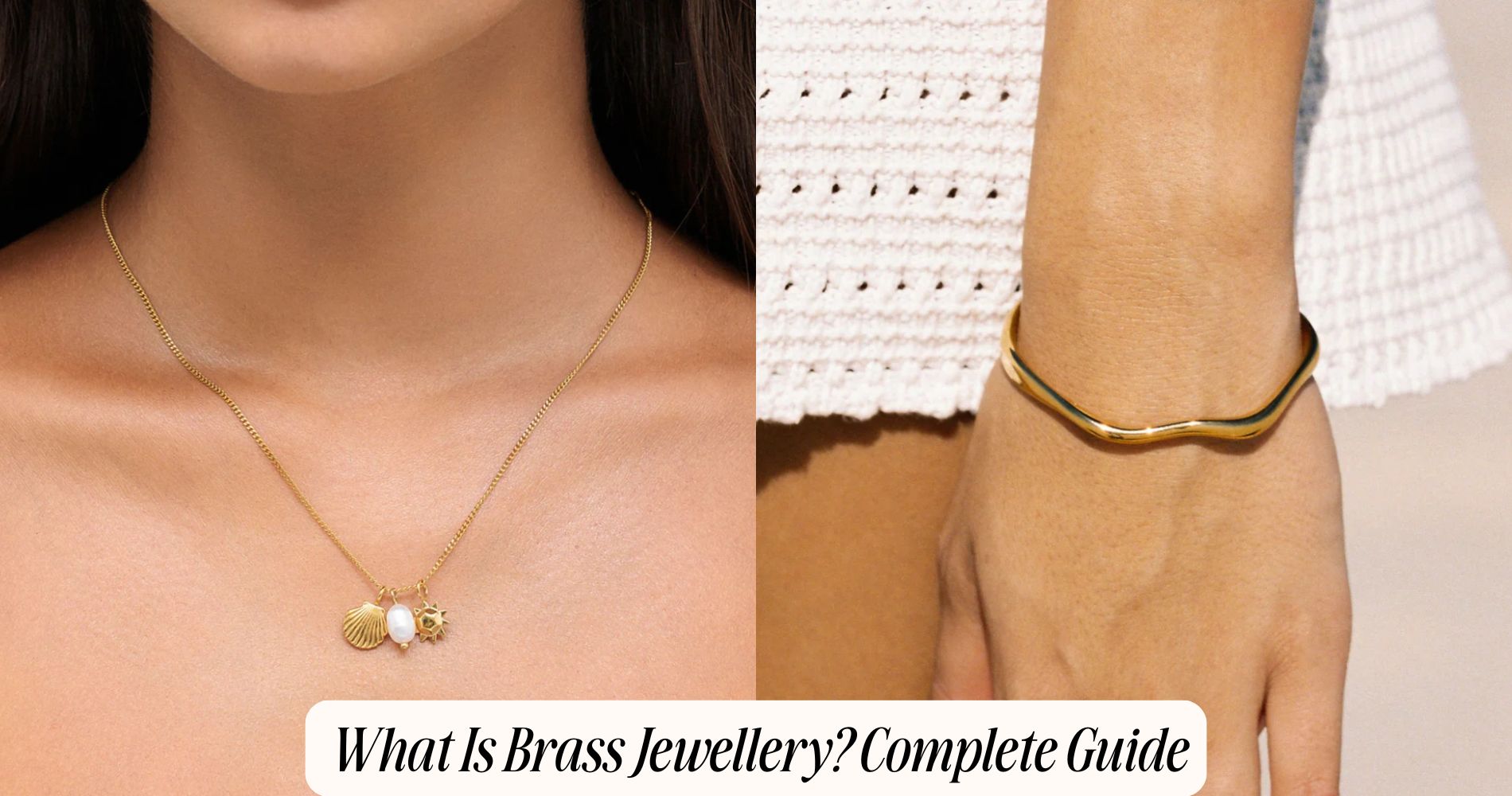
What is brass jewellery? Brass jewellery is crafted from a copper–zinc alloy (about 5–40% zinc) that delivers a warm gold tone, strength, and excellent formability. You’ll see alpha brasses for fine detail, tougher alpha-beta brasses, and lead-free options for better skin compatibility. Makers shape, cast, and anneal pieces, then finish with abrasives and buffs. It’s durable and affordable but can oxidize and mark skin. Clean with mild soap, dry quickly, and store in a low-moisture space. For low-maintenance, water-resistant alternatives, explore our Waterproof Jewelry collection. Next, you’ll get the full process, pros, care, and styling.
What Is Brass and How Is It Made?
An alloy of copper and zinc, brass balances strength, formability, and a warm golden hue prized in jewellery. You define brass by its brass composition: primarily copper with controlled zinc additions, typically 5–40%.
Copper establishes ductility and conductivity; zinc raises strength, hardness, and corrosion resistance while tuning color from reddish to pale gold. Trace elements may refine grain or improve machinability.
You make brass by melting high-purity copper and zinc in a controlled furnace, adjusting chemistry to target brass properties. Vacuum or inert atmospheres limit zinc volatilization and oxidation.
After alloying, you cast ingots or continuous cast billets, then hot- or cold-work them into sheet, wire, or rod. Subsequent annealing restores ductility, enabling precise forming and surface finishing for consistent, stable jewellery components.

Types of Brass Used in Jewellery
Though all brass blends copper and zinc, jewellery makers choose specific alloys for targeted performance and color.
You’ll see alpha brasses (up to ~37% zinc) used for fine detail and cold work; they’re ductile, take crisp engraving, and offer a warm yellow.
Alpha-beta brasses (~37–45% zinc) suit heavier forms; they’re stronger but less malleable.
High-zinc “yellow brass” delivers a bright gold tone at lower cost.
Red brass (high copper, ~85/15) leans rosy, resists dezincification, and patinates richly.
Lead-free brass alloys (e.g., C693, C878) improve biocompatibility and regulatory compliance, reducing lead exposure while maintaining machinability.
Nickel-silver (copper–nickel–zinc) isn’t silver, yet its pale hue pairs well with stones.
Many choices carry historical significance—Victorian pinchbeck, Art Deco yellow brasses—guiding your aesthetic and wear expectations.
How Brass Jewellery Is Crafted
Selecting an alloy is only the start; the way you shape brass determines its strength, finish, and color stability.
Begin with sheet or wire, then saw, pierce, and form using stakes and mandrels. Anneal frequently to relieve work-hardening, quench, and pickle to remove oxides.
For complex forms, use lost-wax casting: invest, burn out, pour, then fettle and file. Apply precise crafting techniques—chasing for relief, repoussé for depth, and texturing with rotary burrs or hammers.
Solder joints with high-zinc, cadmium-free solders; control heat to avoid dezincification. Progress through abrasives from 400–3000 grit, then buff with tripoli and rouge.
Seal patinas with microcrystalline wax or clear lacquer to stabilize color. Let design inspiration guide profiles, but always respect brass’s thermal conductivity and springback.

Benefits of Choosing Brass Jewellery
Because brass balances performance with value, it’s a smart choice for everyday and statement pieces alike. You get a strong affordability factor without sacrificing wearability.
Brass—an alloy of copper and zinc—offers high tensile strength, good hardness, and excellent formability, so designers can achieve crisp lines, fine textures, and substantial silhouettes that hold shape.
In a durability comparison, brass resists dents better than many soft precious metals and tolerates frequent handling. It machines, casts, and cold-works efficiently, lowering production time and cost while maintaining structural integrity.
Its warm, gold-adjacent hue delivers premium visual impact without plating requirements for color. Brass also accepts patina control and surface finishes (brushed, polished, matte) with consistent results.
You’ll gain versatile styling, reliable performance, and cost-efficient quality.
Potential Drawbacks to Consider
While brass delivers strong value, you should weigh material-specific tradeoffs. The alloy’s copper content makes it reactive, so you’ll see oxidation issues that darken surfaces and can transfer a greenish tint to skin, especially with sweat or acidic pH.
Uncoated brass also faces color fading as surface patina evolves unevenly under UV and air exposure. Nickel-bearing brass may trigger contact dermatitis if you’re sensitive; even nickel-free grades can irritate very reactive skin.
Dimensional stability is good, but the metal is softer than stainless steel, so it picks up scratches and dents more readily.
Platings over brass—gold or rhodium—can wear through, revealing a tonal shift between topcoat and base metal. In humid or coastal environments, corrosion accelerates, affecting finish consistency and lifespan.
Caring for and Cleaning Brass Pieces
Oxidation, plating wear, and surface softness don’t have to shorten a brass piece’s life if you maintain it correctly. Use gentle cleaning methods: wash with lukewarm water, a drop of pH‑neutral dish soap, and a soft cloth. Rinse thoroughly; dry immediately to prevent water spots and new tarnish.
For heavier patina, apply a non-abrasive brass polish sparingly, following manufacturer dwell times, then buff with microfiber. Avoid baking soda, toothpaste, or hard brushes that scratch the copper-zinc surface or strip thin plating.
Adopt maintenance tips that minimize corrosion: store pieces dry, individually bagged, with anti-tarnish tabs; remove before showering, swimming, or exercising; handle after applying lotions or fragrances.
To slow oxidation, apply a microcrystalline wax or clear lacquer seal periodically, inspecting edges for wear.

Brass and Sensitive Skin: What to Know
Curious how brass behaves against sensitive skin?
Brass is typically a copper–zinc alloy, sometimes with trace nickel or lead. Copper can react with sweat, acids, and lotions, releasing ions that may trigger skin irritation or green discoloration (copper salts), especially on humid, high-friction areas.
If you’re nickel-sensitive, even small nickel content increases risk of allergic reactions.
Choose brass marked lead-free and nickel-free, or opt for pieces with robust barrier coatings. Clear lacquer, PVD, or rhodium plating reduces ion transfer but wears over time; inspect and recoat as needed.
Keep skin dry, remove jewellery before workouts, and clean residues that accelerate corrosion.
If you experience persistent redness, itching, or blistering, discontinue wear and consult a clinician; consider hypoallergenic alternatives like titanium or niobium.
Styling Tips and Popular Brass Jewellery Trends
Something as simple as finish and form lets brass shift from casual to refined. Use brushed or matte brass for daytime; reserve high-polish or lacquered surfaces for evening.
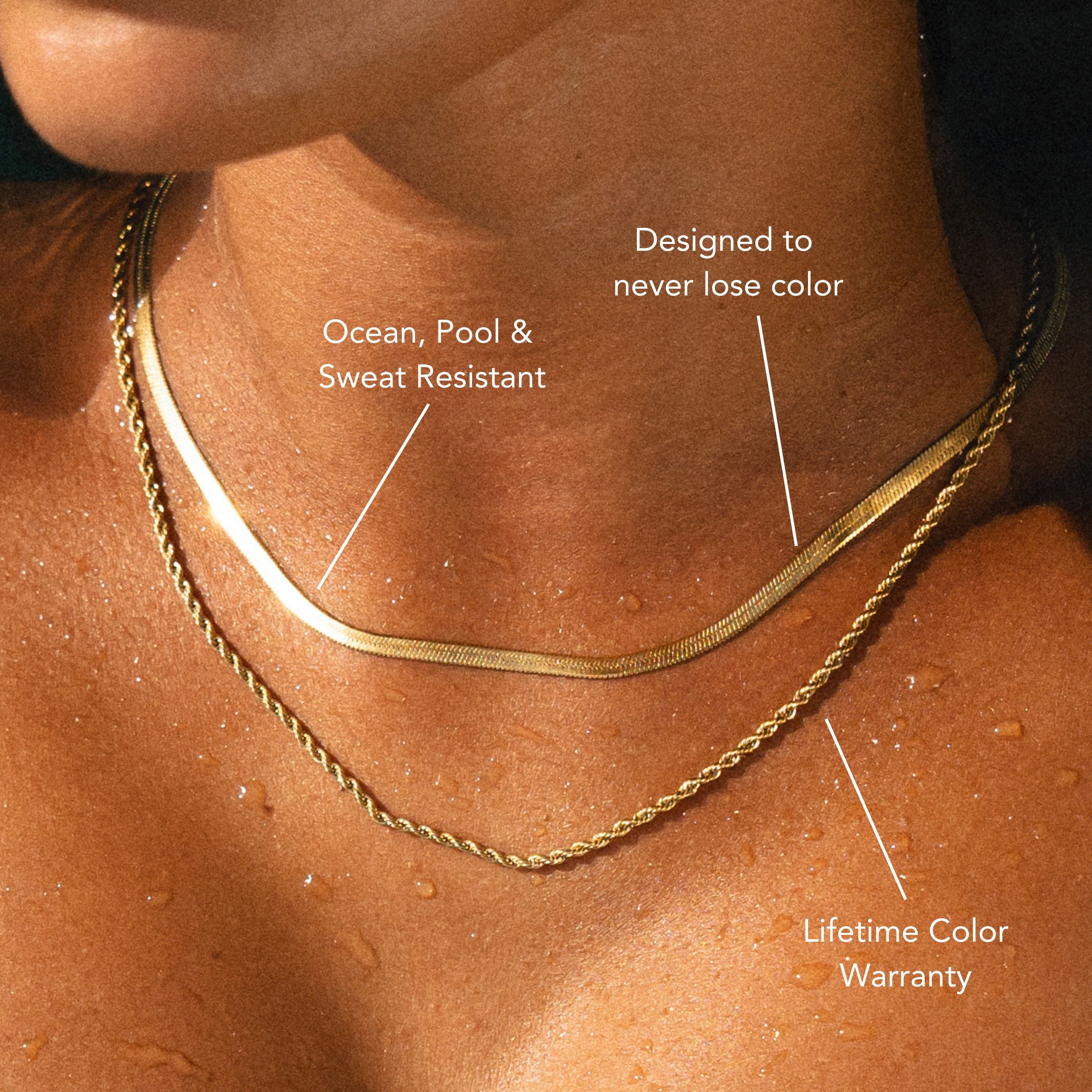
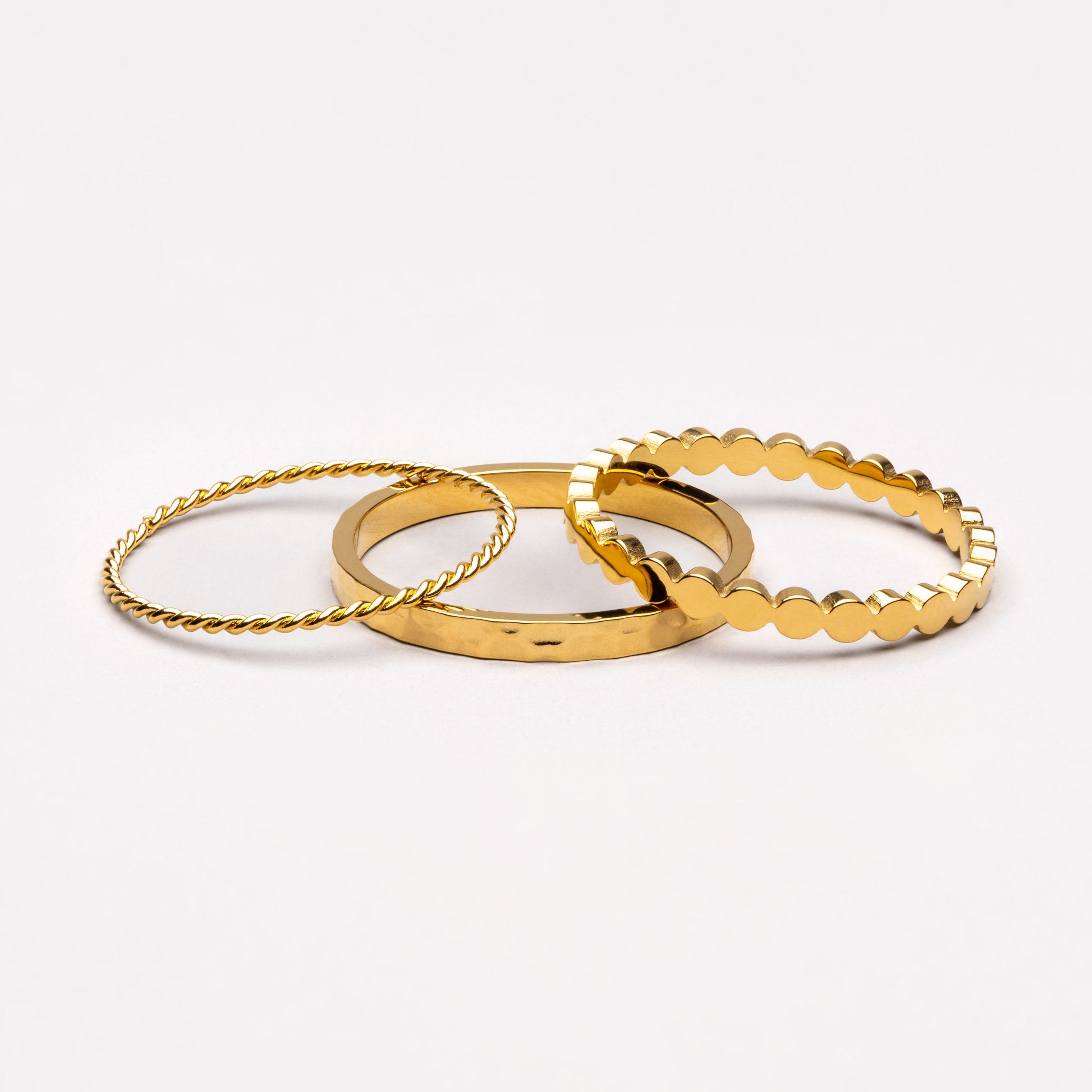
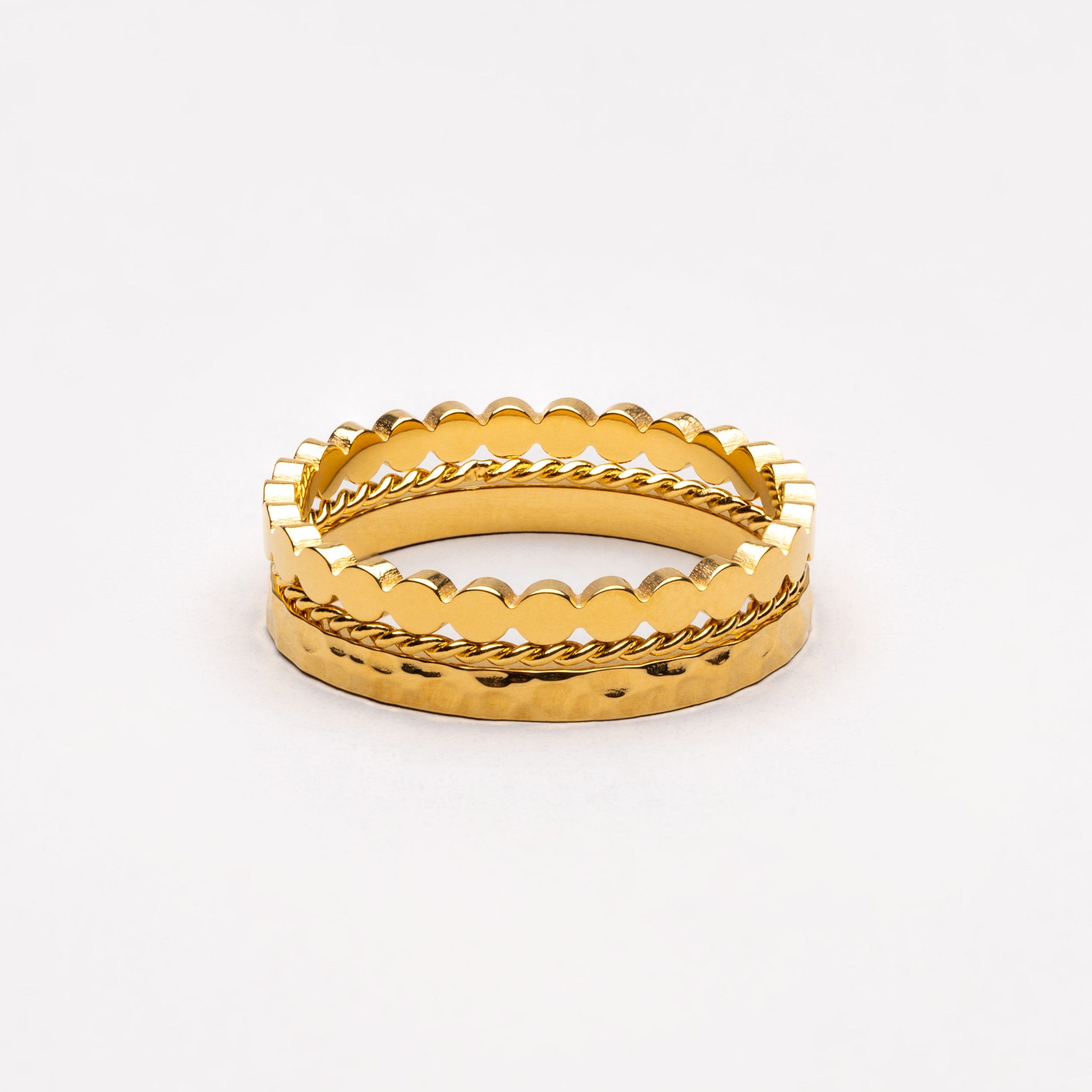
Balance weight: pair slim bangles with a single cuff, or stack thin rings to echo a clean line. Practice brass layering by mixing chain gauges—rope with paperclip—keeping color temperature consistent to avoid clash with gold tones.
Anchor looks with statement pieces: a geometric collar, oversized hoops, or a sculptural ring. Contrast brass with natural textures—linen, denim, leather—to emphasize its warm alloy hue.
Combine brass with gemstones or enamel for controlled color. Maintain proportion: short necklaces with open necklines, long pendants with knits. Keep other metals minimal; if you mix, match finishes and silhouette, not shine.

Frequently Asked Questions
Is Brass Jewellery Considered Sustainable or Eco-Friendly?
Yes—brass jewellery can be sustainable when sourced and manufactured responsibly. You should prioritize recycled brass, traceable supply chains, low-impact alloys, and closed-loop finishing. These brass sustainability choices and eco friendly practices reduce mining demand, energy use, and waste generation.
How Can I Authenticate Vintage or Antique Brass Pieces?
Authenticate pieces by testing alloy composition (XRF), inspecting patina consistency, tool marks, and construction methods. Verify maker’s marks and hallmarks against registries. Use UV and magnet tests. Document provenance. Seek professional vintage authentication and formal antique appraisal when uncertain.
What Cultural Histories Are Associated With Brass Adornment?
Brass adornment traces to African traditions and Indian craftsmanship, signaling status, rites, and trade. You’ll see cast lost-wax forms, repoussé plaques, and temple alloys. You reference Akan weights, Benin plaques, Rajasthan tribal torque, and Deccani bidri-like contrasts.
Are There Legal Hallmarks or Stamps Specific to Brass?
Yes. You typically won’t find legal hallmarks for brass; most Hallmark regulations target precious metals. For Brass identification, you’ll see descriptive stamps (e.g., “BRASS,” “ALLIED BRASS”) or alloy codes, but they’re not standardized nor legally mandated.
Can Brass Jewellery Be Resized or Repaired by Jewelers?
Yes, many jewelers can resize or repair brass, but heat sensitivity and zinc content require caution. You’ll expect soldering, reshaping, or reinforcement. Afterward, prioritize brass care: polish gently, seal surfaces, and schedule jewellery maintenance to manage tarnish and preserve structure.
Conclusion
You now understand what brass is, how it’s alloyed, and why its machinability, strength, and color make it a smart, affordable choice. If you value durability, warm tone, and design versatility, brass delivers—provided you manage tarnish and potential skin sensitivity. Choose sealed pieces or test coatings, store them dry, and clean with gentle methods. Style it solo or layered for impact. With basic care, you’ll get long-lasting, high-value jewellery that looks refined without the precious-metal price.








%20that%20delivers%20a%20warm%20gold%20tone,%20strength,%20and%20excellent%20formability.%20You%E2%80%99ll%20see%20alpha%20brasses%20for%20fin...)
Leave a comment
This site is protected by hCaptcha and the hCaptcha Privacy Policy and Terms of Service apply.