

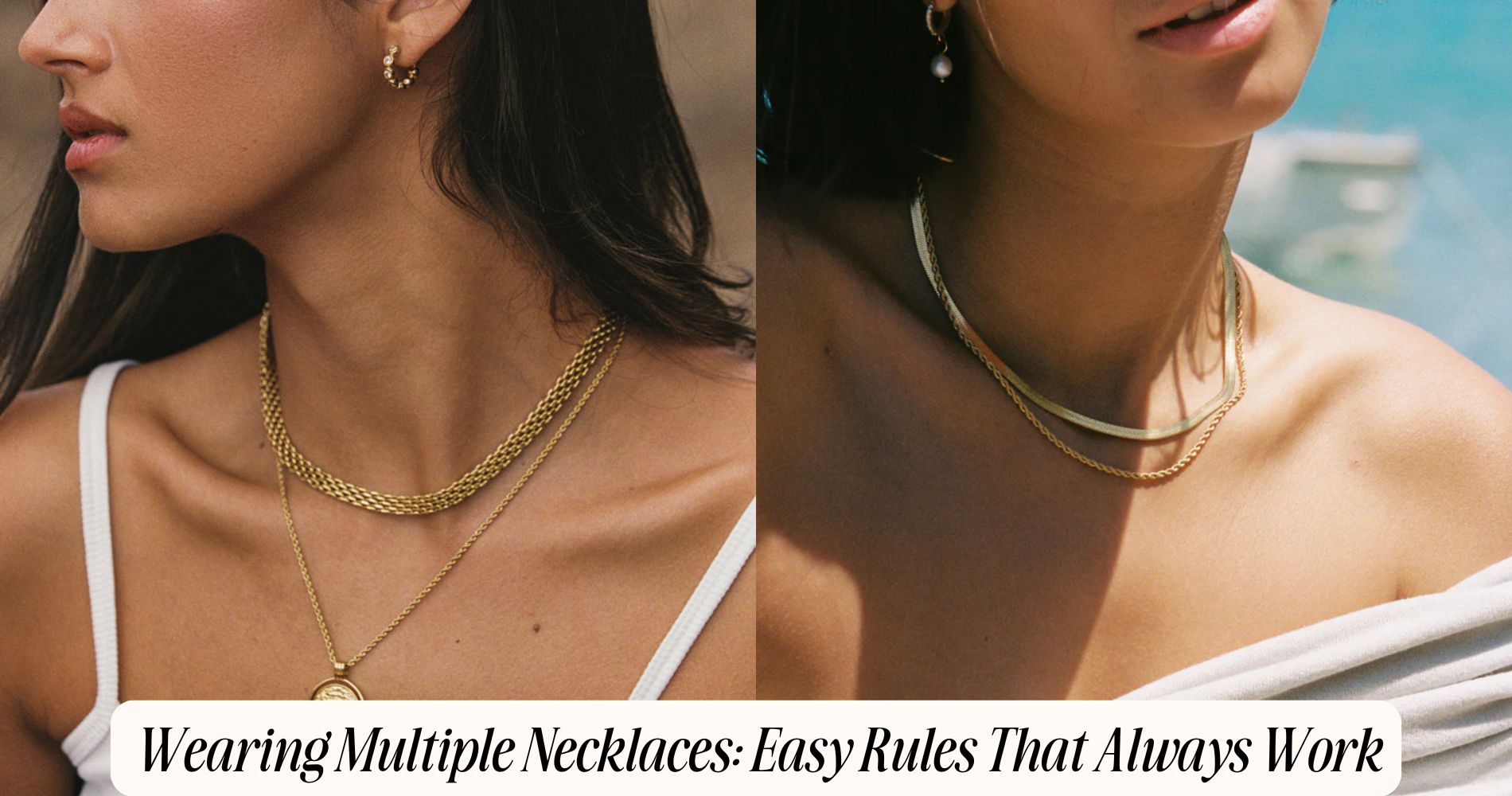
Wearing Multiple Necklaces: Easy Rules That Always Work
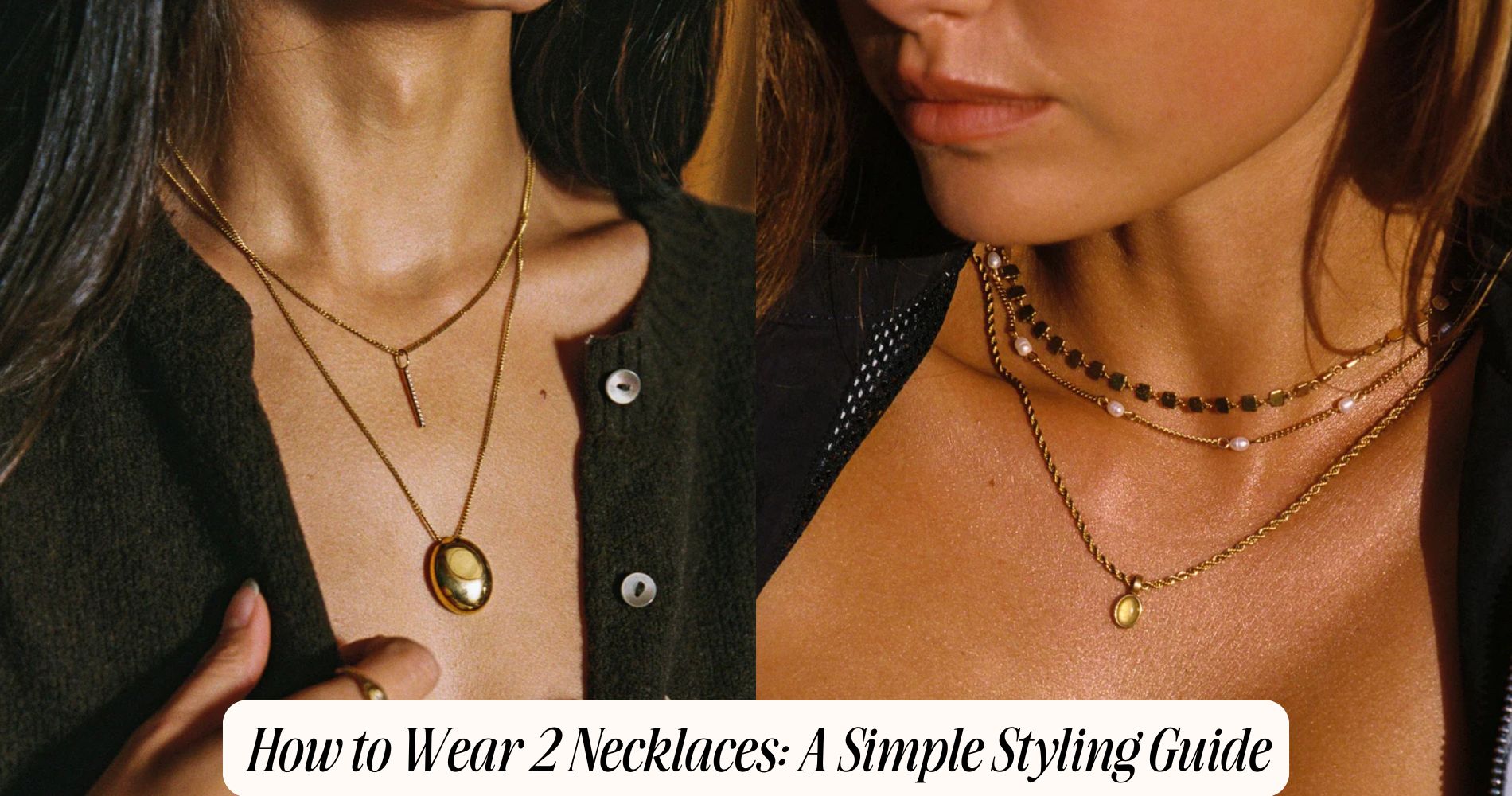
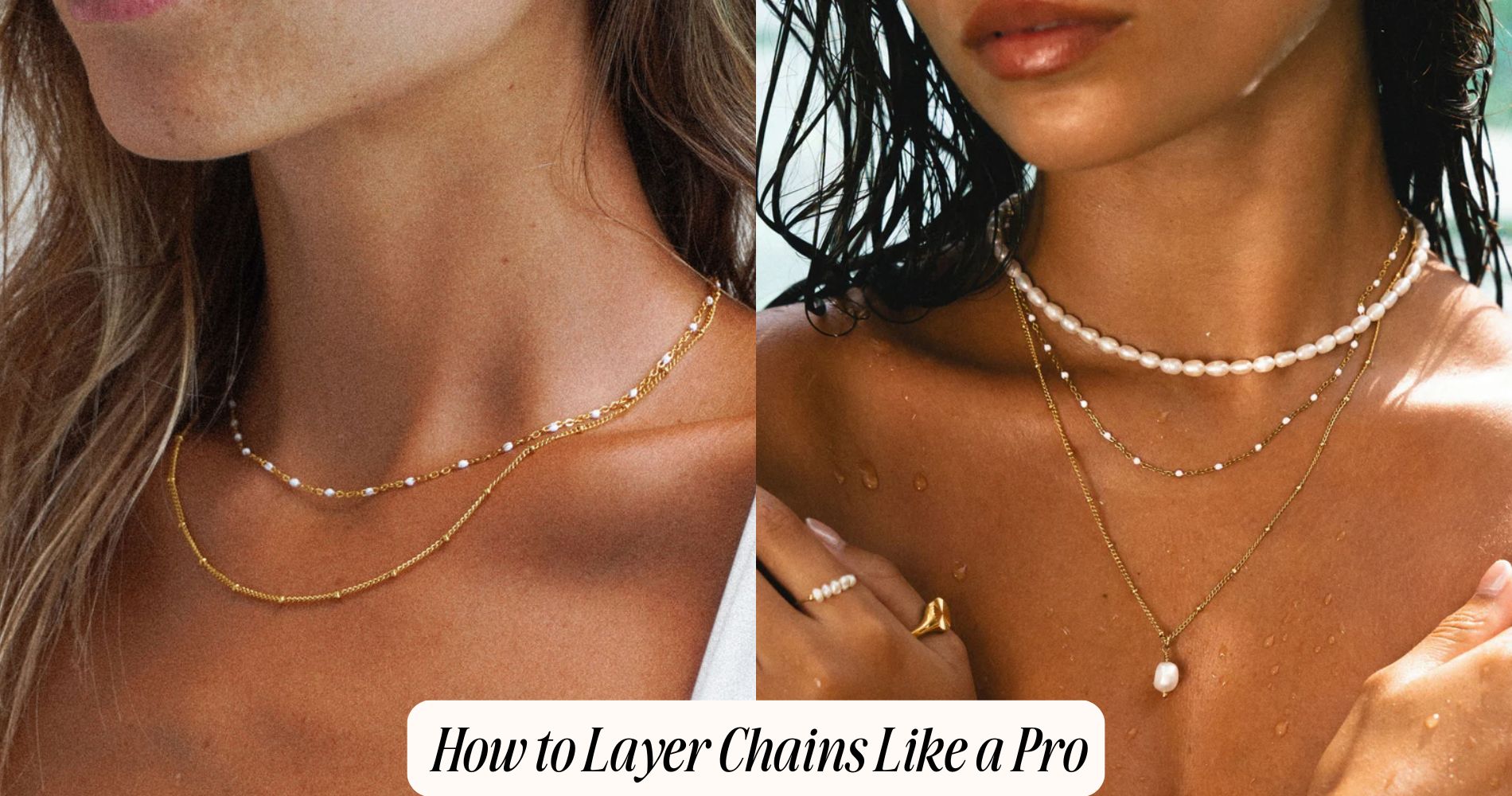
Wearing multiple necklaces works best when you stack with intention. Aim for three layers spaced 2–3 inches apart, mixing textures—sleek, dotted, and chunky—within one metal family or a thoughtful blend. Anchor the look with a focal pendant in the middle, then frame it with quieter chains above and below. Choosing a lightweight, skin-friendly base layer like a Hypoallergenic Necklace helps keep the stack comfortable for all-day wear. Match the longest necklace to your neckline, scale proportions to your frame, build from shortest to chunkiest, and use smart clasps to prevent tangles for an effortlessly polished finish every time.
Start With Three Layers for Balance
Three layers create instant balance without overthinking. You get a clear top, middle, and anchor, which makes your neckline look intentional.
Use simple layering techniques: pick a short starter that hugs the collarbone, a mid piece that hits just below, and a longer pendant to ground everything. This staggered spacing builds visual balance without crowding.
Choose one focal necklace, then support it with two quieter pieces. Keep metals consistent for cohesion, or repeat a finish twice for subtle harmony.
Match scale to your outfit’s neckline—deeper cuts can handle a bolder base, higher necklines prefer lighter tiers. Adjust lengths with extenders so each chain reads. If something competes, swap it out.
Three layers keep you polished, versatile, and ready in seconds.

Mix Chain Textures, Not Just Lengths
Even when lengths are staggered, your layers fall flat if every chain reads the same.
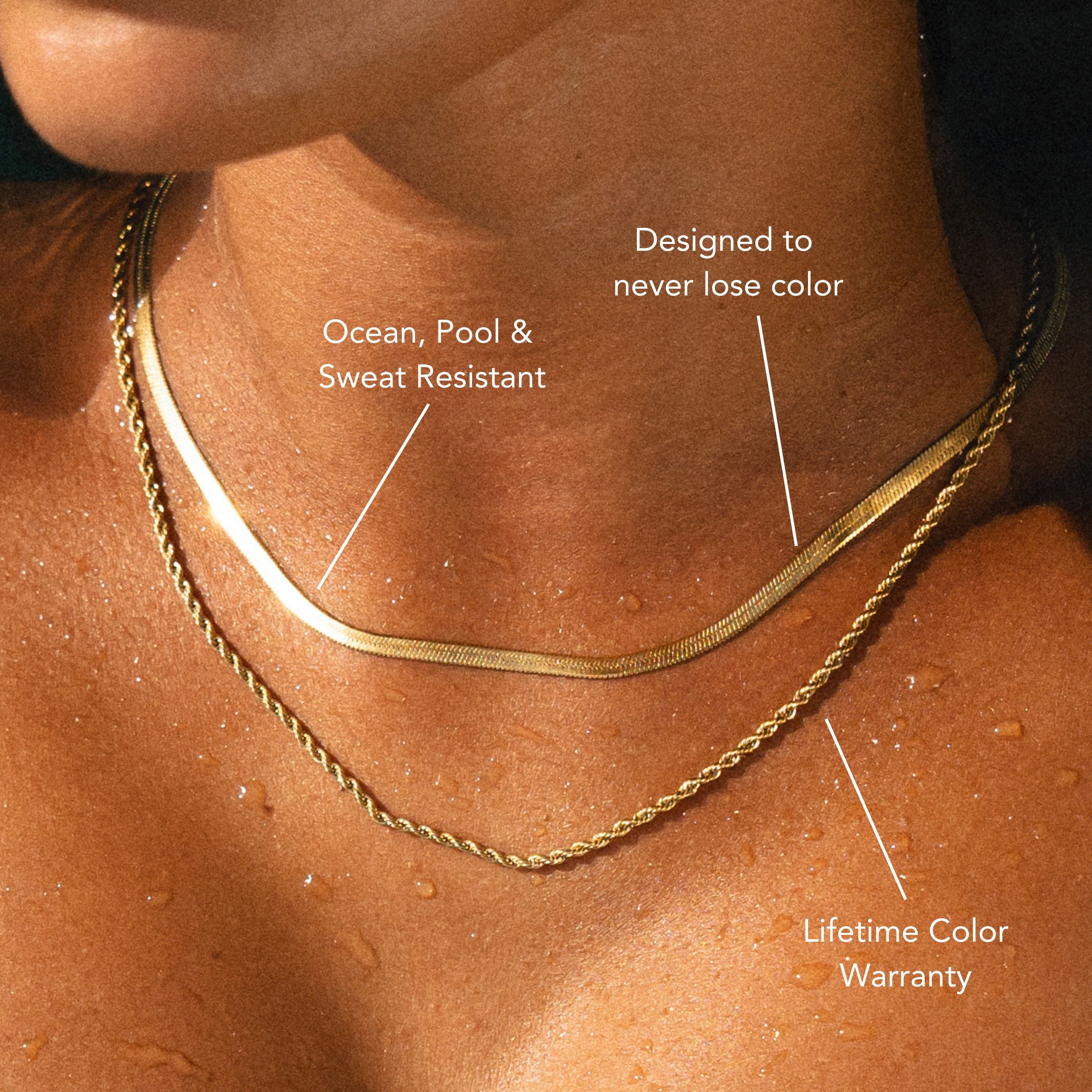
Mix textures so each strand earns its spot. Pair a sleek snake with a dotted satellite, then add a chunky curb for bite. Those texture contrasts keep light bouncing and make minimal pendants feel intentional.
Aim for three distinct finishes in your chain combinations: one smooth, one patterned, one bold. If you love delicate pieces, break them up with a rope or box chain to add structure. Prefer statement links? Temper them with a fine cable to sharpen the silhouette.
Keep metals unified or purposefully mixed—both work when textures vary. Before you clasp, rub chains between fingers; if they feel identical, swap until the stack clicks.
Space Your Lengths by Two to Three Inches
Two to three inches between each necklace is the sweet spot for clean layers that don’t tangle or blur together. This spacing gives each chain its own stage, so your mix reads intentional, not messy.
Use simple layering techniques: map your lengths—14", 16", 18", 20"—and keep a consistent two-to-three-inch step between them.
Measure with a ruler or your fingers; two finger-widths usually equals about two inches. If a chain hits the same line as another, add a short extender or remove one link to dial it in.
Smart necklace organization helps you keep the gaps: store sets on a tiered stand, label lengths, and clip extenders to their partners. The result: crisp definition, movement without knots, and effortless, everyday polish.
Anchor the Stack With One Focal Pendant
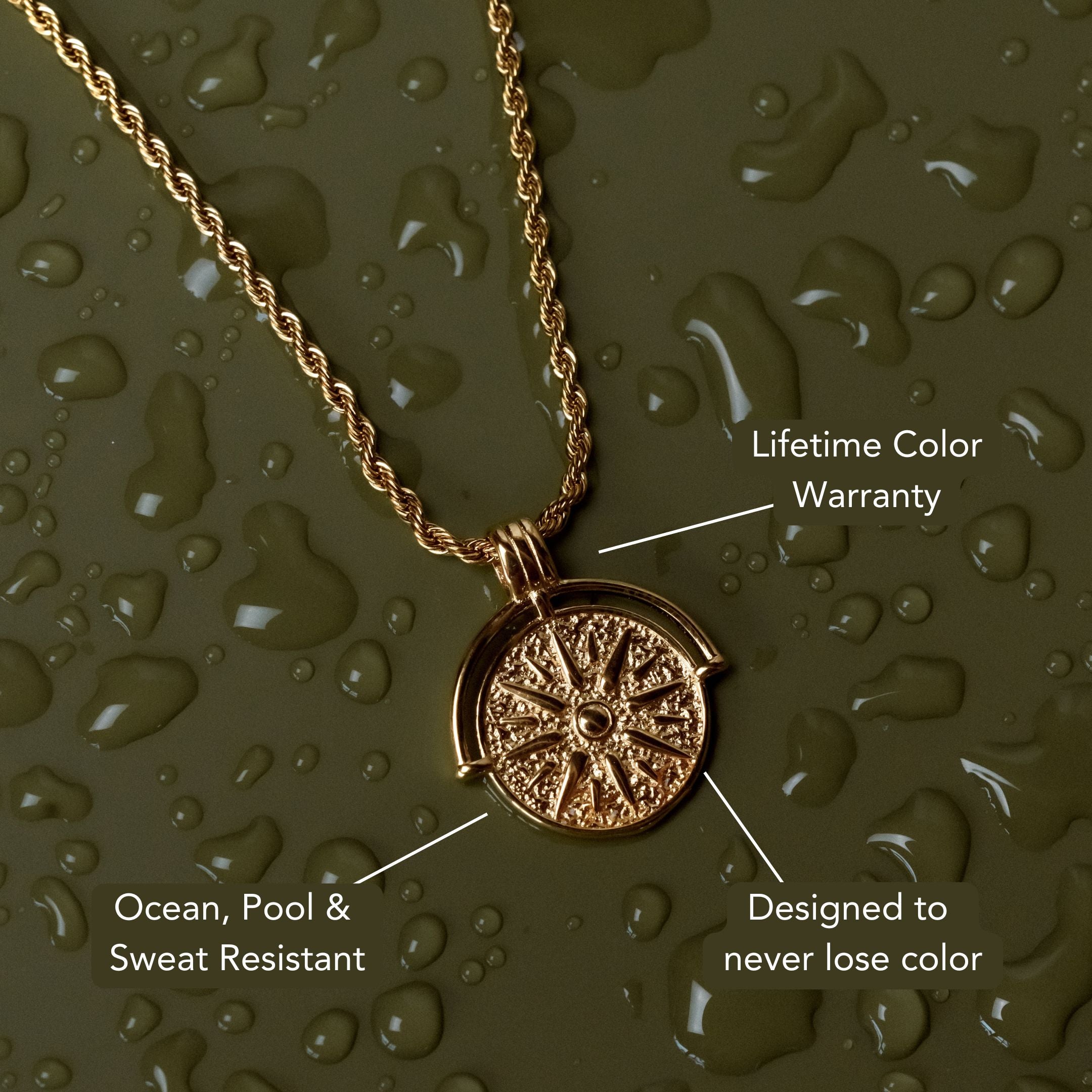
Start with one standout pendant to ground the whole stack and give the eye a clear focal point. Choose a focal pendant with presence—think bold shape, meaningful charm, or rich texture.
Place it on the middle length so it anchors the look without swallowing shorter chains.
Build around it with clean lines. Use slimmer chains, flat links, or a delicate station necklace to frame, not fight, the hero.
Keep visual hierarchy tight: largest in the center, lighter pieces above and below. Space each layer so the pendant sits free, not tangled.
Test movement. If the focal pendant migrates, add a clasp weight or a chain with more grip.
Edit ruthlessly. Smart stacking techniques highlight the pendant’s story and make every layer look intentional.

Blend Metals With a Repeated Accent
One simple trick makes mixed metals look intentional: repeat one shared accent. Pick a tiny element—like a bead, bar, coin, or charm—and echo it across layers. That repeated detail creates metal harmony even when you mix gold, silver, and rose.
Think a gold paperclip chain, a silver curb, and a rose pendant, all featuring the same black enamel dot. Repeated accents tie the trio together and look curated, not chaotic.
Keep the accent consistent in shape or finish. Matte discs? Use them twice. Tiny pearls? Add them to at least two chains. If your centerpiece is bold, repeat a mini version elsewhere.
Limit your palette to two or three metals, then let the motif do the blending. The eye reads cohesion; your stack reads elevated.
Match Necklines to Your Lowest Layer
Sometimes the simplest styling rule does the most: match your neckline to the lowest necklace layer. Anchor your layered styles by aligning that base piece with what you’re wearing up top, then stack above it.
V-neck? Choose a pendant that mirrors the V and lands right at the dip. Crew neck? Go for a curved collar or short chain that echoes the round edge. Square, sweetheart, or scoop neckline types? Let your lowest layer trace the line—geometric for square, soft arcs for scoop and sweetheart.
Once the base reads clean with the neckline, add shorter chains or delicate chokers to build dimension without visual conflict. This keeps the eye moving naturally and prevents tangles.
Your lowest layer sets the map; the rest simply follow.
Keep Proportions in Scale With Your Frame
Proportion is your quiet power move: scale your layers to your frame so they enhance you, not overwhelm you.
Start by reading your frame size and body shape. If you’re petite, keep chains fine, pendants small, and gaps tight—think delicate tiers that sit close. If you’ve got a taller or broader frame, go bolder: thicker links, bigger charms, and longer drops create balance and presence.
Use one statement piece, then support it with slimmer companions. Vary thickness by a notch or two, not ten. Keep pendant footprints proportional to your collarbone real estate.
Shorten or lengthen strategically so each necklace shows, no piece fighting for the same space. When in doubt, remove one layer—clean composition always flatters your proportions and keeps your look intentional.

Prevent Tangles With Smart Clasps and Order
Tangle insurance starts at the clasp. Put your shortest chain on first and your chunkiest piece last. That order keeps lighter strands from sliding into heavier links.
Use smart clasps built for tangle prevention: magnetic converters, multi-strand bars, or Y-connectors that separate chains and lock lengths in place. Stagger lengths by at least an inch to give each necklace its own lane.
Match chain textures with intention. Pair a sleek snake or herringbone with a delicate cable; avoid two grabby link styles side by side. Close each clasp facing the same direction so hardware doesn’t fight.
If a pendant flips, slide a tiny rubber stopper behind it. Before heading out, twist the stack once, then release—knots reveal themselves instantly.
Edit One Piece Before Adding Another
Before you clip on the next chain, refine the one you’re wearing: straighten the lay, center the pendant, adjust length, and check clasp direction. Small fixes prevent slippage and tangles, and they make every piece look intentional.
Edit for contrast and spacing. If a choker sits too close to a short pendant, drop the pendant a notch. If two chains have similar weight, swap one for a finer link. Use layering techniques like staggered lengths—collar, princess, matinee—to give each shine room.
Evaluate necklace types as you go: delicate cable, paperclip, rolo, snake, or rope. Balance textures and metals, then confirm the focal point. When the current layer locks in, add the next. Repeat the edit. That discipline keeps stacks sleek and effortless.
Frequently Asked Questions
How Do I Layer Necklaces With Turtlenecks or High Collars?
Layer necklaces over high collars by mixing chunky chains with delicate pendants. Vary necklace lengths to hit collarbone and mid-chest. For turtleneck styles, add a long lariat or bold pendant. Keep metals cohesive, spacing intentional, proportions balanced.
Can I Layer Necklaces With Statement Earrings Without Overdoing It?
Yes—you can. Keep statement earring styles bold, then stack delicate chains. Follow necklace length guidelines: mix 14–16" chokers with an 18" pendant. Limit metals to two, add one focal charm, and skip extra rings or cuffs.
What Necklace Layering Works Best for Formal Events?
Choose delicate, elegant combinations with subtle sparkle. Layer fine chains in length variations—choker, 16–18", and a 20–22" pendant. Keep metals cohesive, gemstones minimal, and spacing intentional. Balance your neckline, skip bulky pieces, and let one refined pendant quietly lead.
How Do I Layer With Sentimental or Heirloom Pieces Safely?
Prioritize heirloom preservation: anchor the heirloom highest and shortest, add lighter, modern chains below. Use silicone stoppers, closed bails, and anti-tangle clasps. Keep metals compatible, avoid heavy pendants, and remove before workouts. Embrace sentimental styling confidently.
Are There Cultural Etiquette Considerations for Layered Necklaces?
Yes—respect cultural significance and layering traditions. Research symbols, sacred materials, and mourning jewelry. Ask wearers, avoid mixing religious icons casually, and mind regional dress codes. When unsure, simplify, prioritize authenticity, and credit sources. You’ll look stylish while staying culturally mindful.
Conclusion
You’ve got the rules—now make them yours. Start with three layers, mix textures, space them smartly, and let one pendant lead. Repeat a metal to blend, match your neckline, and keep proportions in check. Use anti-tangle tricks and swap one piece at a time until it clicks. Trust your eye, not the hype. When your stack feels balanced and intentional, you’ll look polished without trying. Go play with lengths, shine, and shape—and wear it like you mean it.









Leave a comment
This site is protected by hCaptcha and the hCaptcha Privacy Policy and Terms of Service apply.