


Types of Silver for Jewelry Compared
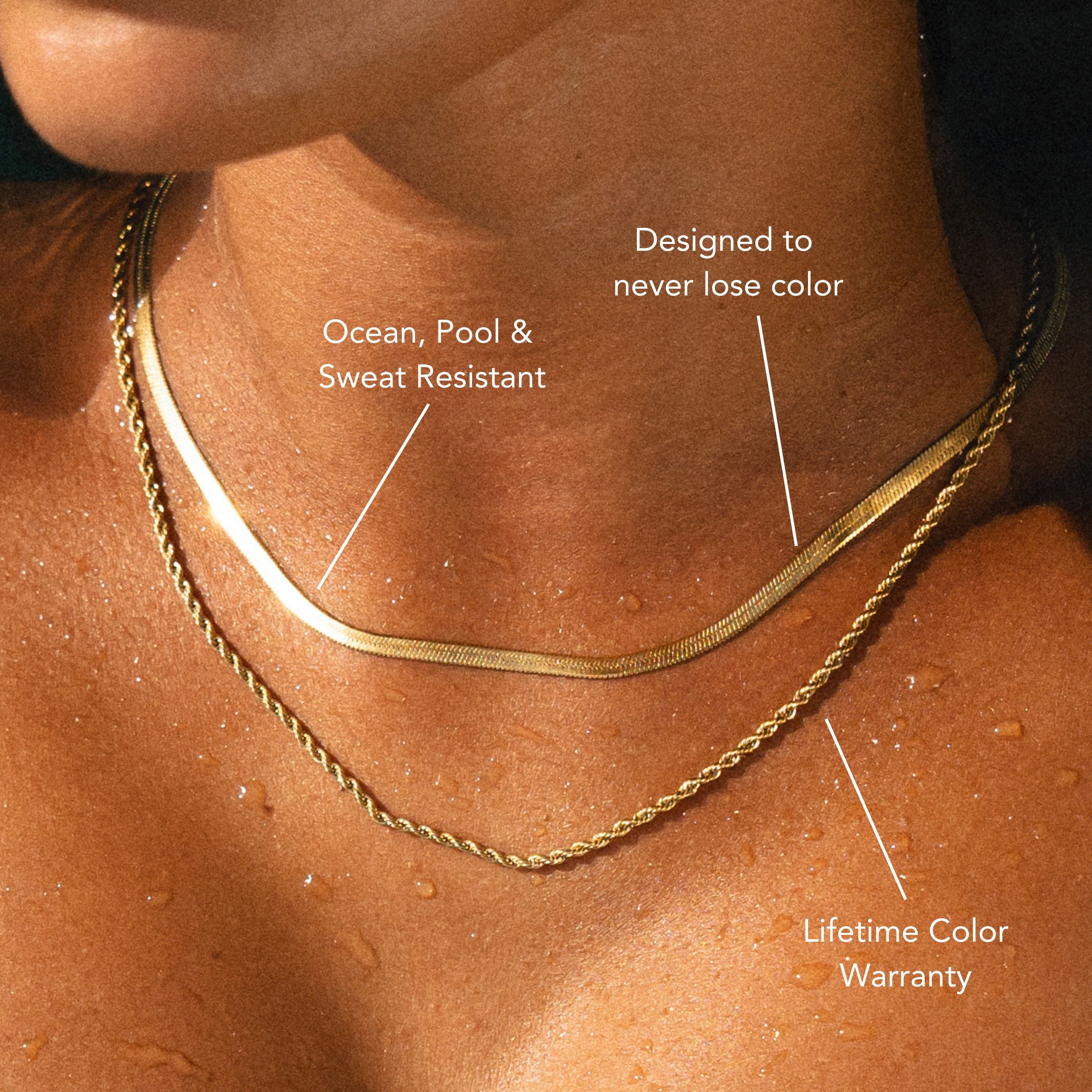
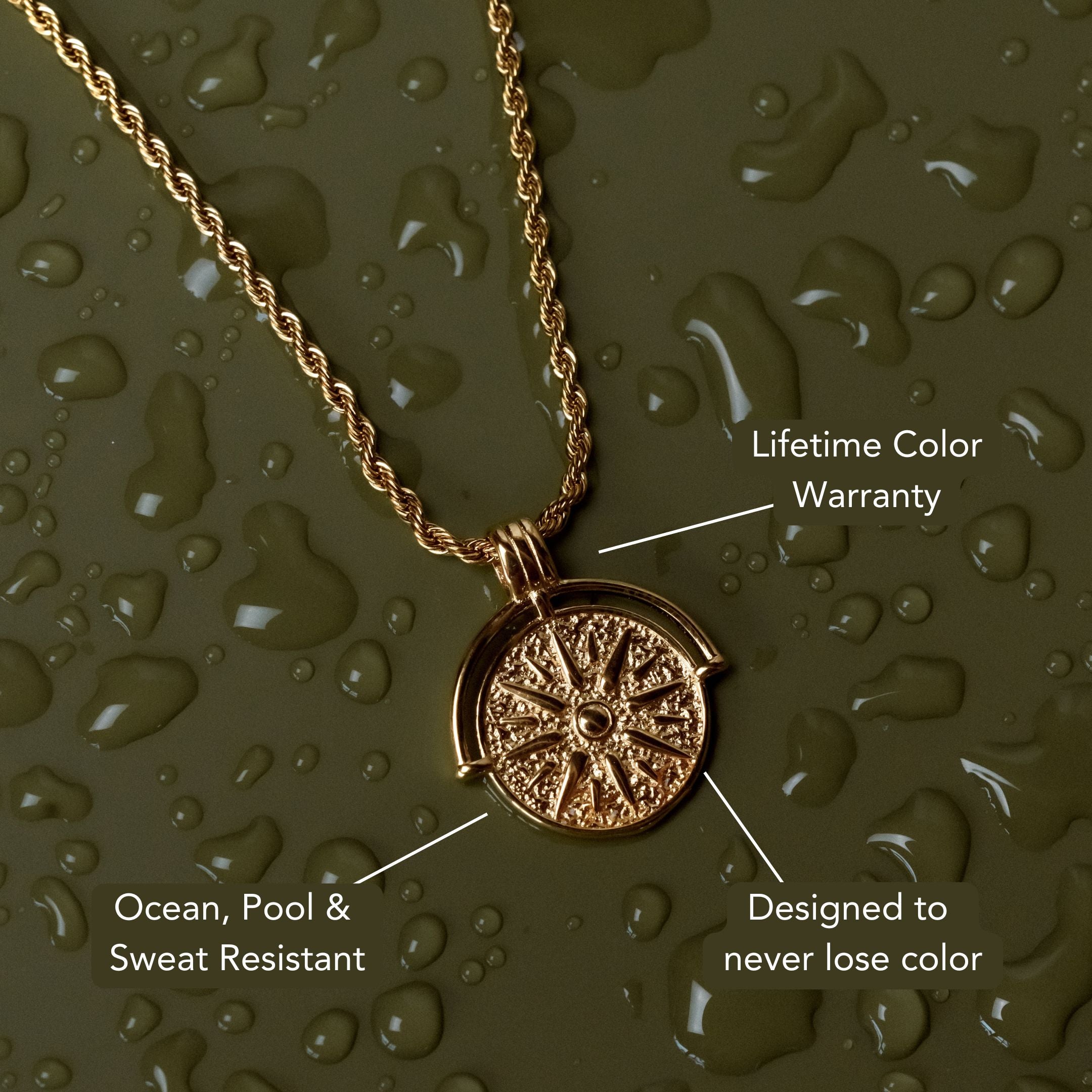
Explore types of silver for jewelry with a quick, practical comparison: sterling silver (925) balances durability, value, and everyday wear, while fine silver (999) is purer but softer—ideal for earrings and pendants. Argentium silver (935/960) adds germanium for superior tarnish resistance and easier hardening. Historic coin silver (around 900) offers a warmer tone and stronger work-hardening properties. Plated silver is the most affordable but wears through over time, while silver-filled pieces last longer. Vermeil features gold layered over sterling for a luxe look at a mid-range price. For low-maintenance, water-resistant alternatives designed for daily wear, explore our Waterproof Jewelry collection. Learn hallmarks, care, and pricing to choose wisely next.
Sterling Silver: Composition, Quality Marks, and Everyday Wear
Workhorse of modern silver jewelry, sterling silver balances beauty with durability. You’re buying an alloy: 92.5% silver with 7.5% copper (sometimes germanium, zinc, or silicon for tarnish resistance).
Those sterling properties deliver higher hardness and wear resistance than pure silver, enabling secure prongs, chains, and rings suited for daily use.
Verify quality marks: look for “925,” “Sterling,” or “STG,” ideally paired with a maker’s hallmark and, in some regions, assay stamps.
Nickel-free alloys reduce sensitization risk; argentium variants add improved tarnish resistance.
For valuation, assess mass, finishing quality, solder integrity, clasp strength, and hallmark credibility.
Apply maintenance tips: store in anti-tarnish pouches, clean with mild detergent and soft cloth, avoid sulfur sources and chlorinated pools, and polish sparingly to preserve plating on rhodium-finished pieces.

Fine Silver 999: Purity, Softness, and When It Shines
At 99.9% purity, fine silver (marked 999 or .999) offers maximum intrinsic metal value and hypoallergenic performance but trades hardness for malleability. You’re buying nearly pure elemental silver, so you capture bullion-linked value with minimal alloy uncertainty.
Key silver properties: high reflectivity, superb ductility, and low yield strength. Those traits enable crisp bezel forming and granulation but invite scratching, bending, and edge deformation.
For jewelry applications, prioritize low-abrasion wear: earrings, pendants, brooches, ritual pieces, and display-grade cuffs. Avoid rings or clasps exposed to mechanical stress.
Expect faster surface burnishing and micro-marring; plan periodic reshaping and gentle polishing. Hallmarks should read “999” or “.999.” Price premiums reflect purity, melt value, and fabrication losses.
If you want investment-aligned adornment with skin-friendly metal, fine silver shines—carefully.
Argentium Silver: Tarnish Resistance and Modern Alloys
Although it’s still sterling by law, Argentium is a germanium-bearing silver alloy engineered to curb tarnish, harden efficiently, and reduce firescale. You’re getting 93.5% silver minimum, but germanium replaces part of the copper, forming a transparent oxide that passivates the surface. Documented tests show dramatically slower sulfide build-up than conventional sterling.
Understand argentium history: developed by metallurgist Peter Johns at Middlesex University in the 1990s and commercialized as Argentium 935/960.
You gain argentium benefits that affect value: lower maintenance costs, brighter luster, and reduced polishing losses. It fuses and laser-welds cleanly, minimizing solder seams. Precipitation hardening boosts wear resistance without rhodium plating.
For buyers, confirm hallmarking (ARGENTIUM, “Flying Unicorn,” 935/960) and demand fabrication details—heat treatment, finish, and solder use—to justify a premium.

Coin Silver and Historic Alloys: What to Know
Before sterling became the U.S. norm, “coin silver” denoted jewelry and hollowware made from melted coinage, typically around 900 parts per thousand silver but ranging widely (c. 800–925) depending on source and refiner.
You should verify fineness: early American pieces may be unmarked or stamped “COIN,” not “STERLING.” Assay tests or XRF confirm composition and detect debasement.
Understand alloy origins and coin history: silversmiths recycled Spanish reales, U.S. dimes/quarters, and foreign coin, creating variable copper content that affects hardness, color, and corrosion behavior.
Expect warm gray tonality and sharper work-hardening than sterling.
For valuation, prioritize maker’s marks, regional schools (e.g., Boston, Philadelphia), and condition of engraving.
Patina consistent with age adds desirability; invasive polishing can depress price.
Avoid assuming uniform 900 purity without testing.
Silver Plated vs. Silver Filled: Cost, Durability, and Care
Coin-based alloys highlight how composition drives value; the same lens helps you judge modern surface-bonded options.
With silver plating, a microns-thin silver layer is electrochemically deposited over base metal. It’s low cost but prone to rapid wear-through at contact points, revealing brass or copper and triggering color change and potential skin reactions.
Silver filling uses a mechanically bonded, much thicker cladding—often 5%–10% silver by weight—over a core, delivering markedly better abrasion resistance and longer service life.
For valuation, assess layer thickness (microns for plating; weight percentage for filling), substrate metal, and workmanship. You’ll pay less upfront for silver plating, more for silver filling, but gain durability and lower replacement frequency.
Care both gently: avoid abrasives, limit friction, store dry, and polish with nonreactive cloths.
Vermeil and Gold Over Silver: Luxury Look on a Budget
For many shoppers, vermeil and other gold-over-silver options deliver high-end optics without solid-gold pricing. You’re buying sterling silver coated with gold, not base metal, so intrinsic value is higher than standard gold plating on brass.
Vermeil requires a sterling silver core, a minimum gold fineness of 10k, and typically thicker deposition (often 2.5 microns), which extends wear life.
You gain key vermeil benefits: richer color, improved tarnish resistance versus bare silver, and better resale potential than plated base alloys.
Evaluate thickness (microns), karat (color and hardness), and deposition method (electroplating vs. PVD). Heavier coatings and 14k–18k balances durability and hue.
Confirm hallmarks and microns disclosed; vague “gold plating” may indicate thinner layers that abrade faster. For cost-per-wear, vermeil generally outperforms thinly plated alternatives.
Hypoallergenic Considerations: Nickel, Palladium, and Skin Sensitivity
While gold-over-silver boosts durability and value, skin compatibility still dictates daily wearability.
If you’re prone to nickel allergies, scrutinize alloy disclosures and country-of-origin standards. EU nickel-release limits (EN 1811) reduce risk, but low-cost plating can breach thresholds as it wears.
Sterling silver (92.5% Ag) often uses copper; some blends add nickel—avoid those. Argentium (with germanium) minimizes tarnish and typically excludes nickel, improving dermatologic tolerance.
Rhodium plating can provide a barrier but isn’t a permanent guarantee.
For sensitive skin, palladium benefits are compelling: palladium-alloyed sterling and palladium white gold exhibit low sensitization rates and stable color without nickel.
Evaluate hallmarking, assay certificates, and vendor testing data. Pay a small premium for documented nickel-free alloys; the lifetime comfort and reduced dermatitis downtime justify the valuation uplift.

Care, Cleaning, and Storage Tips for Every Silver Type
Maintenance dictates longevity and resale value: match your routine to the alloy and finish.
For sterling (92.5), minimize sulfide exposure; use anti-tarnish storage solutions and clean with a mild ammoniated soap, soft brush, and microfiber.
For Argentium, leverage its germanium oxide; use nonabrasive cleaning methods and low-heat polishing to preserve passivation.
For fine silver, it’s softer—avoid mechanical polishers; employ gentle slurry and rinse thoroughly.
For rhodium-plated or vermeil, never use abrasives or dips; opt for diluted dish soap and pat dry to protect plating thickness.
Oxidized finishes require spot-cleaning only.
Silicate sunblock, chlorine, and rubber accelerate tarnish; avoid them.
Dehumidify cases to under 50% RH.
Document maintenance dates; consistent care supports appraisal outcomes and maximizes liquidation price.
Frequently Asked Questions
How Does Silver Sourcing Impact Ethical and Environmental Considerations?
It directly shapes your footprint: sustainable sourcing reduces habitat loss, toxins, and carbon. Ethical mining safeguards labor, traceability, and community royalties. You minimize regulatory risk, reputational damage, and lifecycle costs while preserving resale value through documented provenance and certified supply chains.
What Silver Types Hold Resale Value or Investment Potential Best?
Prioritize sterling and hallmark-stamped fine silver; they track spot prices and hold investment grade appeal. You’ll gauge resale by purity, weight, brand provenance, and market demand. Avoid silver‑plated pieces; minimal intrinsic value and weak secondary liquidity suppress returns.
Are There Regional Hallmarks or Laws Affecting Silver Marketing and Sales?
Yes. You face regional hallmark regulations dictating silver purity thresholds, assay requirements, and marketing claims. The UK mandates hallmarking; the EU aligns via conventions; the US relies on FTC guides. Compliance enhances buyer trust, liquidity, and resale valuations.
How Do Magnetic Clasps and Components Interact With Various Silver Types?
They’re mostly non-magnetic; sterling, fine, and Argentium show negligible magnetic properties. You’ll see attraction only from ferromagnetic springs or plated findings. Assess clasp compatibility by testing magnet strength, corrosion resistance, and shielding effects on chains; prioritize rare-earth magnets, sealed housings.
Can Silver Jewelry Trigger Metal Detectors or Airport Security Issues?
Yes, but rarely. You’ll pass most metal detectors because silver’s low mass and conductivity threshold usually evade jewelry security. Large pieces, layered items, or mixed alloys (steel clasps) increase detection probability. Remove bulky bracelets or necklaces to minimize secondary screening.
Conclusion
You now know how each silver type performs. Choose sterling for balanced durability and value; fine silver 999 for artisanal, low-wear pieces; Argentium for superior tarnish resistance; historic coin silver for character; plated for lowest cost, filled for better longevity; vermeil for premium look at mid-tier price. Prioritize hypoallergenic alloys (nickel-free, palladium-enhanced) if you’re sensitive. Protect ROI by storing dry, cleaning with nonabrasive methods, and avoiding sulfur, chlorine, and friction. Match alloy to use-case, budget, and maintenance tolerance.










%20balances%20durability,%20value,%20and%20everyday%20wear,%20while%20fine%20silver%20(999)%20is%20purer%20but%20softer%E2%80%94ideal%20for%20ea...)
Leave a comment
This site is protected by hCaptcha and the hCaptcha Privacy Policy and Terms of Service apply.